Photo: Wikipedia
Find The Best Places To Live
in Key Biscayne
PRO TIP! You can paste a Zillow or Redfin link to get info on that property.
What It's Like Living in Key Biscayne, FL
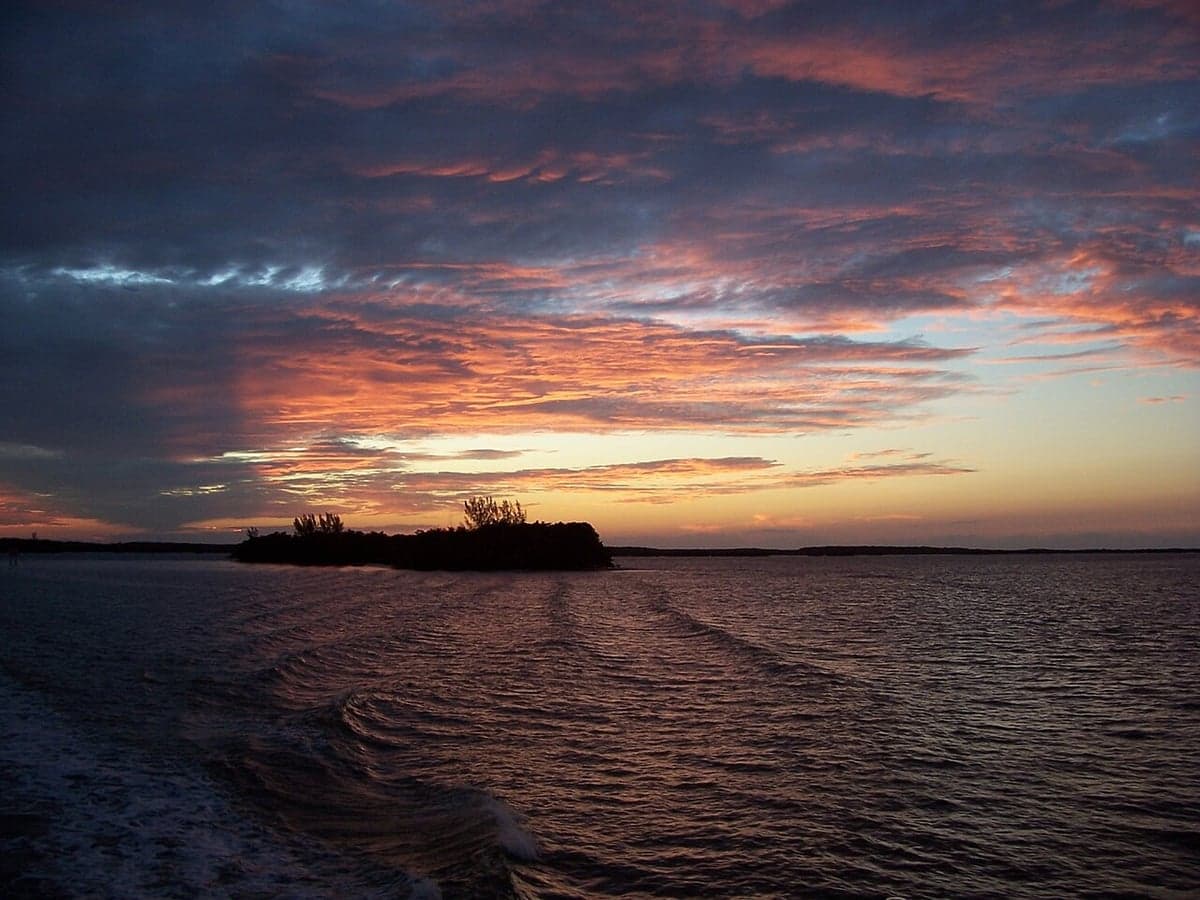
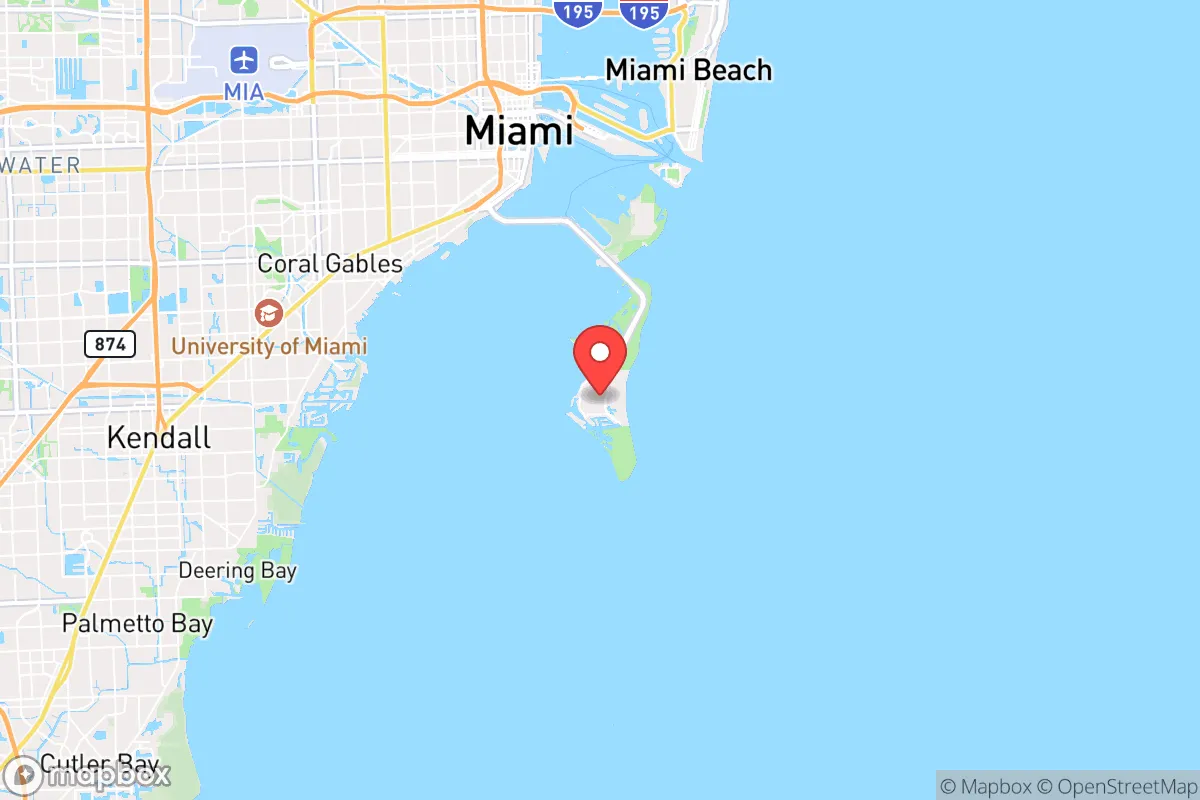
Key Biscayne feels less like a suburb of Miami and more like a small, self-contained island town that happens to have a skyline view of a major city. With about 14,560 residents, it’s the kind of place where you see the same faces at the Saturday morning farmers market and where the local police officer knows your kids by name. The vibe is decidedly affluent but low-key — think golf carts, beach cruisers, and a collective obsession with the weather forecast, because life here revolves around being outside.
The Daily Rhythm: Island Time, Miami Pace
Daily life on Key Biscayne moves at a slower cadence than mainland Miami, but it’s not sleepy. Mornings start early, often with a run or bike ride along the Rickenbacker Causeway before the heat sets in. The median age is 43.1, and the community skews heavily toward families and established professionals — the median household income is $172,604, and 74.4% of adults hold a college degree. People here work in finance, law, medicine, and remote executive roles, many commuting the 24 minutes (on a good day) into Brickell or downtown Miami. The commute is a real trade-off: that causeway is a beautiful drive, but a single fender bender or a boat parade can turn it into a 90-minute crawl.
Weekends revolve around the water. Crandon Park is the de facto backyard for residents — miles of beach, a nature center, and tennis courts that are perpetually booked. The Key Biscayne Community Center runs the show for youth sports and after-school programs, and the local public schools (Key Biscayne K-8 Center and MAST Academy) are a major reason families settle here. School events double as community gatherings; the PTA is essentially a social club for parents.
Sports, Community, and the Local Identity
Sports culture here is less about pro teams and more about participation. You won’t find a Key Biscayne bar packed for a Dolphins game — most fans head to the mainland for that. Instead, the big deal is the Key Biscayne Triathlon, which shuts down the island for a morning each spring, and the Junior Orange Bowl tennis tournament, which brings national-level junior talent to Crandon Park. High school sports at MAST Academy are competitive but not obsessive; the real athletic energy goes into sailing, paddleboarding, and the local youth soccer league.
The island has a distinct cultural identity: it’s heavily Hispanic, with a strong Argentine and Venezuelan presence. You hear Spanish as often as English at the Publix on Crandon Boulevard. The annual Key Biscayne Art Festival and the Fourth of July parade are the biggest events on the calendar — the parade is a low-key affair with fire trucks, golf carts, and kids on bikes, but everyone turns out. For nightlife, it’s slim. The local bar scene is limited to a handful of spots like The Cleat (a sports bar that’s more family-friendly than rowdy) and Rusty Pelican (a waterfront restaurant that draws a mainland crowd for sunset drinks). Most socializing happens at private homes, beachside cookouts, or the Key Biscayne Yacht Club.
What’s There to Do: Outdoor Obsession and Quiet Evenings
If you don’t love the outdoors, Key Biscayne will feel claustrophobic. The main attractions are all natural: Bill Baggs Cape Florida State Park offers the historic Cape Florida Lighthouse, some of the best beach access on the island, and kayak rentals through the mangroves. Crandon Park has a golf course, a marina, and a nature center with a boardwalk trail. The Rickenbacker Trail is a paved path that runs the length of the causeway, popular with cyclists and runners — it’s the closest thing to a town green.
Dining is solid but not flashy. Donna’s is the go-to for Italian and a glass of wine; La Boulangerie is the morning coffee spot where you’ll see everyone. Milanezza serves Argentine-style milanesas and is a local favorite for takeout. For groceries, there’s Publix and a small Fresh Market. The lack of a proper downtown or main street is a common complaint — Crandon Boulevard is a four-lane road lined with strip malls, not a walkable village. You drive everywhere, even to the beach.
Pros and Cons of Island Living
- What residents love: The safety is extraordinary — the violent crime rate is 6.6 per 100,000, a fraction of the national average. Kids can bike to school and the beach without constant supervision. The community is tight-knit; neighbors look out for each other. The natural beauty is undeniable, and the proximity to Miami’s job market without living in the city is a major draw.
- What frustrates them: The cost of living index is 356 — more than triple the U.S. average. The median home value is $1.24 million, and that buys you a modest three-bedroom house or a condo. Rentals are scarce and expensive. The isolation is real: you’re dependent on the causeway, and hurricane evacuations are a logistical headache. Summer humidity is oppressive, and the island can feel sleepy if you’re under 40 and single. The restaurant and nightlife options are limited; you’ll drive to Coconut Grove or Coral Gables for variety.
Key Biscayne works best for families with school-age children and professionals who value safety, community, and outdoor access over urban energy. It’s not a place for young singles seeking nightlife or for anyone on a tight budget. But for those who can afford it and fit the lifestyle, it’s a rare pocket of Miami where you can actually know your neighbors and let your kids roam free.

Similar towns to Key Biscayne
* Values derived from national, state, county, city and local statistics and may differ in a specific area. Last updated: 2026-04-27T14:35:59.000Z
Narrative content on this page is AI-generated and may contain mistakes. Verify any details that matter before acting on them.
ReloMaps may earn a commission from affiliate links at no extra cost to you.

