 Popular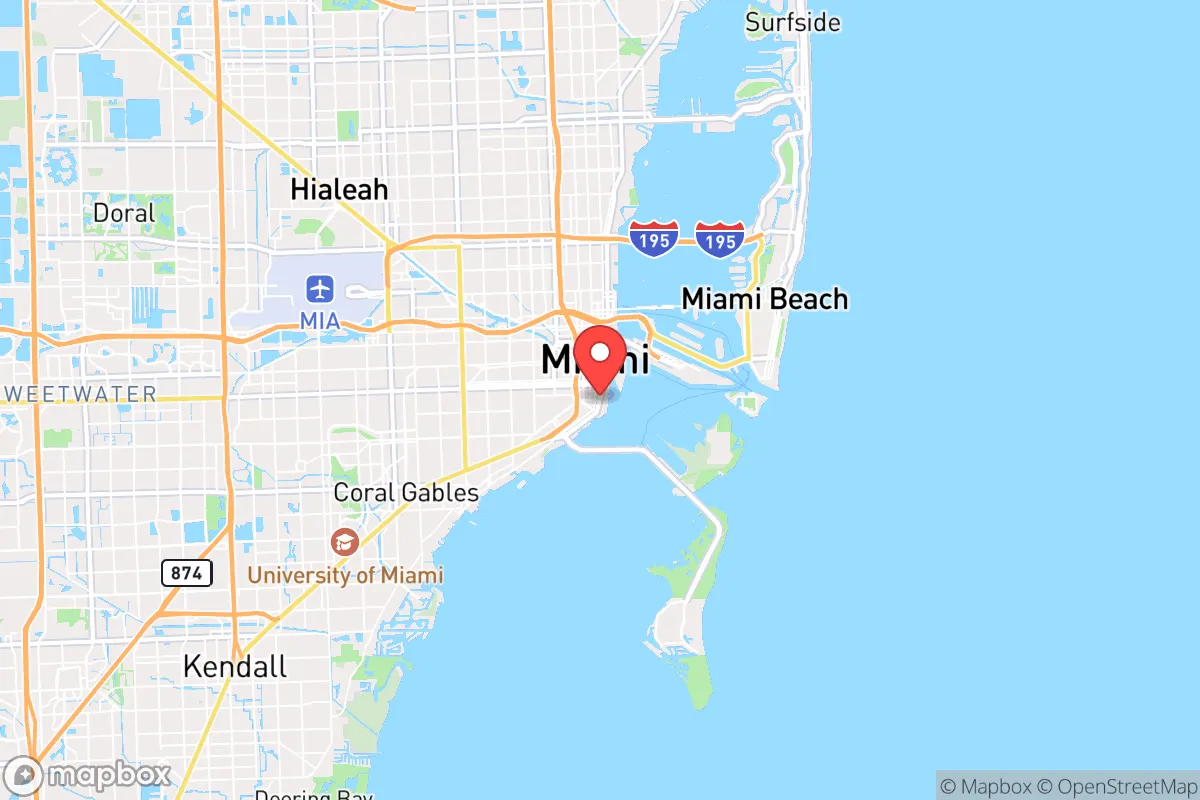
Photo: Wikipedia
Find The Best Places To Live
in Miami
PRO TIP! You can paste a Zillow or Redfin link to get info on that property.
What It's Like Living in Miami, FL
Living in Miami is less like living in a city and more like living inside a permanent, humid, high-energy carnival. It’s a place where the line between work and play blurs, where Spanish is as common as English, and where the ocean is never more than a few miles from your front door. For a single person or a family with a slightly conservative leaning, Miami offers a unique blend of opportunity and chaos—a vibrant, fast-paced environment that rewards ambition but demands a thick skin and a tolerance for traffic.
Daily Rhythm: The Art of the Slow Burn
Daily life in Miami is dictated by the weather and the clock. Mornings start early, often with a walk or run along the Rickenbacker Causeway or through Pinecrest Gardens before the heat sets in. By 9 a.m., the city is buzzing. People grab café con leche and a pastelito from a Versailles or a local La Carreta—these are the unofficial town squares. The workday is serious, but the pace is different. Lunch breaks are often long, and many people head to Wynwood for a quick bite or a stroll through the galleries. The median commute is about 27 minutes, which is manageable, but that number hides the reality of the Palmetto Expressway and I-95—a 15-mile trip can easily take an hour during rush hour. Weekends are for the water. Families pack coolers and head to Bill Baggs Cape Florida State Park or Matheson Hammock Park, while singles gravitate toward the sand at South Beach or the kayak rentals at Virginia Key. The city’s median age of 39.7 means you’ll find a mix of young professionals and established families, but the median income of $59,390 suggests that many are working hard to afford the lifestyle.
Sports & Community: More Than Just the Dolphins
Sports are a serious matter here, but not in the way you might expect. The Miami Dolphins are the undisputed kings, with a fanbase that’s passionate but often frustrated. Game days at Hard Rock Stadium are a ritual, with tailgates that start at dawn. The Miami Heat are a close second, especially after the LeBron years, and their games at the Kaseya Center are a mix of high-energy basketball and celebrity spotting. For families, high school football is a big deal—schools like Miami Central and Columbus High draw huge crowds on Friday nights. The University of Miami Hurricanes are a local institution, and their games at Hard Rock Stadium are a chance for alumni and locals to relive the glory days of the 1980s and 90s. But the real sport of Miami is people-watching. The city’s identity is built on a mix of Cuban, Haitian, and Latin American cultures, and you see it everywhere—from the Calle Ocho festival to the Little Havana domino games at Máximo Gómez Park.
What’s There to Do: The Endless Summer
Entertainment in Miami is a year-round affair. The Ultra Music Festival and Art Basel draw international crowds, but locals know the real gems are the smaller events. The South Beach Wine & Food Festival is a must for foodies, and the Coconut Grove Arts Festival is a family-friendly weekend of art and music. For a night out, Wynwood is the go-to for craft breweries and street art, while Brickell offers rooftop bars with skyline views. Families love the Zoo Miami and the Frost Science Museum, both of which are world-class. The Vizcaya Museum & Gardens is a quiet escape from the city’s noise. But the biggest draw is the outdoors. The Everglades National Park is a 45-minute drive and offers airboat rides and wildlife spotting. The Biscayne National Park is a boater’s paradise. The weather is warm year-round, but the summer months (June through September) are brutally hot and humid, with daily thunderstorms that can flood streets in minutes.
Pros and Cons of Living Here
Longtime residents love the energy and the diversity. The food is incredible—from Joe’s Stone Crab to the Versailles Cuban sandwich, you never run out of options. The proximity to the water is a daily luxury. But the frustrations are real. The cost of living index is 153, meaning it’s 53% more expensive than the average U.S. city. The median home value of $475,200 is steep, and while the median income of $59,390 can support a single person, families often feel squeezed. The violent crime rate of 358.3 per 100,000 is higher than the national average, and while many neighborhoods are safe, it’s a factor that shapes where people choose to live. Traffic is a constant headache, and the public school system is a mixed bag—many families opt for private or charter schools, which adds to the cost. The weather is a double-edged sword: hurricane season runs from June to November, and the humidity can be oppressive. But for the right person—someone who values culture, career opportunities, and a vibrant social scene—Miami is a place that never gets boring. It’s a city that demands you show up, but it rewards you with a life that feels like a permanent vacation, even when you’re stuck in traffic on the Dolphin Expressway.

Similar mid-size cities to Miami

* Values derived from national, state, county, city and local statistics and may differ in a specific area. Last updated: 2026-07-03T04:15:42.000Z
Narrative content on this page is AI-generated and may contain mistakes. Verify any details that matter before acting on them.
ReloMaps may earn a commission from affiliate links at no extra cost to you.

