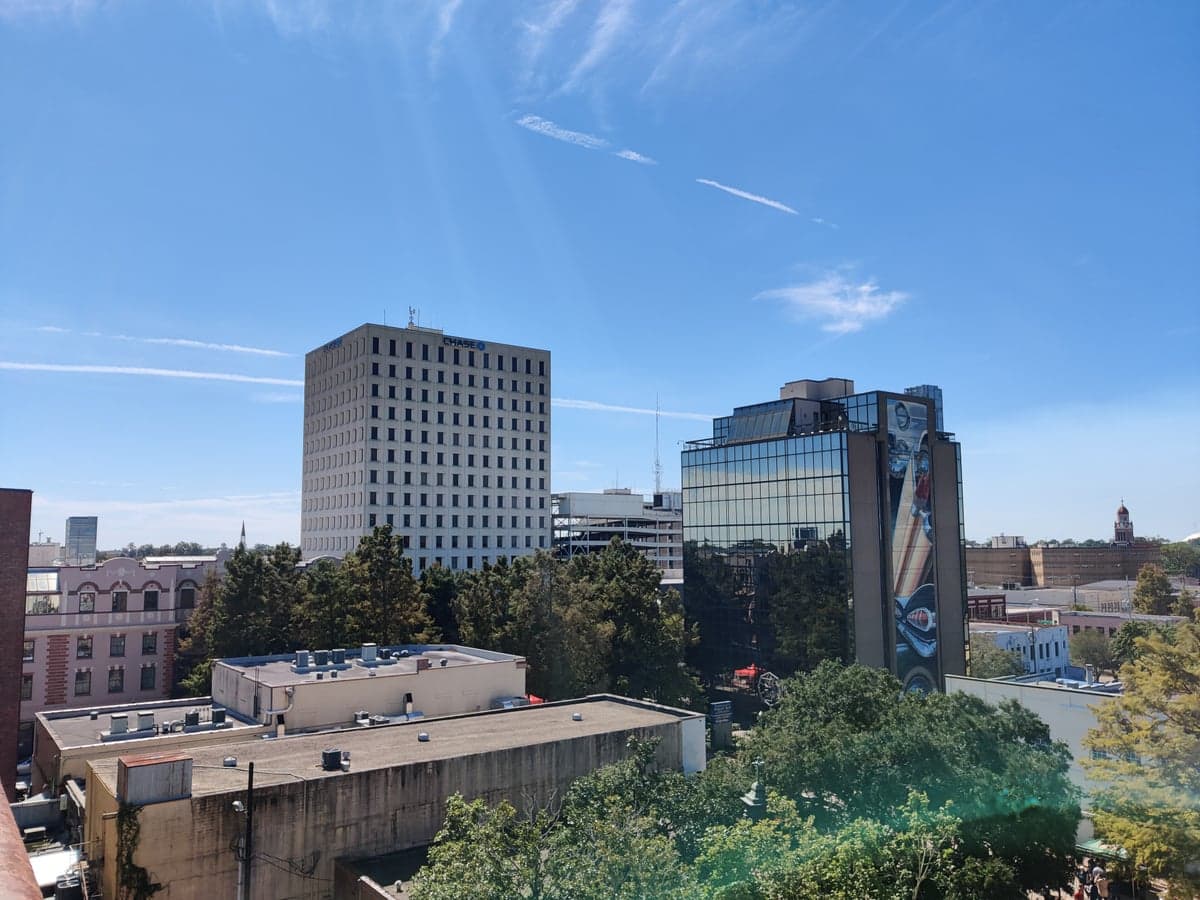
Photo: Wikipedia
Quality of Life in Lafayette, LA
A high quality of life with strong walkability, manageable living costs, healthy neighborhood signals, and solid amenity access.
What does Quality of Life tell us?
Quality of Life blends cost of living, nearby amenities, socioeconomic signals, and neighborhood character. City-level scores represent the whole municipality; individual neighborhoods can differ.
What does this tell us?
Quality of Life blends cost of living, nearby amenities, socioeconomic signals, and neighborhood character. City-level scores represent the whole municipality; individual neighborhoods can differ.
Cost of Living
9% below national average
The Real Cost of Living in Lafayette, LA for 2026
| Tier | Individual | Family (4) |
|---|---|---|
| Survival | $17k | $32k |
| Comfortable | $49k | $72k |
| Luxury | $111k+ | $172k+ |
| Elite (Top 5%) | $160k+ | $248k+ |
86%
The Area Signal
A metric tracking the socioeconomic signals of the area.
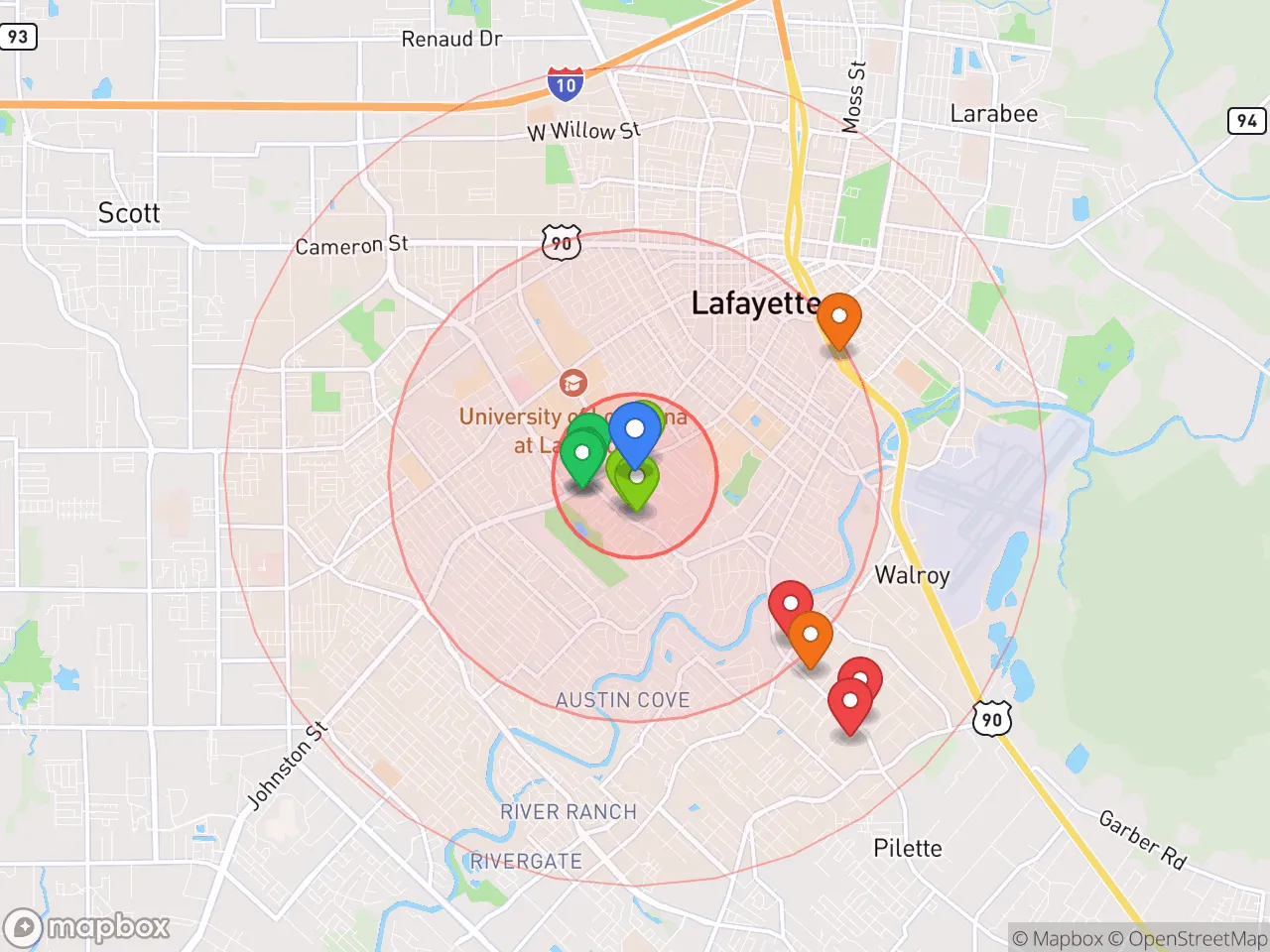
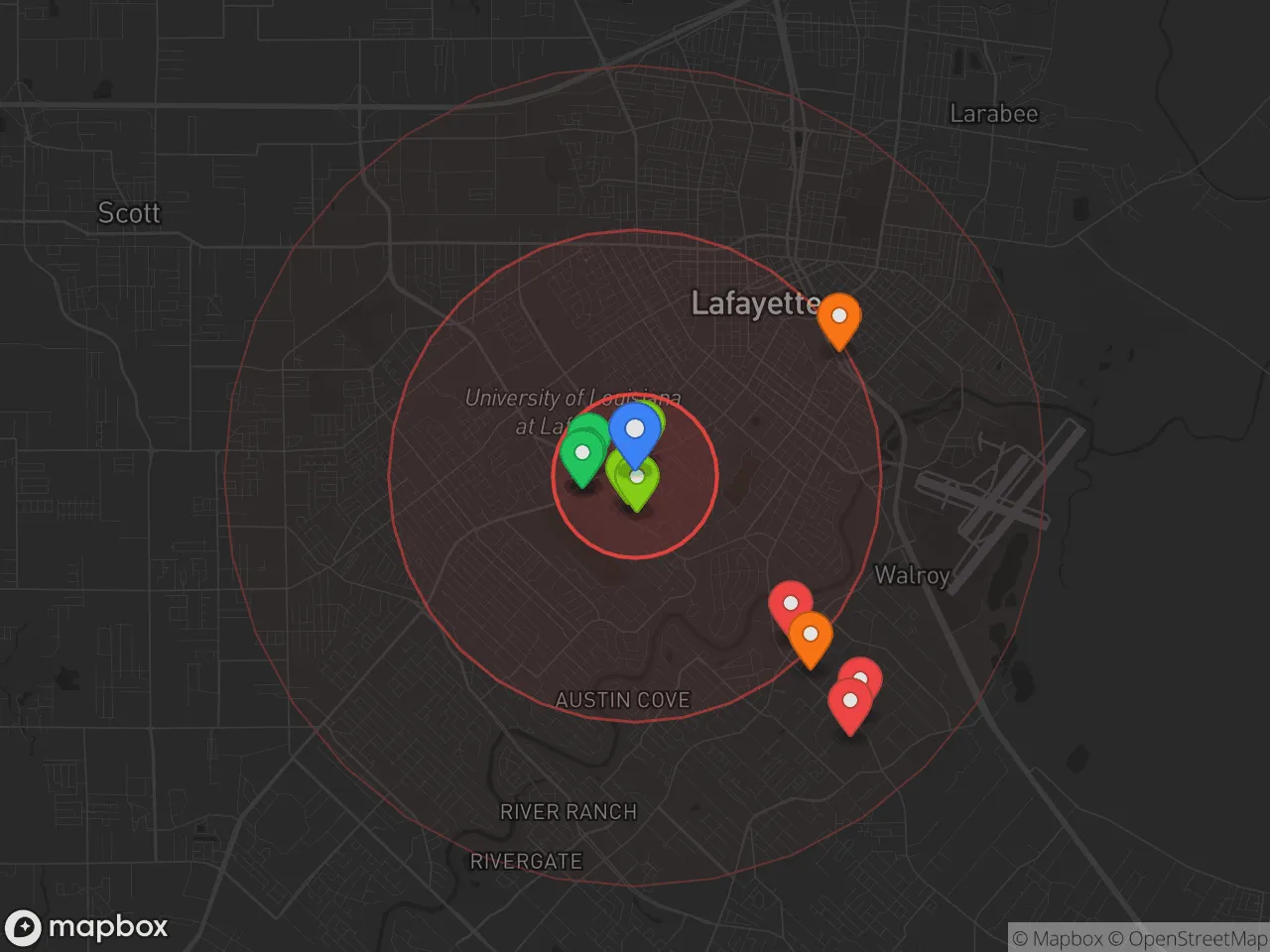
Hobbies
Explore the areaGroceries
8 within 10 miles
Gas
20 within 10 miles
Hospital
20 within 20 miles
Airport
IAH — George Bush Intercontinental
Post Office
USPS — Lafayette, LA
Critical Amenities
Quality-of-Life Analysis
Lafayette, Louisiana, offers a quality of life defined by a cost of living significantly below the national average, attracting a diverse mix of young professionals, families, and retirees who value cultural vibrancy alongside economic practicality. With a cost of living index of 91 (9% below the U.S. average), the area provides a notably higher standard of living than similarly sized metros in the South, particularly when compared to nearby Baton Rouge or New Orleans. The population skews slightly younger than the state average, driven by the presence of the University of Louisiana at Lafayette and a growing healthcare and energy services sector, creating a community that balances academic energy with deep-rooted Cajun and Creole traditions.
Cost of living, housing affordability, and how Lafayette compares to nearby cities
Housing in Lafayette remains a standout advantage for newcomers. The median home value of $251,300 is roughly $30,000 below the national median and nearly $100,000 less than in Baton Rouge, making homeownership attainable for median-income households. Renters also benefit, with a median rent of $1,065—well under the national average of $1,400 and significantly cheaper than New Orleans’ median of $1,350. The average commute of 19.9 minutes is a full 6 minutes shorter than the national average, meaning residents spend less time in traffic and more time at home or in the city’s many parks and festivals. While property taxes in Lafayette Parish are moderate (around 0.45% of assessed value), homeowners should note that Louisiana’s homestead exemption reduces taxable value for primary residences, further lowering annual costs compared to Texas or Florida suburbs.
What daily life is like for families: schools, amenities, and local rhythm
Daily life in Lafayette revolves around a blend of outdoor recreation, live music, and a strong food culture. The Lafayette Parish School System offers several highly rated magnet and charter options, including the Lafayette High School International Baccalaureate program and the David Thibodaux STEM Magnet Academy, though families should research specific zoned schools as performance varies by neighborhood. The city’s amenities are anchored by the 98-acre Girard Park, the bustling Downtown Lafayette district with its weekly farmers market, and the Acadiana Center for the Arts. The local rhythm is distinctly unhurried—restaurants and music venues like the Blue Moon Saloon and the Feed & Seed host live zydeco and Cajun bands most nights, and the city’s calendar is dominated by festivals (Festivals Acadiens et Créoles, the Louisiana Cajun-Zydeco Festival) that close streets and draw crowds. For daily errands, the city is compact; most grocery stores, medical clinics, and retail centers are within a 10- to 15-minute drive from any residential area.
Lafayette is best suited for individuals and families who prioritize cultural authenticity and affordability over urban density or high-end amenities. Young professionals in the energy, healthcare, or tech sectors will find a stable job market with lower stress commutes, while retirees can stretch retirement savings further here than in coastal Louisiana or Texas. Those who thrive in Lafayette are typically comfortable with a slower pace, a humid subtropical climate, and a community where social life often centers on food, music, and outdoor gatherings rather than nightclubs or luxury shopping. For anyone seeking a low-cost, high-culture Southern lifestyle with a strong sense of place, Lafayette delivers a quality of life that is hard to match in the region.

Crime in Lafayette, LA
Higher crime rates than 74% of comparable U.S. locations.
Violent CrimeViolent Crime Analysis
Property CrimeProperty Crime Analysis
Crime Analysis
Lafayette, Louisiana, reports a violent crime rate of 1,129.1 incidents per 100,000 residents and a property crime rate of 3,456.6 per 100,000, placing it among the more dangerous mid-sized cities in the South. These figures significantly exceed both the Louisiana state average and the national median, indicating that safety is a primary concern for anyone considering relocation. The city's crime challenges are compounded by a local justice system that, in recent years, has adopted increasingly progressive policies, which critics argue prioritize offender rehabilitation over public safety and victim restitution.
Crime in context
Lafayette’s violent crime rate is roughly three times the national average of approximately 380 per 100,000, while its property crime rate is nearly double the national figure of about 1,950 per 100,000. Compared to other Louisiana metros, Lafayette is on par with Baton Rouge but notably higher than the state’s more conservative rural parishes. The city’s elevated crime rates are often linked to socioeconomic factors, but the local criminal justice approach plays a measurable role. Lafayette Parish has seen a pattern of district attorneys and judges who embrace progressive sentencing reforms, including reduced cash bail, diversion programs for repeat offenders, and lenient plea deals. While intended to reduce incarceration, these policies have been associated with higher recidivism and a perception that crime carries few consequences, directly impacting the safety of law-abiding residents.
What residents experience
For daily life in Lafayette, property crime is the most frequent concern. Vehicle break-ins, package theft, and residential burglaries are common, particularly in areas near the university and commercial corridors like Johnston Street. Violent incidents, including aggravated assault and robbery, are concentrated in specific neighborhoods but can occur citywide. Residents often report feeling unsafe walking alone after dark in many central districts. The progressive judicial philosophy in Lafayette means that even when arrests are made, offenders frequently return to the streets quickly due to low bail requirements or early release programs. This cycle erodes trust in the justice system and creates a persistent sense of vulnerability among homeowners and business owners alike.
Neighborhood-level variation
Safety in Lafayette varies sharply by neighborhood. Areas like the historic Oil Center, parts of River Ranch, and the suburban communities of Youngsville and Broussard to the south experience significantly lower crime rates, often approaching national averages. In contrast, neighborhoods north of I-10, including Freetown and the Saint Streets, report violent crime rates that can be two to three times the city average. Prospective residents are advised to research block-level crime maps and consider that even in safer enclaves, the city’s overall progressive justice environment means that property crime can spill over from higher-crime zones. The safest choice is often a home in an unincorporated part of the parish or a neighboring conservative-leaning town where local law enforcement and judicial practices are more punitive and victim-focused.
* Values derived from national, state, county, city and local statistics and may differ in a specific area. Last updated: 2026-05-01T19:29:10.000Z
Narrative content on this page is AI-generated and may contain mistakes. Verify any details that matter before acting on them.
ReloMaps may earn a commission from affiliate links at no extra cost to you.

