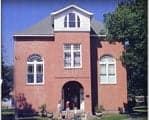
Photo: Wikipedia
Quality of Life in Larimore, ND
A livable area that tracks near national norms for affordability, walkability, and neighborhood health.
What does Quality of Life tell us?
Quality of Life blends cost of living, nearby amenities, socioeconomic signals, and neighborhood character. City-level scores represent the whole municipality; individual neighborhoods can differ.
What does this tell us?
Quality of Life blends cost of living, nearby amenities, socioeconomic signals, and neighborhood character. City-level scores represent the whole municipality; individual neighborhoods can differ.
Cost of Living
40% below national average
The Real Cost of Living in Larimore, ND for 2026
| Tier | Individual | Family (4) |
|---|---|---|
| Survival | $11k | $20k |
| Comfortable | $35k | $51k |
| Luxury | $127k+ | $197k+ |
| Elite (Top 5%) | $149k+ | $231k+ |
153%
The Area Signal
A metric tracking the socioeconomic signals of the area.


Limited data for this area
Limited data for this area
Hobbies
Explore the areaGroceries
2 within 10 miles
Gas
0 within 10 miles
Hospital
3 within 20 miles
Airport
JFK — John F. Kennedy Memorial
Post Office
USPS — Grand Forks AFB, ND
Critical Amenities
Quality-of-Life Analysis
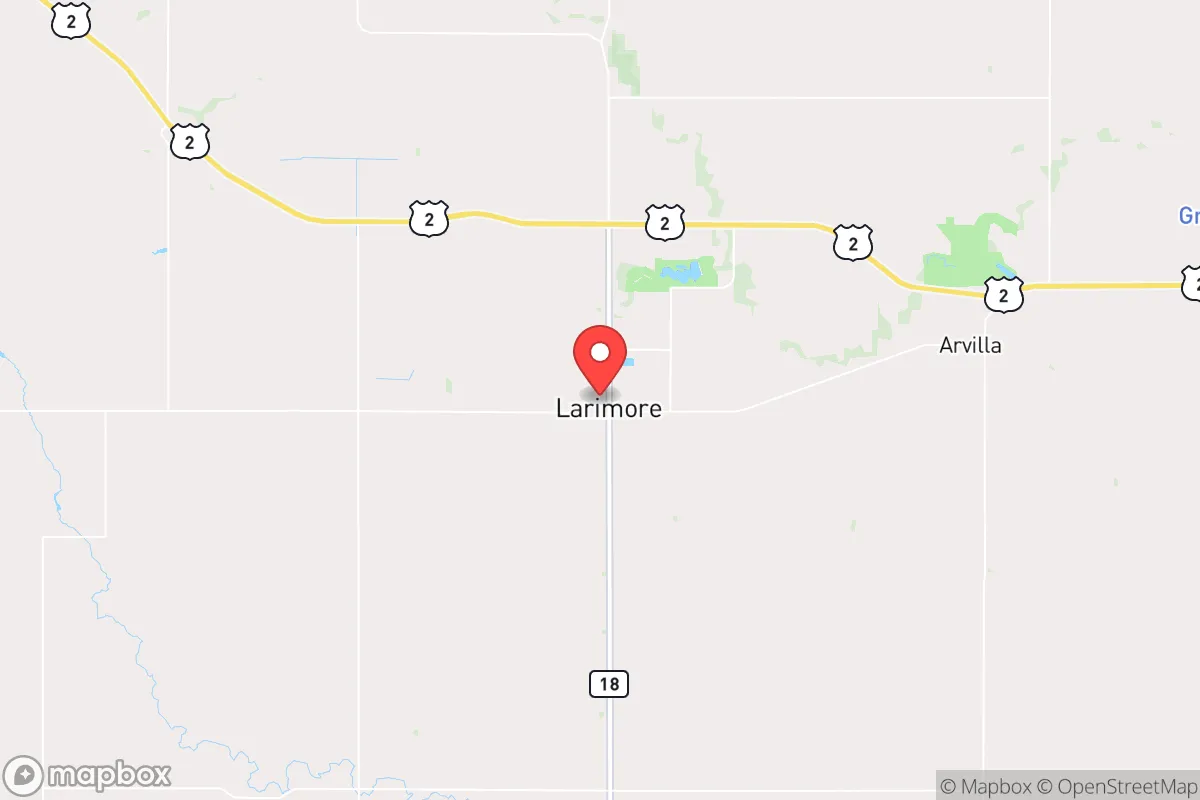
Larimore, North Dakota, offers a quality of life defined by quiet affordability and a strong sense of community, attracting families, retirees, and remote workers who prioritize space and low costs over urban bustle. With a cost of living index of 60—40 percent below the national average—the city provides a financial cushion that is increasingly rare in the modern economy. Residents here tend to be long-term homeowners, tradespeople, and professionals who commute to Grand Forks for work, valuing the slower pace and neighborly atmosphere of a town of roughly 1,400 people.
Cost of living, housing, and how Larimore compares to Grand Forks
Larimore’s affordability is its standout feature, driven by a median home value of $180,200 and a median rent of just $677 per month. For context, the median home value in nearby Grand Forks is approximately $240,000, making Larimore roughly 25 percent cheaper for buyers. Renters also benefit significantly: the $677 figure is about 30 percent below Grand Forks’ average rent of $975. The average commute of 18 minutes is notably short—well under the national average of 26 minutes—and reflects the ease of reaching Grand Forks (about 12 miles south) via U.S. Highway 2. This combination of low housing costs and a quick drive to a larger job market makes Larimore a practical choice for those who want small-town living without sacrificing employment access. Property taxes in Grand Forks County are moderate, and utilities remain below national averages, further stretching household budgets.
What daily life is like for families: schools, amenities, and local rhythm
Daily life in Larimore revolves around the Larimore Public School District, which serves roughly 400 students from pre-K through 12th grade and maintains a student-teacher ratio of about 12:1. The school consistently scores above state averages in reading and math proficiency, making it a draw for families. Beyond academics, the town offers a handful of local amenities: a grocery store, a hardware store, a public library, and a small medical clinic. For more extensive shopping, dining, or healthcare, residents drive to Grand Forks, which has a regional hospital, a university (UND), and retail centers like Columbia Mall. The local rhythm is quiet and outdoors-oriented—residents frequent the Larimore Dam Recreation Area for fishing and hiking, and the annual Larimore Potato Fest in September draws the community together. There is no nightlife to speak of, and dining options are limited to a few cafes and bars, which suits those who prefer a low-key, family-centered lifestyle.
Larimore is best suited for people who value financial breathing room and a predictable, safe environment over cultural variety or career density. Families with school-age children will find strong schools and a tight-knit community, while retirees can stretch retirement savings further than in most U.S. towns. Remote workers and commuters to Grand Forks will appreciate the short drive and low housing costs. Those seeking vibrant nightlife, diverse dining, or rapid career growth should look to larger cities. For anyone who prioritizes affordability, safety, and a slower pace, Larimore delivers a solid, unpretentious quality of life.

Crime in Larimore, ND
Generally safer than 68% of comparable U.S. locations.
Violent CrimeViolent Crime Analysis
Property CrimeProperty Crime Analysis
Crime Analysis
Larimore, North Dakota, presents a mixed safety profile that demands careful consideration from potential residents. While the city’s violent crime rate of 223.3 per 100,000 residents is notably lower than the national average, its property crime rate of 1,417.3 per 100,000 exceeds both state and national benchmarks, making property-related offenses the primary safety concern. As a small city near the larger Grand Forks metropolitan area, Larimore benefits from a relatively low population density, but its proximity to a larger urban center introduces dynamics that can influence local crime patterns.
Crime in context
When compared to North Dakota’s statewide violent crime rate of approximately 300 per 100,000, Larimore’s rate of 223.3 per 100,000 is about 25% lower, placing it among the safer communities in the state for violent offenses. However, the property crime rate of 1,417.3 per 100,000 is roughly 40% higher than the North Dakota average of around 1,000 per 100,000 and significantly exceeds the national median. This disparity suggests that while residents are less likely to face physical threats, theft, burglary, and vandalism are more common than in comparable rural or small-town settings. The city’s location within Grand Forks County, which has a moderate population density, may contribute to these elevated property crime figures, as transient populations and regional economic pressures can increase opportunities for theft.
What residents experience
Daily life in Larimore for most residents involves a low risk of violent encounters, but property crime remains a tangible concern. The most frequently reported incidents include vehicle break-ins, theft from yards or garages, and occasional residential burglaries. Residents often note that unlocked vehicles and visible valuables are common targets, a pattern consistent with many small towns experiencing spillover crime from nearby metro areas. The local police department maintains a visible presence, but resource constraints typical of small-town agencies mean that response times and investigative capacity may not match those of larger jurisdictions. Community watch programs and neighborly vigilance are common informal deterrents, yet the data indicates that proactive property security—such as locking doors, installing outdoor lighting, and using security cameras—is advisable.
Neighborhood-level variation in Larimore is limited due to the city’s small size, but some patterns emerge. The older, more established residential blocks near the downtown core tend to report fewer incidents, likely due to higher foot traffic and longer-term resident occupancy. In contrast, newer subdivisions on the outskirts and areas closer to the main highway (ND-18) see slightly higher property crime rates, possibly because of easier access for transient offenders. The city’s proximity to Grand Forks—just 20 miles south—means that crime trends in the larger metro area can influence Larimore, particularly if progressive prosecutorial policies in Grand Forks County lead to reduced consequences for property offenders, a dynamic that should concern residents who prioritize strict law enforcement and victim justice.
* Values derived from national, state, county, city and local statistics and may differ in a specific area. Last updated: 2026-04-19T07:19:21.000Z
Narrative content on this page is AI-generated and may contain mistakes. Verify any details that matter before acting on them.
ReloMaps may earn a commission from affiliate links at no extra cost to you.

