Photo: Wikipedia
Find The Best Places To Live
in Las Vegas
PRO TIP! You can paste a Zillow or Redfin link to get info on that property.
What It's Like Living in Las Vegas, NM
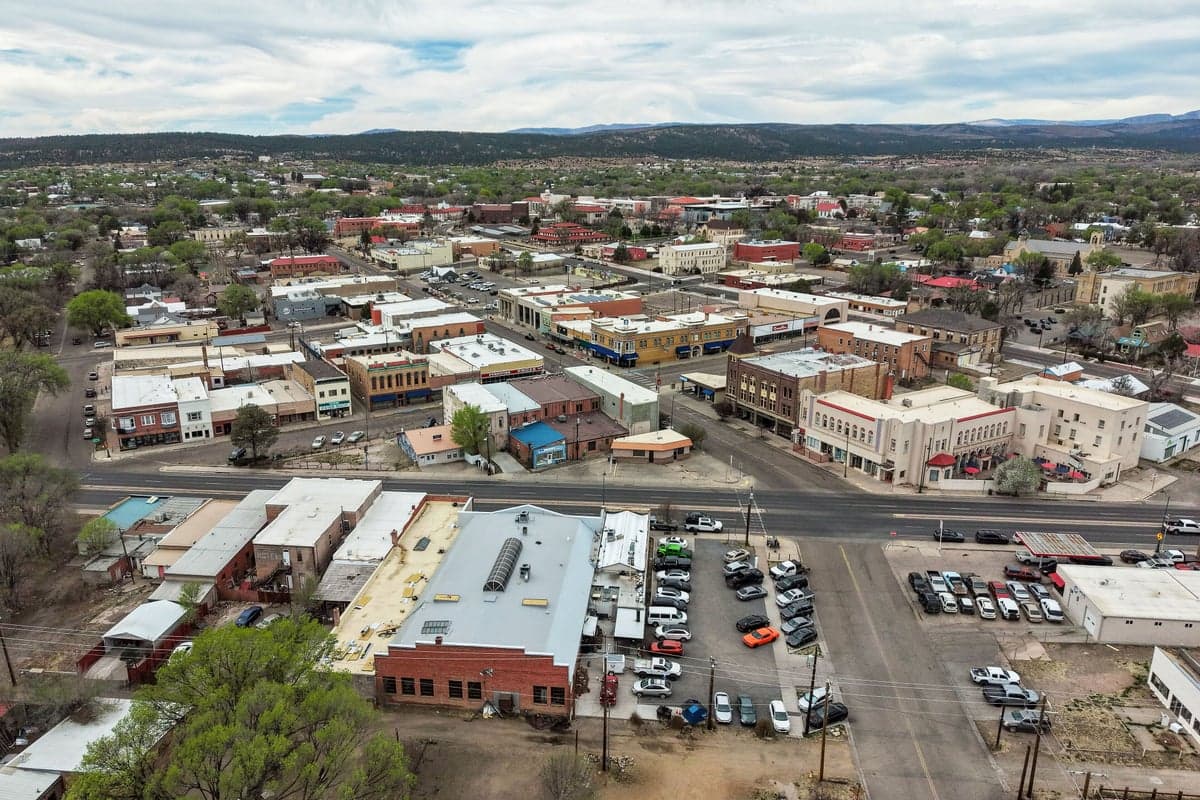
Living in Las Vegas, New Mexico, feels a bit like stepping into a time capsule that’s been lovingly maintained but never fully modernized. It’s a small, historic town of about 13,120 people, where the old Santa Fe Trail meets a fiercely independent, blue-collar spirit. You won’t find a shiny new strip mall or a booming tech sector here; instead, you’ll find a community that values quiet, affordability, and a pace of life that lets you actually breathe.
Daily Rhythm: What People Actually Do
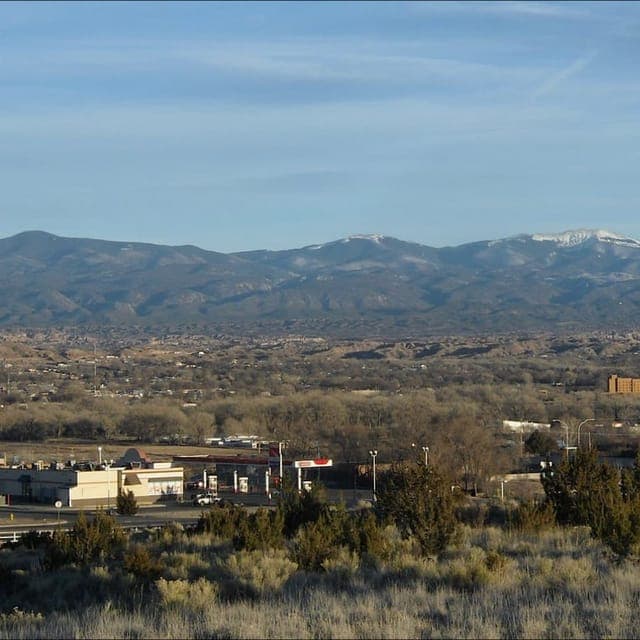
Most days here move slowly. People work in local healthcare, education (New Mexico Highlands University is a major employer), or the nearby state government in Santa Fe, about an hour’s drive west. The average commute is just over 23 minutes, which feels generous for a town this size — you’re not fighting traffic, you’re just driving. After work, you’ll see folks grabbing a beer at the Historic Plaza Hotel’s bar or catching a high school football game under the lights. Weekends are for the outdoors: hiking in the nearby Sangre de Cristo Mountains, fishing at Storrie Lake State Park, or just wandering the historic district’s adobe-lined streets. There’s no major mall; shopping is mostly at local grocery stores like Lowe’s Market or the occasional hardware store. For anything bigger, people drive to Santa Fe or even Albuquerque.
Sports & Community: Where the Town Gathers
High school sports are the heartbeat of Las Vegas. The Robertson High School Cardinals and West Las Vegas Dons draw huge crowds for football and basketball games — it’s where the whole town shows up, from grandparents to toddlers. The rivalry between the two schools is genuine and intense, a source of local pride that cuts across neighborhoods. There’s no pro sports team in town, but the New Mexico Highlands Cowboys and Cowgirls (NCAA Division II) provide a steady stream of basketball, soccer, and baseball games that are cheap, easy to attend, and a good way to meet people. If you’re not into sports, the annual Las Vegas Fiestas (usually in August) are the big community event — a mix of parades, live music, and food booths that feels like a throwback to small-town Americana.
What’s There to Do: Honest Entertainment
Entertainment here is low-key and local. The Rodeo de las Vegas is a genuine draw, bringing in cowboys and families from across the region. For music, the Ilfeld Auditorium on the university campus hosts concerts and plays, while the Plaza Hotel’s bar is the go-to spot for a drink and live local bands on weekends. Outdoor lovers have it good: the Gallinas River runs through town, offering easy fishing and walking trails, and the Pecos Wilderness is a 30-minute drive for serious hiking. But let’s be real — if you’re looking for a nightclub, a big concert venue, or a trendy restaurant, you’ll be disappointed. The dining scene is basic: a few solid Mexican spots like El Rialto (a historic diner) and Charlie’s Spic & Span, plus a couple of pizza joints. It’s not a foodie town, and that’s fine for most residents.
Pros and Cons of Living Here
What people love: The cost of living is genuinely low — a median home value of $143,900 and a cost-of-living index of 58 (42% below the national average) means you can actually own a house on a modest income. The median household income is $42,732, which goes a long way here. The community is tight-knit; neighbors know each other, and there’s a real sense of safety in that familiarity. The history is palpable — walking the old plaza feels like stepping into a Western film. The weather is another plus: four distinct seasons with mild summers and crisp, snowy winters, without the extreme heat of southern New Mexico.
What frustrates residents: The violent crime rate is a real concern — 785.8 per 100,000 residents, which is significantly higher than the national average. This isn’t a place where you leave your doors unlocked at night, and property crime is a persistent issue. The economy is limited; good jobs are scarce, and many residents commute to Santa Fe or work in lower-paying service roles. The median age of 42 reflects an older population, and only 27.7% of adults hold a college degree, which can make it hard to find a deep professional network. The town also struggles with a sense of stagnation — there’s not much new development, and the downtown has empty storefronts that can feel depressing. For families, the public schools are a mixed bag; they’re central to community life, but academic performance lags behind state averages, so some parents opt for private or charter options.
If you’re a single person looking for a vibrant social scene or a parent wanting top-tier schools, Las Vegas might feel limiting. But if you value affordability, quiet, and a community where people actually know your name, it’s a place that grows on you. It’s not for everyone — and that’s exactly why the people who stay, stay.

Similar towns to Las Vegas
* Values derived from national, state, county, city and local statistics and may differ in a specific area. Last updated: 2026-05-01T00:47:21.000Z
Narrative content on this page is AI-generated and may contain mistakes. Verify any details that matter before acting on them.
ReloMaps may earn a commission from affiliate links at no extra cost to you.

