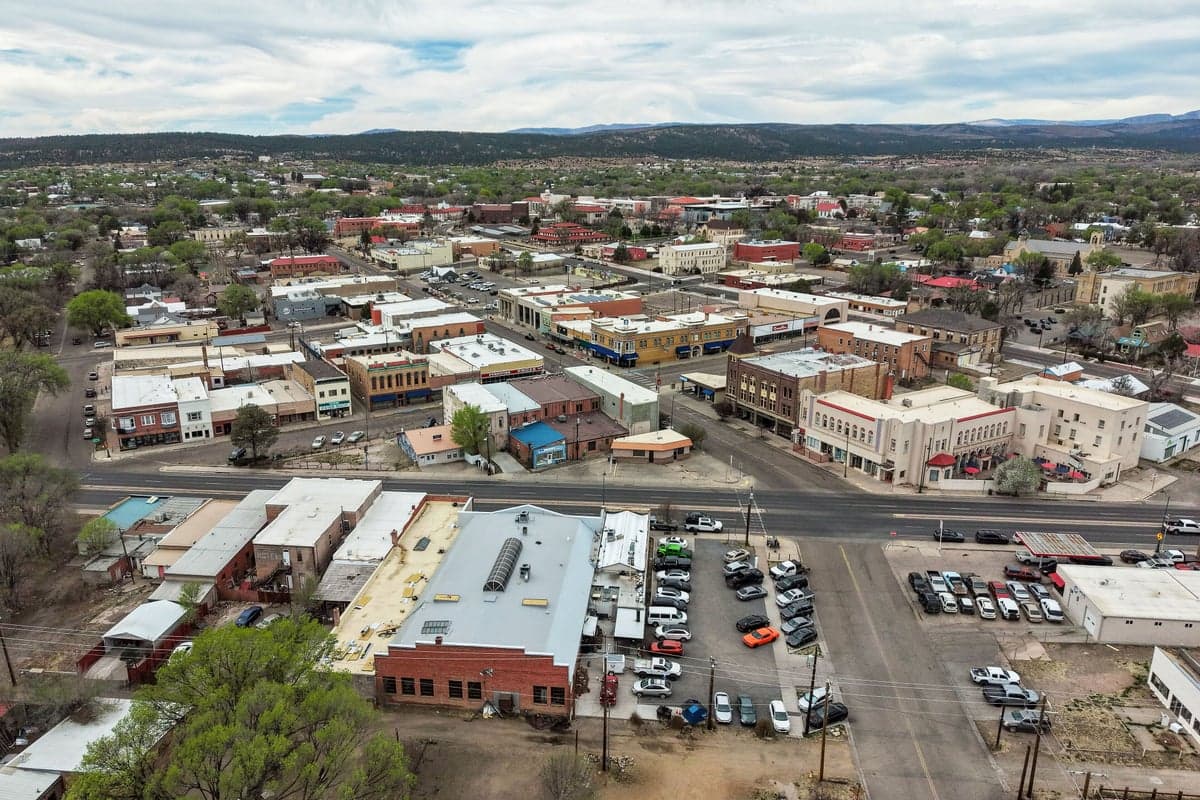


Photo: Wikipedia
Quality of Life in Las Vegas, NM
A high quality of life with strong walkability, manageable living costs, healthy neighborhood signals, and solid amenity access.
What does Quality of Life tell us?
Quality of Life blends cost of living, nearby amenities, socioeconomic signals, and neighborhood character. City-level scores represent the whole municipality; individual neighborhoods can differ.
What does this tell us?
Quality of Life blends cost of living, nearby amenities, socioeconomic signals, and neighborhood character. City-level scores represent the whole municipality; individual neighborhoods can differ.
Cost of Living
42% below national average
The Real Cost of Living in Las Vegas, NM for 2026
| Tier | Individual | Family (4) |
|---|---|---|
| Survival | $12k | $22k |
| Comfortable | $28k | $41k |
| Luxury | $77k+ | $119k+ |
| Elite (Top 5%) | $91k+ | $140k+ |
104%
The Area Signal
A metric tracking the socioeconomic signals of the area.
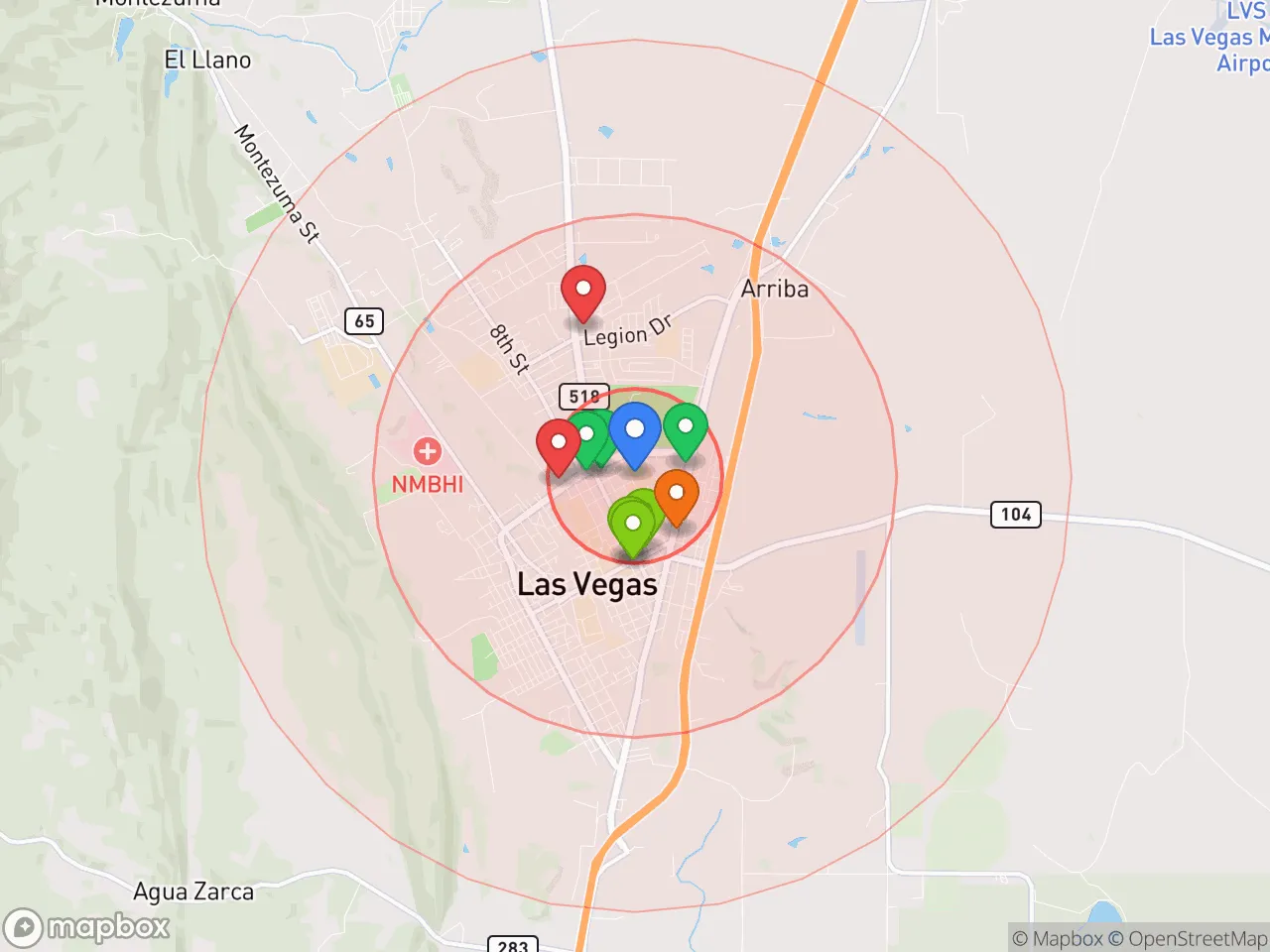
Hobbies
Explore the areaGroceries
1 within 10 miles
Gas
13 within 10 miles
Hospital
5 within 20 miles
Airport
LAS — Las Vegas Municipal
Post Office
USPS — Las Vegas, NM
Critical Amenities
Quality-of-Life Analysis
Las Vegas, New Mexico, offers a distinctly affordable quality of life that attracts a mix of retirees, remote workers, and artists seeking a slower pace and historic charm. With a cost of living index of 58—42% below the U.S. average—the area stands out as one of the most budget-friendly communities in the Southwest. The population skews older and more settled, with a notable presence of educators from New Mexico Highlands University and healthcare workers from the local hospital, alongside a growing number of out-of-state transplants drawn by the low housing costs and mountain scenery.
How housing costs and daily expenses compare to Santa Fe and Albuquerque
The most striking advantage of living in Las Vegas is its housing market. The median home value sits at $143,900, which is roughly one-third of the median in Santa Fe (around $450,000) and less than half of Albuquerque’s typical price. Renters also benefit significantly, with a median rent of just $731 per month—well below the state average of $1,100. This affordability extends to utilities, groceries, and transportation, all of which are priced below national norms. The average commute of 23 minutes is slightly longer than in larger cities due to the spread-out nature of the area, but it remains manageable and far shorter than the 30+ minute commutes common in Santa Fe or Albuquerque. For comparison, a household earning the median U.S. income of $75,000 would spend less than 25% of their income on housing here, freeing up funds for travel, savings, or local spending.
What daily life is like for families and remote workers
Daily life in Las Vegas revolves around a compact, walkable downtown with historic plazas, local cafes, and a growing arts scene anchored by the Las Vegas Arts Council and the Rodeo de las Vegas each summer. The public school system, part of Las Vegas City Schools, serves about 2,500 students and includes Robertson High School, which offers dual-credit programs with Highlands University. For families, the area’s low crime rate relative to larger New Mexico cities is a draw, though property crime is slightly above the national average. Remote workers benefit from reliable fiber-optic internet in most neighborhoods, though speeds can be slower in outlying areas. The town’s rhythm is unhurried—many businesses close by 6 p.m., and weekend mornings are often spent hiking in the nearby Gallinas Canyon or fishing at Storrie Lake State Park. Healthcare is adequate for routine needs, with the Alta Vista Regional Hospital providing emergency and primary care, but specialists require a 70-minute drive to Santa Fe.
This combination of extreme affordability, historic character, and outdoor access makes Las Vegas an ideal fit for retirees on fixed incomes, remote workers seeking a low-cost base, and artists or educators who value community over career hustle. It is less suited for young professionals seeking nightlife or high-end retail, or for families requiring frequent specialist medical care. For those who prioritize financial breathing room and a slower, community-oriented lifestyle, Las Vegas, NM, delivers a quality of life that is both unique and sustainable.

Crime in Las Vegas, NM
Generally safer than 56% of comparable U.S. locations.
Violent CrimeViolent Crime Analysis
Property CrimeProperty Crime Analysis
Crime Analysis
Las Vegas, New Mexico, reports a violent crime rate of 785.8 per 100,000 residents and a property crime rate of 1,690.6 per 100,000, placing it among the higher-risk communities in the state. These figures, drawn from the most recent FBI Uniform Crime Reporting data, indicate that the city faces significant public safety challenges that potential residents should weigh carefully. The combination of elevated violent crime and a progressive local justice system raises concerns about the effectiveness of law enforcement and prosecution in this small but troubled city.
Crime in context
Las Vegas's violent crime rate is more than double the national average of roughly 380 per 100,000 and significantly exceeds New Mexico's already high state average of approximately 780 per 100,000. Property crime, while lower than the state average of about 2,200 per 100,000, still sits well above the national benchmark of 1,954 per 100,000. The city's crime profile is driven largely by its location along the I-25 corridor, which facilitates drug trafficking and property theft, and by a local justice system that observers describe as lenient. San Miguel County, which encompasses Las Vegas, has a history of electing progressive district attorneys and judges who prioritize diversion programs and reduced sentencing over incarceration. This ideological approach, while sympathetic to offenders, has been linked to higher recidivism rates and a perception among residents that crime carries few consequences.
What residents experience
For those living in Las Vegas, the daily reality includes frequent property crimes such as vehicle break-ins, burglaries, and theft from porches and yards. Violent incidents, including aggravated assault and robbery, are concentrated in the downtown area and near the New Mexico Highlands University campus, though they can occur in residential neighborhoods as well. Residents report that police response times are often slow due to understaffing, and that prosecutors routinely plea down felony charges to misdemeanors, allowing repeat offenders to cycle back onto the streets quickly. This pattern erodes trust in the justice system and leaves victims feeling that their cases are not taken seriously. The city's small size—roughly 13,000 people—means that crime is not anonymous; many residents know the individuals involved, which can create a tense social atmosphere.
Neighborhood-level variation exists but is limited. The historic Old Town area and the more affluent residential streets near the golf course see lower crime rates, while the areas around the railroad tracks, the south side of the city, and the university district experience the highest concentrations of incidents. However, because Las Vegas is compact and the justice system's leniency affects the entire county, no neighborhood is truly insulated from the city's crime problems. Potential residents should research specific blocks and talk to local law enforcement or long-term residents before committing to a move. The overall safety picture is one of elevated risk compounded by a justice system that, in practice, prioritizes offender rehabilitation over public protection.
* Values derived from national, state, county, city and local statistics and may differ in a specific area. Last updated: 2026-05-01T00:47:21.000Z
Narrative content on this page is AI-generated and may contain mistakes. Verify any details that matter before acting on them.
ReloMaps may earn a commission from affiliate links at no extra cost to you.

