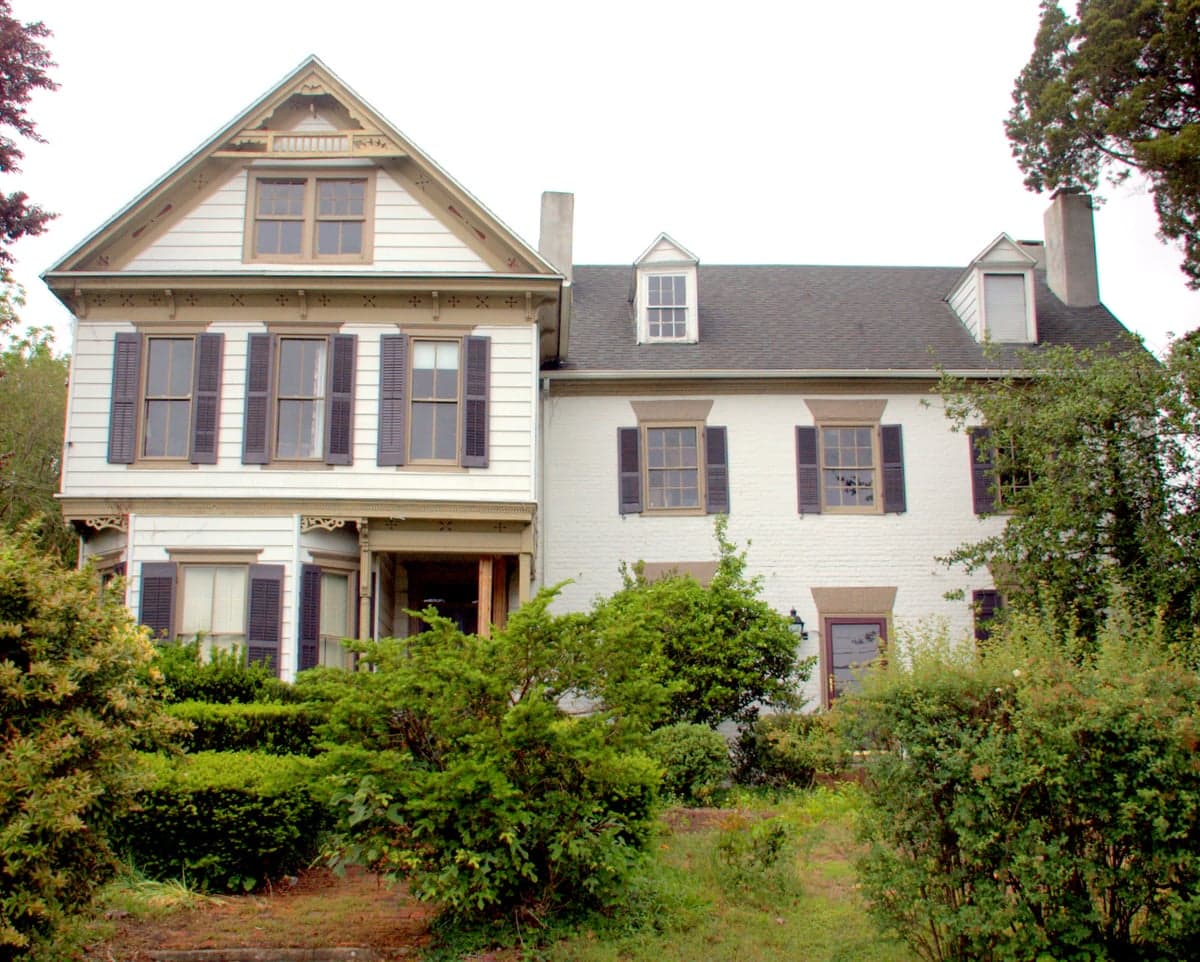
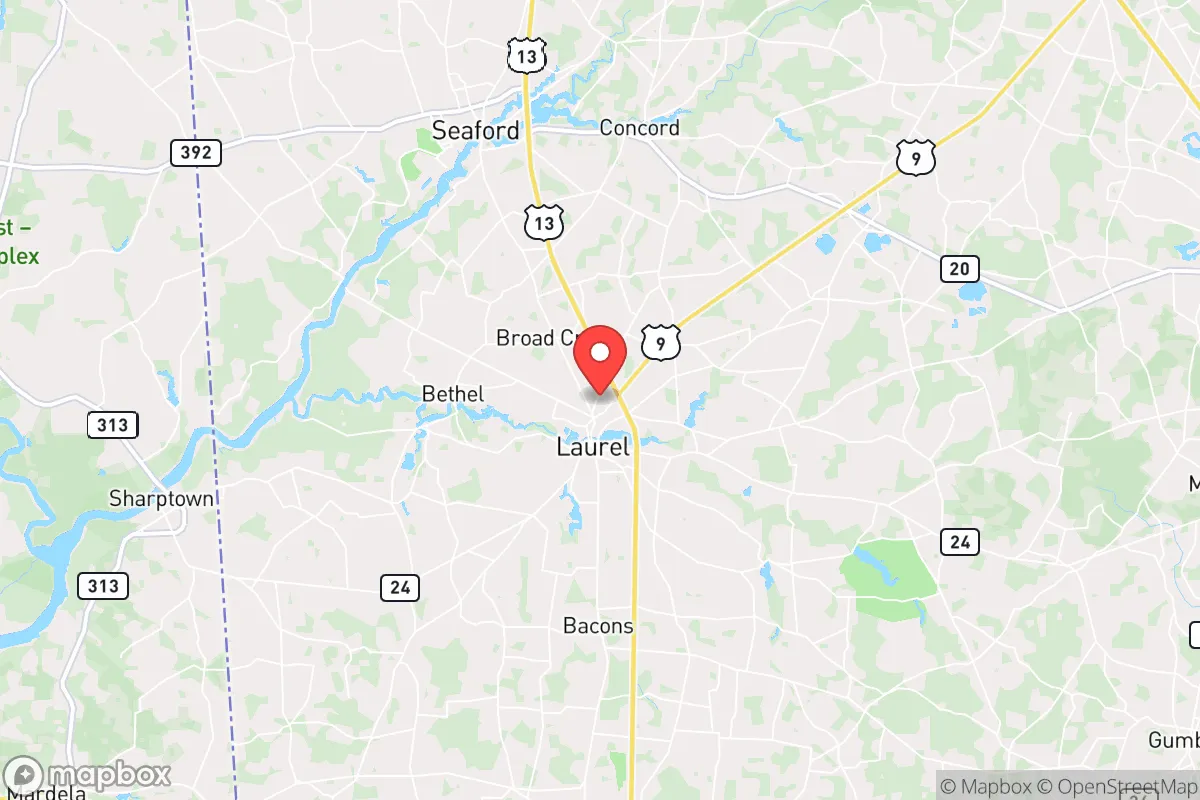
Photo: Wikipedia
Find The Best Places To Live
in Laurel
PRO TIP! You can paste a Zillow or Redfin link to get info on that property.
What It's Like Living in Laurel, DE
Laurel, Delaware, feels like a small town that time hasn’t quite forgotten, but it’s not stuck in the past—it’s just moving at its own pace. With a population just over 4,000, it’s the kind of place where you’ll wave at the same people at the PNC Bank and run into your kid’s teacher at the Wawa. It’s affordable, quiet, and deeply rooted in community, but it’s also a town with some real challenges, especially around safety and economic opportunity.
The Daily Rhythm: What Life Actually Looks Like
Weekdays in Laurel start early. The average commute clocks in at about 26 minutes, which means many residents are heading out to jobs in nearby Seaford, Georgetown, or even Salisbury, Maryland. The biggest local employers are in manufacturing and agriculture—Perdue Farms and Mountaire Farms have a heavy presence here, and you’ll see plenty of trucks hauling poultry and produce. For most people, the day ends with a stop at the Food Lion or a quick dinner at one of the local spots like El Nopal for Mexican food or Laurel House Restaurant for classic American fare. Weekends are slower: families hit up the Laurel Riverfront Park for a walk along the Nanticoke River, or head to Trap Pond State Park about 15 minutes north for kayaking and hiking. There’s no mall, no movie theater, no big-box nightlife—entertainment is DIY, and people are fine with that.
Who Fits In Here—And Who Might Not
Laurel is a working-class town with a median household income of $44,593 and a cost of living index of 75, well below the national average. That means your dollar stretches further here than in almost any other part of the Mid-Atlantic. The median home value sits at $192,700, so first-time buyers or families on a single income can actually afford a house with a yard. The kind of person who thrives here is someone who values low overhead and doesn’t need constant stimulation—someone who’s okay driving 20 minutes for a Target run or a sit-down dinner that isn’t a chain. It’s also a young town: the median age is just 30, and you’ll see a lot of families with small kids, though the college-educated rate is only 6.8%, which reflects the area’s heavy reliance on trade and labor jobs. If you’re a remote worker or a retiree looking for cheap land, you’ll fit in fine. If you’re looking for nightlife, a foodie scene, or intellectual community, you’ll be frustrated.
Sports, Community, and What People Actually Do for Fun
High school sports are a big deal here—Laurel High School’s football and basketball games draw solid crowds, and the town rallies around the Bulldogs. There’s no pro team within an hour, so the local team is the main event. The biggest annual gathering is the Laurel Independence Day Celebration, which includes a parade, fireworks, and a carnival that pretty much everyone attends. The Laurel Riverfront Park is the social hub in warmer months, with a playground, picnic areas, and a boat ramp for the Nanticoke. For music, you’re looking at small-town festivals and church events—there’s no dedicated music venue, but the nearby Freeman Stage in Selbyville (about 25 minutes away) brings in touring acts during the summer. Hunting and fishing are popular pastimes, and you’ll see plenty of pickup trucks with gun racks and fishing rods. The cultural vibe is conservative, traditional, and family-oriented—think church suppers, VFW bingo, and Little League games.
The Honest Pros and Cons of Living in Laurel
What longtime residents love: the low cost of living, the quiet pace, and the sense that people look out for each other. You can leave your doors unlocked in some neighborhoods, and neighbors will bring over a casserole if someone’s sick. The schools are small—Laurel School District has about 2,000 students—so teachers know your kid by name. The proximity to the Delaware beaches (about 40 minutes to Bethany Beach) is a huge plus for summer weekends.
What frustrates people: the lack of jobs that pay above the median, the limited shopping and dining, and the crime. The violent crime rate here is 1,413.1 per 100,000—more than three times the national average—and it’s concentrated in certain pockets, but it’s a real concern for families. Property crime is also an issue. The weather is typical Delmarva: hot, humid summers, mild winters, and the occasional nor’easter that floods low-lying areas near the river. There’s no major hospital in town—the closest ER is in Seaford, about 10 miles away. And if you’re not into hunting, fishing, or church, you might find the social scene thin.
Practical Realities: Traffic, Weather, and Schools
Traffic is almost nonexistent by city standards—the main drag, US-13, can get backed up during rush hour, but you’ll never sit in gridlock. The biggest seasonal annoyance is summer tourist traffic heading to the beaches, which can add 15-20 minutes to a trip east on Route 24. Winters are mild, with maybe one or two snow days a year, but summer humidity is brutal—air conditioning is non-negotiable. The Laurel School District is the heart of the community; it’s not highly ranked academically compared to northern Delaware districts, but it’s stable and well-supported locally. Many parents choose to send kids to private or charter schools in Seaford or Georgetown if they can afford it. Overall, Laurel offers a low-cost, low-stress lifestyle for people who don’t need much—but it demands that you bring your own entertainment and keep an eye on your surroundings.

Similar small towns to Laurel
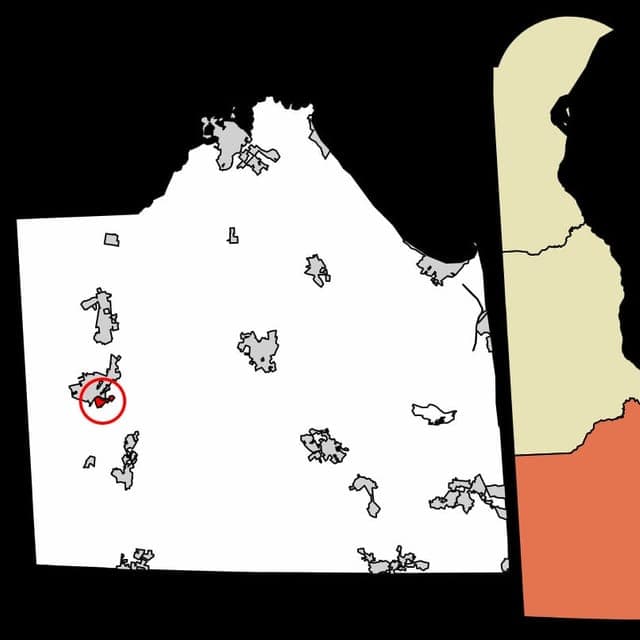
* Values derived from national, state, county, city and local statistics and may differ in a specific area. Last updated: 2026-04-29T22:48:57.000Z
Narrative content on this page is AI-generated and may contain mistakes. Verify any details that matter before acting on them.
ReloMaps may earn a commission from affiliate links at no extra cost to you.

