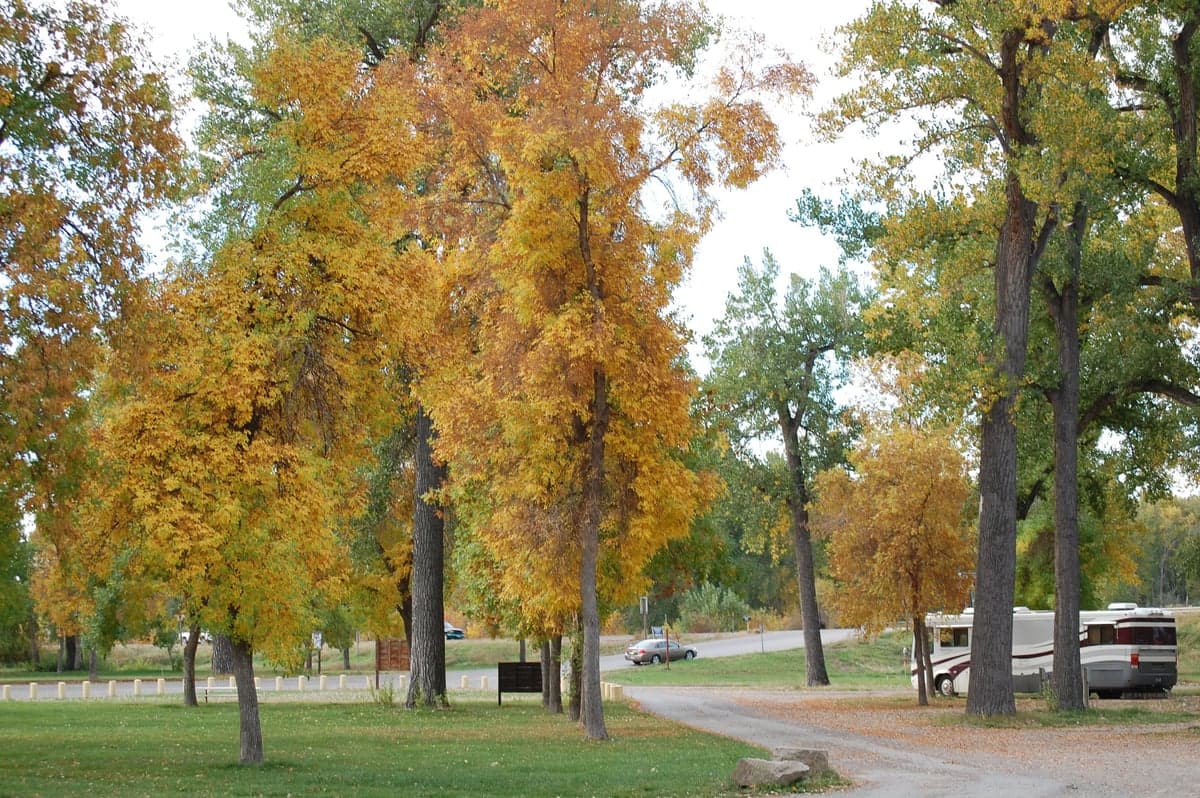
Photo: Wikipedia
Quality of Life in Laurel, MT
A high quality of life with strong walkability, manageable living costs, healthy neighborhood signals, and solid amenity access.
What does Quality of Life tell us?
Quality of Life blends cost of living, nearby amenities, socioeconomic signals, and neighborhood character. City-level scores represent the whole municipality; individual neighborhoods can differ.
What does this tell us?
Quality of Life blends cost of living, nearby amenities, socioeconomic signals, and neighborhood character. City-level scores represent the whole municipality; individual neighborhoods can differ.
Cost of Living
18% below national average
The Real Cost of Living in Laurel, MT for 2026
| Tier | Individual | Family (4) |
|---|---|---|
| Survival | $15k | $29k |
| Comfortable | $45k | $66k |
| Luxury | $117k+ | $182k+ |
| Elite (Top 5%) | $138k+ | $214k+ |
100%
The Area Signal
A metric tracking the socioeconomic signals of the area.
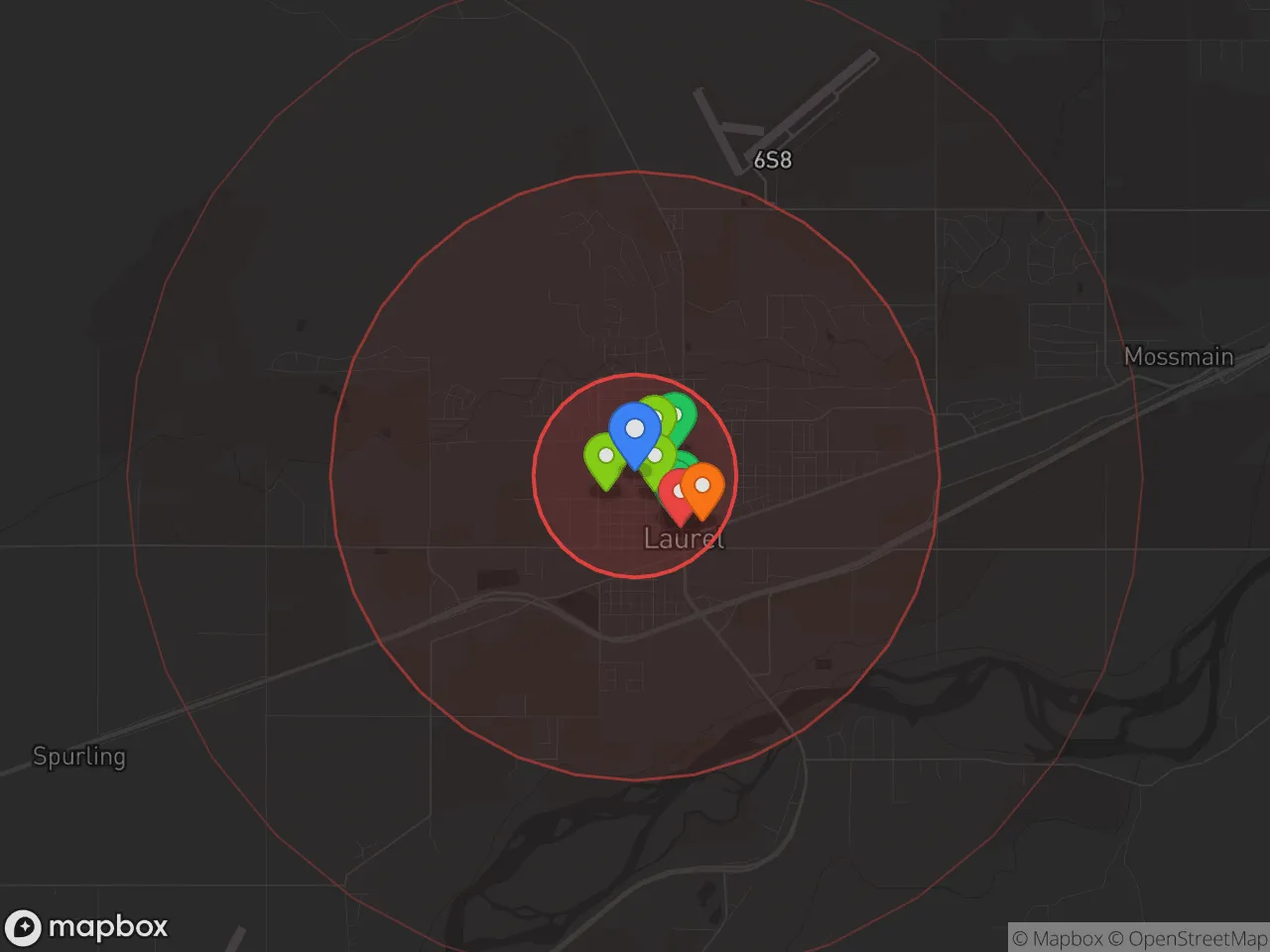
Hobbies
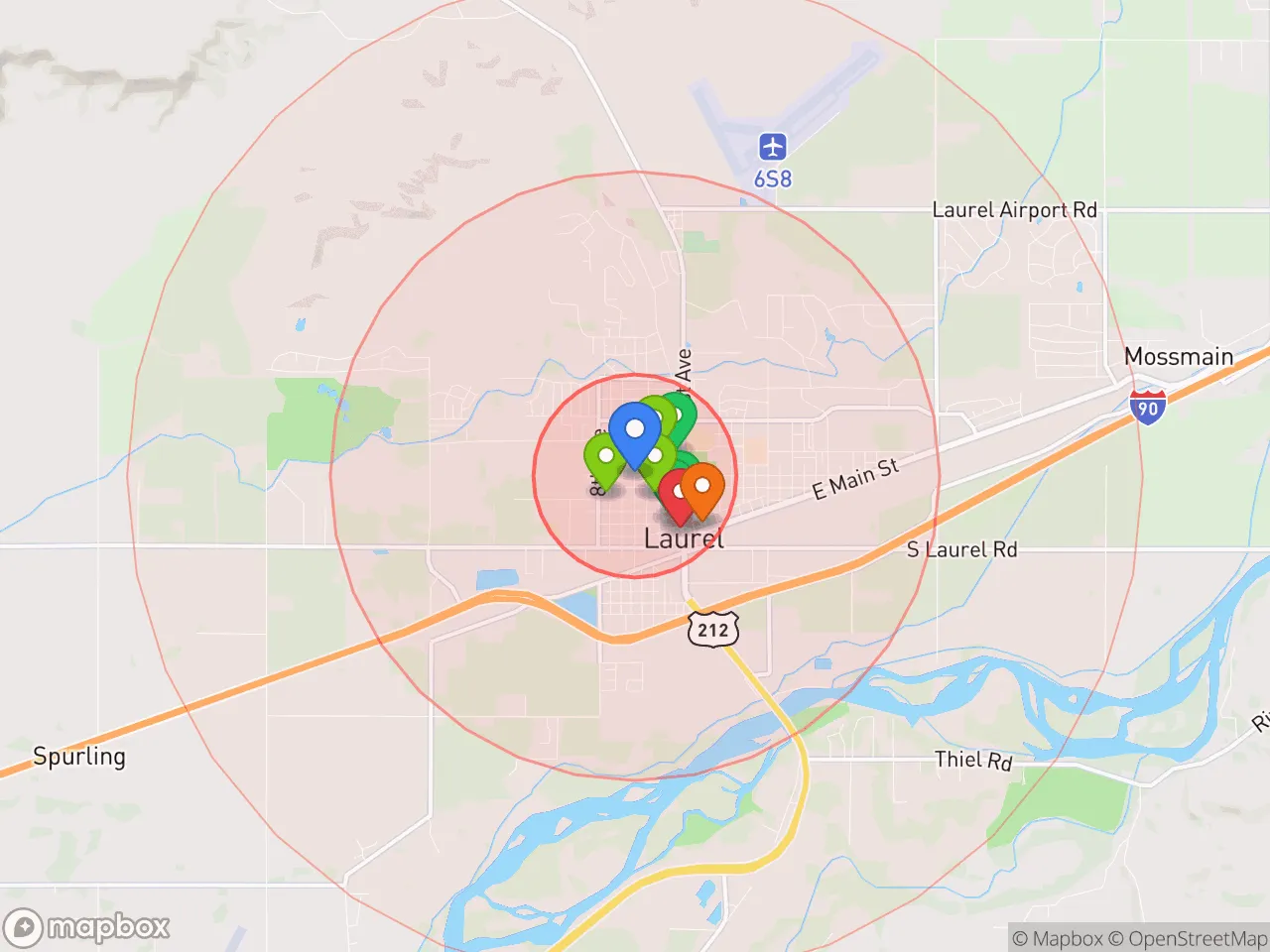
Explore the areaGroceries
3 within 10 miles
Gas
18 within 10 miles
Hospital
3 within 20 miles
Airport
SLC — Salt Lake City International
Post Office
USPS — Laurel, MT
Critical Amenities
Quality-of-Life Analysis
Laurel, Montana, offers a notably affordable quality of life with a cost of living index of 82—well below the national average of 100—making it an attractive option for families, tradespeople, and remote workers seeking a quieter, more budget-friendly alternative to Billings. The city’s population skews toward middle-income households and retirees, drawn by the combination of lower expenses and access to outdoor recreation along the Yellowstone River. While Laurel is not a wealthy enclave, its housing market remains accessible compared to many Western Montana towns, and the community’s blue-collar roots are evident in its local businesses and annual events like the Laurel Days celebration.
Cost of living, housing affordability, and how Laurel compares to Billings
Laurel’s cost of living index of 82 translates to significant savings for residents, particularly in housing. The median home value sits at $232,700, roughly 30% lower than the national median and substantially less than Billings’ median of around $350,000. Renters also benefit, with a median rent of $953—about $200 less per month than in Billings. The average commute of 19 minutes is notably shorter than the national average of 26 minutes, a practical advantage for those working in Laurel’s industrial sector (e.g., the CHS refinery) or commuting east to Billings. Property taxes in Yellowstone County are moderate, and utilities tend to be lower than in more remote mountain towns, further stretching household budgets. However, wages in Laurel lag behind Billings, so the affordability advantage is most pronounced for those who can work remotely or commute to higher-paying jobs in the larger city.
Local amenities, schools, and the daily rhythm of life in Laurel
Daily life in Laurel centers on a compact downtown with locally owned shops, a grocery co-op, and casual dining spots like the Laurel Bar & Grill. The city’s school system, Laurel Public Schools, serves about 2,000 students and earns above-average ratings for Montana, with Laurel High School offering dual-credit programs and a strong FFA chapter. For recreation, residents have direct access to the Yellowstone River for fishing and floating, plus nearby trails at the Laurel City Park and the 4-mile Riverfront Trail. The community’s pace is slower than Billings, with fewer chain retailers and entertainment options—most residents drive 15 minutes to Billings for major shopping, healthcare, or cultural events like the MontanaFair. The local hospital, Stillwater Billings Clinic, provides primary and emergency care, but specialists require a trip to Billings. The overall rhythm is quiet and family-oriented, with strong participation in youth sports, church activities, and the annual Laurel Rodeo.
Laurel is best suited for those who prioritize affordability and a slower pace over urban amenities. Families with school-age children will find a solid public school system and safe neighborhoods, while remote workers and retirees can stretch their income further than in Billings or Bozeman. Commuters who work in Billings but want lower housing costs will appreciate the short drive, though those seeking nightlife, fine dining, or a diverse cultural scene may find Laurel too limited. For anyone comfortable with a small-town, blue-collar atmosphere and proximity to outdoor recreation, Laurel delivers a practical, cost-effective quality of life that is increasingly rare in the Mountain West.

Crime in Laurel, MT
Generally safer than 67% of comparable U.S. locations.
Violent CrimeViolent Crime Analysis
Property CrimeProperty Crime Analysis
Crime Analysis
Laurel, Montana, presents a mixed safety profile that demands careful consideration from potential residents. While the town’s violent crime rate of 303.1 per 100,000 residents is slightly below the national average, its property crime rate of 3,100 per 100,000 is significantly elevated—roughly 50% higher than the U.S. median. This combination means that while violent encounters are less common than in many peer communities, the risk of theft, burglary, and vehicle break-ins is a tangible daily concern.
Crime in context
To understand Laurel’s numbers, it helps to compare them to broader benchmarks. The national violent crime rate sits near 380 per 100,000, placing Laurel’s 303.1 figure about 20% lower. However, Montana’s statewide violent crime rate is roughly 290 per 100,000, meaning Laurel is essentially in line with the rest of the state. The property crime picture is more troubling: Montana’s statewide rate hovers around 2,200 per 100,000, making Laurel’s 3,100 figure nearly 40% higher. This disparity suggests that property crimes—particularly thefts from vehicles and unsecured outbuildings—are a persistent issue. It is worth noting that Laurel falls within Yellowstone County, which is part of the broader Billings metropolitan area. Larger metro areas, especially those with liberal and progressive judges and district attorneys, often see elevated recidivism and softer sentencing, which can directly increase the number of criminals on the street and undermine public safety. While Yellowstone County’s judiciary is not uniformly progressive, the proximity to Billings’ urban justice system may influence regional crime patterns.
What residents experience
For those living in Laurel, the daily reality is shaped more by property crime than by violent threats. Residents commonly report theft from vehicles, package theft from porches, and occasional burglaries of sheds or garages. The town’s layout—with many homes backing onto alleys or open lots—can make opportunistic theft easier. Violent crime, while less frequent, does occur and is often linked to domestic disputes or alcohol-related incidents. Laurel’s police department maintains a visible presence, but with limited staffing, response times for non-emergency property crimes can stretch. The town’s proximity to Interstate 90 also means that transient populations and drug-related activity occasionally filter through, adding another layer of concern for long-term residents.
Neighborhood-level variation is modest but worth noting. Older, established areas near downtown Laurel tend to have slightly higher property crime rates, likely due to easier access and older security infrastructure. Newer subdivisions on the town’s outskirts, such as those near the Yellowstone River or along the South Hills, generally report fewer incidents. Gated communities or homes with visible security systems are uncommon, so proactive measures—like outdoor lighting, security cameras, and neighborhood watch participation—are strongly recommended. Overall, Laurel offers a relatively safe environment for families and retirees who take sensible precautions, but the elevated property crime rate and the broader metro-area justice system dynamics mean that complacency is not advised.
* Values derived from national, state, county, city and local statistics and may differ in a specific area. Last updated: 2026-04-30T07:50:24.000Z
Narrative content on this page is AI-generated and may contain mistakes. Verify any details that matter before acting on them.
ReloMaps may earn a commission from affiliate links at no extra cost to you.

