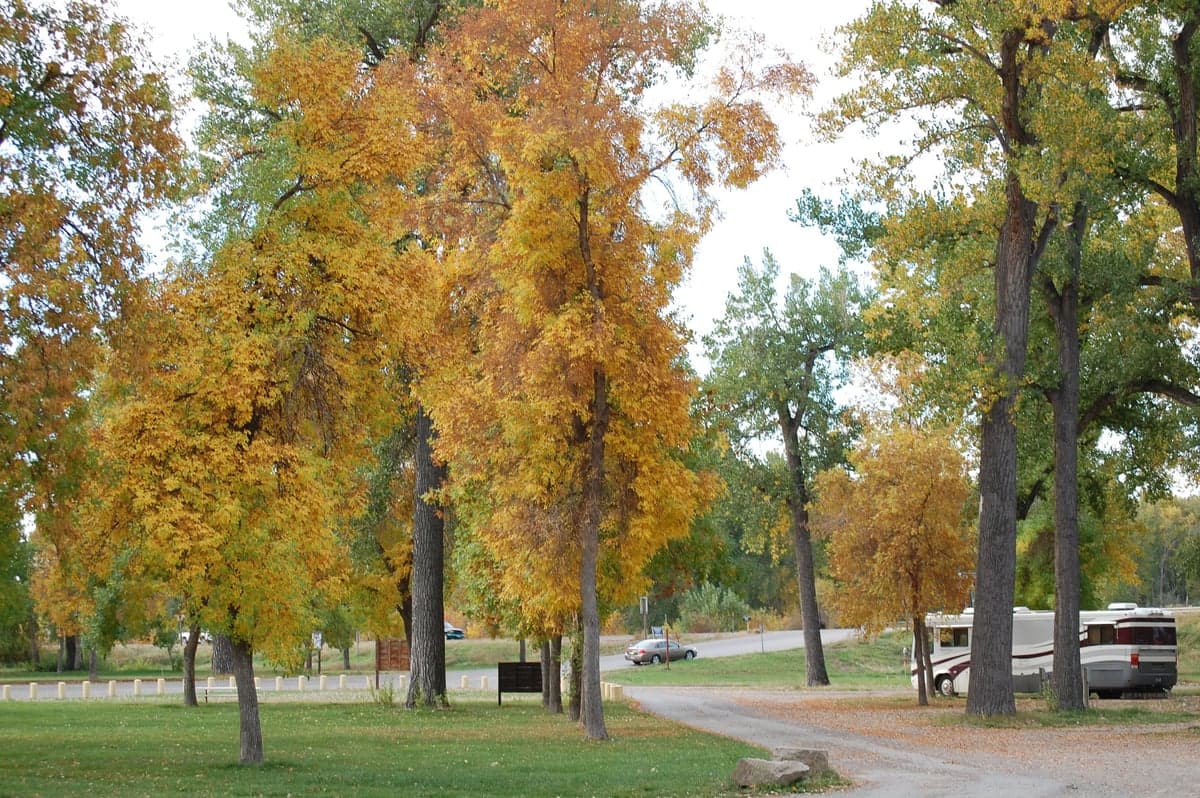
Photo: Wikipedia
Find The Best Places To Live
in Laurel
PRO TIP! You can paste a Zillow or Redfin link to get info on that property.
What It's Like Living in Laurel, MT
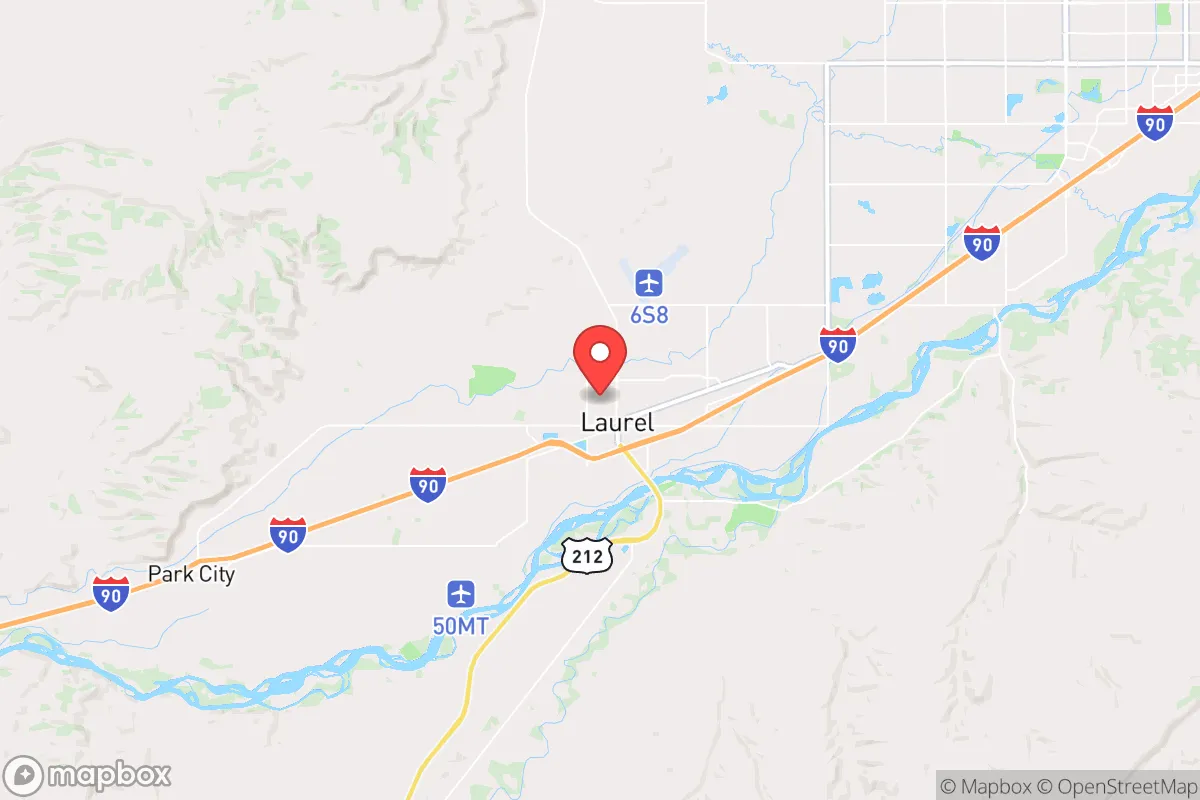
Laurel, Montana, feels like the kind of town where everybody knows your name—or at least your truck. Sitting just 15 minutes west of Billings along the Yellowstone River, it’s a classic railroad and refinery town that’s big enough to have its own identity but small enough that you’ll wave at the same people at the grocery store and the high school football game. With a population hovering around 7,200, Laurel offers a slower, more predictable pace than its bigger neighbor, but it’s not without its own set of trade-offs.
The Daily Rhythm: Work, School, and the Weekend
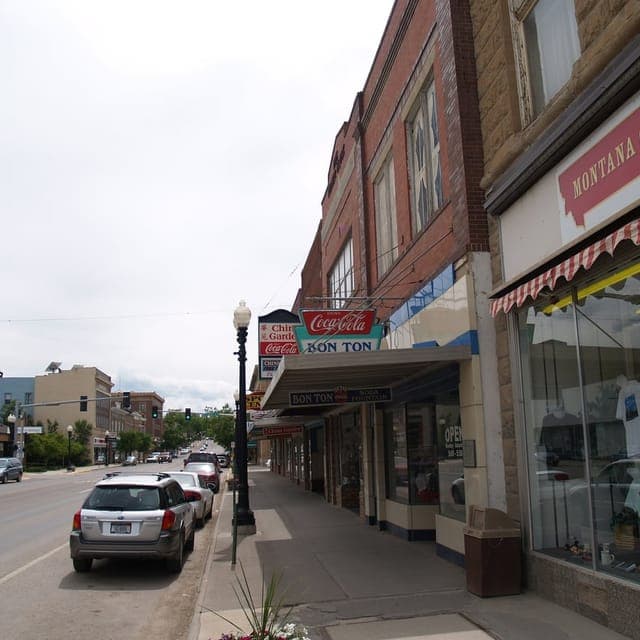
Most mornings in Laurel start early. The CHS Refinery and the BNSF Railway yards are the two biggest employers in town, and they run on shifts that start before dawn. That means the coffee shops—like the popular Brewed Awakening on Main Street—are buzzing by 6 a.m. with guys in Carhartts and office workers grabbing a quick breakfast burrito. The average commute is just over 19 minutes, which for most people means a straight shot down I-90 or a short drive across town. If you work in Billings, that commute is a breeze compared to bigger cities, but you’ll still be sharing the interstate with semi-trucks hauling fuel and grain.
Weekends here are about getting outside or getting things done. You’ll see families loading up kayaks for the Yellowstone River, which runs right through town, or heading to Laurel City Park for a little league game. The high school football games on Friday nights are a genuine community event—the Locomotives (yes, named after the trains) draw a crowd that rivals some small-college games. For a town this size, sports are a big deal: basketball and wrestling also pack the gym, and the local booster club keeps the concession stands running all winter.
What’s There to Do: Eats, Drinks, and Local Color
Laurel isn’t a nightlife destination, but it has a few solid spots. The Sassy Biscuit is a local favorite for breakfast and lunch, known for its hearty portions and homemade cinnamon rolls. For dinner, Laurel Country Club has a surprisingly good steak night, and Pug’s Pub is the go-to for a cold beer and a game of pool. The Laurel Golf Club is a nine-hole course that’s affordable and well-maintained—don’t expect country-club pretension, just a bunch of locals hacking around on a summer evening.
The big annual event is Laurel Days, usually in late July, which includes a parade, a carnival, and a demolition derby that draws folks from all over the county. It’s the kind of festival where the whole town shuts down and everyone shows up. For music and bigger entertainment, most people drive the 20 minutes to Billings for concerts at the MetraPark Arena or the Alberta Bair Theater. Outdoor enthusiasts will find the Beartooth Mountains about an hour southwest, offering world-class hiking, fishing, and camping—but that’s a day trip, not an after-work activity.
Pros and Cons of Living in Laurel
What longtime residents love:
- Affordability. The cost of living index sits at 82—well below the national average—and the median home value is around $232,700. That’s a price point that feels almost impossible in many parts of the country, and it means a young family or a single person can actually buy a house here.
- Community feel. People look out for each other. If your car breaks down on the side of the road, someone will stop. The schools—Laurel Public Schools—are a central part of that identity, with strong parent involvement and a sense that the teachers know your kid by name.
- Low traffic. Outside of the occasional train blocking a crossing (which happens more than you’d think), traffic is nonexistent. You can get from one end of town to the other in under 10 minutes.
What frustrates them:
- Limited job diversity. If you’re not in refining, rail, or healthcare (the hospital in Billings is the region’s largest employer), options are thin. The median household income is $66,382, which is decent for the area, but many jobs are tied to industries that can be boom-and-bust.
- Crime concerns. The violent crime rate is 303.1 per 100,000—higher than the national average. Most of it is property crime and domestic incidents, but it’s something residents mention when comparing Laurel to smaller, more rural towns in the county.
- Weather extremes. Winters are cold and snowy, with temperatures frequently dropping below zero. Summers can hit the high 90s. The wind—especially in spring and fall—can be relentless, and it’s not uncommon to lose power during a blizzard.
Who Fits In Here
Laurel tends to attract people who value stability over excitement. The median age is 36.6, which is right in line with the national average, but the town skews toward families and tradespeople. Only about 20% of adults have a college degree, so this isn’t a place full of remote workers or tech startups. It’s a blue-collar, conservative-leaning community where people take pride in working with their hands and raising their kids in a place where they can ride bikes to the park without worrying too much. If you’re a single person looking for a vibrant dating scene or a thriving arts culture, you’ll probably find Laurel too quiet. But if you want a safe, affordable basecamp for exploring Montana’s outdoors—and you don’t mind the smell of the refinery on a still morning—it’s a solid choice.

Similar small towns to Laurel
* Values derived from national, state, county, city and local statistics and may differ in a specific area. Last updated: 2026-04-30T07:50:24.000Z
Narrative content on this page is AI-generated and may contain mistakes. Verify any details that matter before acting on them.
ReloMaps may earn a commission from affiliate links at no extra cost to you.

