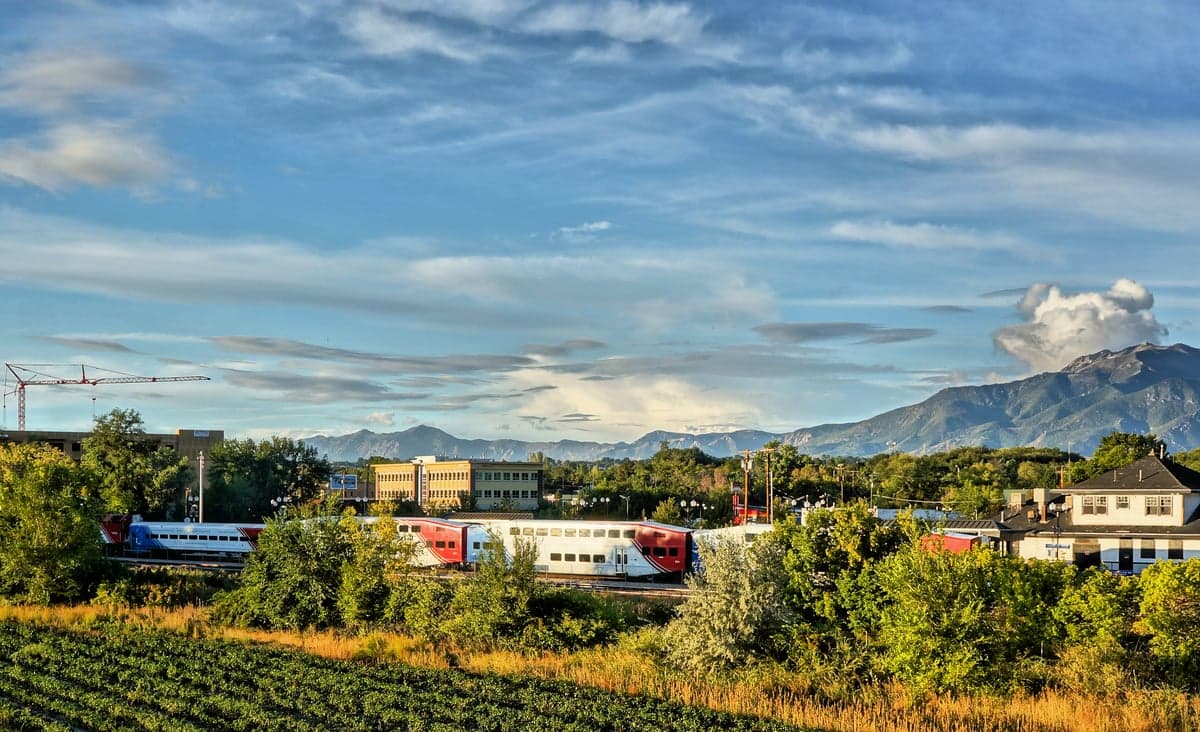
Photo: Wikipedia
Personal Sovereignty in Layton, UT
Viable for self-reliance. Generally workable, though some barriers may limit total independence.
What does Personal Sovereignty tell us?
Personal Sovereignty measures your capacity for self-reliance and independence with minimal government friction. Higher scores mean fewer barriers between you and the way you want to live... but it assumes you have the space you need and good neighbors.
What does this tell us?
Personal Sovereignty measures your capacity for self-reliance and independence with minimal government friction. Higher scores mean fewer barriers between you and the way you want to live... but it assumes you have the space you need and good neighbors.
State Policy
Energy independence: Self-sufficient (80% of energy produced in-state)
Personal Liberty
Homesteading

Personal Liberty Analysis
Layton, Utah, offers a notably high degree of personal sovereignty compared to many urbanized areas along the Wasatch Front, largely due to Utah’s strong state-level protections for individual rights and a culture that prizes self-reliance. While no city is a libertarian utopia, Layton’s blend of conservative governance, low regulatory friction, and a community ethos that respects personal autonomy makes it a serious consideration for those prioritizing freedom from government overreach. The key is understanding where the state’s constitutional framework and local ordinances align—or clash—with a survivalist or prepper mindset.
Tax burden and regulatory posture: How Utah’s policies affect your autonomy
Utah’s tax structure is deliberately designed to minimize the state’s claim on your income and property, which directly supports personal sovereignty. The state levies a flat 4.85% individual income tax and a state sales tax rate of 4.85% (with local options pushing Layton’s total to around 7.1%), but there is no state property tax—only local property taxes apply. In Davis County, where Layton sits, the effective property tax rate hovers around 0.6% of assessed value, which is well below the national average. This means less of your hard-earned money is funneled into government programs you may not support. On the regulatory front, Utah is a “right-to-work” state with a generally pro-business climate, meaning fewer occupational licensing hurdles and less bureaucratic red tape for starting a side business or operating a home-based enterprise—critical for those seeking economic independence. However, Layton is not a free-for-all: the city enforces standard zoning codes and building permits, and the state’s strict air quality regulations (due to inversion issues) can limit certain outdoor burning or industrial activities. Overall, the tax and regulatory environment leans heavily toward personal fiscal freedom, but you’ll still need to navigate local ordinances that prioritize suburban order over absolute autonomy.
Self-defense and gun law specifics: What you can and cannot do in Layton
For those concerned with the right to defend themselves, family, and property, Utah is one of the most firearm-friendly states in the nation, and Layton reflects that culture. Utah is a constitutional carry state—no permit is required to carry a concealed firearm for anyone 21 or older who can legally possess a gun. Open carry is also legal without a permit. The state preempts local gun ordinances, meaning Layton cannot enact its own bans on firearms, magazines, or ammunition types. This is a critical protection against the patchwork of local restrictions seen in states like California or Colorado. Stand-your-ground laws are in effect, with no duty to retreat in any place where you have a legal right to be. Castle doctrine protections extend to your home, vehicle, and occupied structure. For preppers, this means you can legally stockpile firearms and ammunition without fear of local confiscation orders. The only notable limitation: Utah does require a permit for carrying a loaded firearm in a vehicle without a concealed carry permit (though unloaded and secured is fine), and certain locations like federal buildings and schools are off-limits. But compared to most of the country, Layton offers near-maximum latitude for armed self-defense.
Self-reliance and homesteading viability: Lot sizes, zoning, and off-grid feasibility
Layton’s suburban character presents both opportunities and constraints for those seeking a self-reliant lifestyle. The city is largely built out with standard residential lots averaging 0.15 to 0.25 acres in established neighborhoods, though some newer developments on the east bench offer lots up to half an acre. Zoning codes in Layton are typical for a bedroom community: chickens are generally allowed (hens only, no roosters) on lots of sufficient size, but livestock like goats or pigs are prohibited within city limits. For serious homesteading—think large gardens, rainwater catchment, or solar panels—you’ll likely need to look at unincorporated Davis County or neighboring communities like Kaysville or Fruit Heights, where lot sizes increase and zoning relaxes. Off-grid living is not feasible within Layton proper: the city requires connection to municipal water and sewer, and building codes mandate grid-tied electrical systems for new construction. However, Utah’s net metering policy allows you to install solar panels and sell excess power back to the grid, reducing reliance on utility companies. For those willing to commute, the surrounding rural areas of Morgan County or Box Elder County offer acreage, fewer restrictions, and a more permissive environment for off-grid setups. In Layton itself, you can achieve a high degree of self-reliance through gardening, food preservation, and emergency preparedness, but full independence from municipal infrastructure is not realistic within city limits.
Personal liberties: Parental rights, medical autonomy, speech, and property
Utah has become a national leader in protecting parental rights, which directly impacts family sovereignty. The state’s Parental Rights in Education law (HB 331) requires schools to notify parents of any changes in a student’s emotional or physical health, and parents have the right to opt their children out of any curriculum or activity they find objectionable. This is a significant check on government overreach into family matters. Medical autonomy is more mixed: Utah has not mandated COVID-19 vaccines for children or adults, and the state legislature has passed laws prohibiting vaccine passports and discrimination based on vaccination status. However, Utah’s childhood immunization requirements for school entry are relatively strict, with only medical and religious exemptions (no philosophical exemption). On speech and assembly, Utah’s constitution provides strong protections, and Layton has no local ordinances restricting political expression or public gatherings. Property rights are robust: Utah is a “Dillon’s Rule” state, meaning local governments have only the powers explicitly granted by the state, which limits the ability of cities like Layton to impose rent control, restrictive land-use policies, or excessive fees. Eminent domain abuse is rare, and the state’s “private property rights protection act” requires just compensation for any regulatory taking. For those wary of government overreach, these protections create a buffer against the kind of top-down mandates seen in more progressive states.
In the broader landscape of American personal sovereignty, Layton ranks well above average. It offers the legal framework for self-defense, low taxes, strong parental rights, and a culture that respects individual choice—all within a state that has resisted many of the federal overreaches seen elsewhere. The trade-offs are the suburban zoning constraints and the need to connect to municipal utilities, which limit full off-grid independence. For a single individual or family with a survivalist mindset, Layton provides a solid base of operations: you can legally arm yourself, keep your earnings, raise your children according to your values, and prepare for emergencies without constant government interference. If you need absolute autonomy with no municipal strings attached, you’ll want to look further into Utah’s rural counties. But for those who want a balance of community infrastructure and personal freedom, Layton is a strong contender in the current American landscape.

* Values derived from national, state, county, city and local statistics and may differ in a specific area. Last updated: 2026-05-03T20:34:27.000Z
Narrative content on this page is AI-generated and may contain mistakes. Verify any details that matter before acting on them.
ReloMaps may earn a commission from affiliate links at no extra cost to you.

