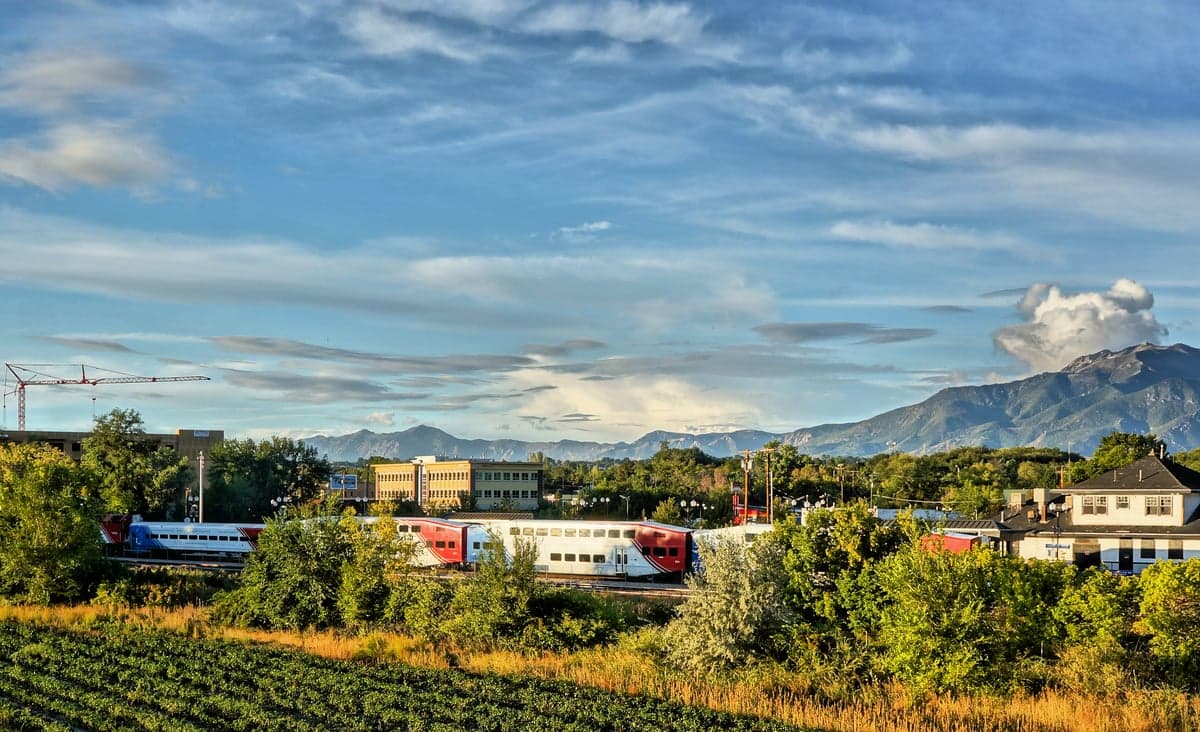
Photo: Wikipedia
Political ClimatePolitical Climate in Layton, UT
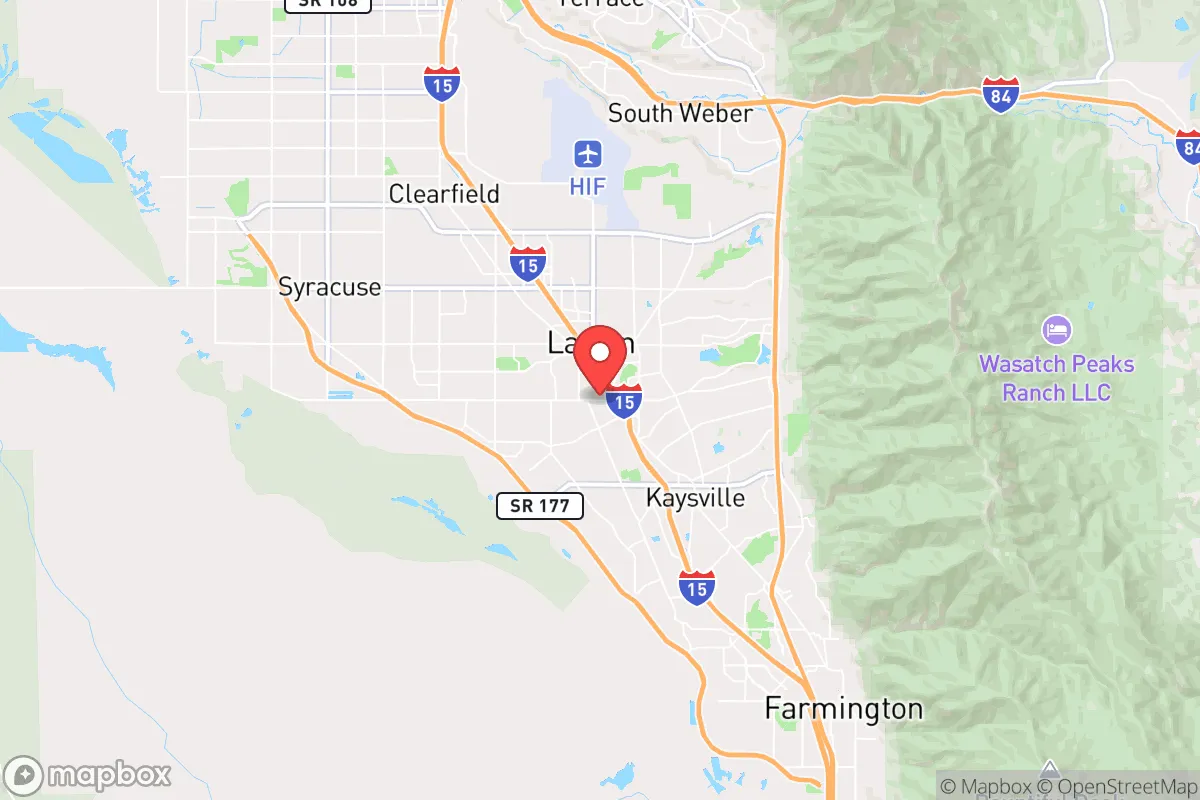
District shown is the primary district for this city’s centroid. Cities may span multiple districts.
Local Political AnalysisPolitical Analysis of Layton, UT
Layton, Utah, has long been a solidly conservative community, and that hasn’t changed much—even as the rest of the country has swung wildly in different directions. The Cook Partisan Voting Index (PVI) for the area sits at R+10, meaning it’s a full ten points more Republican than the national average, and that’s been the baseline here for as long as anyone can remember. You can feel it in the way people talk about local issues, in the voting patterns, and in the general attitude that government should stay out of your business. But like anywhere, there are undercurrents—some good, some concerning—that are worth knowing if you’re thinking about moving here.
How it compares
Layton is the political anchor of Davis County, and it’s noticeably more conservative than the county’s southern end, places like Bountiful or Centerville, which have a few more moderates and even a handful of Democrats. Drive north into Weber County, and you’ll hit Ogden, which is a whole different animal—more progressive, with a younger, more transient population that leans left on social issues. But Layton? It’s still the kind of place where the local Republican Party holds real sway, and where you’re more likely to hear someone complain about federal overreach than about local zoning laws. The contrast with Salt Lake City, just 25 miles south, is stark: that city’s politics are increasingly progressive, with a focus on social programs and environmental regulations that many here see as government overreach. Layton residents tend to prefer a hands-off approach, trusting local communities and families to handle their own affairs.
What this means for residents
For the people who live here, the conservative tilt means a few practical things. First, taxes are relatively low—property taxes in Davis County are among the most reasonable in the state, and there’s no state income tax on Social Security benefits. Second, the local government tends to be cautious about new regulations, whether it’s on housing, business, or personal freedoms. You won’t see the kind of heavy-handed mandates that have popped up in other parts of the country. That said, there’s been a slow creep of progressive ideas in the schools and local government over the last decade—things like diversity initiatives and climate action plans that feel out of step with the community’s values. Longtime residents are watching this closely, because once those ideas take root, they tend to grow fast. The general vibe is: we like our freedom, and we don’t want anyone—especially from Washington or even Salt Lake City—telling us how to live.
Culturally, Layton is still very much a family-first, faith-friendly community, with a strong LDS influence that shapes everything from school schedules to local ordinances. There’s a real sense of neighborly responsibility here, but also a wariness of any policy that feels like it’s coming from outside. The biggest distinction is that Layton hasn’t yet been swept up in the kind of progressive wave that’s hit other Utah cities like Park City or Moab. If that changes, it’ll be a slow, grinding shift—and a lot of folks are already keeping an eye on the school board and city council elections to make sure it doesn’t. For now, if you value personal liberty, low taxes, and a community that doesn’t meddle, Layton is still a solid bet. Just don’t expect it to stay that way forever without some pushback.

State Political ClimatePolitical Climate in Utah
State Political AnalysisPolitical Environment in the State
Utah is a deeply conservative state, with Republicans holding every statewide office and supermajorities in both legislative chambers, but the political landscape is more nuanced than a simple red-state label suggests. The state voted for Donald Trump by 20 points in 2024, down from 37 points in 2016, reflecting a slow but steady shift driven by explosive growth in the Wasatch Front. The dominant coalition remains the LDS Church-aligned conservative base, but a rising tide of moderate and left-leaning transplants, particularly in Salt Lake County, is reshaping the state’s long-term trajectory.
Urban vs. rural divide
The political map of Utah is a story of three distinct regions. The Wasatch Front—Salt Lake City, Provo, and Ogden—contains 80% of the state’s population and is where the real political action happens. Salt Lake County, home to over 1.2 million people, has been trending purple for a decade: it voted for Hillary Clinton in 2016 and Joe Biden in 2020, though Trump narrowly carried it in 2024. The city of Salt Lake itself is a blue island, with progressive politics on housing, transit, and social issues, while the suburbs like Sandy and Draper remain reliably red. Utah County, anchored by Provo and the Brigham Young University community, is the conservative heartland—Trump won it by 40 points in 2024, and it’s the epicenter of the state’s dominant LDS political culture. Rural Utah—places like Moab, Price, and the Uintah Basin—is even more conservative, with some counties voting 80%+ Republican, driven by energy extraction, ranching, and a fierce independence from federal land management. The divide is stark: the urban core is diversifying and moderating, while the rural areas are doubling down on traditional values.
Policy environment
Utah’s policy environment is a mixed bag for a conservative audience. On the plus side, the state has a flat income tax of 4.65% (down from 5% in 2022) and no state-level property tax on vehicles, with a constitutional requirement for a balanced budget. The regulatory posture is business-friendly, with right-to-work laws and minimal zoning restrictions in most rural counties. Education policy is a flashpoint: the state passed a universal school voucher program in 2023 (HB 215), allowing families to use up to $8,000 in public funds for private or homeschool expenses—a major win for school choice advocates. However, the state also mandates sex education that includes LGBTQ+ topics, and in 2024, the legislature passed a bill requiring schools to notify parents if a student changes their gender identity or pronouns (HB 257), which has drawn both praise and legal challenges. Healthcare is largely market-driven, with no Medicaid expansion beyond the 2020 partial expansion, and the state has a robust network of religiously affiliated hospitals. Election laws are secure: voter ID is required, same-day registration is not allowed, and the state uses paper ballots with risk-limiting audits—a model many conservatives point to as a gold standard.
Trajectory & freedom
Utah is becoming less free in some areas and more free in others, and the trend is accelerating. On the positive side, the state expanded gun rights in 2023 with SB 115, which allows permitless carry of concealed firearms for anyone 21 or older—a clear win for Second Amendment advocates. Parental rights were strengthened with HB 257, which gives parents more control over their children’s education and medical decisions. Property rights are generally strong, with no state-level rent control and a constitutional prohibition on eminent domain for private development. However, the state has also seen a troubling expansion of government overreach. In 2024, the legislature passed HB 477, which restricts the use of social media for minors without parental consent, a well-intentioned but heavy-handed move that critics say infringes on free speech and family autonomy. The state’s strict alcohol laws—limiting beer to 5% ABV in grocery stores and requiring state-run liquor stores for anything stronger—remain a persistent annoyance for personal freedom advocates. The biggest red flag is the growing influence of the LDS Church on policy, which some residents feel limits personal autonomy on issues like Sunday business closures and alcohol sales.
Civil unrest & political movements
Utah has seen relatively little civil unrest compared to coastal states, but there are visible flashpoints. The most notable was the 2020 protests in Salt Lake City, where thousands demonstrated for racial justice after George Floyd’s death, leading to some property damage and a heavy police response. The state has a small but vocal progressive activist scene centered in Salt Lake City, focused on housing affordability, environmental justice, and LGBTQ+ rights. On the right, the Utah Patriot movement and the People’s Rights network (led by Ammon Bundy) have a presence in rural counties like San Juan and Box Elder, pushing for nullification of federal land management and opposing vaccine mandates. Immigration politics are relatively calm: Utah has a state-level guest worker program (HB 116, passed in 2011) that allows undocumented immigrants to apply for work permits, a pragmatic compromise that has avoided the sanctuary city battles seen in other states. Election integrity controversies are minimal, though some rural counties have expressed distrust of the state’s electronic voter registration system. A new resident would notice the absence of the intense political street theater common in other states—most political activity happens in church basements and legislative committee rooms, not on the streets.
Projection
Over the next 5-10 years, Utah will continue to shift leftward, driven by in-migration from California and other blue states. The state is projected to add 1 million residents by 2035, with most settling in Salt Lake, Utah, and Davis counties. This demographic change will likely flip Salt Lake County permanently blue, and could make the state competitive in presidential elections by 2032. The LDS Church’s influence is slowly waning as the non-Mormon population grows—currently about 40% of Salt Lake County residents are LDS, down from 60% in 2000. This will lead to more progressive policies on housing (rent control debates), environmental regulation (carbon pricing), and social issues (LGBTQ+ protections). However, the rural and suburban conservative base will fight back, likely leading to a period of legislative gridlock and ballot initiatives. A new resident moving in now should expect a state that remains conservative on fiscal and gun issues but becomes increasingly moderate on social and environmental matters. The freedom landscape will be a tug-of-war: expect more parental rights and school choice, but also more government intervention in housing and healthcare.
Bottom line for a new resident: Utah is a great place for a conservative family if you’re willing to accept a slow drift toward moderation. You’ll find low taxes, strong gun rights, and a culture of neighborly self-reliance, but you’ll also see growing progressive activism in the cities and a state government that occasionally overreaches on moral issues. If you’re looking for a pure libertarian paradise, look elsewhere—but if you want a stable, family-friendly state where your vote still counts and your values are respected, Utah is a solid bet for the next decade.
* Values derived from national, state, county, city and local statistics and may differ in a specific area. Last updated: 2026-05-03T20:34:27.000Z
Narrative content on this page is AI-generated and may contain mistakes. Verify any details that matter before acting on them.
ReloMaps may earn a commission from affiliate links at no extra cost to you.

