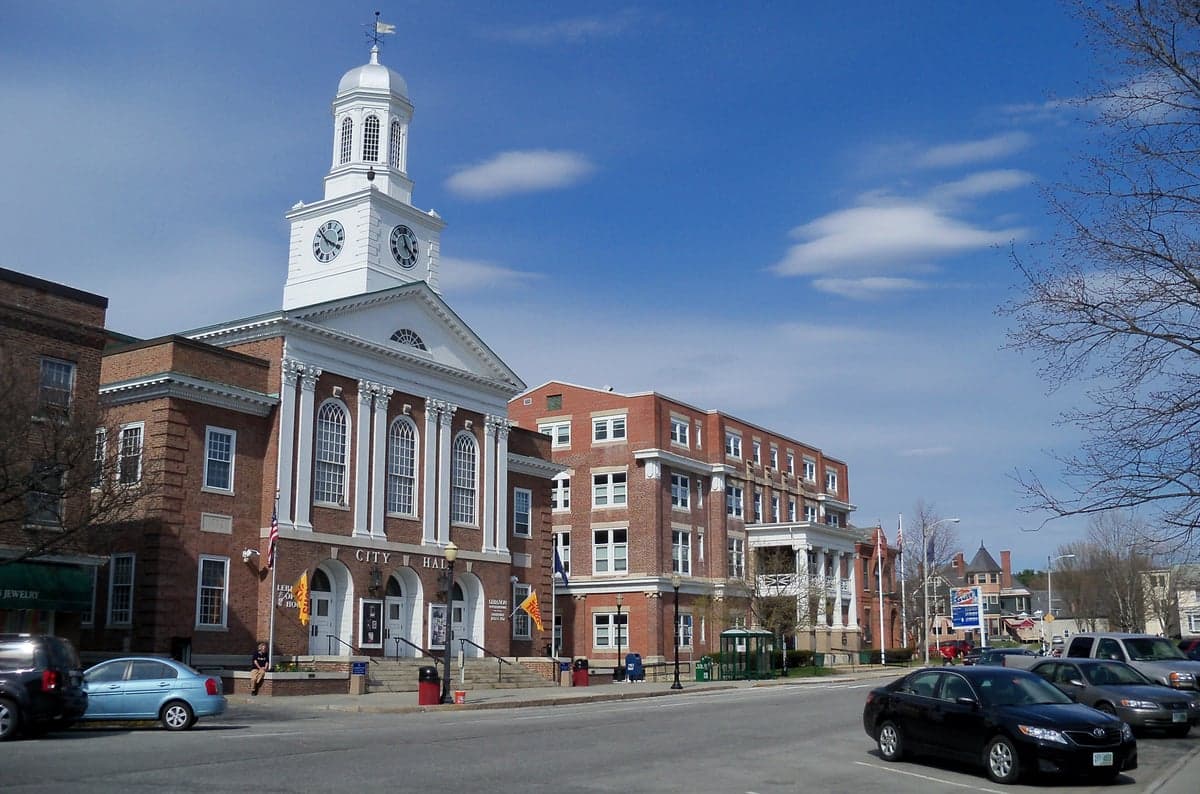
Photo: Wikipedia
Political ClimatePolitical Climate in Lebanon, NH
District shown is the primary district for this city’s centroid. Cities may span multiple districts.
Local Political AnalysisPolitical Analysis of Lebanon, NH
Lebanon, New Hampshire, sits in a politically interesting spot, and if you’ve been around here long enough, you’ve seen the shift. The Cook PVI rating of D+2 tells you it leans slightly Democratic, but that’s a recent development. Twenty years ago, this was a reliably purple area where common-sense fiscal conservatism and live-and-let-live attitudes ruled the day. Now, you’ll notice more progressive energy coming in, especially from folks moving up from Massachusetts and the Boston suburbs. The town itself votes blue in most elections, but drive ten minutes out to Enfield or Canaan, and you’ll find a much more independent, often conservative, streak. The trajectory is concerning if you value limited government and personal freedom, because the local conversation is increasingly about expanding regulations and social programs rather than protecting individual rights.
How it compares
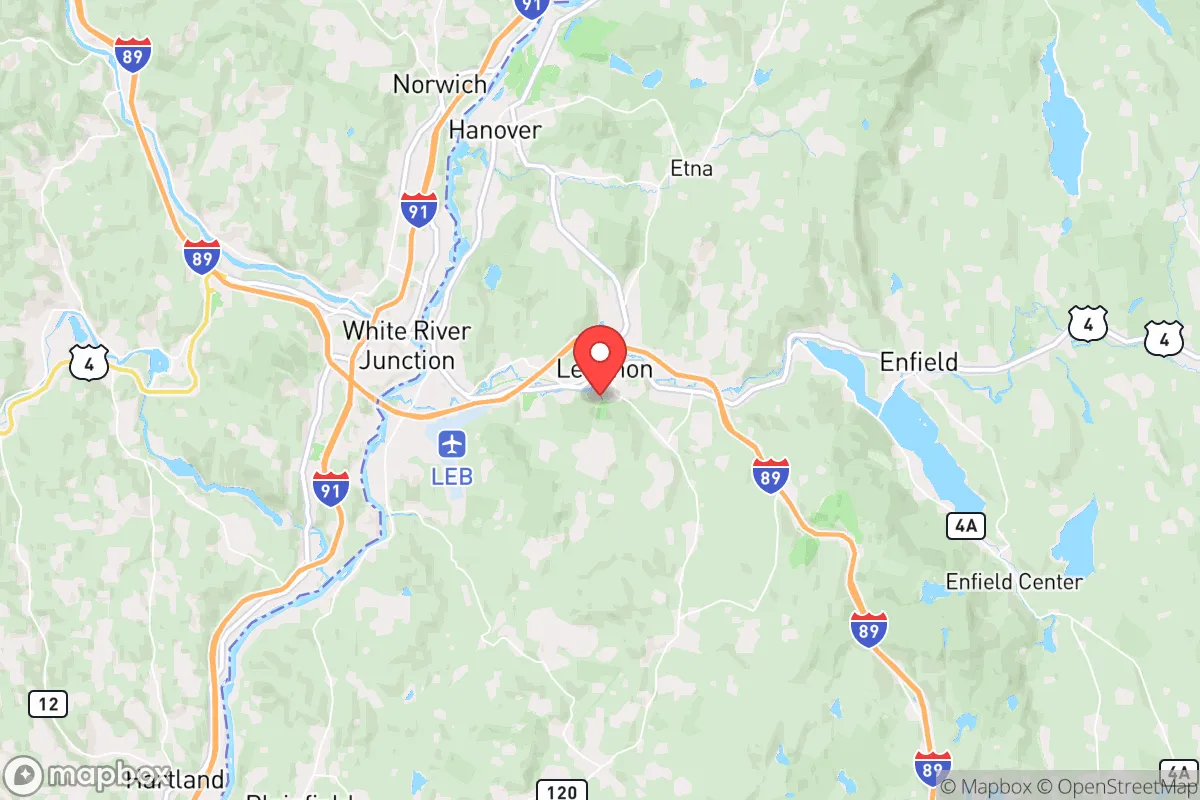
To really understand Lebanon, you have to look at its neighbors. Hanover, home to Dartmouth College, is a deep blue stronghold where progressive policies are the norm. Lebanon is more moderate, but it’s being pulled in that direction. Head south to Claremont or west to Newport, and you’re in solidly red territory—places where the Second Amendment is a given and property taxes are the main political fight. Even within Lebanon itself, the contrast is stark: the older farming families and small business owners tend to vote Republican or libertarian, while the newer arrivals, many working in the medical and tech sectors, push for higher spending and more government involvement. The state legislature districts covering Lebanon are competitive, but the trend is clear—the progressive wing is gaining ground, and the old-school New Hampshire independence is fading.
What this means for residents
For a long-time resident, the biggest red flag is the slow creep of government overreach into everyday life. It starts small: stricter zoning laws that make it harder to build a workshop on your own property, or new fees on things like short-term rentals. Then you see the push for more taxpayer-funded social services and environmental mandates that sound good on paper but come with a price tag and a loss of personal choice. The school board and city council races are where this plays out most directly. If you value keeping your taxes low and your freedoms intact, you’ll need to pay close attention to local elections. The good news is that New Hampshire still has no income or sales tax, and the Live Free or Die spirit isn’t dead yet—but it’s under constant pressure from the progressive agenda coming out of Concord and the influence of the Dartmouth corridor.
Culturally, Lebanon is still a place where you can have a conversation with your neighbor without knowing their party affiliation, but that’s changing. The biggest policy distinction you’ll notice is the tension between the town’s desire to grow and the old guard’s desire to preserve the rural character. The push for more bike lanes, density, and public transit is seen by some as progress, but by others as a step toward the kind of over-regulated, high-cost living that drove people out of Massachusetts in the first place. If the trend continues, Lebanon will look more like a small Burlington or Portland in a decade—more progressive, more expensive, and less free. For now, it’s still a place where you can live your life without too much interference, but you’ve got to keep an eye on the ballot box to make sure it stays that way.

State Political ClimatePolitical Climate in New Hampshire
State Political AnalysisPolitical Environment in the State
New Hampshire has long been known as a fiercely independent state, but its political center of gravity has shifted noticeably over the last 10-20 years. While it still leans slightly Democratic in presidential elections (voting blue in 2024 by about 2 points), the state legislature and governor’s office have trended red, with Governor Chris Sununu winning four terms as a Republican. The dominant coalition is a mix of fiscal conservatives, libertarian-leaning independents, and socially moderate Republicans, but the growing influx of out-of-state transplants—especially from Massachusetts—is slowly nudging the state’s politics toward a more progressive, government-heavy posture. If you’re looking for a place where personal freedom and local control still matter, New Hampshire is a mixed bag: some towns feel like a libertarian dream, while others are starting to feel like a mini-version of the Bay State.
Urban vs. rural divide
The political map of New Hampshire is a classic tale of two states. The southeastern corner—anchored by Manchester, Nashua, and the Seacoast region (Portsmouth, Dover)—is the Democratic stronghold. These areas are dense, diverse, and heavily influenced by Massachusetts commuters and out-of-state transplants. Manchester, the largest city, voted for Biden by 12 points in 2020, and its suburbs like Bedford and Londonderry are purple but trending blue. Meanwhile, the rest of the state is deeply red. The North Country—places like Berlin, Lancaster, and Colebrook—votes Republican by 30-40 points. The Lakes Region and the Monadnock Region (centered on Keene) are more mixed, with Keene itself being a liberal college town surrounded by conservative farmland. The key battleground is the Merrimack Valley (Concord, Hooksett, Bow), where moderate swing voters decide elections. In 2024, the rural vote was enough to flip the state’s congressional delegation from all-Democratic to a 2-1 Republican split, with Rep. Chris Pappas (D) barely holding onto his Manchester-based seat.
Policy environment
New Hampshire’s policy environment is a study in contradictions. On the plus side, there’s no state income tax and no state sales tax—a huge draw for conservatives and libertarians. Property taxes are high (among the highest in the nation), but the state’s overall tax burden is low. The regulatory posture is generally business-friendly, with no minimum wage increase since 2009 (still at $7.25 an hour, though many employers pay more). Education policy is a flashpoint: the state has a robust school choice program via Education Freedom Accounts (EFAs), which allow parents to use public funds for private or homeschool expenses. This was expanded in 2023 to include all families, regardless of income. Healthcare is a mixed bag—the state expanded Medicaid under the Affordable Care Act, but there’s no state-run insurance mandate. Election laws are relatively clean: same-day voter registration is allowed, but voter ID is required. The state’s motto, “Live Free or Die,” still carries weight, but the policy environment is under constant pressure from progressive activists pushing for a state income tax, stricter gun laws, and more government involvement in education.
Trajectory & freedom
Over the last five years, New Hampshire has been a battleground for freedom. On the positive side, the state passed constitutional carry (permitless concealed carry) in 2017 and has repeatedly blocked attempts to ban semi-automatic rifles. In 2023, the legislature passed a parental bill of rights (HB 1431), requiring schools to notify parents about curriculum changes and medical decisions. The Education Freedom Account program was expanded in 2023, giving parents more control over their kids’ education. However, there are worrying trends. In 2024, Governor Sununu signed a 15-week abortion ban (with exceptions for rape, incest, and life of the mother), but this was a compromise—pro-life advocates wanted a total ban, while pro-choice activists are now pushing to codify abortion rights into the state constitution. More concerning for conservatives: the state’s vaccine mandate for healthcare workers remains in place, and there’s been a push to ban conversion therapy for minors. The Right-to-Know law (open records) has been weakened by court rulings. The trajectory is mixed: the state is still freer than most, but the influx of Massachusetts transplants is slowly eroding the libertarian ethos. If you’re moving here for freedom, you’ll find it in the rural towns, but the cities are becoming more restrictive.
Civil unrest & political movements
New Hampshire has a long history of civil unrest, but it’s mostly peaceful and organized. The Free State Project (FSP), a movement of libertarians who moved to the state to shrink government, has been active since the early 2000s. They’ve successfully pushed for constitutional carry, marijuana decriminalization, and EFA expansion. However, they’ve also faced backlash from both Democrats and establishment Republicans. On the left, the Indivisible movement and 350 New Hampshire (climate activists) have been vocal, organizing protests against the Northern Pass pipeline and pushing for a state income tax. Immigration politics are relatively quiet—New Hampshire is not a border state, and sanctuary policies are rare (only Portsmouth and Durham have declared themselves sanctuary cities). Election integrity has been a hot topic: in 2020, the state saw lawsuits over ballot harvesting and same-day registration, but no major fraud was proven. The most visible flashpoint is the State House in Concord, where protests over abortion, gun rights, and education reform happen regularly. A new resident would notice that political activism is more civil than in other states—people argue passionately but rarely violently.
Projection
Over the next 5-10 years, New Hampshire is likely to become more purple, with a slow drift toward blue in the cities and a hardening red in the rural areas. The key demographic shift is the influx of remote workers from Massachusetts, New York, and California—they bring progressive voting habits and higher housing costs. The Seacoast and Merrimack Valley will continue to trend Democratic, while the North Country and Lakes Region will remain deeply Republican. The state legislature is likely to stay Republican-controlled, but the governor’s office could flip to Democrat in 2026 if the GOP nominates a far-right candidate. The biggest wildcard is the Education Freedom Account program—if it survives legal challenges (it’s currently being sued by the ACLU), it could cement New Hampshire as a school choice leader. If it’s struck down, expect a backlash from conservative parents. The state’s tax structure is safe for now—no income tax is popular across party lines—but property taxes will continue to rise as housing demand grows. For a conservative moving in now, expect to find a state that’s still freer than most, but where you’ll need to live in a rural or exurban town to fully experience that freedom.
Bottom line: New Hampshire is a great choice for conservatives who value low taxes, school choice, and gun rights, but you need to pick your town carefully. If you move to Manchester or Portsmouth, you’ll be living in a blue bubble with high property taxes and progressive neighbors. If you choose Salem, Derry, or Plymouth, you’ll find a more conservative, libertarian-friendly environment. The state is still worth the move—just don’t expect it to stay the same forever. The “Live Free or Die” spirit is alive, but it’s under constant siege from the south.
* Values derived from national, state, county, city and local statistics and may differ in a specific area. Last updated: 2026-05-02T02:47:55.000Z
Narrative content on this page is AI-generated and may contain mistakes. Verify any details that matter before acting on them.
ReloMaps may earn a commission from affiliate links at no extra cost to you.

