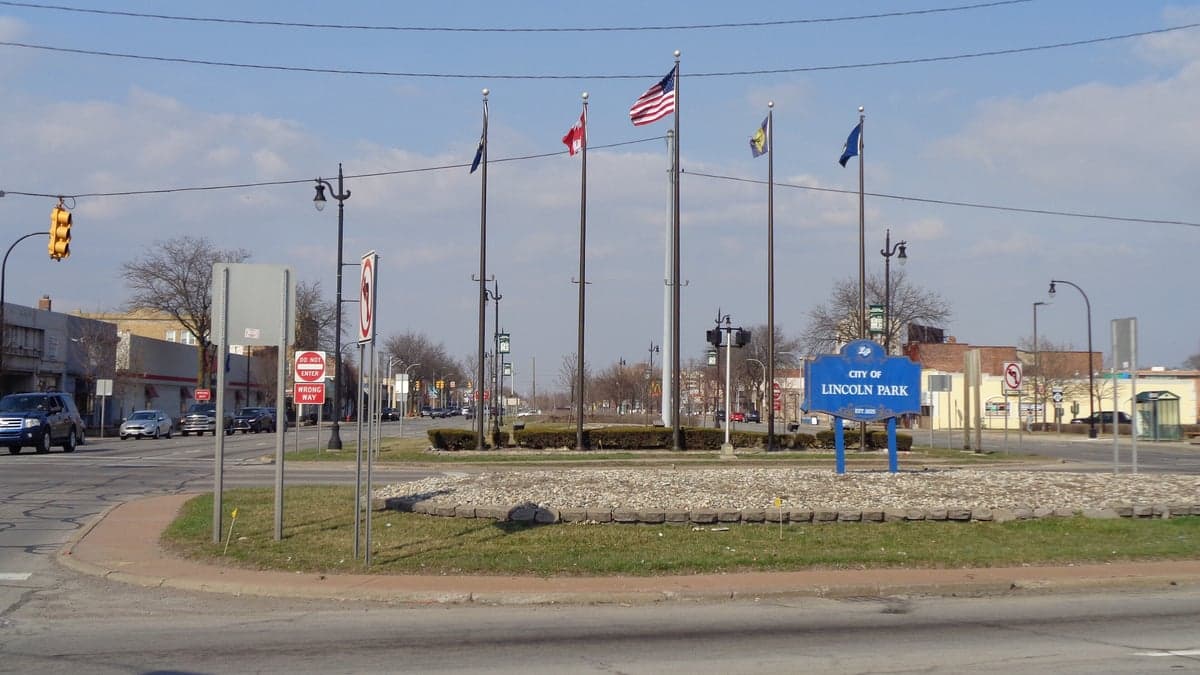
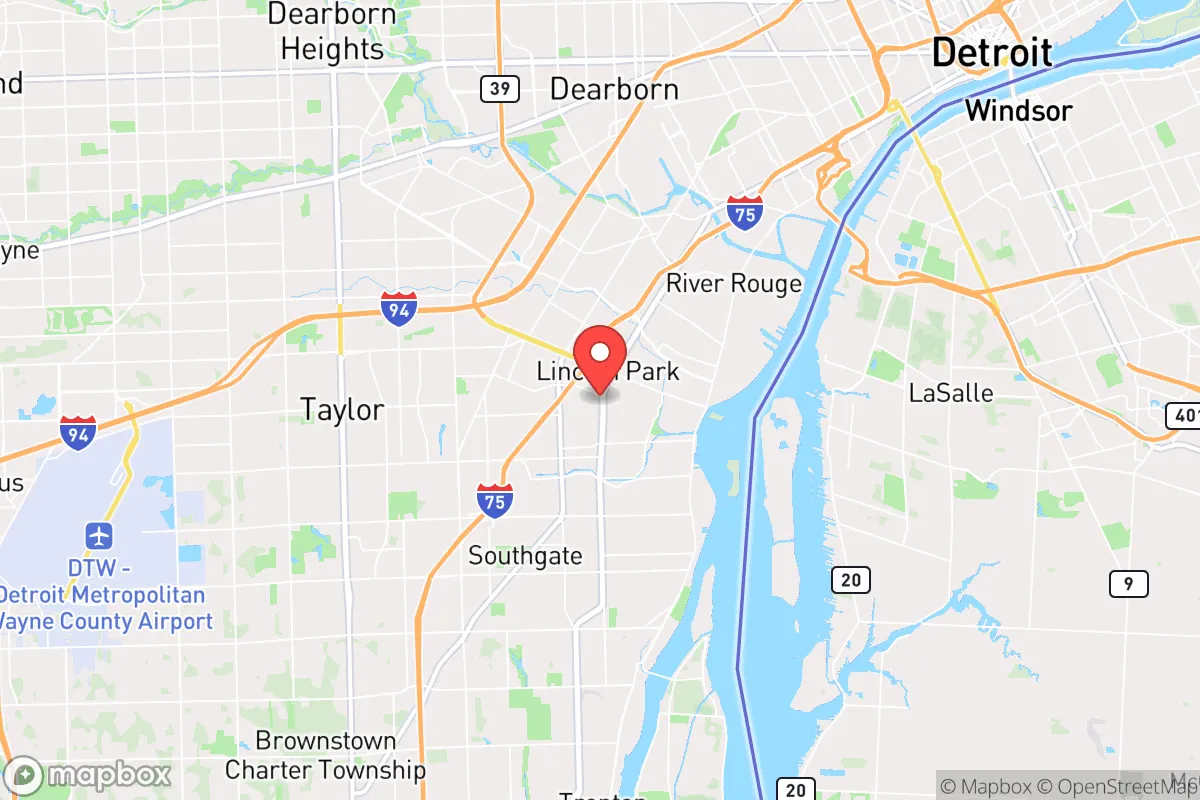
Photo: Wikipedia
Quality of Life in Lincoln Park, MI
Above-average quality of iife. The area offers a reasonable cost of living, decent mobility, and a mix of neighborhood amenities.
What does Quality of Life tell us?
Quality of Life blends cost of living, nearby amenities, socioeconomic signals, and neighborhood character. City-level scores represent the whole municipality; individual neighborhoods can differ.
What does this tell us?
Quality of Life blends cost of living, nearby amenities, socioeconomic signals, and neighborhood character. City-level scores represent the whole municipality; individual neighborhoods can differ.
Cost of Living
33% below national average
The Real Cost of Living in Lincoln Park, MI for 2026
| Tier | Individual | Family (4) |
|---|---|---|
| Survival | $16k | $29k |
| Comfortable | $25k | $37k |
| Luxury | $82k+ | $128k+ |
| Elite (Top 5%) | $97k+ | $150k+ |
156%
The Area Signal
A metric tracking the socioeconomic signals of the area.
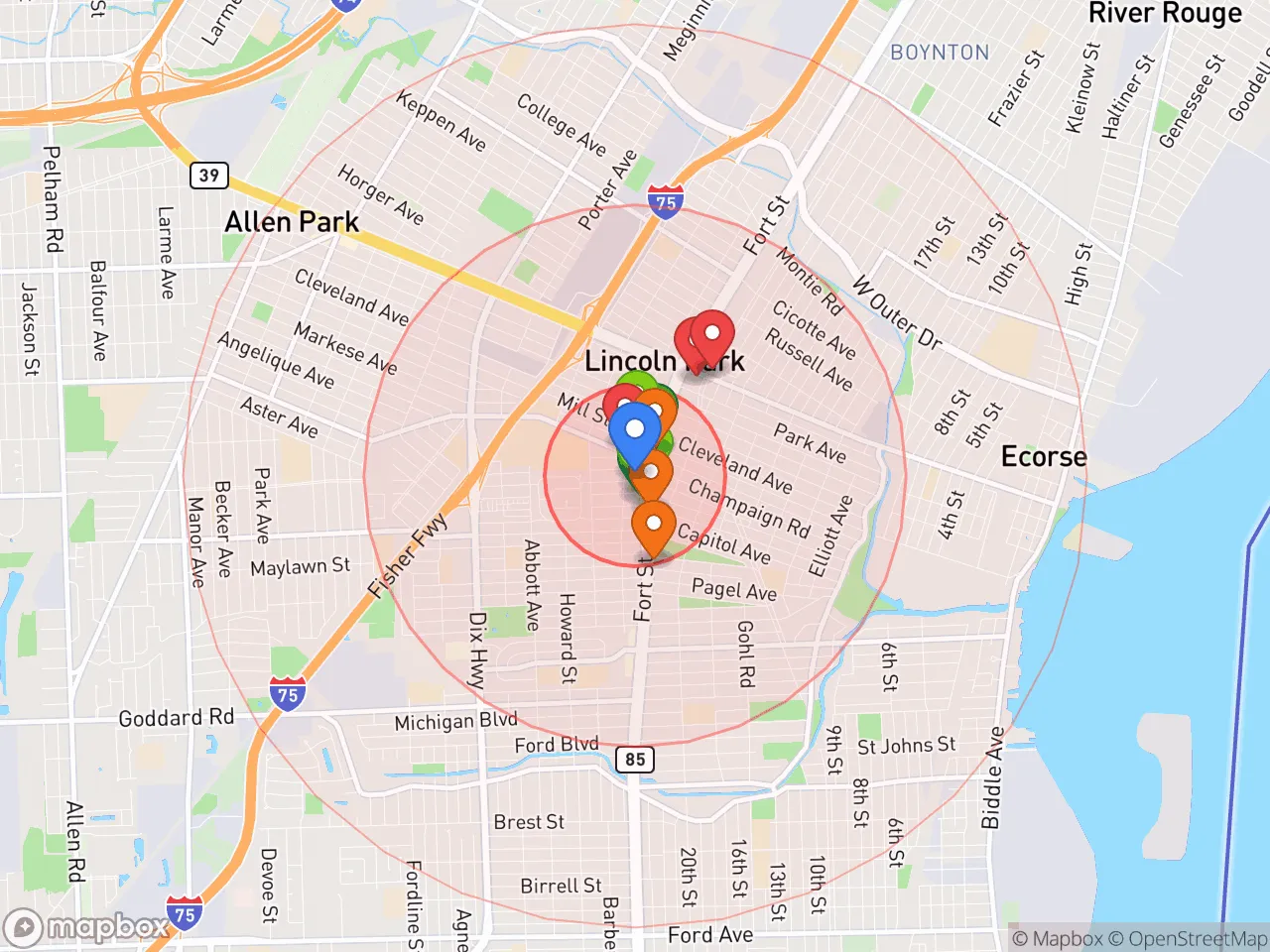
Hobbies
Explore the areaGroceries
6 within 10 miles
Gas
20 within 10 miles
Hospital
20 within 20 miles
Airport
DTW — Detroit Metropolitan Wayne County
Post Office
USPS — Lincoln Park, MI
Critical Amenities
Quality-of-Life Analysis
Lincoln Park, Michigan, presents a notably affordable quality of life within the Detroit metro area, attracting a demographic mix of working-class families, first-time homebuyers, and long-term residents who prioritize cost savings over urban prestige. With a cost of living index of 67 (well below the U.S. average of 100), the city offers a tangible financial buffer that is increasingly rare in communities within a 20-minute commute of downtown Detroit. The population is predominantly middle-income, with a significant share of homeowners and a stable, blue-collar workforce employed in manufacturing, logistics, and regional healthcare.
How housing costs and affordability compare to nearby Downriver communities
Lincoln Park’s housing market is one of the most accessible in Wayne County, with a median home value of $117,400 and a median rent of $972—both dramatically lower than the Detroit metro averages of roughly $240,000 and $1,300, respectively. This pricing places Lincoln Park well below neighboring Downriver cities like Wyandotte (median home value ~$165,000) and Allen Park (~$150,000), making it a primary entry point for buyers priced out of those communities. The average commute of 24 minutes is slightly shorter than the regional average, aided by direct access to I-75 and Southfield Freeway, which allows residents to reach Detroit’s core or Dearborn’s industrial zones without the 30–40 minute drives common in outer suburbs. Property taxes in Lincoln Park hover around 2.5% of assessed value, which is typical for Wayne County but higher than in neighboring Macomb County communities; however, the low base home price keeps annual tax bills manageable, often under $3,000.
What daily life is like for families: schools, parks, and local amenities
Daily life in Lincoln Park centers on a compact, walkable downtown along Fort Street, anchored by a mix of independent diners, auto parts stores, and community institutions like the Lincoln Park Historical Museum. The Lincoln Park Public Schools system serves roughly 3,000 students, with Lincoln Park High School offering a career and technical education track that aligns with local manufacturing and skilled trades employment. For recreation, the city maintains over a dozen parks, including the 40-acre Memorial Park with its sports fields, walking paths, and a seasonal outdoor pool. The nearby Downriver Family YMCA in neighboring Southgate provides additional fitness and childcare options. Grocery access is solid, with a Kroger and Aldi within city limits, though residents typically drive to Southgate or Allen Park for big-box retail and dining chains. The rhythm of life is quieter than in Detroit proper, with lower crime rates than the city core but slightly higher property crime than in wealthier Downriver suburbs like Grosse Ile.
Lincoln Park is best suited for budget-conscious buyers and renters who value a short commute to Detroit and Dearborn over suburban amenities like top-tier schools or upscale shopping. It works well for tradespeople, manufacturing workers, and young families who need a low-cost base with reasonable access to regional jobs. Retirees on fixed incomes also find the low housing costs and flat terrain appealing, though those seeking extensive medical facilities or cultural attractions may prefer nearby Wyandotte or Allen Park. The city’s affordability comes with trade-offs—older housing stock, higher property taxes relative to home value, and a limited nightlife scene—but for those who prioritize financial breathing room and a 24-minute drive to downtown Detroit, Lincoln Park delivers a stable, no-frills quality of life.

Crime in Lincoln Park, MI
Crime rates similar to the national median for U.S. locations.
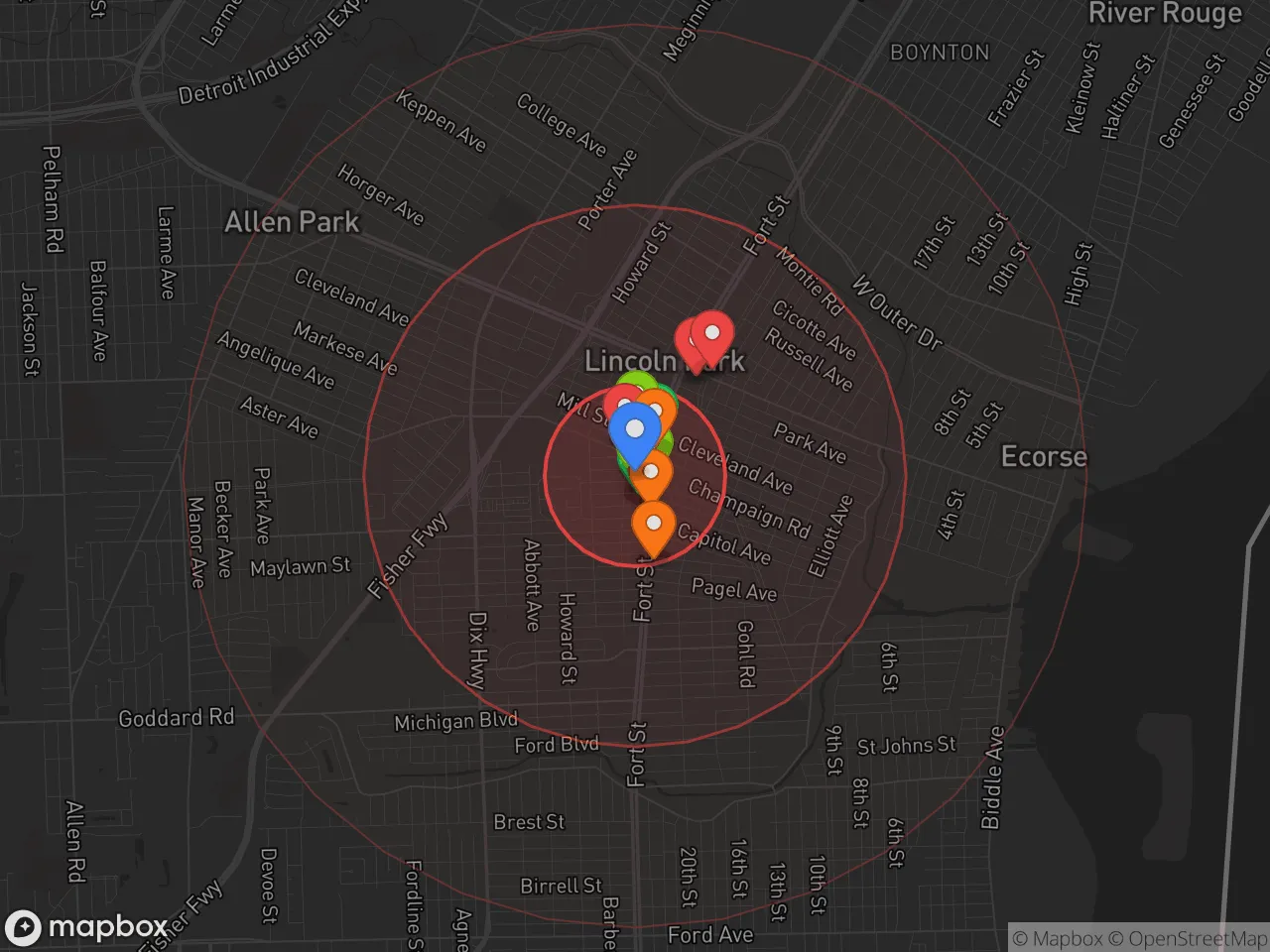
Violent CrimeViolent Crime Analysis
Property CrimeProperty Crime Analysis
Crime Analysis
Lincoln Park, Michigan, reports a violent crime rate of 619 incidents per 100,000 residents and a property crime rate of 1,669.7 per 100,000, figures that place it among the higher-crime suburbs of the Detroit metro area. These statistics reflect a community where safety is a significant concern, particularly when compared to national averages and state benchmarks. The city’s proximity to Detroit and its status as a dense, older industrial suburb contribute to crime patterns that residents and prospective movers should evaluate carefully.
Crime in context
Lincoln Park’s violent crime rate of 619 per 100,000 is roughly 1.7 times the national average of about 380 per 100,000 and significantly exceeds the Michigan state average of approximately 460 per 100,000. Property crime, at 1,669.7 per 100,000, is also elevated—about 1.2 times the national rate of roughly 1,400 per 100,000. These numbers place Lincoln Park in a tier of Wayne County suburbs where crime is a persistent issue, though not as extreme as Detroit’s core. The city’s crime index is comparable to neighboring communities like Allen Park and Southgate, but higher than more affluent suburbs such as Wyandotte or Trenton. A key factor driving these rates is the broader regional context: Wayne County’s justice system, influenced by progressive prosecutorial policies in recent years, has emphasized diversion programs and reduced incarceration for non-violent offenses. While intended to reduce recidivism, critics argue this approach has led to more offenders cycling back onto the streets, contributing to repeat property crimes and, in some cases, violent encounters.
What residents experience
Residents of Lincoln Park most commonly encounter property crime—theft, burglary, and vehicle break-ins—as the daily reality. The property crime rate of 1,669.7 per 100,000 translates to roughly one property crime every 3.5 hours across the city’s 38,000 population. Violent crime, while less frequent, includes aggravated assault, robbery, and occasional incidents of homicide, which generate heightened fear. The city’s police department has responded with targeted patrols in high-crime areas and community policing initiatives, but staffing levels remain constrained by municipal budgets. Many long-term residents report feeling safe during daytime hours in residential neighborhoods, but caution is advised after dark, particularly near commercial corridors like Fort Street and Dix Highway. The presence of progressive judicial policies in Wayne County—including cash bail reform and reduced sentencing for drug-related offenses—has been cited by local law enforcement as a challenge, as it can lead to quick releases of repeat offenders who then re-offend in the same communities.
Neighborhood-level variation is notable. Areas south of I-75, closer to the Detroit River, tend to have lower crime rates, while the northern sections near the border with Detroit and along the Southfield Freeway corridor see higher incident densities. The city’s older housing stock and lower median income—around $45,000—correlate with crime hotspots, though well-maintained blocks with active neighborhood watches show markedly better safety outcomes. Prospective residents should research specific block-level data through the Lincoln Park Police Department’s online crime map and consider visiting at different times of day to gauge local conditions firsthand.
* Values derived from national, state, county, city and local statistics and may differ in a specific area. Last updated: 2026-04-30T02:05:39.000Z
Narrative content on this page is AI-generated and may contain mistakes. Verify any details that matter before acting on them.
ReloMaps may earn a commission from affiliate links at no extra cost to you.

