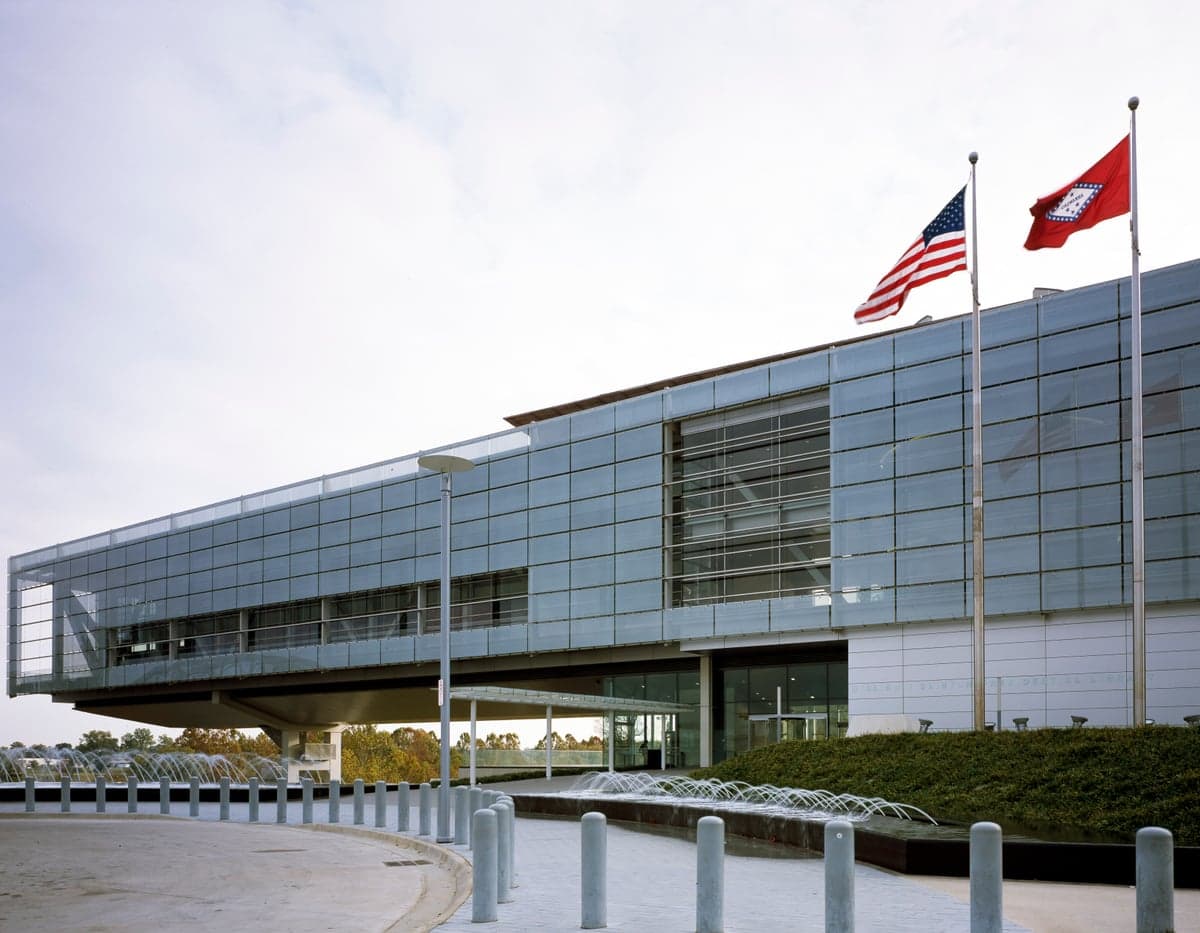
Photo: Wikipedia
Quality of Life in Little Rock, AR
A high quality of life with strong walkability, manageable living costs, healthy neighborhood signals, and solid amenity access.
What does Quality of Life tell us?
Quality of Life blends cost of living, nearby amenities, socioeconomic signals, and neighborhood character. City-level scores represent the whole municipality; individual neighborhoods can differ.
What does this tell us?
Quality of Life blends cost of living, nearby amenities, socioeconomic signals, and neighborhood character. City-level scores represent the whole municipality; individual neighborhoods can differ.
Cost of Living
14% below national average
The Real Cost of Living in Little Rock, AR for 2026
| Tier | Individual | Family (4) |
|---|---|---|
| Survival | $17k | $32k |
| Comfortable | $43k | $63k |
| Luxury | $109k+ | $170k+ |
| Elite (Top 5%) | $182k+ | $281k+ |
96%
The Area Signal
A metric tracking the socioeconomic signals of the area.
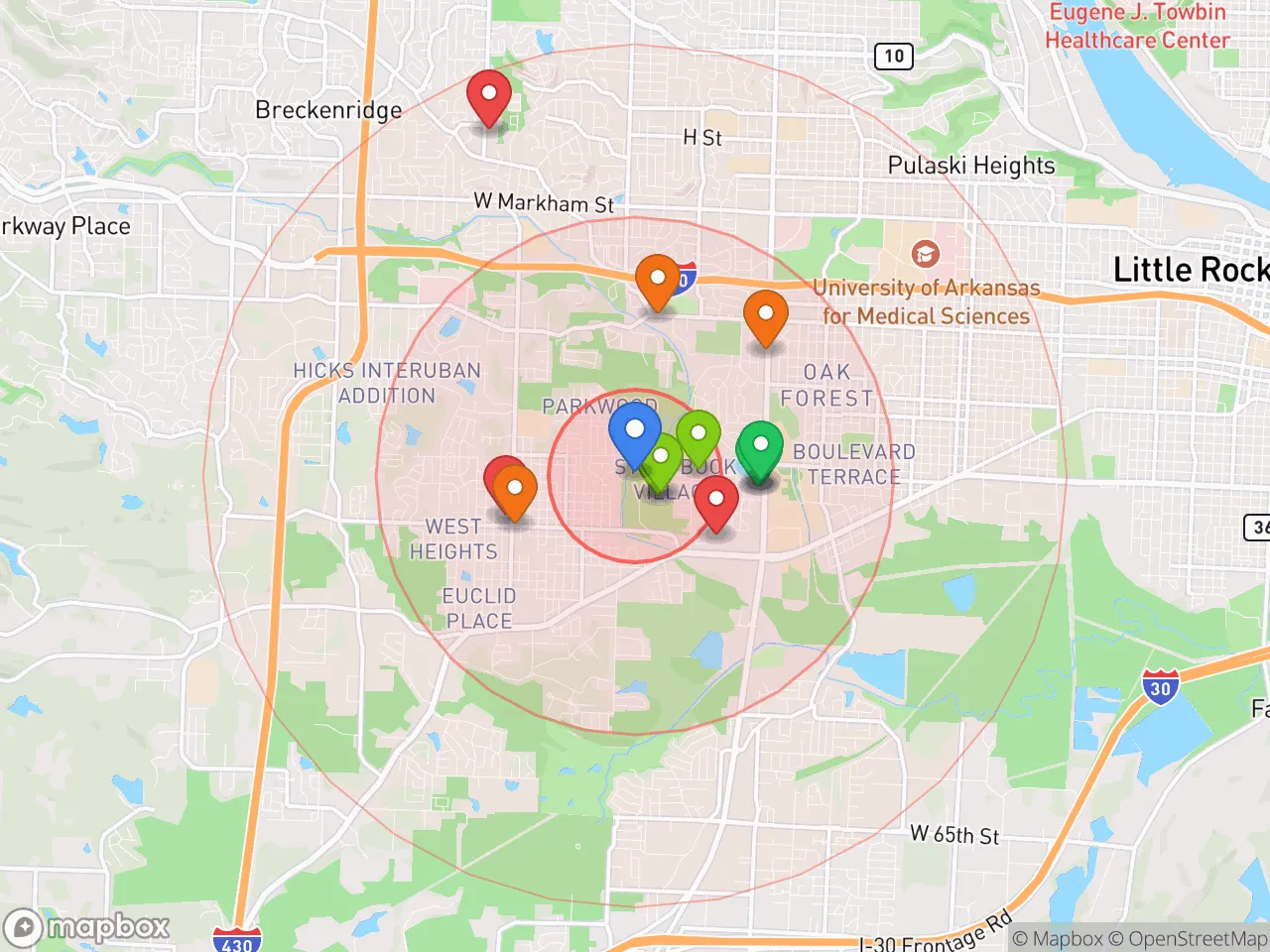
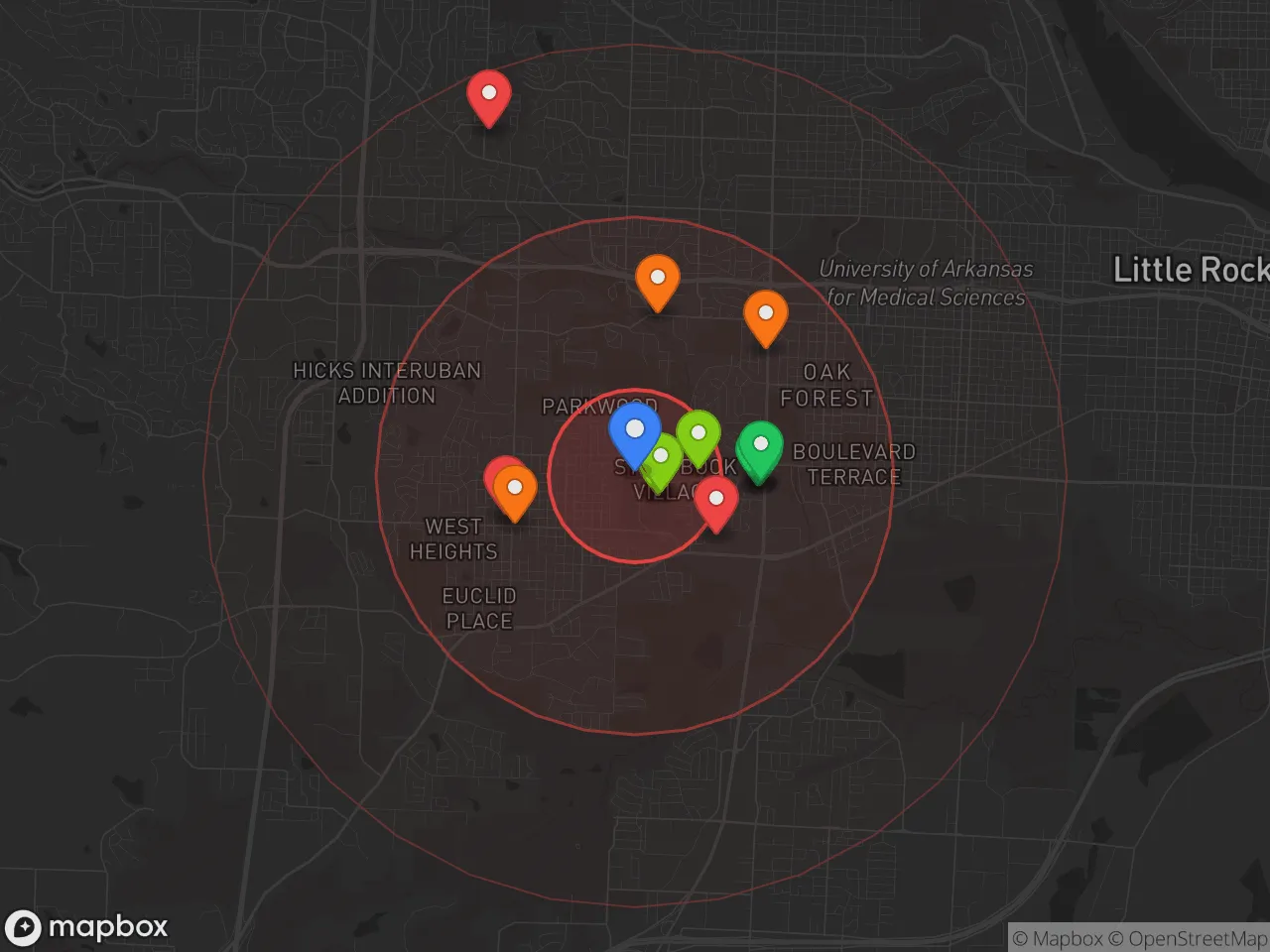
Hobbies
Explore the areaGroceries
7 within 10 miles
Gas
20 within 10 miles
Hospital
20 within 20 miles
Airport
DFW — Dallas/Fort Worth International
Post Office
USPS — Little Rock, AR
Critical Amenities
Quality-of-Life Analysis
Little Rock offers a quality of life defined by its affordability and Southern character, attracting a mix of young professionals, growing families, and long-time residents who value cost-effective living without sacrificing urban amenities. With a cost of living index of 86 — 14 points below the national average — the city provides a financial cushion that allows residents to allocate more income toward housing, recreation, and savings. The median home value of $221,200 and median rent of $1,067 place homeownership and comfortable rentals within reach for many, particularly when compared to pricier regional hubs like Nashville or Dallas.
Cost of living, housing, and affordability compared to nearby areas
Little Rock’s housing market is a standout draw, with the median home value of $221,200 sitting well below the national median of roughly $350,000. This affordability extends to rentals, where the median rent of $1,067 is about 20% lower than the U.S. average. When stacked against nearby cities like Fayetteville (median home value ~$310,000) or Memphis (median rent ~$1,200), Little Rock offers a clear financial edge. The average commute of just 18.3 minutes — significantly shorter than the national average of 26 minutes — further reduces daily costs and stress, freeing up time for family or leisure. This combination of low housing costs and a quick commute makes the city especially attractive for remote workers or those employed locally in sectors like healthcare, government, or logistics.
What daily life is like for families: amenities, schools, and community rhythm
Daily life in Little Rock balances urban convenience with a relaxed pace. The city’s school system includes notable options like the Little Rock School District’s magnet programs (e.g., Central High School’s International Baccalaureate track) and private institutions such as Pulaski Academy, which draw families seeking strong academics. Amenities are abundant: the Arkansas River Trail offers 17 miles of paved paths for biking and walking, while the William J. Clinton Presidential Library and the Arkansas Museum of Fine Arts provide cultural anchors. The community rhythm leans toward weekend farmers’ markets at the River Market District, live music at venues like The Hall, and family outings to the Little Rock Zoo. The short commute means less time in traffic and more time for these activities, reinforcing a lifestyle that prioritizes connection over congestion.
Who thrives here? Little Rock is ideal for cost-conscious professionals, families seeking a slower pace with city perks, and retirees on fixed incomes who want access to healthcare (the city is home to UAMS Medical Center, a top-tier hospital). It’s less suited for those craving dense, walkable urbanism or high-end nightlife — the city’s sprawl and car dependency mean most errands require a vehicle. For anyone valuing financial breathing room, a manageable commute, and a community with deep historical roots, Little Rock delivers a solid, grounded quality of life.

Crime in Little Rock, AR
Significantly higher crime rates than 88% of comparable U.S. locations.
Violent CrimeViolent Crime Analysis
Property CrimeProperty Crime Analysis
Crime Analysis
Little Rock, Arkansas, faces a serious public safety challenge, with violent crime rates more than three times the national average and property crime rates nearly double the national figure. The city recorded a violent crime rate of 1,483.5 incidents per 100,000 residents and a property crime rate of 3,975.3 per 100,000 in the most recent reporting period. These figures place Little Rock among the most dangerous mid-sized cities in the United States, a reality shaped by both socioeconomic factors and the local criminal justice system's approach to prosecution and sentencing.
Crime in context
Little Rock's violent crime rate of 1,483.5 per 100,000 is roughly 3.8 times the national average of approximately 380 per 100,000 and significantly higher than the Arkansas state average of about 640 per 100,000. Property crime in the city, at 3,975.3 per 100,000, far exceeds the national average of roughly 1,950 per 100,000. These numbers place Little Rock in the bottom percentile nationally for safety. A contributing factor widely cited by law enforcement and community watch groups is the influence of progressive prosecutorial policies in Pulaski County. The local district attorney's office has adopted diversion programs and reduced incarceration rates for repeat property offenders, a philosophy that critics argue prioritizes offender rehabilitation over public safety and victim rights. This approach, while well-intentioned, has been linked to higher recidivism and a perception among criminals that consequences are minimal.
What residents experience
For residents, the high crime rates translate into tangible daily concerns. Carjackings, armed robberies, and home invasions are not uncommon, particularly in areas near major thoroughfares and commercial corridors. Property crime is pervasive: vehicle break-ins, package theft, and burglaries affect neighborhoods across the city. Many long-term residents report that the justice system's leniency—such as reduced charges for burglary or theft—has eroded trust in public safety. Victims often express frustration when offenders are released quickly on low or no bail, only to reoffend. This cycle is especially pronounced in central and downtown districts, where police response times can be delayed due to understaffing. The city's homicide rate, while fluctuating year to year, remains stubbornly high, driven largely by gang-related disputes and easy access to firearms.
Neighborhood-level variation
Safety in Little Rock varies dramatically by neighborhood. The western suburbs—such as West Little Rock, Chenal Valley, and the Heights—experience significantly lower crime rates, often comparable to national averages, due to higher property values, private security patrols, and better-funded police presence. In contrast, neighborhoods east of Interstate 30, including parts of Southwest Little Rock and the Central High area, see the highest concentrations of violent crime. Even within safer areas, property crime remains a persistent nuisance. Prospective residents are advised to research block-level crime maps and consider gated communities or homes with alarm systems. The city's overall trajectory depends heavily on whether the justice system shifts toward stricter accountability for repeat offenders, a change many residents and business owners are actively advocating for.
* Values derived from national, state, county, city and local statistics and may differ in a specific area. Last updated: 2026-04-23T04:09:49.000Z
Narrative content on this page is AI-generated and may contain mistakes. Verify any details that matter before acting on them.
ReloMaps may earn a commission from affiliate links at no extra cost to you.

