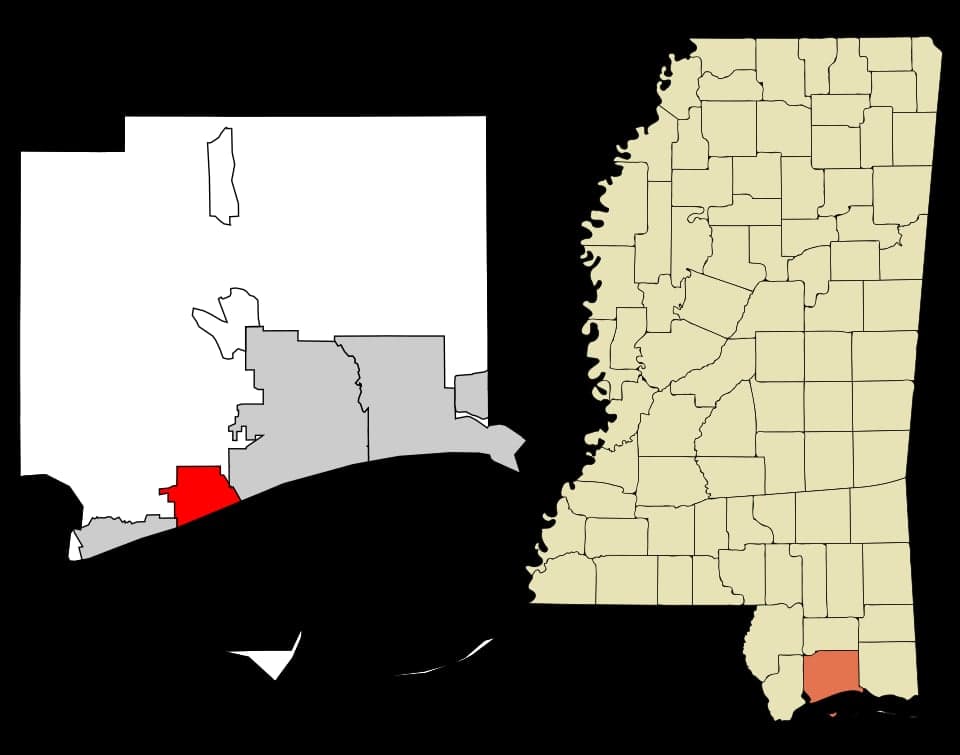
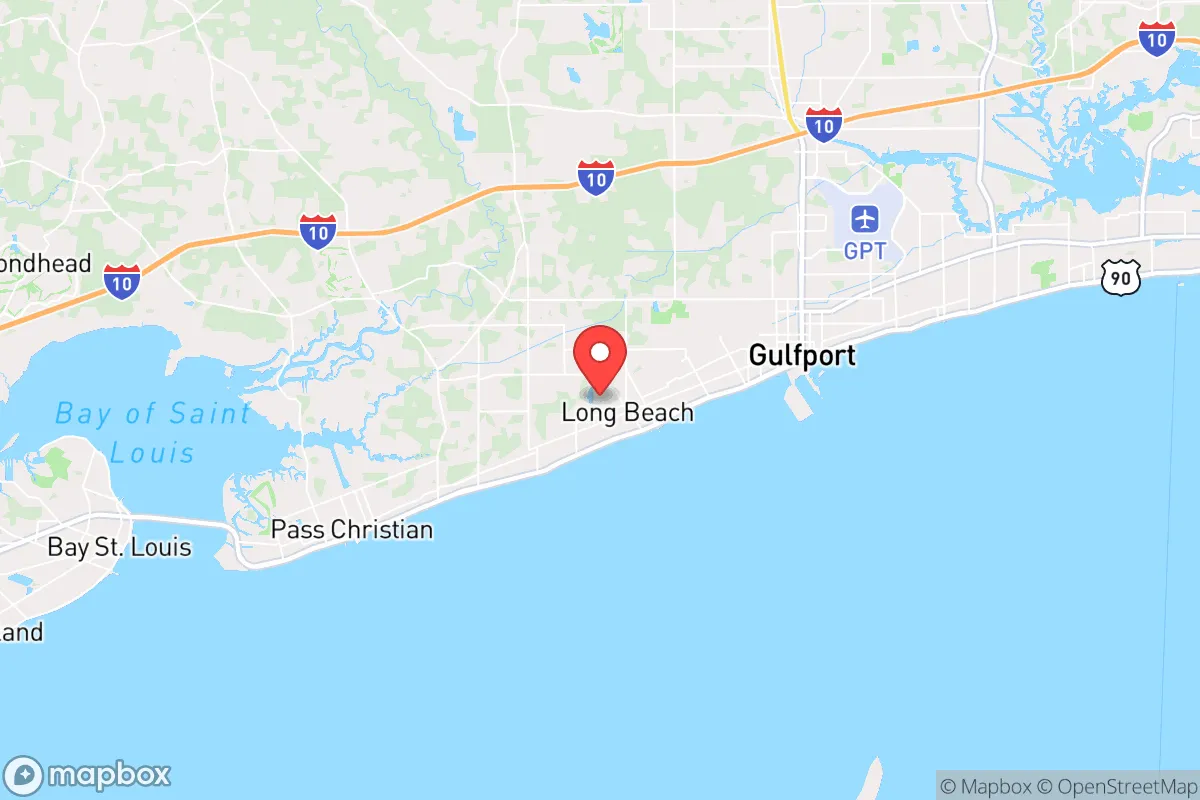
Photo: Wikipedia
Quality of Life in Long Beach, MS
A high quality of life with strong walkability, manageable living costs, healthy neighborhood signals, and solid amenity access.
What does Quality of Life tell us?
Quality of Life blends cost of living, nearby amenities, socioeconomic signals, and neighborhood character. City-level scores represent the whole municipality; individual neighborhoods can differ.
What does this tell us?
Quality of Life blends cost of living, nearby amenities, socioeconomic signals, and neighborhood character. City-level scores represent the whole municipality; individual neighborhoods can differ.
Cost of Living
8% below national average
The Real Cost of Living in Long Beach, MS for 2026
| Tier | Individual | Family (4) |
|---|---|---|
| Survival | $19k | $36k |
| Comfortable | $40k | $59k |
| Luxury | $116k+ | $179k+ |
| Elite (Top 5%) | $136k+ | $211k+ |
121%
The Area Signal
A metric tracking the socioeconomic signals of the area.
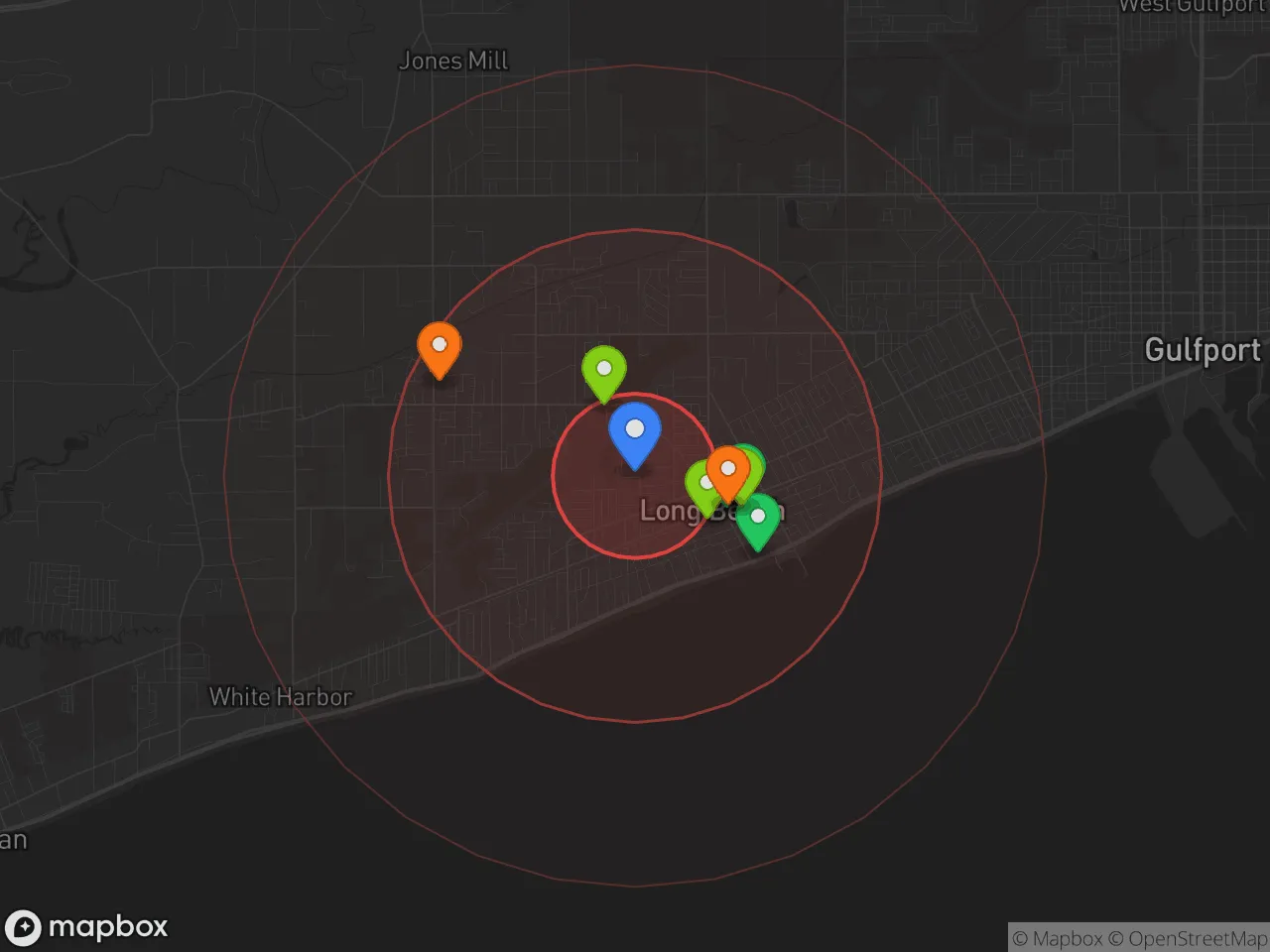
Hobbies
Explore the areaGroceries
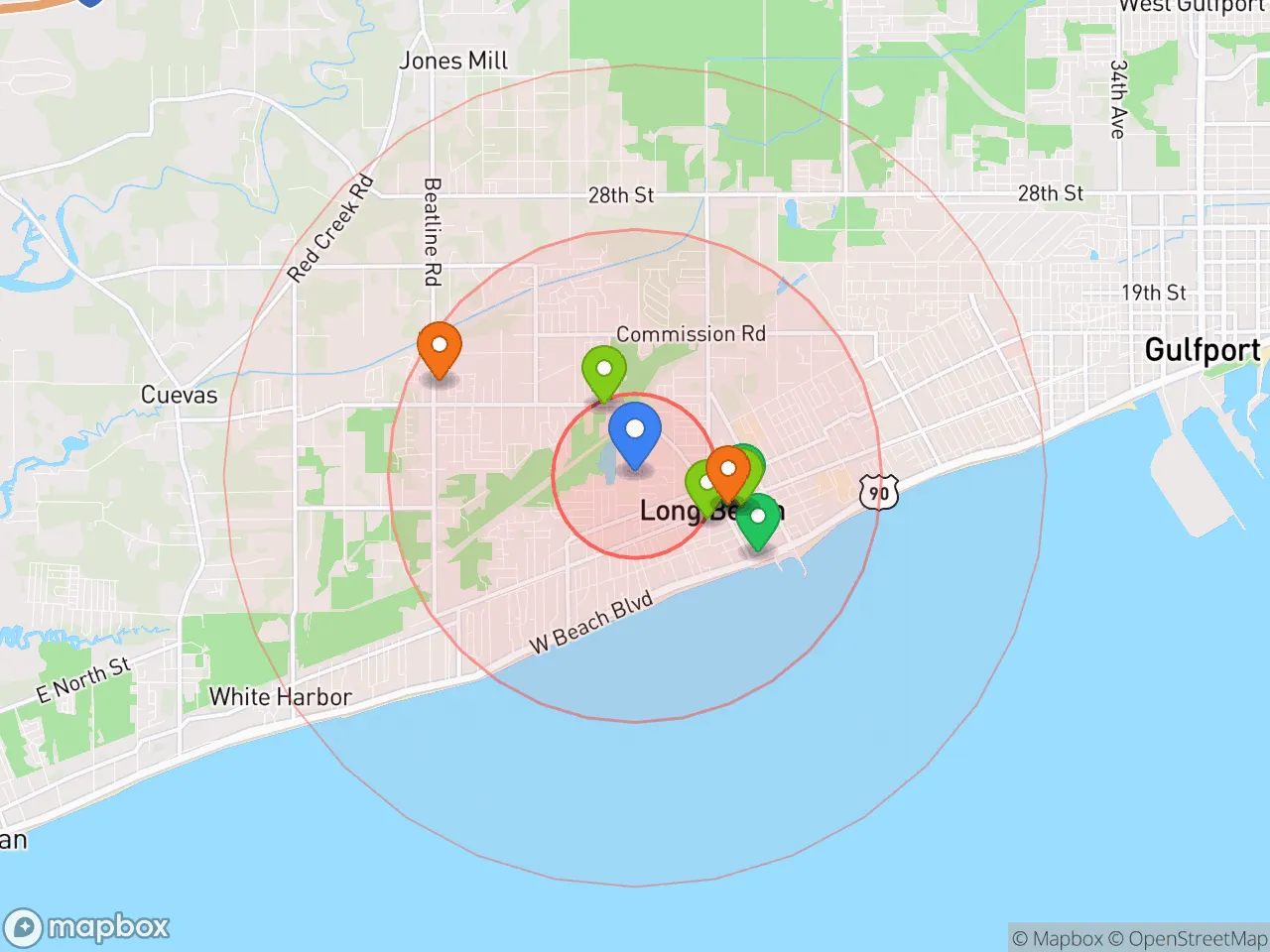
3 within 10 miles
Gas
20 within 10 miles
Hospital
8 within 20 miles
Airport
ATL — Hartsfield–Jackson Atlanta International
Post Office
USPS — Gulfport, MS
Critical Amenities
Quality-of-Life Analysis
Long Beach, Mississippi, offers a quality of life defined by its balance of small-town coastal charm and practical affordability, attracting a mix of young families, retirees, and Gulf Coast professionals who commute to nearby hubs. With a cost of living index of 92—8% below the national average—the city provides a notably lower financial barrier to homeownership than many other beach-adjacent communities in the region. The population skews slightly older and more settled than the national median, reflecting a community where stability and access to the water are primary draws.
Cost of living, housing affordability, and how it compares to nearby Gulf Coast cities
Long Beach’s housing market is a key advantage for newcomers. The median home value sits at $205,300, significantly below the national median of roughly $350,000 and well under the prices seen in neighboring coastal cities like Gulfport (median ~$215,000) or Biloxi (~$200,000). For renters, the median monthly rent of $1,209 is competitive, though it has risen about 15% since 2020, reflecting broader Gulf Coast demand. When compared to pricier Mississippi towns like Ocean Springs (median home ~$260,000), Long Beach offers a more accessible entry point for first-time buyers. The average commute of 22.97 minutes is slightly longer than the national average of 26 minutes, but it remains manageable for those working in Gulfport (10 miles west) or at the Stennis Space Center (20 miles east). Property taxes in Harrison County are moderate, typically around 0.8% of assessed value, keeping monthly carrying costs lower than in many Southern coastal counties.
Local amenities, schools, and what daily life is like for families and retirees
Daily life in Long Beach centers on its walkable downtown district along Jeff Davis Avenue, which hosts a weekly farmers market and local eateries like the Mockingbird Café. The city’s public schools, part of the Long Beach School District, are consistently rated among the top in Mississippi—the high school holds an A rating from the state and offers dual-enrollment programs with Mississippi Gulf Coast Community College. For recreation, Long Beach Beach Park provides a 1.5-mile stretch of sand with picnic pavilions and a fishing pier, while the nearby De Soto National Forest offers hiking and camping within a 30-minute drive. The rhythm of life is notably slower than in Gulfport or Biloxi; there are no casinos within city limits, and the annual Long Beach Crab Festival in October draws crowds without overwhelming the town. Healthcare access is solid, with Memorial Hospital at Gulfport and Singing River Health System both within a 15-minute drive.
Long Beach is best suited for those who prioritize a quieter, more affordable coastal lifestyle over nightlife or urban density. Retirees on fixed incomes benefit from the low cost of living and proximity to Gulf Coast medical facilities, while families are drawn to the strong school system and safe neighborhoods—violent crime rates in Long Beach are roughly half the national average. Commuters working at the Port of Gulfport, Keesler Air Force Base, or the shipbuilding industry in Pascagoula will find the 23-minute average drive a reasonable trade-off for lower housing costs. However, those seeking a vibrant arts scene or frequent entertainment options may find the city too subdued, as most cultural and dining amenities are concentrated in Gulfport or Biloxi, a 10- to 15-minute drive east. For the right buyer—someone who values space, schools, and shoreline access without the premium price tag—Long Beach delivers a stable, affordable Gulf Coast base.

Crime in Long Beach, MS
Lower crime rates than 93% of comparable U.S. locations.
Violent CrimeViolent Crime Analysis
Property CrimeProperty Crime Analysis
Crime Analysis
Long Beach, Mississippi, reports a violent crime rate of 46.2 incidents per 100,000 residents, a figure that is dramatically lower than both the national average and the state average for Mississippi. Property crime in the city stands at 698.6 per 100,000, which is also below the national benchmark. However, these city-level statistics must be weighed against the broader criminal justice environment of Harrison County and the surrounding Gulf Coast region, where progressive prosecutorial policies in nearby larger metro areas can influence regional crime patterns and recidivism.
Crime in context
Long Beach’s violent crime rate is roughly one-sixth the national average and a fraction of Mississippi’s state rate, which typically exceeds 250 per 100,000. Property crime in Long Beach is also notably lower than the national rate of approximately 1,900 per 100,000. While these numbers paint a picture of a relatively safe small city, residents should be aware that Long Beach sits within commuting distance of larger Gulf Coast metros like Gulfport and Biloxi. These larger jurisdictions have, in recent years, been influenced by district attorneys and judges who prioritize progressive criminal justice reforms—such as reduced cash bail, diversion programs, and lighter sentencing for repeat offenders. Such policies, while well-intentioned toward offenders, can result in higher rates of property crime and recidivism that spill over into adjacent communities like Long Beach.
What residents experience
Daily life in Long Beach is generally quiet, with most crime being non-violent and opportunistic—vehicle break-ins, package theft, and occasional burglaries. The city’s low violent crime rate means that random acts of violence are rare. However, the progressive judicial philosophy common in the region’s larger courts means that criminals arrested in Long Beach may face lenient consequences if their cases are processed in the county system. This can lead to a revolving-door effect where property offenders are quickly back on the street, potentially targeting the same neighborhoods. Residents often report that while they feel safe walking during the day, they remain vigilant about locking cars and securing homes, particularly near the US 90 corridor and areas closer to Gulfport.
Neighborhood-level variation
Safety in Long Beach varies noticeably by neighborhood. The areas west of Railroad Street and closer to the beachfront tend to have the lowest crime rates, with well-established residential blocks and active neighborhood watch programs. East of Jeff Davis Avenue and near the city’s border with Gulfport, property crime rates tick upward, correlating with higher rental turnover and proximity to Gulfport’s more crime-prone zones. The area around the University of Southern Mississippi’s Gulf Park campus sees occasional petty theft but remains generally safe due to campus security presence. For the most security, prospective residents should focus on the central and western residential districts, avoiding properties directly adjacent to the Gulfport city line where spillover crime is more common.
* Values derived from national, state, county, city and local statistics and may differ in a specific area. Last updated: 2026-04-23T05:32:34.000Z
Narrative content on this page is AI-generated and may contain mistakes. Verify any details that matter before acting on them.
ReloMaps may earn a commission from affiliate links at no extra cost to you.

