Photo: Wikipedia
Political ClimatePolitical Climate in East Baton Rouge County
Showing district-level results — no local-only data available.
Local Political AnalysisPolitical Analysis of East Baton Rouge County
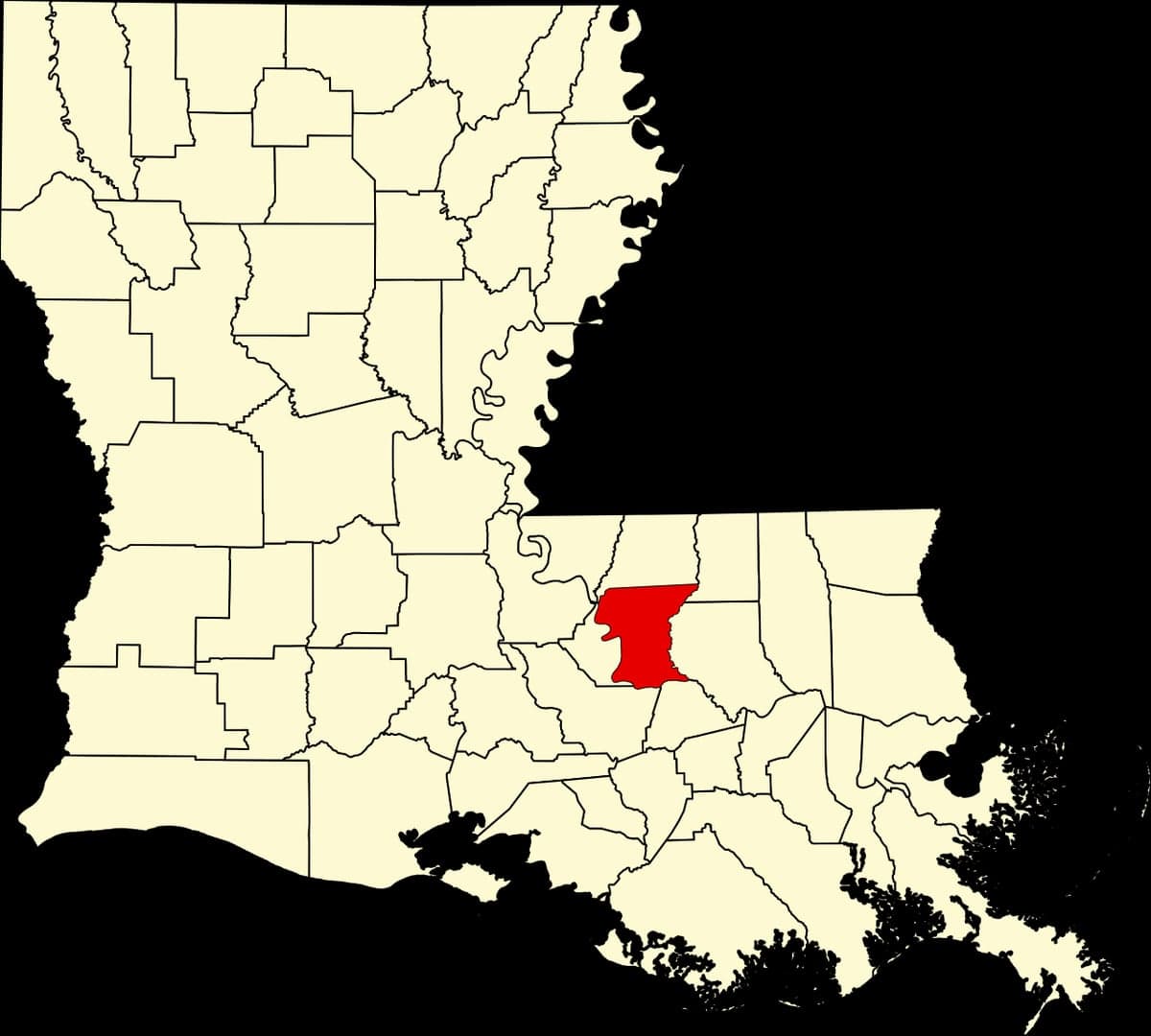
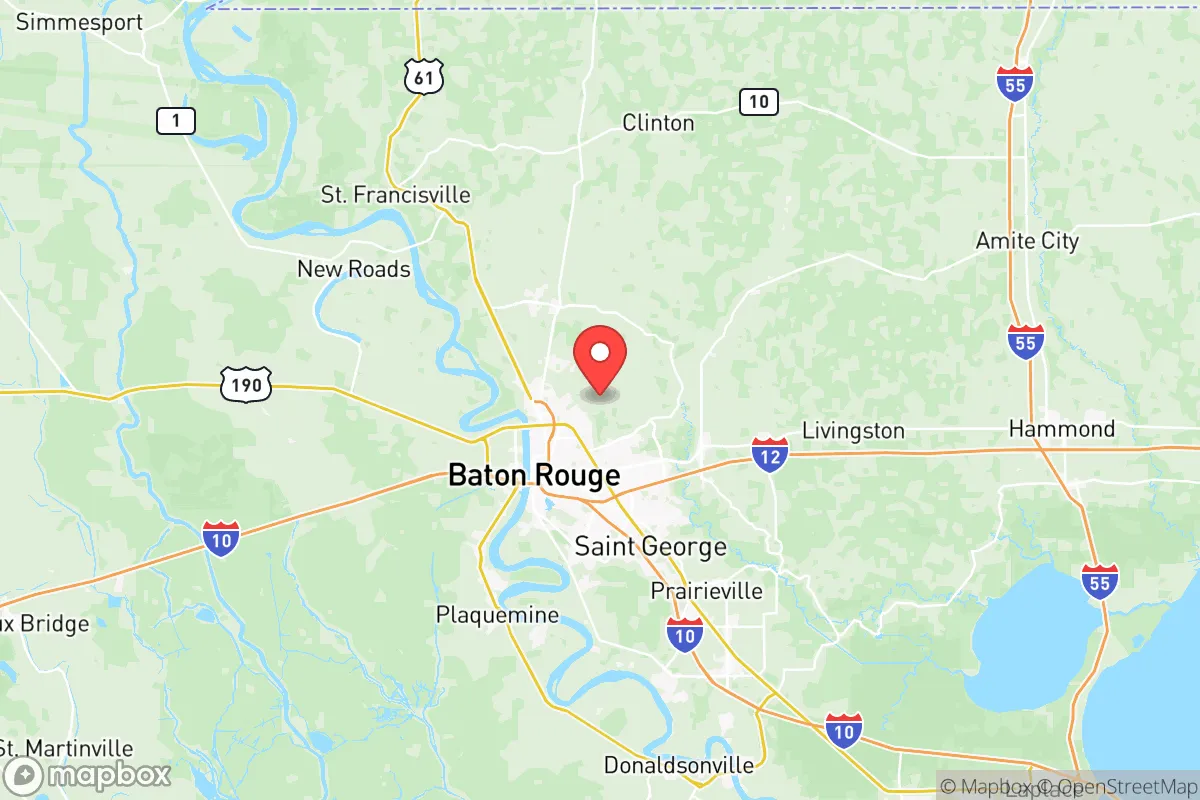
East Baton Rouge Parish has long been a fascinating political battleground. The parish itself carries a Cook PVI of R+18, making it significantly more Republican than the state of Louisiana overall, which sits at R+10. But that number hides a lot of nuance. The city of Baton Rouge proper—especially neighborhoods like Mid City, the Garden District, and areas near LSU—leans reliably blue and has trended further left in recent cycles. Meanwhile, the suburbs tell a very different story. Towns like Zachary, Central, and Prairieville are deeply red, with precincts often going 70-80% Republican. The real fight happens in swing neighborhoods like parts of South Baton Rouge and the east side of the parish near Sherwood Forest, where races are decided by a few percentage points. I’ve seen this shift over the last twenty years – the rural and suburban areas have hardened their conservative identity, while the city center has become more progressive. That tension defines local politics here.
How it compares
Compared to the state as a whole, East Baton Rouge is more polarized. Louisiana’s R+10 average reflects a broad, mostly reliable red vote, but the parish is split right down the middle in a way that the rest of the state isn’t. Outside of Orleans and Jefferson, you don’t see many parishes with such a stark urban-suburban divide. In East Baton Rouge, the city’s Democratic machine still holds sway over city-parish government, but the outlying towns often feel like they’re under different rule entirely. Statewide, a Republican can win by double digits without breaking a sweat. But in this parish, local races are knife fights. The tax policies and zoning decisions that come out of Baton Rouge city hall are often at odds with what folks in Zachary or Central want. For example, the city council’s push for more density and transit-oriented development along Florida Boulevard isn’t popular in the bedroom communities. That’s a real concern if you value local control and don’t want a one-size-fits-all approach shoved down your throat from downtown.
What this means for residents
If you’re a conservative living in East Baton Rouge Parish, you’ve got to be engaged. The city has seen a noticeable uptick in progressive activism – things like defund the police rhetoric gaining airtime at council meetings, and a school board that has flirted with critical race theory curriculum supplements. Those are big red flags for anyone who believes in limited government and parental rights. The mayor-president’s office has been more moderate in recent years, but the city council has a growing progressive faction that pushes for higher taxes, stricter business regulations, and social policies that feel imported from the West Coast. For those of us who remember when Baton Rouge was a live-and-let-live place, it’s concerning. The suburbs, thank goodness, have held the line. Central and Zachary have their own school districts and police departments, which means they can set their own priorities without Baton Rouge’s interference. That’s a huge advantage. But if the city keeps trending left, it could eventually try to annex or impose regional mandates. That’s the kind of government overreach we need to watch closely.
One cultural distinction that stands out is the role of the state capitol. Because Baton Rouge is the seat of Louisiana government, there’s a constant tug-of-war between local progressive initiatives and conservative state laws. The legislature has preempted the city on things like minimum wage increases and firearm ordinances. That’s been a saving grace. So while the city council might want to restrict gun carry or raise the minimum wage, state law stops them. For now. But every election cycle, those protections could weaken. The key takeaway: East Baton Rouge is trending in two directions at once. The suburbs and rural fringe are as red as ever, but the urban core is shifting. If you’re considering a move here, pick your town carefully. Don’t assume the whole parish is like the outskirts. And if you value personal freedom and local control, get ready to stay politically active – because the other side certainly is.

State Political ClimatePolitical Climate in Louisiana
State Political AnalysisPolitical Environment in the State
Louisiana leans solidly Republican with a Cook PVI of R+10, but that single number masks a state where the political terrain varies dramatically from one parish to the next. Over the last two decades, the state has lurched from a Democratic-leaning Southern holdout into a reliably red stronghold, driven by white working-class realignment, evangelical turnout, and the slow but steady growth of conservative suburbs. What you get here is a deep-red rural and exurban base pushing against a few stubborn, Democrat-run cities that feel like they belong in a different state entirely.
Urban vs. rural divide
The political map of Louisiana is a classic story of city versus country, but with a Southern twist. New Orleans and its surrounding suburbs are the Democratic anchor: Orleans Parish consistently delivers 70%+ of its vote to Democratic candidates, making it the blue heart of the state. Baton Rouge is more of a purple battleground, with East Baton Rouge Parish often competitive but trending slightly left in recent cycles. Up north, Shreveport and Monroe vote reliably Democratic, but they are surrounded by deep-red rural parishes that cancel out their influence. Lafayette and Lake Charles tilt conservative, while Alexandria is a quiet red town surrounded by even redder countryside. The real GOP firepower comes from the North Shore suburbs—Mandeville, Covington, and Slidell—where registered Republicans outnumber Democrats by wide margins and turnout is sky-high. Bossier City, just across the Red River from Shreveport, is another conservative stronghold, boosted by military and aerospace presence at Barksdale Air Force Base.
Policy environment
Louisiana’s policy climate is a mixed bag for conservatives, but the trend line is encouraging. On taxes, the state has no state property tax, which is a massive win for homeowners, though high sales taxes (among the highest in the nation at the state and local level combined) offset some of that gain. Income taxes are moderately progressive, with a top rate of 4.25% after recent reforms. The regulatory posture is generally business-friendly, with a right-to-work law and a legal climate that has improved in recent years. On education, Louisiana has been a national leader in school choice: the state offers vouchers, charter schools, and the Course Choice program, giving parents real alternatives to failing district schools. Healthcare is a flashpoint: the state expanded Medicaid under the Affordable Care Act in 2016, a decision that many conservatives view as a costly overreach that has ballooned the budget. Election laws include a unique jungle primary system, where all candidates regardless of party run on the same ballot, and the top two advance—a system that tends to favor more extreme candidates on both sides and can make general elections feel like afterthoughts.
Trajectory & freedom
On balance, Louisiana is becoming more free in several key areas that matter to conservatives. In 2021, the state passed constitutional carry (Act 319), allowing permitless concealed carry—a major win for Second Amendment advocates. The 2022 trigger law enacted a near-total abortion ban with narrow exceptions, aligning the state with the pro-life movement. School choice has been expanded repeatedly, most recently with the Louisiana GATOR Scholarship program in 2024, which gives more families access to private and parochial schools. Parental rights in education have also gained traction, with laws requiring transparency in classroom materials and prohibiting certain divisive concepts. However, concerns remain. New Orleans operates under its own policy regime in many ways, with higher local taxes, less restrictive gun laws (though still state preemption applies), and a city government that often pushes progressive priorities like criminal justice reform and sanctuary policies. The state’s high sales tax burden and persistent corruption at the local level are ongoing frustrations for freedom-minded residents. Medicaid expansion remains a point of tension, with conservatives arguing it has created dependency and fiscal strain.
Civil unrest & political movements
Louisiana has seen its share of civil unrest, particularly in New Orleans, where Black Lives Matter protests were large and sustained in 2020 and where Confederate monument removals sparked heated debates that continue today. The state has a strong independent streak, with a history of secessionist rhetoric—though mostly symbolic—and a political culture that values local control. Immigration politics are less visible here than in border states, but the issue flares up periodically, particularly around New Orleans’ status as a sanctuary city (the city has limited cooperation with ICE, though it’s not officially a sanctuary jurisdiction). Election integrity has been a topic of debate since 2020, with some Republican officials pushing for stricter voter ID laws and audits. Organized activist movements on the right are robust, particularly around gun rights, school choice, and pro-life causes. On the left, environmental justice and criminal justice reform are major organizing themes in Baton Rouge and New Orleans.
Projection
Over the next five to ten years, Louisiana is likely to remain a solidly red state in presidential and statewide elections, with the GOP base continuing to consolidate in the suburbs and rural areas. Population growth is modest but concentrated in the North Shore and parts of Acadiana—areas that vote increasingly conservative. New Orleans and Baton Rouge will remain Democratic strongholds, but their influence at the state level is limited by the rest of the map. In-migration from other states is low compared to Texas or Florida, so the demographic mix is relatively stable. The biggest wild card is whether the state can address its persistent fiscal challenges—including high sales taxes and pension liabilities—without turning to new taxes or expanding government. If
* Values derived from national, state, county, city and local statistics and may differ in a specific area. Last updated: 2026-05-20T23:57:37.000Z
Narrative content on this page is AI-generated and may contain mistakes. Verify any details that matter before acting on them.
ReloMaps may earn a commission from affiliate links at no extra cost to you.

