Photo: Wikipedia
Strategic Assessment of East Baton Rouge County
Meaningful friction. Expect exposure to either population pressure, blast zones, or natural disaster risk. Consider buying a retreat property.
What does the Strategic Assessment tell us?
Our Strategic Assessment grades tactical survivability of an area. Major population centers, military targets, fallout zones, natural disasters, and border exposure all drive risk — lower exposure means a more defensible position in a crisis.
This is heavily inspired by Joel Skousen's Strategic Relocation book. Highly recommended you checkout the book ($)What does this tell us?
Our Strategic Assessment grades tactical survivability of an area. Major population centers, military targets, fallout zones, natural disasters, and border exposure all drive risk — lower exposure means a more defensible position in a crisis.
This is heavily inspired by Joel Skousen's Strategic Relocation book. Highly recommended you checkout the book ($)Strategic Pillars

Key Distances
Strategic Assessment Analysis
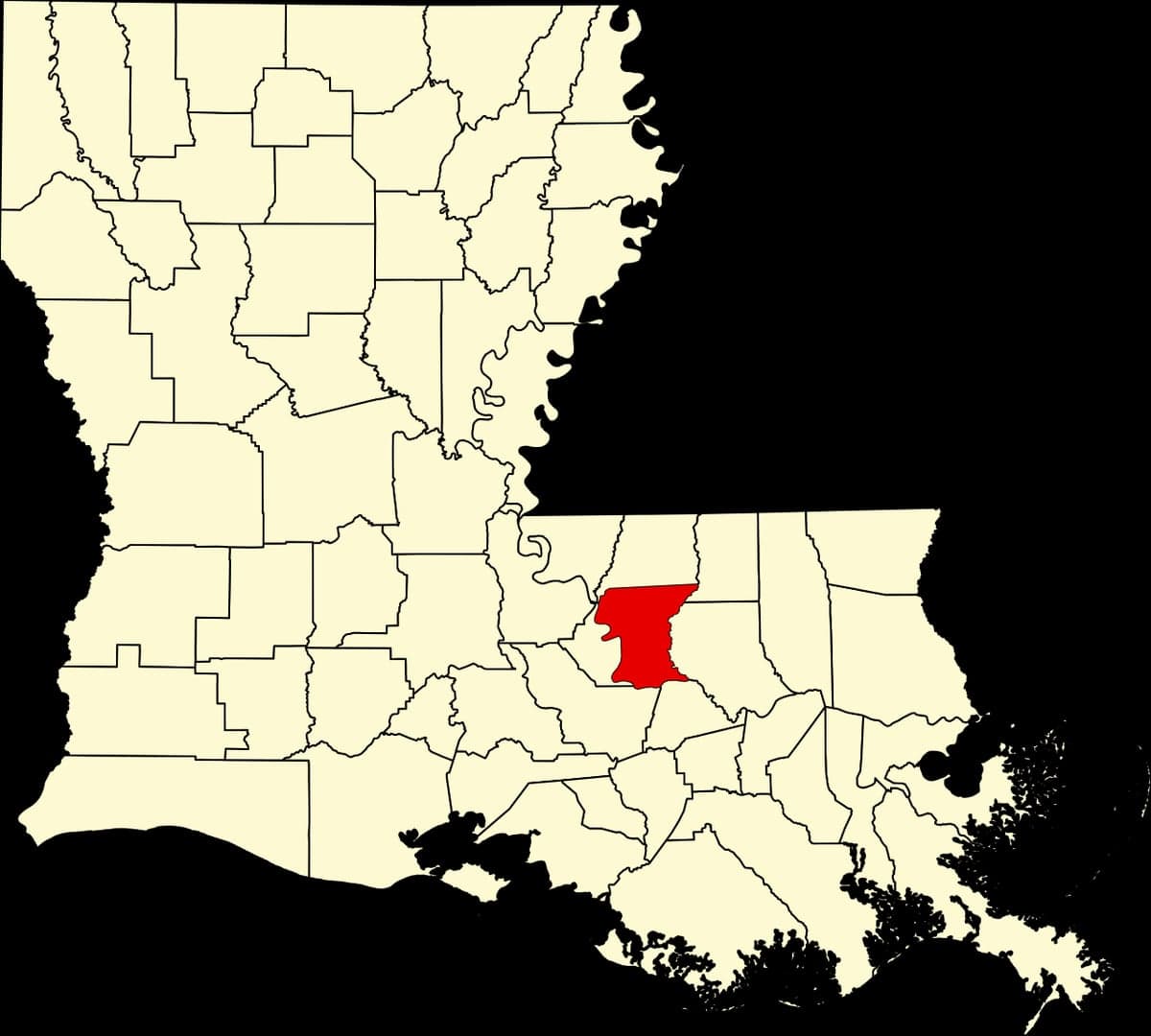
East Baton Rouge County presents a mixed strategic picture for the survivalist or prepper: it offers deep-water river access, moderate seismic stability, and a strong agricultural hinterland, but sits directly adjacent to one of the nation’s largest refinery concentrations and a major state capital. For single individuals and families prioritizing bug-in resilience or a regional relocation hub, the county’s industrial density and population center create both a buffer against total isolation and a serious target-risk tradeoff. The real decision here is less about raw security and more about proximity to resources versus proximity to fallout.
How East Baton Rouge’s location on the Mississippi River and I-10 corridor affects prepper planning
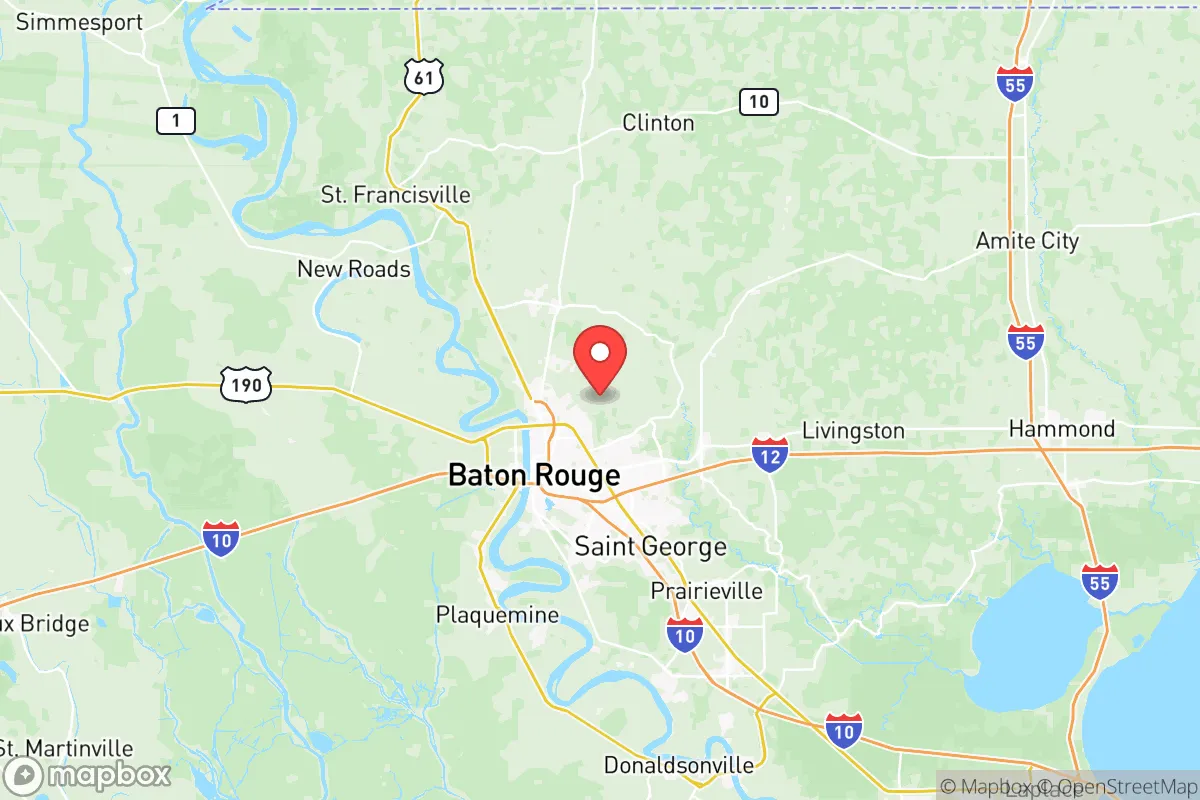
East Baton Rouge County straddles the Mississippi River at a point roughly halfway between New Orleans (80 miles south) and the industrial corridor of Baton Rouge proper, which includes the ExxonMobil Baton Rouge Refinery—one of the largest in the Western Hemisphere. The county also sits at the intersection of Interstates 10, 12, and 110, making it a critical chokepoint for east-west and north-south movement. For a prepper, that location is a double-edged blade: you have direct river-borne resupply potential and multiple evacuation vectors, but you are also pinched by the same highway bottlenecks that will clog during any crisis. The nearby Port of Greater Baton Rouge is a deep-water facility handling grain, chemicals, and petroleum—valuable for black-market barter or post-event trade, but also an obvious target for state seizure or collateral damage from a refinery accident. The county’s terrain is mostly flat, river-bottom land with limited natural chokepoints; defensibility outside of a well-chosen rural property is low.
Proximity risks to refineries, ports, and the capital: what preppers need to weigh
The most concrete threat to any bug-in location in East Baton Rouge County is the Louisiana Chemical Corridor, a 50-mile stretch of refineries and chemical plants along the Mississippi from Baton Rouge to New Orleans. The county itself hosts the ExxonMobil refinery and the Baton Rouge Petrochemical Complex; a single major accident or deliberate attack could produce a toxic plume that blankets large portions of the parish. Additionally, the Louisiana State Capitol in downtown Baton Rouge is a symbolic target for any coordinated unrest, meaning proximity to the urban core increases the risk of martial law, checkpoints, or forced evacuations. The county is also within 80 miles of Fort Johnson (formerly Fort Polk), a major Army installation that could serve as a staging area for federal emergency response—but also a concentration point for government control. For the prepper, being within an hour’s drive of a military base reduces your autonomy; the zone between the base and the capital is likely to see heavy monitoring.
Practical resilience for a relocator: food production, water access, energy options, and defensible terrain
On the positive side, East Baton Rouge County has a growing network of small-scale farms, farmers markets, and a robust local hunting culture for game like deer and wild hog. The Mississippi River provides an essentially unlimited surface water source—but also requires advanced filtration given upstream agricultural runoff and industrial discharge. The county’s alluvial soils are fertile for gardening, though the humid subtropical climate demands careful crop selection (okra, sweet potatoes, and beans do well). For energy independence, solar potential is fair (around 5.1 peak sun hours) but hurricane cloud cover can wipe out generation for days. Many rural properties outside Baton Rouge proper are on well water, which is a plus, but the water table is shallow and vulnerable to chemical infiltration from the corridor.
Defensibility is the weak link. The county is a mix of suburban subdivisions, strip-mall corridors, and scattered agricultural tracts. There are no mountain passes or dense forests to hold. Look for properties in the far northern reaches near Zachary or Baker—those areas offer slightly more rural spacing and less traffic chokepoint risk. Areas near the Comite River or the Amite River floodplains offer natural barriers but also flooding exposure. For a single individual, a small acreage with a deep well, solar panels, and a root cellar is achievable; for families, the need for school access and social stability may push you toward the Central or Greenwood areas, where lot sizes increase and population density drops. Avoid anything within five miles of the Interstate 10/12 interchange or the refineries—that’s the blast/plume zone.
Overall, East Baton Rouge County is a high-risk, moderate-reward location for the conservative prepper. Its industrial and capital assets make it a likely target for both natural and man-made disasters, and the easy flat terrain offers little natural shelter. However, for someone who already has a robust water-filtration and food-storage plan, and who chooses a rural parcel north of the urban core, the area’s river access and proximity to the wider Gulf South network can be leveraged for barter, evacuation, or staged relocation. If you decide to settle here, your primary strategic focus must be on hardening your shelter against chemical fallout and establishing multiple independent water sources—because the County’s biggest liability is that it sits right on the bullseye of America’s energy infrastructure, and that bullseye won’t be missed.

* Values derived from national, state, county, city and local statistics and may differ in a specific area. Last updated: 2026-05-20T23:57:37.000Z
Narrative content on this page is AI-generated and may contain mistakes. Verify any details that matter before acting on them.
ReloMaps may earn a commission from affiliate links at no extra cost to you.

