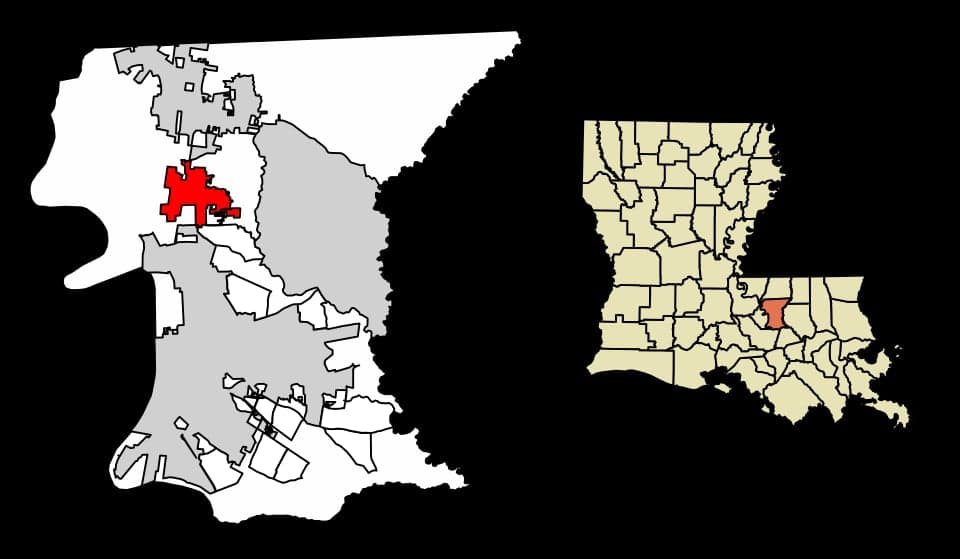
Photo: Wikipedia
Find The Best Places To Live
in Baker
PRO TIP! You can paste a Zillow or Redfin link to get info on that property.
What It's Like Living in Baker, LA
Living in Baker, Louisiana, feels a bit like being part of a small-town secret that sits just off the interstate. It’s a place where you know your neighbors by name, the Friday night lights are a big deal, and you can get to Baton Rouge in under 20 minutes without feeling like you’re stuck in the city’s sprawl. With a population just over 12,300 and a median age of 32.4, it’s a community of young families and working folks who value affordability and a slower pace, but don’t want to be completely cut off from urban amenities.
The Daily Rhythm: A Commuter Town with a Local Heart
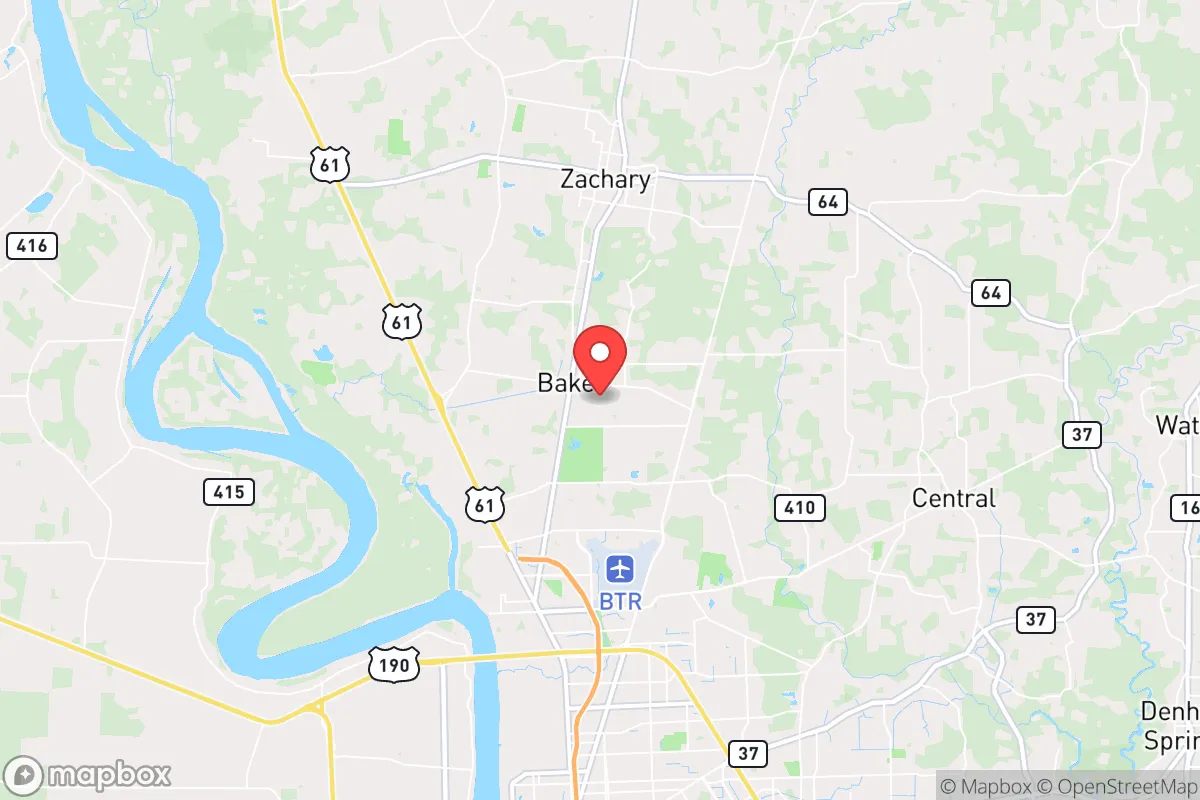
For most people in Baker, the day starts early. The average commute clocks in at about 25 minutes, which is a bit longer than the national average, but that’s because a huge chunk of the workforce heads south to Baton Rouge or west to Port Allen for jobs. You’ll see a steady stream of trucks and sedans heading out on Highway 19 or LA-67 each morning. The big employers aren’t in town itself—most people work in industrial plants along the Mississippi River, in healthcare, or in state government in the capital. That means Baker functions as a quiet, affordable bedroom community. After work, life centers on home. You’ll find folks grabbing groceries at the local Winn-Dixie, picking up a po’boy from a corner spot, or spending the evening on a porch or in a small backyard. Weekends are often about church, family cookouts, and maybe a trip to the nearby Comite River for some fishing or kayaking.
Sports, Community, and the Local Identity
High school sports are the heartbeat of Baker. The Baker High School Buffaloes are a source of genuine pride, and Friday night football games in the fall are where you’ll see the whole town—parents, grandparents, and kids who will one day play for the team. It’s not just about the game; it’s the social hub. Basketball season is also big, and you’ll hear folks talking about the team’s prospects at the local gas station or diner. There’s no pro sports team in town, but most residents are die-hard LSU Tigers fans, and you’ll see purple and gold everywhere during college football season. The community’s identity is deeply tied to its resilience. Baker has a strong sense of self-reliance, and there’s a quiet pride in being a place that’s “not Baton Rouge”—less traffic, less crime, and a more straightforward way of life.
What’s There to Do: Honest Entertainment and Outdoor Life
Let’s be real: Baker isn’t a nightlife destination. You won’t find a bustling music venue or a row of craft cocktail bars. Entertainment here is low-key and community-driven. The big annual event is the Baker Crawfish Festival, which brings everyone out for live music, food, and a genuine small-town fair atmosphere. For day-to-day fun, people head to the Baker City Park, which has walking trails, a playground, and sports fields. The nearby Comite River offers a place to launch a canoe or just sit on the bank. For a night out, most people drive the 15-20 minutes into Baton Rouge for dinner or a show. The local bars are more about a cold beer and conversation than a scene—places like Baker’s Sports Bar & Grill are where you’ll find regulars watching a game. If you’re looking for a quiet, family-oriented life where your social calendar is built around kids’ games and neighborhood gatherings, you’ll fit right in. If you crave constant new restaurants and a vibrant nightlife, you’ll likely feel a bit bored.
Pros and Cons: The Real Trade-Offs of Living Here
- Pro: Affordability that’s hard to beat. With a median home value of $146,700 and a cost of living index of 74 (well below the US average of 100), your money goes a long way. A family can buy a solid three-bedroom house here for what a one-bedroom apartment costs in many other parts of the country. The median household income of $59,451 is decent for the area, and the low housing costs make it possible to save or spend on other priorities.
- Con: Crime is a real concern. The violent crime rate sits at 397.5 per 100,000 residents, which is noticeably higher than the national average. It’s not a constant, in-your-face issue, but it’s something longtime residents will tell you to be aware of, especially in certain pockets of town. Most people feel safe in their own neighborhoods, but it’s a factor that comes up in conversation.
- Pro: A true sense of community. People look out for each other. If your car breaks down, a neighbor will help. If there’s a fundraiser for a local family, the town shows up. It’s the kind of place where you can’t go to the grocery store without running into someone you know.
- Con: Limited local job options and amenities. You’ll almost certainly need to commute for work, and you’ll drive to Baton Rouge for most shopping beyond basics, for healthcare specialists, and for any kind of entertainment beyond a movie or a high school game. The local school system is a mixed bag, and many families who can afford it look into private or charter options nearby.
Practical Realities: Weather, Schools, and the Rhythm of Life
The weather is classic Louisiana: hot, humid summers from May through September, with afternoon thunderstorms that are almost a daily ritual. Winters are mild, with occasional cold snaps that surprise everyone. Hurricane season is a real thing, and locals are used to watching the Gulf and having a plan. The schools—Baker High School and the elementary schools—are central to community life, but they face challenges typical of a small, lower-income district. Many parents are heavily involved in the PTA or booster clubs because they know the system needs that support. Traffic is rarely a problem within Baker itself, but the commute to Baton Rouge can get snarled on I-110 during rush hour. The seasonal rhythm is dictated by school calendars, crawfish season (spring), football season (fall), and the occasional break for Mardi Gras, which is celebrated more quietly here than in New Orleans but still brings a festive spirit. For the right person—someone who values space, affordability, and a tight-knit community over urban convenience—Baker offers a solid, grounded place to build a life.

Similar towns to Baker
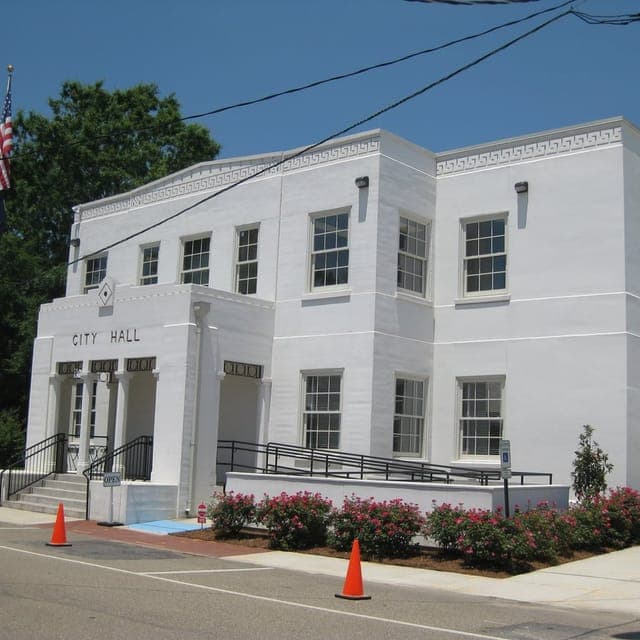
* Values derived from national, state, county, city and local statistics and may differ in a specific area. Last updated: 2026-05-01T03:40:57.000Z
Narrative content on this page is AI-generated and may contain mistakes. Verify any details that matter before acting on them.
ReloMaps may earn a commission from affiliate links at no extra cost to you.

