Photo: Wikipedia
Strategic Assessment of Washington County
Workable tactical position. Some exposure to population density or targets, but generally defensible in a crisis.
What does the Strategic Assessment tell us?
Our Strategic Assessment grades tactical survivability of an area. Major population centers, military targets, fallout zones, natural disasters, and border exposure all drive risk — lower exposure means a more defensible position in a crisis.
This is heavily inspired by Joel Skousen's Strategic Relocation book. Highly recommended you checkout the book ($)What does this tell us?
Our Strategic Assessment grades tactical survivability of an area. Major population centers, military targets, fallout zones, natural disasters, and border exposure all drive risk — lower exposure means a more defensible position in a crisis.
This is heavily inspired by Joel Skousen's Strategic Relocation book. Highly recommended you checkout the book ($)Strategic Pillars

Key Distances
Strategic Assessment Analysis
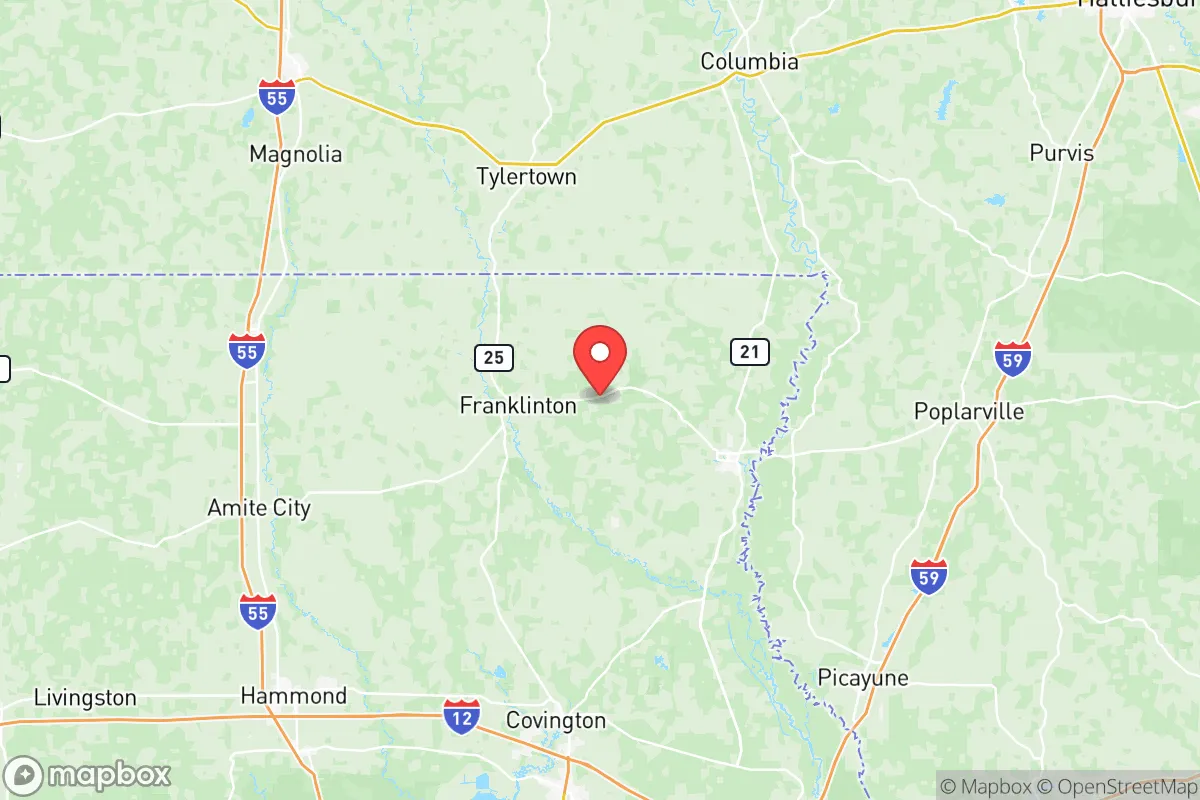
Washington County, Louisiana, offers a compelling mix of deep rural seclusion and strategic proximity to critical infrastructure, making it a serious candidate for relocation-minded individuals and families who prioritize disaster readiness and self-sufficiency. The county’s resilience profile is anchored by its location in the Florida Parishes, a region historically less prone to the worst of Gulf Coast hurricanes, and its position roughly 70 miles north of New Orleans and 50 miles east of Baton Rouge. This places it far enough from major metropolitan blast zones and industrial fallout corridors while remaining within a practical distance for supply runs or medical access. The area’s low population density—around 47,000 residents spread over 670 square miles—combined with its forested, rolling terrain, provides a natural buffer against both urban chaos and coastal storm surge, a combination that appeals to those thinking long-term about security and sustainability.
Geographic position and natural advantages for long-term security
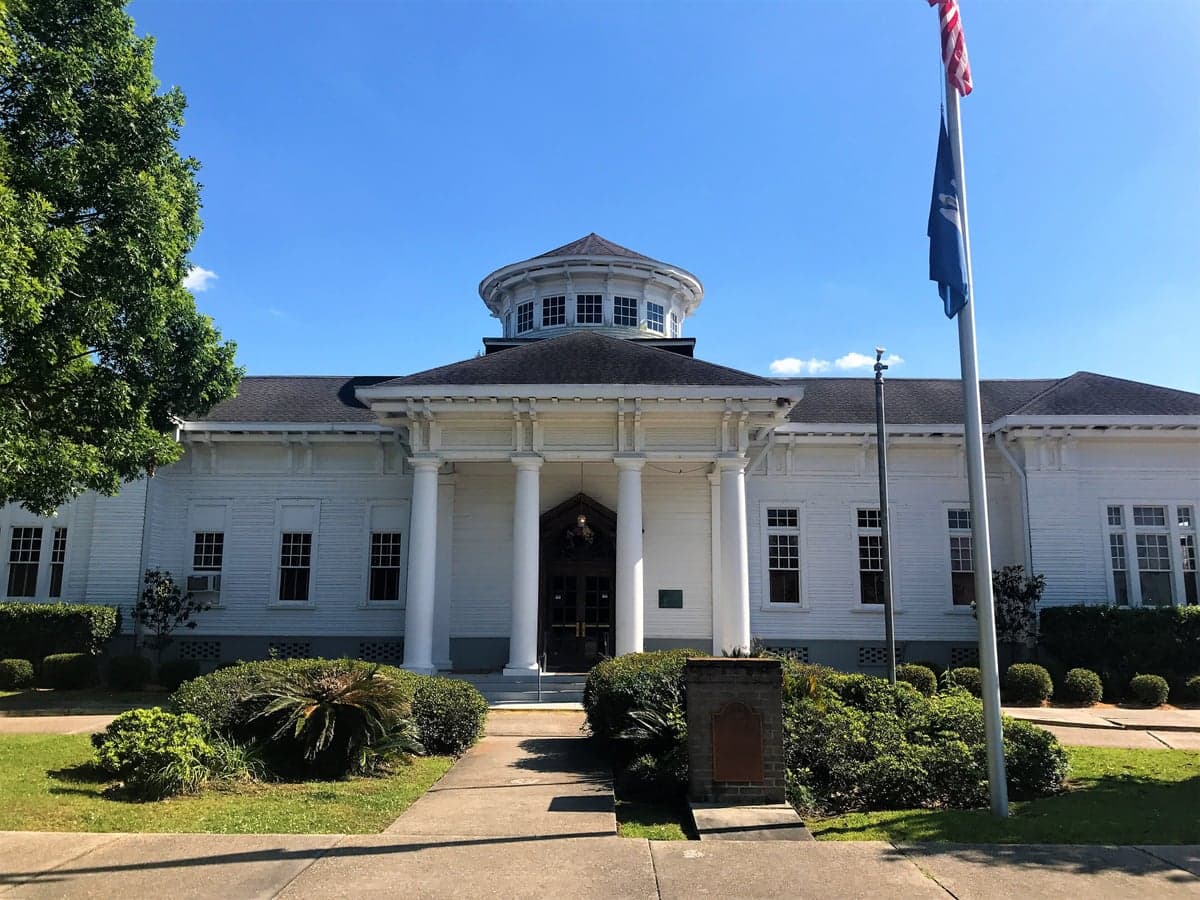
Washington County sits at the northern edge of the Florida Parishes, a region defined by the Pearl River basin and the Bogue Chitto National Wildlife Refuge. The county seat, Franklinton, is the largest town, with roughly 3,800 residents, and serves as the commercial and administrative hub. The area’s geography is a mix of piney woods, hardwood bottoms, and low hills—unusual for coastal Louisiana—which provides natural drainage and reduces flood risk compared to parishes closer to the Mississippi River or Lake Pontchartrain. The Bogue Chitto River and the Pearl River form the eastern and western boundaries, offering reliable freshwater sources and potential for off-grid water collection. The terrain is not mountainous, but its rolling hills and dense forest cover provide natural concealment and defensible positions, especially in the northern parts of the parish near the Mississippi state line. The climate is humid subtropical, with hot summers and mild winters, supporting year-round gardening and livestock operations. The area’s distance from the Gulf Coast—about 80 miles inland—means it rarely sees hurricane-force winds, though tropical storms can still dump heavy rain. The Bogalusa area, just south in Washington Parish, is a notable industrial node, but the county’s core remains rural and forested, with large tracts of timberland that offer both resources and privacy.
Risks, exposures, and proximity to fallout-relevant landmarks
While Washington County avoids the worst of coastal storm surge, it is not immune to natural hazards. The primary risk is flash flooding from the Bogue Chitto and Pearl Rivers during prolonged rain events, particularly in low-lying areas near Franklinton and the unincorporated community of Angie. The 2016 Louisiana floods demonstrated that even inland parishes can see catastrophic water, though Washington County fared better than parishes to the west. Tornadoes are a moderate threat, with the region averaging 2-3 touchdowns per year, typically EF0-EF2. The bigger concern for a resilience-minded relocator is man-made risk. The county is roughly 60 miles from the Baton Rouge petrochemical corridor, a dense cluster of refineries and chemical plants along the Mississippi River. A major industrial accident or terrorist strike at facilities like the ExxonMobil Baton Rouge Refinery or the Dow Chemical plant in Plaquemine could produce a toxic plume that, depending on wind direction, could reach Washington County within hours. Similarly, the Port of New Orleans and the Louisiana Offshore Oil Port (LOOP) are about 70 miles south, making the area a potential secondary fallout zone for maritime or energy infrastructure attacks. The Stennis Space Center in nearby Hancock County, Mississippi, is a NASA and Navy facility that, while not a nuclear target, could be a secondary concern due to its role in rocket testing and military research. On the positive side, there are no major military bases, nuclear power plants, or high-value government facilities within the county itself, reducing the likelihood of a direct strike. The nearest significant military installation is Camp Shelby in Mississippi, about 90 miles north, which is a training base and not a primary target. The county’s low population density and lack of critical infrastructure actually work in its favor for a post-event scenario, as it would likely be bypassed by evacuation flows and remain a low-priority area for secondary attacks.
Practical resilience for a relocator: food, water, energy, and defensibility
For a family or individual serious about self-sufficiency, Washington County offers a solid foundation. The water situation is favorable: the Bogue Chitto and Pearl Rivers are perennial, with good water quality for filtration, and the county’s aquifer is shallow and reliable, with many rural properties already on private wells. The Franklinton Water System serves the town, but most of the county relies on individual wells or small community systems, which are less vulnerable to grid failure. Food production is viable year-round, with a growing season from March to November. The area has a strong tradition of small-scale farming, with local markets in Franklinton and Bogalusa supporting produce, eggs, and meat. The Washington Parish Free Fair, held annually in Franklinton, reflects the agricultural heritage, and the county’s timber industry provides a steady supply of firewood and building materials. Energy resilience is a mixed bag: the county is served by Washington-St. Tammany Electric Cooperative, a rural co-op that has historically been slower to restore power after storms compared to larger utilities. Solar potential is good, with about 215 sunny days per year, and off-grid solar setups are common among preppers in the area. Natural gas is available in Franklinton and some subdivisions, but most rural homes use propane or wood heat. Defensibility is a key advantage: the county’s road network is sparse, with only a few major arteries—US Highway 190 and Louisiana Highway 25—running through it. This limits ingress and egress, which is a double-edged sword: it makes evacuation slower but also makes the area harder to penetrate for looters or hostile groups. The dense pine forests provide natural cover, and many properties are set back from main roads, offering privacy and early warning. The Washington Parish Sheriff’s Office is the primary law enforcement, with a small force that would be stretched thin in a crisis, so community self-defense networks are common. The county’s gun culture is

* Values derived from national, state, county, city and local statistics and may differ in a specific area. Last updated: 2026-07-30T03:11:44.000Z
Narrative content on this page is AI-generated and may contain mistakes. Verify any details that matter before acting on them.
ReloMaps may earn a commission from affiliate links at no extra cost to you.

