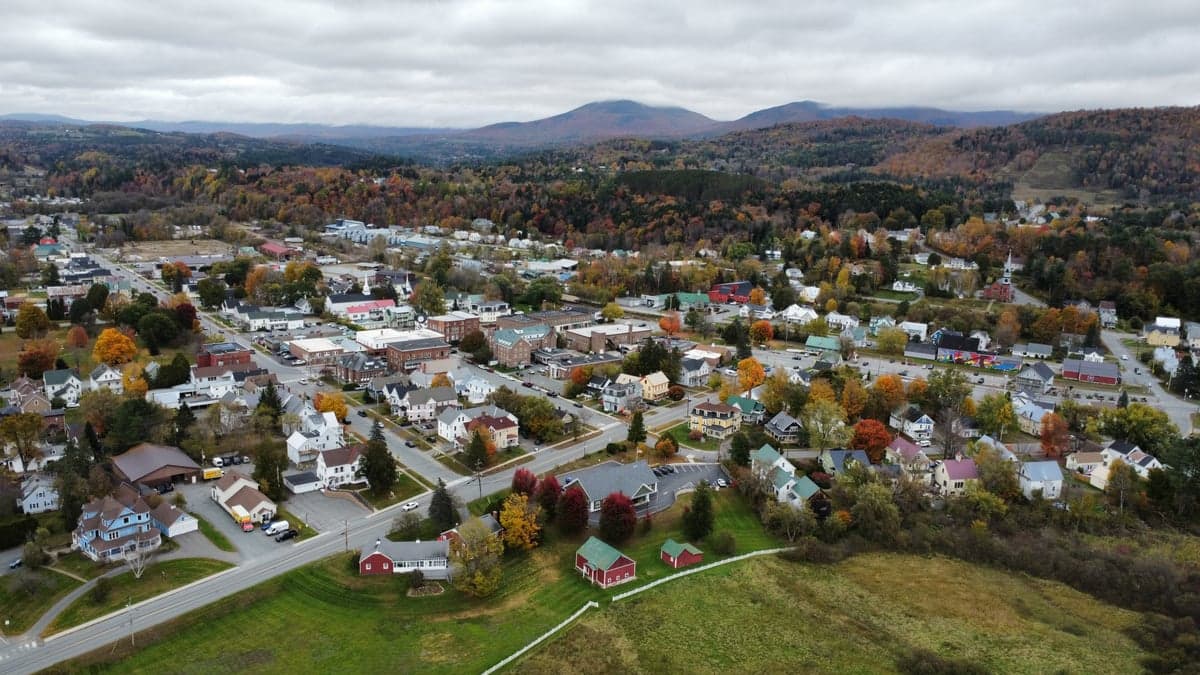
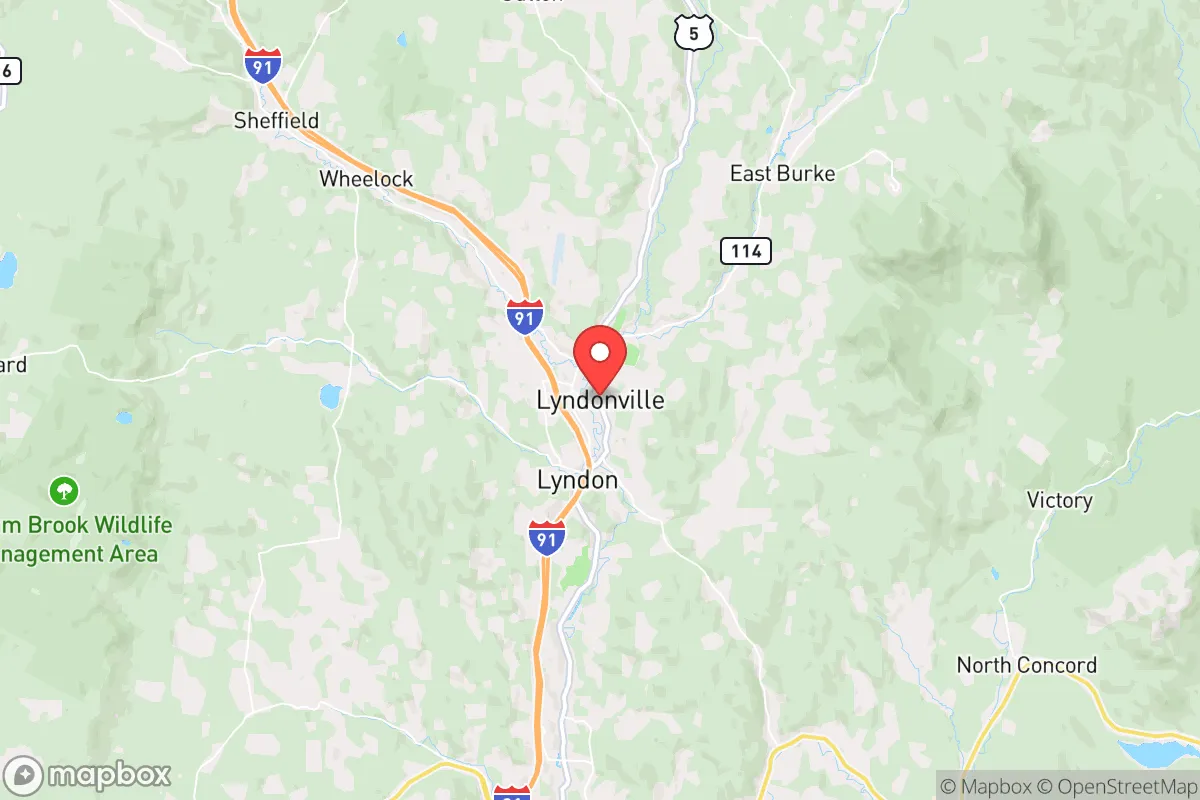
Photo: Wikipedia
Quality of Life in Lyndonville, VT
Above-average quality of iife. The area offers a reasonable cost of living, decent mobility, and a mix of neighborhood amenities.
What does Quality of Life tell us?
Quality of Life blends cost of living, nearby amenities, socioeconomic signals, and neighborhood character. City-level scores represent the whole municipality; individual neighborhoods can differ.
What does this tell us?
Quality of Life blends cost of living, nearby amenities, socioeconomic signals, and neighborhood character. City-level scores represent the whole municipality; individual neighborhoods can differ.
Cost of Living
3% below national average
The Real Cost of Living in Lyndonville, VT for 2026
| Tier | Individual | Family (4) |
|---|---|---|
| Survival | $17k | $32k |
| Comfortable | $53k | $78k |
| Luxury | $77k+ | $120k+ |
| Elite (Top 5%) | $91k+ | $141k+ |
56%
The Area Signal
A metric tracking the socioeconomic signals of the area.
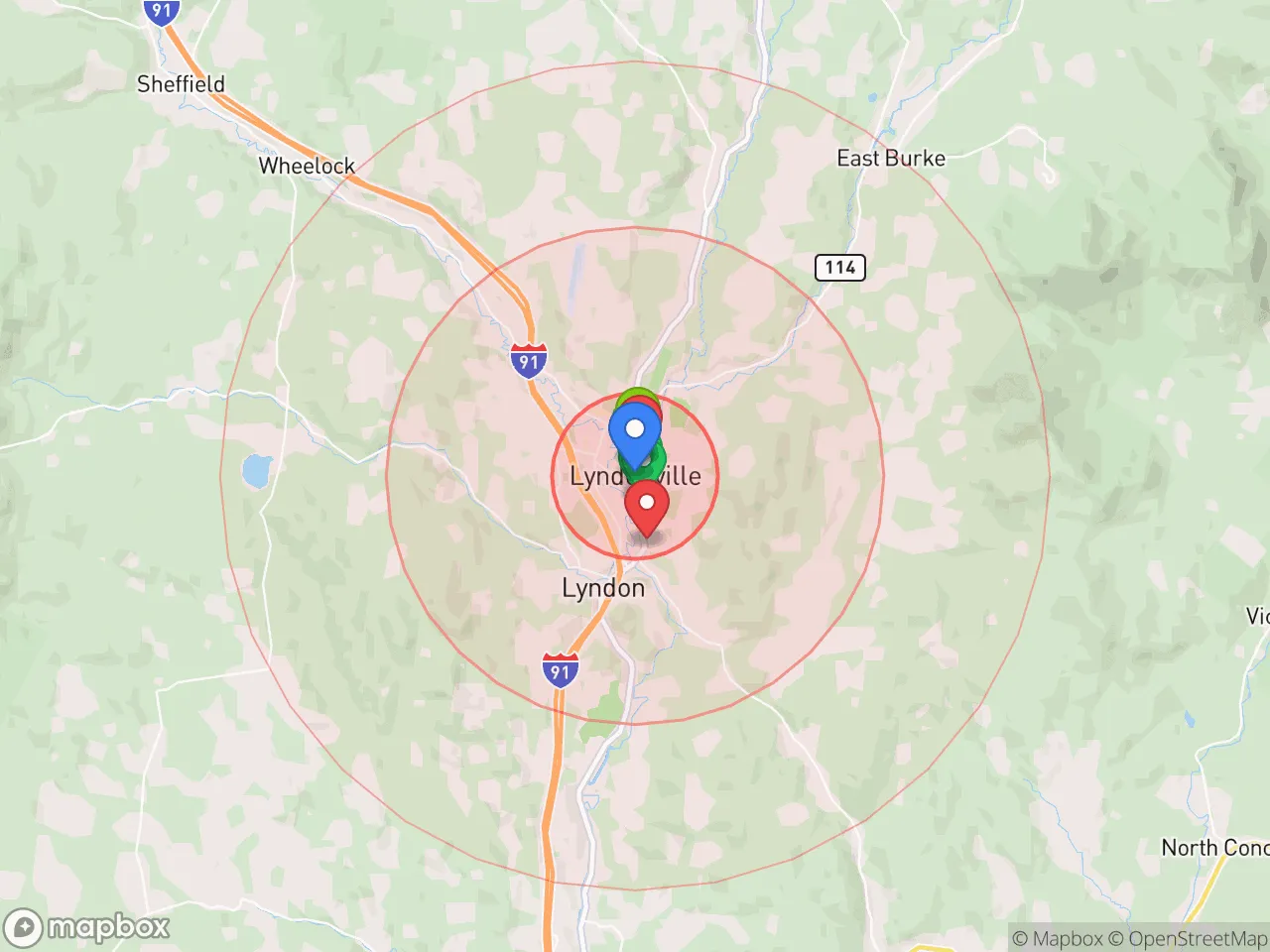
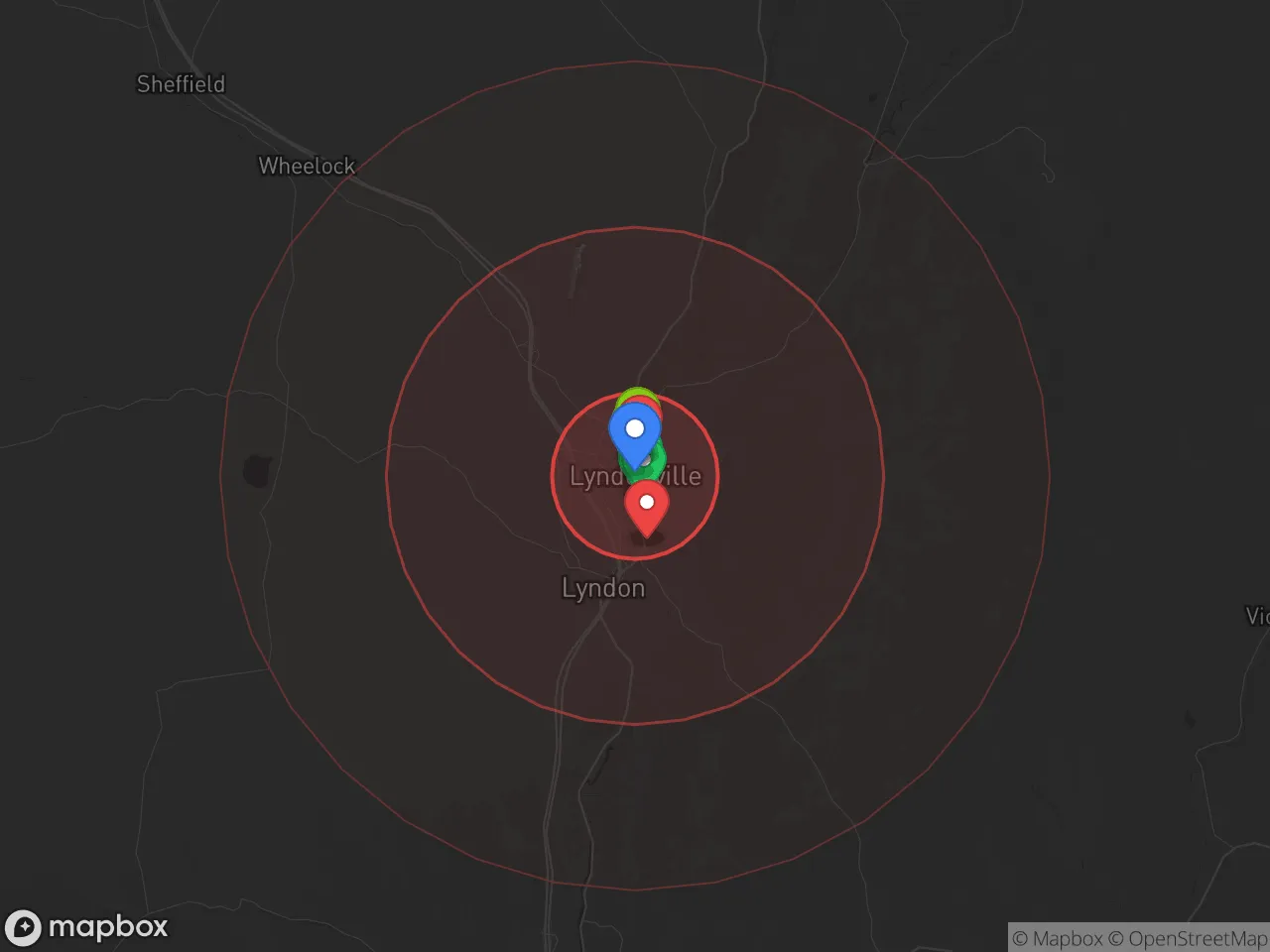
Hobbies
Explore the areaGroceries
1 within 10 miles
Gas
14 within 10 miles
Hospital
2 within 20 miles
Airport
PDX — Portland International Jetport
Post Office
USPS — Lyndonville, VT
Critical Amenities
Quality-of-Life Analysis
Lyndonville, Vermont, presents a quality of life defined by small-town affordability and a close-knit, outdoors-oriented community. With a cost of living index of 97 (3% below the U.S. average), the area attracts a mix of young families, remote workers, and retirees seeking a quieter, more budget-friendly alternative to pricier New England hubs like Stowe or Burlington. The population skews toward those who value a slower pace, strong local ties, and year-round access to nature, with a median age around 38 and a notable presence of educators and healthcare workers tied to nearby Lyndon State College and Northeastern Vermont Regional Hospital.
Cost of living, housing affordability, and how Lyndonville compares to nearby towns
Lyndonville’s housing market remains one of the most accessible in the Northeast Kingdom, with a median home value of $290,000 and a median rent of $1,083 — both well below the Vermont state medians of roughly $350,000 and $1,400, respectively. The average commute of just 17.5 minutes is a standout advantage, far shorter than the state average of 22 minutes and the national average of 26 minutes, allowing residents to live affordably without sacrificing time to travel. Compared to St. Johnsbury (10 miles south), Lyndonville offers slightly lower home prices and rents, while compared to the Burlington metro area (90 minutes west), homes are roughly 40% cheaper. Property taxes in Caledonia County run about $2.80 per $100 of assessed value, which is moderate for Vermont but still a factor for budget-conscious buyers. Renters face a tight market with limited inventory, but the low rent burden (under 30% of median household income) keeps the area competitive for those not ready to buy.
Local amenities, schools, and what daily life feels like for families and professionals
Daily life in Lyndonville centers on a compact, walkable downtown with a handful of locally owned shops, cafes, and the historic Lyndonville Opera House. The Lyndon Town School system serves K-12 with a student-teacher ratio of about 11:1, and the nearby Lyndon Institute (a private high school) offers a strong college-prep track. For outdoor recreation, the Kingdom Trails network — over 100 miles of mountain biking and hiking trails — is a major draw, with trailheads a 5-minute drive from the village center. Burke Mountain Ski Area is 15 minutes away, providing winter sports without the crowds of larger resorts. Groceries and daily errands are handled at the local Shaw’s and a seasonal farmers’ market, while major shopping and healthcare (including the Northeastern Vermont Regional Hospital) are a 10-minute drive to St. Johnsbury. The area lacks a robust nightlife or fine-dining scene, but community events like the Lyndonville Fair and weekly summer concerts at Bandstand Park foster a strong sense of belonging. Remote workers benefit from decent broadband availability (fiber in parts of the village, DSL in outlying areas), though speeds can lag behind urban standards.
Lyndonville is best suited for those who prioritize affordability, short commutes, and outdoor recreation over urban amenities or career density. Families with young children will appreciate the low crime rates and community-oriented schools, while retirees and remote workers will find the cost savings and quiet lifestyle appealing. Professionals in education, healthcare, or trades will find the most stable local job market, but those seeking high-paying corporate roles or cultural diversity may feel limited. For anyone willing to trade nightlife for trail access and lower housing costs, Lyndonville offers a grounded, sustainable quality of life in Vermont’s Northeast Kingdom.

Crime in Lyndonville, VT
Generally safer than 56% of comparable U.S. locations.
Violent CrimeViolent Crime Analysis
Property CrimeProperty Crime Analysis
Crime Analysis
Lyndonville, Vermont, presents a crime picture that warrants careful consideration, particularly for those relocating from safer suburban or rural environments. The village's violent crime rate stands at 492.2 incidents per 100,000 residents, while property crime reaches 3,199.3 per 100,000—both figures significantly exceeding national averages and placing Lyndonville among the higher-crime communities in the Northeast Kingdom region. These statistics reflect a reality where residents face elevated risks compared to typical Vermont towns, a situation compounded by the broader criminal justice environment in Caledonia County.
Crime in context
To understand Lyndonville's safety profile, it is essential to compare its rates against state and national benchmarks. The national violent crime rate in 2024 was approximately 380 per 100,000, meaning Lyndonville's rate is roughly 30% higher than the U.S. average. Vermont's statewide violent crime rate is notably lower, around 200 per 100,000, making Lyndonville's figure more than double the state norm. Property crime tells a similar story: the national rate hovers near 2,000 per 100,000, while Lyndonville's 3,199.3 per 100,000 is 60% above the national average and roughly triple Vermont's statewide property crime rate of about 1,100 per 100,000. These disparities are not random; they reflect local conditions including socioeconomic pressures, drug-related activity, and the effectiveness—or lack thereof—of the local justice system. Readers should note that Vermont's judiciary, particularly in more progressive counties, has adopted policies emphasizing diversion and reduced incarceration for property and drug offenses. While intended to reduce recidivism, these approaches can result in repeat offenders cycling through the system with minimal consequences, directly contributing to higher property crime rates and a diminished sense of public safety.
What residents experience
For those living in Lyndonville, the statistical risks translate into tangible daily concerns. Property crime is the most prevalent issue, with theft, burglary, and vehicle break-ins being common occurrences. Residents report that unlocked cars and sheds are routinely targeted, and packages left on porches are frequently stolen. Violent crime, while less common, includes aggravated assault and robbery, often linked to disputes or substance abuse. The presence of Lyndon State College (now part of Northern Vermont University) introduces a transient population that can both contribute to and be victimized by these trends. Local law enforcement, the Lyndonville Police Department, is small and often stretched thin, relying on the Caledonia County Sheriff's Office for backup. Community watch efforts exist but have limited impact against entrenched issues like opioid trafficking, which fuels much of the area's theft and property crime. The combination of high crime rates and a justice system perceived as lenient creates a climate where many residents feel the need to take extra precautions—installing security cameras, forming neighborhood alert groups, and avoiding certain areas after dark.
Neighborhood-level variation within Lyndonville is modest but worth noting. The area around the college campus and the downtown commercial corridor along Depot Street and Main Street sees higher foot traffic and, consequently, more property crime incidents. Residential streets farther from the village center, such as those near the Passumpsic River or in the more rural outskirts, tend to have lower crime rates, though they are not immune to burglaries. The nearby town of St. Johnsbury, just south, has similar crime challenges, so moving a few miles away does not necessarily improve safety. For prospective residents, the safest approach is to choose a home with good visibility from neighbors, invest in solid locks and lighting, and remain vigilant. Lyndonville's natural beauty and community spirit are real assets, but they coexist with a crime reality that demands awareness and proactive measures.
* Values derived from national, state, county, city and local statistics and may differ in a specific area. Last updated: 2026-05-04T02:45:10.000Z
Narrative content on this page is AI-generated and may contain mistakes. Verify any details that matter before acting on them.
ReloMaps may earn a commission from affiliate links at no extra cost to you.

