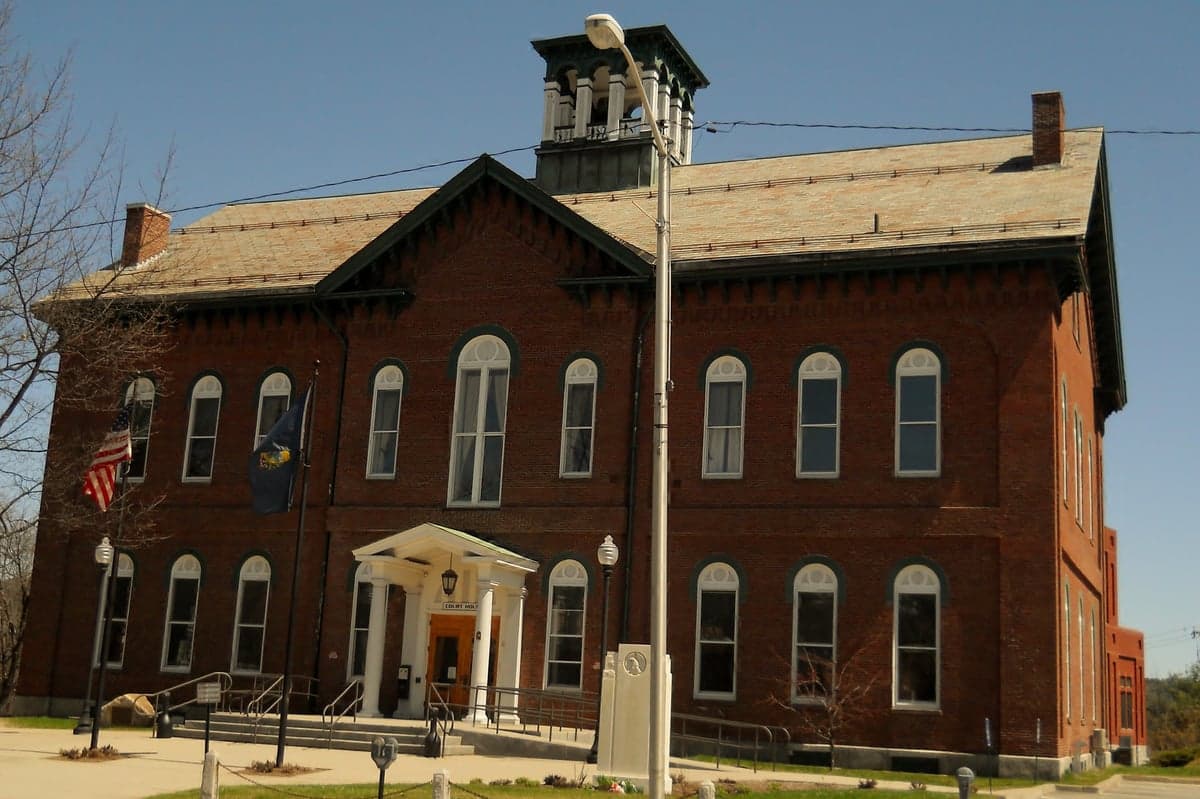
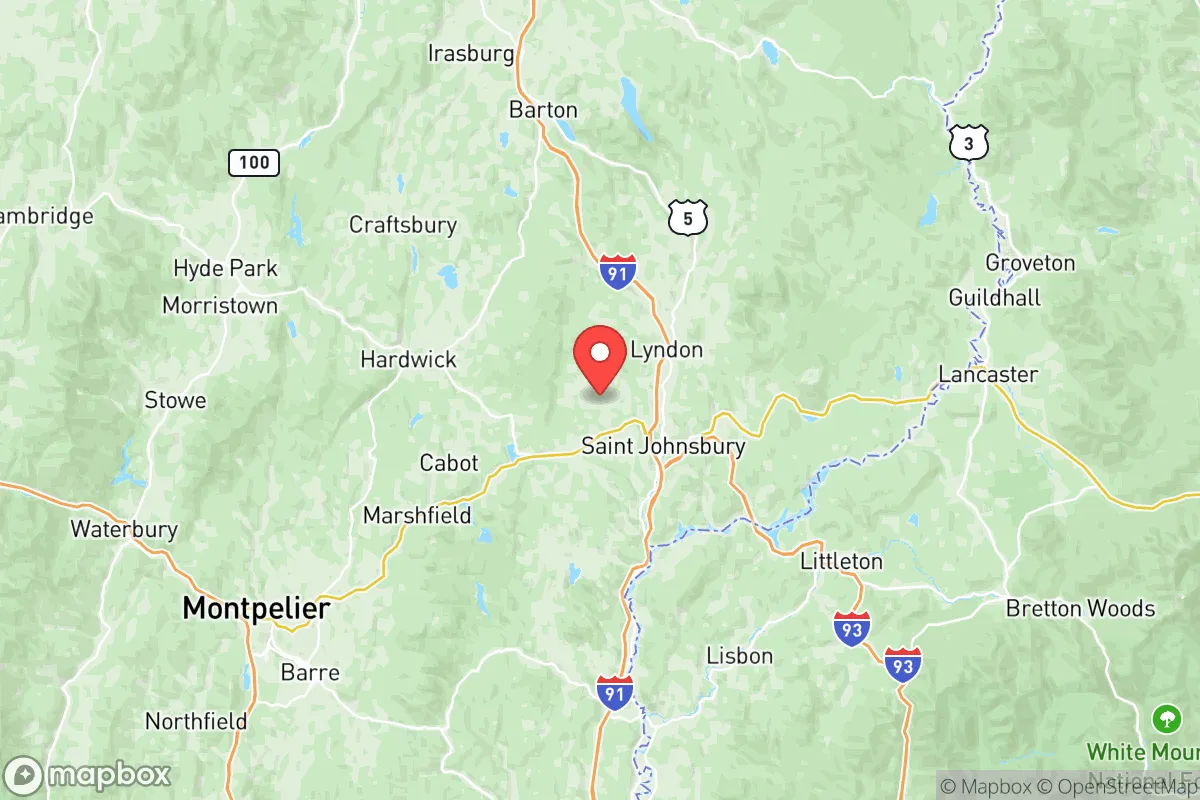
Photo: Wikipedia
Find The Best Places To Live in Caledonia County
PRO TIP! You can paste a Zillow or Redfin link to get info on that property.
Best Places to Live in Caledonia County
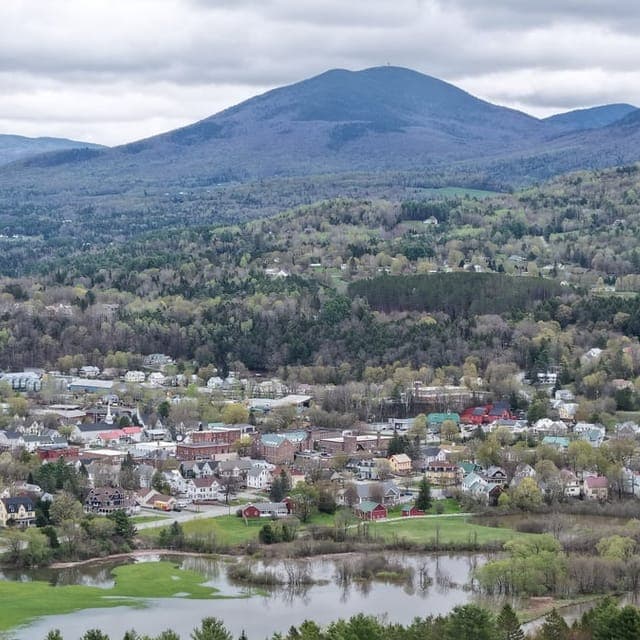
Cities & Towns in Caledonia County
Cities in Caledonia County
What It's Like Living in Caledonia County, VT
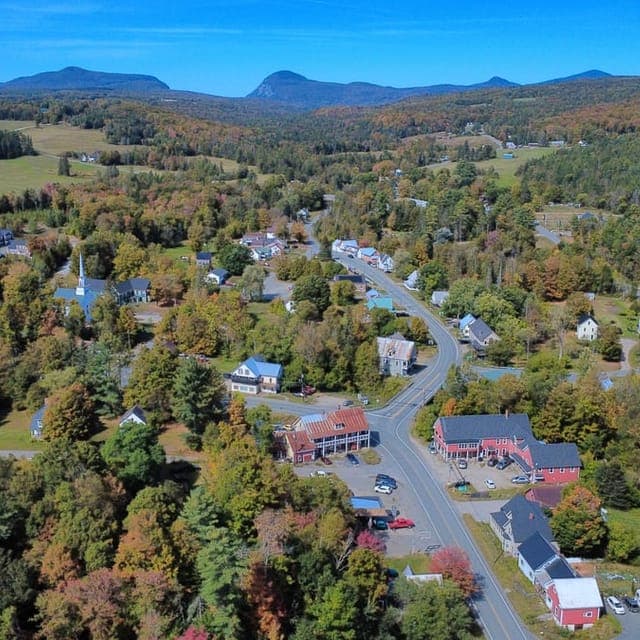
Living in Caledonia County means trading the frantic pace of metro life for a rhythm dictated by the seasons and the land. This is a place where the county’s 30,425 residents are spread across a mix of small villages like St. Johnsbury, Lyndonville, and Hardwick, each with its own distinct character but sharing a common thread of self-reliance and neighborly practicality. If you’re looking for a place where you can actually know your mail carrier, where Friday night lights mean something, and where the cost of living actually makes sense, this corner of Vermont deserves a serious look.
The Daily Rhythm: Work, Weather, and Wood Stoves
Daily life here is shaped by the calendar in a way that surprises newcomers. Winter isn’t just a season; it’s a lifestyle. From November through March, residents in towns like Danville and Barnet are accustomed to planning around snow, keeping a shovel in the car, and knowing how to start a wood stove. The average commute of about 24 minutes is a blessing—short enough to get home before dark, long enough to listen to a podcast or catch up on the local news from the Caledonian-Record. The median age of 45.6 tells you this isn’t a college party town; it’s a place where people have settled down, often after raising kids elsewhere, or are working in the region’s key sectors: healthcare (Northeastern Vermont Regional Hospital in St. Johnsbury), education (Lyndon State College, now part of Northern Vermont University), and manufacturing (like the Ethan Allen plant in Orleans).
Weekends are practical. You’ll see folks at the St. Johnsbury Farmers Market in the summer, or at the local hardware store picking up salt and furnace filters in January. The median household income of $66,075 goes a lot further here than in Burlington or Boston, thanks to a cost of living index of 77—well below the national average. That’s the kind of math that lets a family afford a median home value of $215,900, which is almost unheard of in much of New England. The trade-off? Fewer shopping options. For a big-box run, you’re driving to Littleton, New Hampshire, or south to Barre. But most people don’t mind; the local grocery co-ops and family-owned diners in Lyndonville and Hardwick fill the gaps.
Sports, Community, and the Fabric of Small-Town Life
High school sports are the main event here. On a Friday night in the fall, the stands at St. Johnsbury Academy or Lyndon Institute are packed for football and soccer games. These aren’t just games; they’re community gatherings where you’ll see teachers, business owners, and retirees all cheering together. The rivalry between St. Johnsbury and Lyndonville is genuine, but it’s the kind of rivalry where people shake hands after the final whistle. There’s no pro sports team to distract from the local scene—the focus is squarely on the kids and the school pride. That school pride extends to the classroom, too. The public schools in towns like Peacham and Danville are small, often with multi-grade classrooms, which means teachers know every student by name. For parents, this is either a huge plus (personal attention) or a concern (fewer advanced placement options), depending on your child’s needs.
The social calendar revolves around community events that have been running for decades. The Caledonia County Fair in Lyndonville is a late-summer staple, with tractor pulls, 4-H exhibits, and the kind of midway that hasn’t changed much since the 1980s. In St. Johnsbury, the Fairbanks Museum and Planetarium offers a surprisingly world-class look at natural history, and the St. Johnsbury Athenaeum is a gem of a public library and art gallery. For outdoor recreation, the Kingdom Trails network in nearby Burke is a mountain biking mecca that draws visitors from across the Northeast, but locals also know the quieter hiking spots in Victory Basin Wildlife Management Area or the fishing holes along the Passumpsic River.
Pros and Cons of Living in Caledonia County
Let’s be honest about what works and what doesn’t. The biggest draw is the affordability and space. You can buy a house with land for under $250,000, and the low cost of living means a middle-class income feels comfortable. The sense of community is real—people notice when you’re gone, and they’ll help you dig out your car without being asked. The outdoor access is exceptional, from snowmobiling in winter to paddling the Connecticut River in summer. On the downside, the job market is limited. If you’re not in healthcare, education, or a trade, you may need to commute or work remotely. The violent crime rate of 216.1 per 100,000 is slightly above the national average, but most of that is concentrated in specific areas and is often domestic or drug-related rather than random street crime. Property crime, like break-ins to seasonal camps, is a more common frustration.
The weather is a genuine factor. Winters are long, gray, and cold, with snow on the ground from December through March. Seasonal affective disorder is a real conversation here, and you’ll hear locals talk about the importance of a good light box or a mid-winter trip to somewhere sunny. The flip side is that summer and fall are spectacular, with mild temperatures and foliage that draws leaf-peepers from around the world. The cultural scene is quieter than in Chittenden County. There’s no concert venue bigger than the St. Johnsbury House or the occasional show at Lyndon State, so for a big night out, you’re driving an hour to Burlington or two hours to Montreal. But for people who value peace, privacy, and a slower pace, that’s not a bug—it’s a feature.
Ultimately, Caledonia County fits a specific kind of person: someone who doesn’t need constant entertainment, who values a handshake over a contract, and who is willing to trade the convenience of a city for the freedom of a place where you can still own a piece of land and raise a family without going broke. It’s not for everyone, but for the 30,000 people who call it home, it’s exactly right.

* Values derived from national, state, county, city and local statistics and may differ in a specific area. Last updated: 2026-06-01T15:15:49.000Z
Narrative content on this page is AI-generated and may contain mistakes. Verify any details that matter before acting on them.
ReloMaps may earn a commission from affiliate links at no extra cost to you.

