 Popular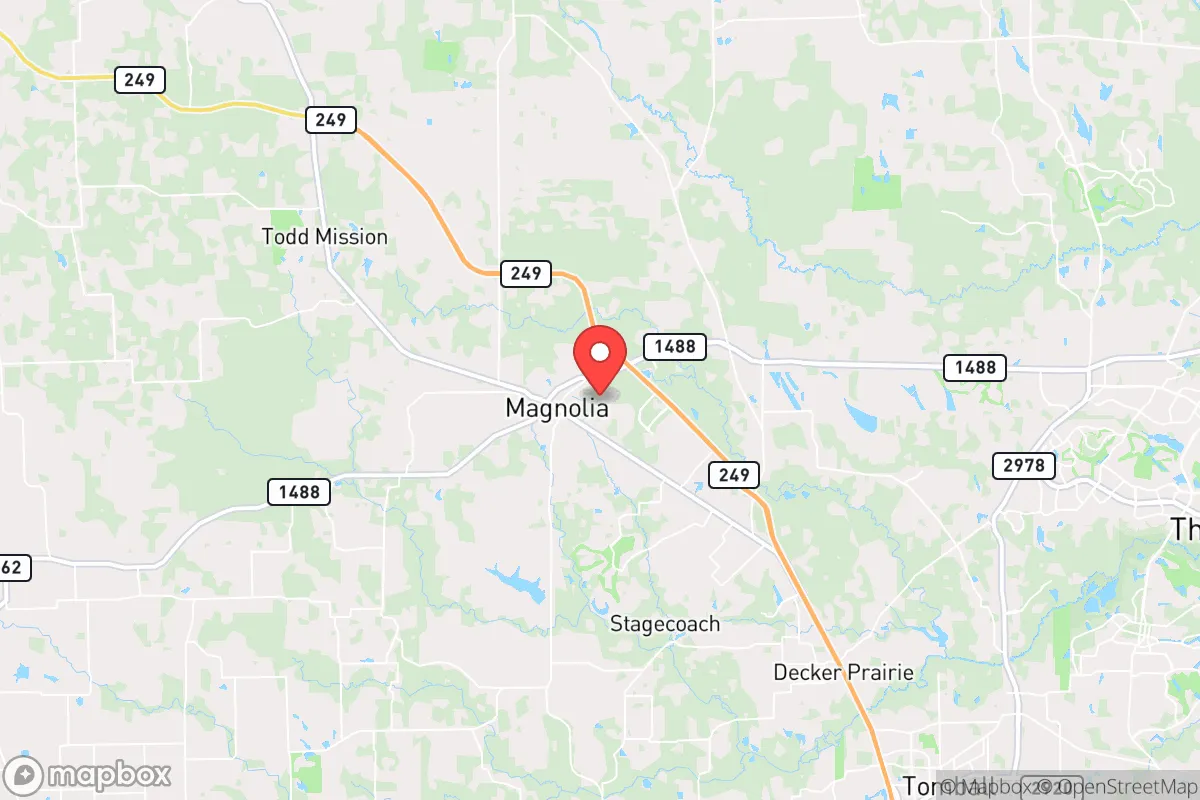
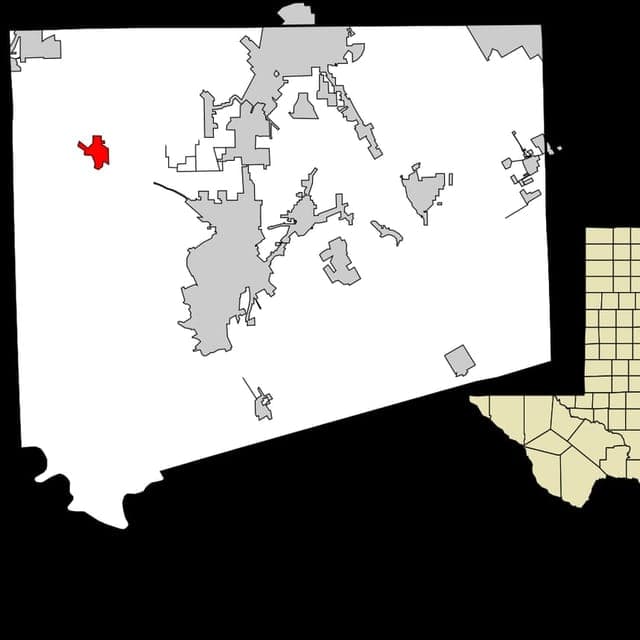
Photo: Wikipedia
Find The Best Places To Live
in Magnolia
PRO TIP! You can paste a Zillow or Redfin link to get info on that property.
What It's Like Living in Magnolia, TX
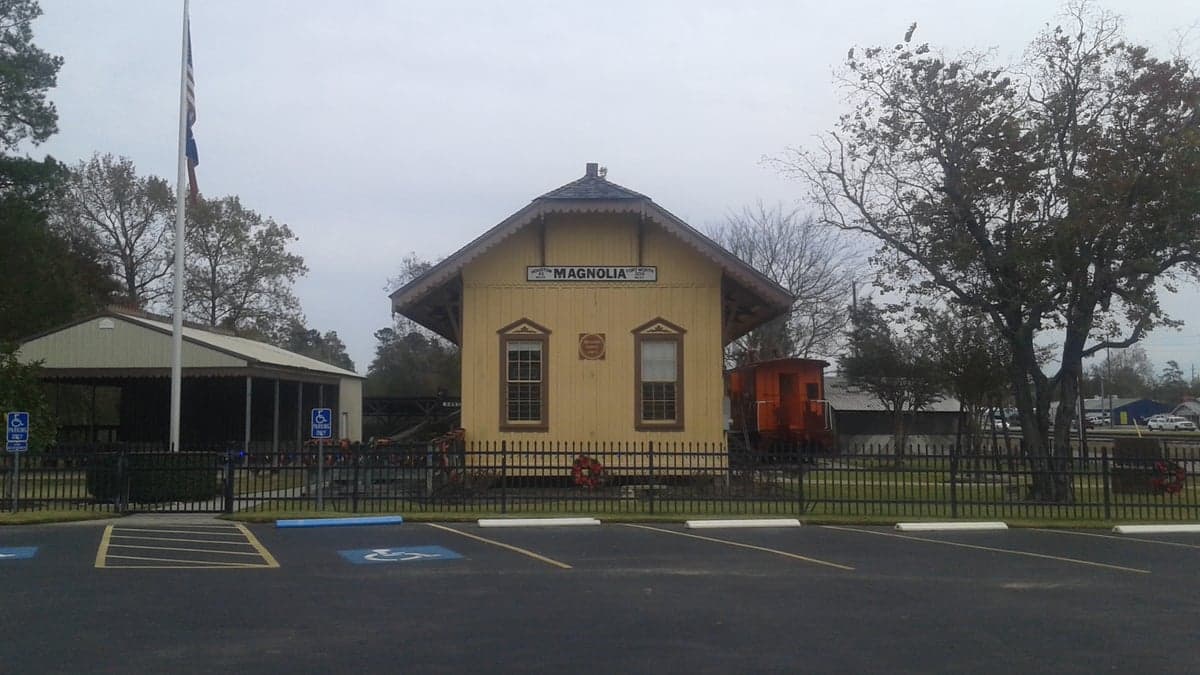
Magnolia, Texas, is a small town that still feels like one, even as the Houston sprawl creeps ever closer. With a population just over 3,200, it’s the kind of place where you wave at the same people at the grocery store and your kids’ teachers know them by name. It’s not a bedroom community for the energy sector or a weekend retreat for city folks—it’s a working town with a deep sense of place, where the pace is slower and the priorities are simpler: family, faith, and football.
The Daily Rhythm: Work, Commute, and Weekend Rituals
Life here revolves around a 30-minute average commute, which for most means a straight shot down FM 1488 or Highway 249 into The Woodlands or north Houston. The median age is 32.9, and the median household income sits at $70,516—a solid middle-class number that supports a lifestyle of modest comfort. You’ll find people working in construction, healthcare, and local trades, with a growing number of remote workers who chose Magnolia for the land and the quiet. Weekends are for the hardware store, the lake, or the high school football field. The cost of living index is 101—just a hair above the national average—so your dollar goes further here than in the big city, especially on housing. The median home value of $285,200 buys you a three-bedroom on a decent lot, often with room for a boat or a workshop.
Sports, Community, and the Friday Night Lights
If you live in Magnolia, you live for Magnolia High School football. The Bulldogs are the undisputed center of community life from August through November. Friday nights at Bulldog Stadium are a ritual: the band plays, the concession stand sells out of brisket sandwiches, and the bleachers are packed with parents, alumni, and local business owners who close up shop early to watch. It’s not just a game—it’s the weekly town meeting. Basketball and baseball draw solid crowds too, but nothing compares to the fall. For pro sports, most residents are Houston fans—Astros, Texans, and Rockets—but the allegiance to the local Bulldogs runs deeper than any major league team.
What’s There to Do: Festivals, Parks, and Hangouts
Magnolia doesn’t have a downtown strip or a nightlife district, but it has character. The annual Magnolia Sausage Festival in October is a genuine local tradition—think live music, a car show, and enough smoked sausage to feed a small army. For outdoor life, the nearby Lake Conroe and Sam Houston National Forest are the big draws: fishing, kayaking, hiking, and camping are within a 20-minute drive. The local hangout is Southern Star Brewing Company in Conroe, or the Magnolia Ice House for a cold beer and live country music on a Saturday night. For everyday errands, you’re driving to The Woodlands for Target, Costco, or a sit-down dinner that isn’t a chain. That’s the trade-off: you trade convenience for space and quiet.
Pros and Cons of Living Here
- Pro: Genuine community. Neighbors help each other. The schools—Magnolia ISD—are a central part of life, and the violent crime rate is very low at 74.2 per 100,000, making it a safe place to raise kids.
- Pro: Space and affordability. You get a yard, a garage, and a quiet street for a price that’s still reasonable compared to the rest of the Houston metro.
- Con: Limited amenities. There’s no movie theater, no mall, and very few restaurants that aren’t fast food or Tex-Mex. You’ll drive 20 minutes for most entertainment.
- Con: Commute creep. Traffic on 1488 and 249 has gotten noticeably worse in the last five years, and the 30-minute average commute can easily stretch to 45 on a bad day.
- Con: Not much for singles. This is a family town. If you’re under 30 and not married, you’ll likely feel the lack of social options.
Cultural Quirks and Who Fits In
Magnolia is conservative, church-going, and proud of it. You’ll see more pickup trucks than Teslas, and the local coffee shop is more likely to be a Whataburger than a Starbucks. The kind of person who fits in here is someone who values privacy, knows their neighbors, and doesn’t mind driving a little for a nice dinner. It’s a place for families who want their kids to grow up with dirt under their fingernails and a sense of belonging. The college-educated rate is 27.4%, which is lower than the national average—but that reflects a workforce that values trades and hands-on work over white-collar degrees. If you’re looking for a place where people still wave from their trucks and the biggest controversy is whether the high school should add a turf field, Magnolia might be your speed.

Similar small towns to Magnolia
* Values derived from national, state, county, city and local statistics and may differ in a specific area. Last updated: 2026-07-30T02:01:00.000Z
Narrative content on this page is AI-generated and may contain mistakes. Verify any details that matter before acting on them.
ReloMaps may earn a commission from affiliate links at no extra cost to you.

