Photo: Wikipedia
Find The Best Places To Live
in Spring
PRO TIP! You can paste a Zillow or Redfin link to get info on that property.
What It's Like Living in Spring, TX
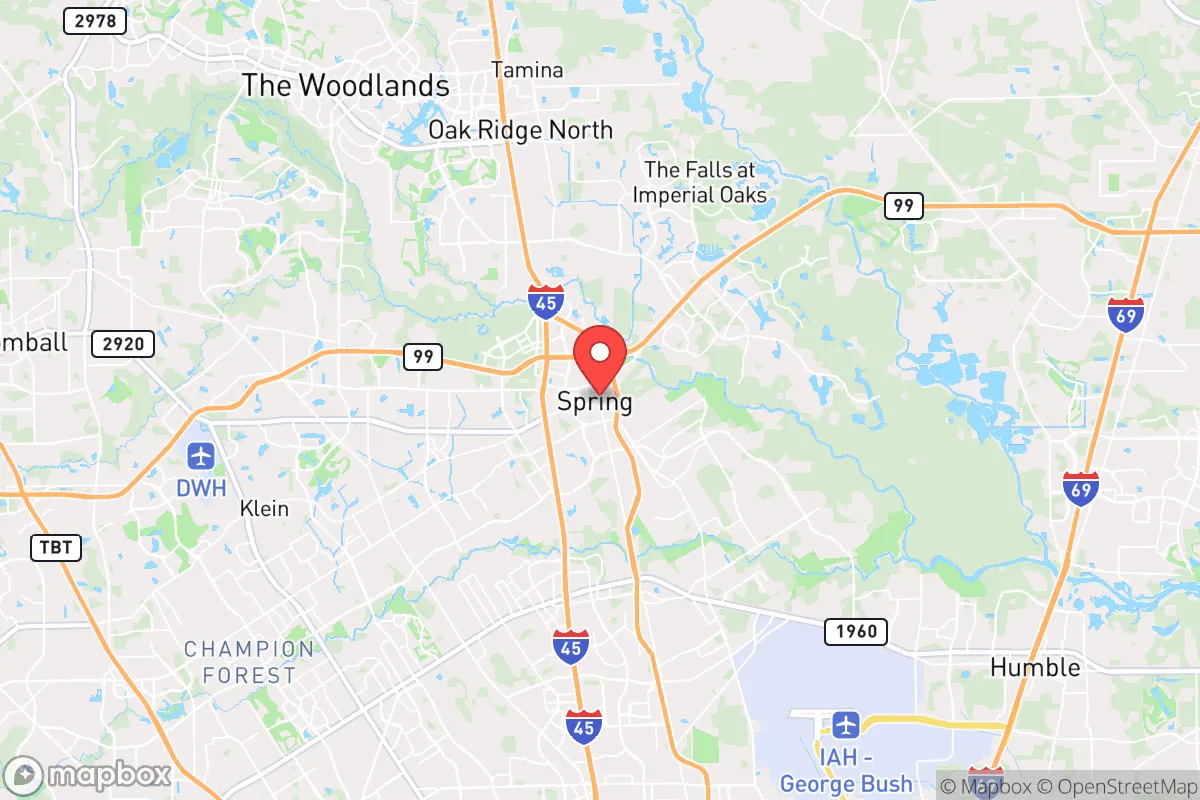
Spring, Texas, feels less like a single town and more like a sprawling, unincorporated crossroads where suburban comfort meets a stubborn, piney-woods independence. It’s the kind of place where you’ll see a lifted pickup truck parked next to a minivan at a Whataburger, and where the local high school football game on a Friday night is a genuine community event, not just something to do. For families and single individuals who want a lower cost of living than Houston proper, a median home value around $221,300, and a slower pace without being completely rural, Spring offers a practical, no-fuss base camp.
Daily Rhythm: What People Actually Do
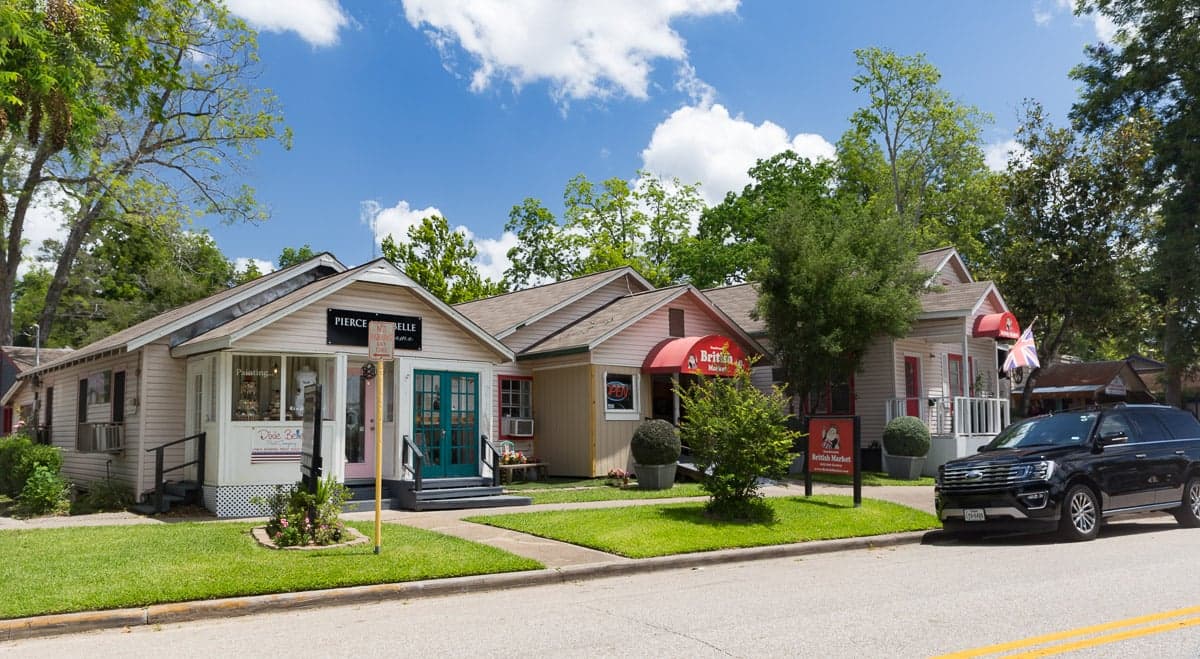
Life in Spring revolves around a few key anchors: work, school, and the backyard. The average commute clocks in at just over 31 minutes, which is a very real trade-off for the space and affordability you get. Most residents work in Houston’s energy, healthcare, or logistics sectors, or at nearby employers like the ExxonMobil campus or the sprawling Texas Medical Center. After work, the rhythm is decidedly family-centric. You’ll find people grabbing dinner at local staples like the rustic Goode Company Seafood or the always-busy Pappasito’s Cantina, or hitting the trails at Mercer Botanic Gardens or the Spring Creek Greenway, a 12,000-acre linear park that’s a genuine gem for hiking and biking. Weekends often mean a trip to Old Town Spring, a collection of historic buildings turned into quirky shops, antique stores, and cafes—it’s the closest thing the area has to a downtown, and it’s where you’ll catch the Spring Market Days or the Texas Crawfish & Music Festival.
Sports, Community, and the High School Factor
If you want to understand Spring’s identity, look no further than its high school football. Spring High School and Klein Oak High School (part of the highly-regarded Klein ISD) draw massive crowds on Friday nights. The games are a social ritual—parents, alumni, and even childless neighbors show up to tailgate and cheer. It’s not just football; the band, the drill team, and the booster clubs are a central part of the social fabric. Beyond high school, pro sports fandom leans heavily toward the Houston Texans (NFL) and the Astros (MLB), with many families making the 30-40 minute drive downtown for games. The Astros’ 2017 and 2022 World Series wins are a point of genuine pride, and you’ll see “Eat ‘Em Up” bumper stickers everywhere. College sports are a big deal too, with Texas A&M (about 90 minutes away) and the University of Texas splitting the loyalties of locals.
What’s There to Do: Honest Entertainment and Quirks
The entertainment scene is practical, not flashy. You won’t find a world-class music venue in Spring, but you will find solid, dependable options. Dosey Doe, a converted barn in nearby The Woodlands, is a legendary listening room that attracts national acts. For a more casual night, Bakersfield Pizza in Old Town Spring has a lively patio, and Copperhead Brewery is a local favorite for craft beer. The area’s biggest cultural quirk is its deep-rooted German and Czech heritage, which surfaces in events like the Spring German Festival and the presence of kolache bakeries (try Kolache Factory or a local gas station’s homemade version—seriously). The weather is a major factor: summers are brutally hot and humid (90°F+ from June through September), so outdoor activities are best enjoyed in the spring and fall. The upside? Winters are mild, and you can grill out in January.
Pros and Cons: What Locals Love and What Frustrates Them
After talking to longtime residents, a clear picture of trade-offs emerges. Here’s the honest breakdown:
- What they love: The cost of living index of 117 (17% above the national average) is a bargain compared to Houston proper. The violent crime rate of 90.1 per 100,000 is notably lower than the national average, which gives families peace of mind. The median age of 33.6 means you’re surrounded by other young families and working professionals. The Spring Creek Greenway and Mercer Arboretum provide genuine nature escapes without leaving the suburbs.
- What frustrates them: The commute is the #1 complaint—that 31-minute average masks the fact that I-45 can turn into a parking lot during rush hour. The 25.4% college-educated rate is lower than some neighboring areas, which can limit the depth of the local job market for white-collar professionals. There’s a distinct lack of a true “downtown” or walkable core—you need a car for everything. And while the schools (especially Klein ISD) are solid, they are also crowded, with class sizes that can feel large.
Spring isn’t trying to be hip or trendy. It’s a place where you trade a shorter commute for a bigger yard, where the local high school game is the weekend highlight, and where you can afford a home that would cost twice as much inside the loop. It works best for people who value space, community, and a slower pace—and who don’t mind the heat or the drive to get to the city’s big attractions.

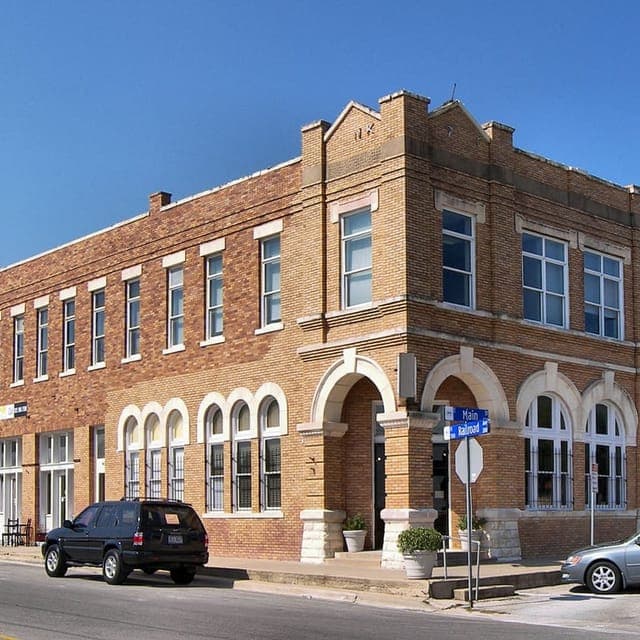
Similar small cities to Spring
* Values derived from national, state, county, city and local statistics and may differ in a specific area. Last updated: 2026-07-30T01:58:28.000Z
Narrative content on this page is AI-generated and may contain mistakes. Verify any details that matter before acting on them.
ReloMaps may earn a commission from affiliate links at no extra cost to you.

