 Popular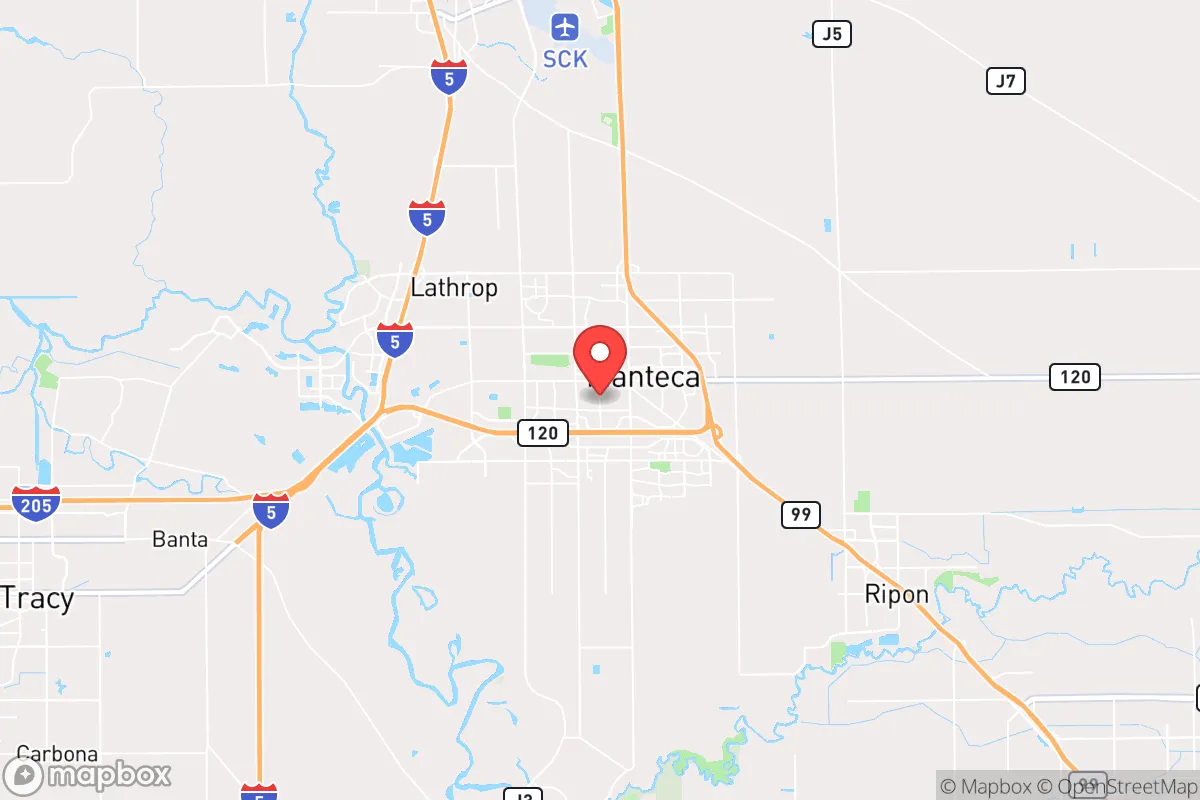
Photo: Wikipedia
Find The Best Places To Live
in Manteca
PRO TIP! You can paste a Zillow or Redfin link to get info on that property.
What It's Like Living in Manteca, CA
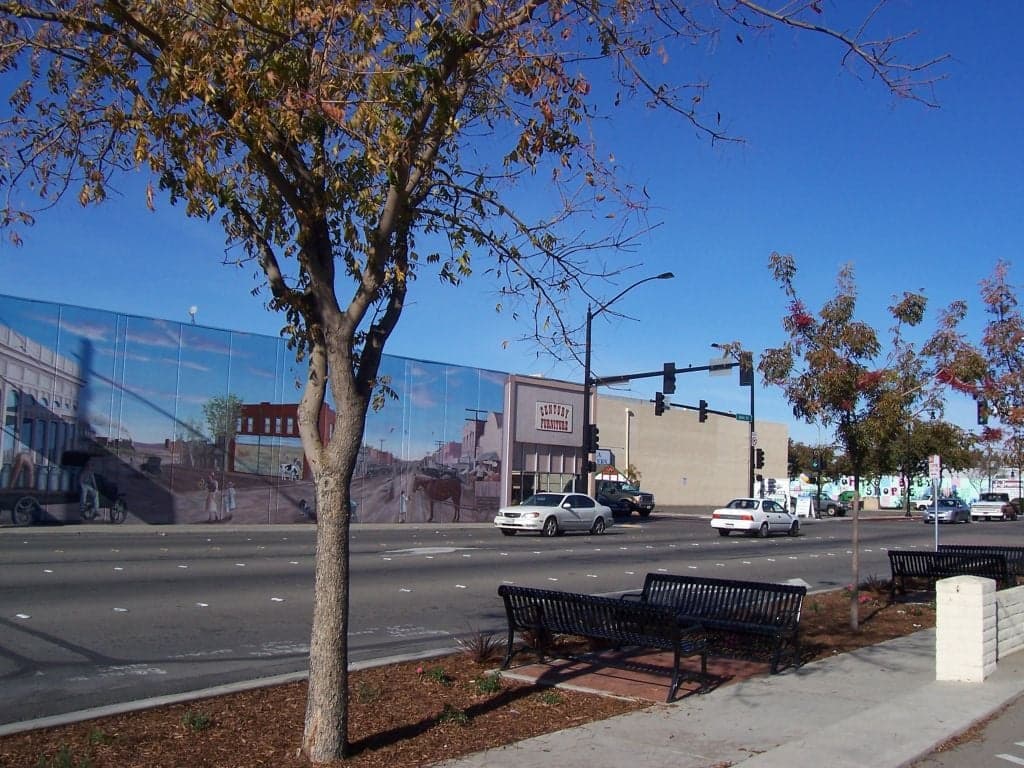
Manteca, California, often gets described as the "City of Promise," and if you spend a weekend here, you’ll see why that promise is a mixed bag of genuine small-town comfort and the growing pains of a commuter hub. Sitting at the northern edge of the Central Valley, about 75 miles east of San Francisco, it’s a place where the smell of almond blossoms in February mixes with the distant hum of Highway 99. For the roughly 86,500 residents, life here is defined by a trade-off: you get more house and yard for your money than you would in the Bay Area, but you trade that for a commute that can feel like a second job.
Daily Rhythm and the Commuter Reality
For a lot of folks in Manteca, the day starts early. The average commute clocks in at nearly 39 minutes one way, and that number jumps significantly if you’re heading toward Stockton, Modesto, or the Bay Area. You’ll see a steady stream of cars heading west on the 120 Bypass or south on 99 before 6:30 AM. The people who fit in best here are often those in their late 20s to early 40s—families and single professionals who work in logistics, healthcare, or the trades. The median age is 36.6, and the median household income sits at a solid $94,718, which goes further here than it would in Tracy or Dublin, though the cost of living index of 179 reminds you that you’re still in California.
When people aren’t commuting, daily life revolves around the basics: grocery runs at the big-box stores along the 120 Bypass, youth soccer games on Saturday mornings, and dinner at local staples like Bud’s Pub & Grill for a burger or El Rodeo for reliable Mexican food. The schools—particularly Manteca High and Sierra High—are a central part of community identity, with Friday night football games drawing real crowds. It’s not a flashy social scene; it’s more about knowing your neighbors and having a backyard big enough for a barbecue.
Sports, Festivals, and Where People Actually Hang Out
High school sports are the main event here. Manteca High’s Buffaloes and Sierra High’s Timberwolves have a genuine rivalry that fills bleachers on fall Fridays. There’s no major pro team in town, but you’ll see plenty of 49ers and Giants flags flying, and the nearby Stockton Heat (hockey) and Ports (baseball) are a short drive for a cheap night out. For entertainment, the Manteca Pumpkin Fair every October is the town’s signature event—think carnival rides, craft booths, and enough pumpkin pie to feed an army. It’s the kind of festival where you run into your kid’s teacher and your mail carrier in the same ten minutes.
Parks are a bigger deal than you might expect. Woodward Park and Northgate Park get heavy use for weekend picnics and pickup basketball. The Manteca Waterslides (yes, a real water park in town) is a summer rite of passage for local families. For nightlife, options are limited but functional: Bass Pro Shops is an actual hangout spot for some (the indoor archery range draws a crowd), and a few sports bars like Brenden’s Bar & Grill stay busy on weekends. If you want live music or a proper club scene, you’re driving to Modesto or Sacramento.
The Honest Trade-Offs: What Works and What Grates
Longtime residents will tell you they love the space and the relative quiet, but they’ll also list frustrations pretty quickly. Here’s the honest breakdown:
- What people love: The housing is still attainable compared to the Bay Area, with a median home value of $561,200. You can get a 3-bedroom with a yard for what a studio costs in San Jose. The community is genuinely friendly—people wave, neighbors help each other, and there’s a real sense of safety despite a violent crime rate of 335.9 per 100,000 (which is higher than the national average but feels concentrated in specific areas). The weather is classic Central Valley: hot, dry summers and mild winters, with foggy mornings that burn off by noon.
- What frustrates people: The commute is the number one complaint. Traffic on the 120 Bypass and 99 can turn a 30-minute drive into an hour, especially during harvest season when farm equipment shares the road. Only about 21% of adults hold a bachelor’s degree, so the job market locally leans heavily toward retail, warehousing, and agriculture—if you want white-collar work, you’re likely commuting. The summer heat is no joke: July and August regularly hit triple digits, and the air quality can be poor when the valley inversion layer settles in.
Who Thrives Here and Who Should Think Twice
Manteca works best for people who prioritize space, affordability, and a slower pace over urban convenience. It’s a strong fit for families with young kids who want a yard and decent schools without a Bay Area mortgage. Single professionals might find the dating scene thin and the nightlife sleepy, but if you’re into outdoor hobbies—fishing, hunting, off-roading—the Delta and the Sierra foothills are within an hour. The cultural quirks are subtle: there’s a quiet pride in being “not Tracy” (the bigger, busier neighbor to the west), and locals will tell you the best taquerias are the ones in the gas station parking lots. It’s not a place that tries to impress you, but for the right person, it feels like home.

Similar small cities to Manteca
* Values derived from national, state, county, city and local statistics and may differ in a specific area. Last updated: 2026-08-23T00:46:30.000Z
Narrative content on this page is AI-generated and may contain mistakes. Verify any details that matter before acting on them.
ReloMaps may earn a commission from affiliate links at no extra cost to you.

