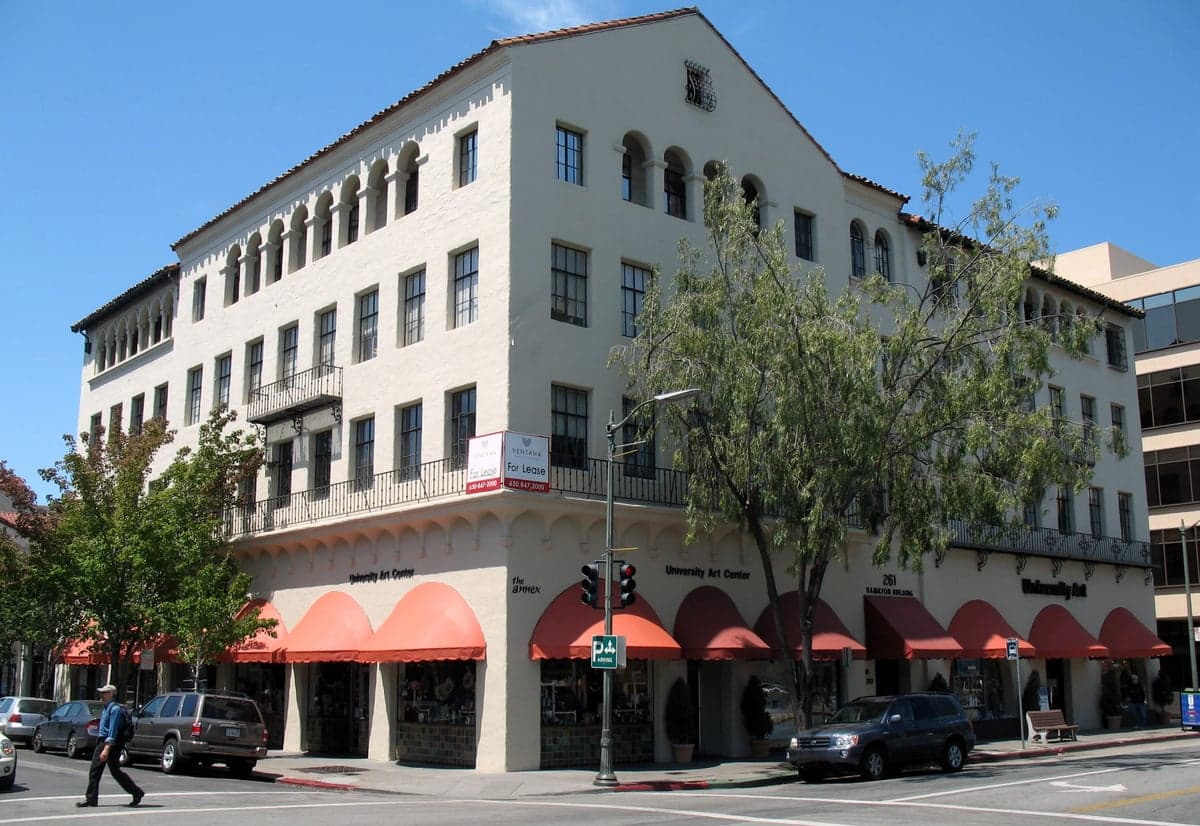
Photo: Wikipedia
Find The Best Places To Live
in Palo Alto
PRO TIP! You can paste a Zillow or Redfin link to get info on that property.
What It's Like Living in Palo Alto, CA
Palo Alto is a place where the pursuit of innovation meets the rhythms of suburban life, creating a community that feels both intensely ambitious and surprisingly small-town. It’s the epicenter of Silicon Valley, but its daily reality is less about startup pitches and more about bike rides to farmers markets, heated debates over school board decisions, and the constant hum of wealth that shapes nearly every aspect of living here. For the conservative-leaning single person or parent considering a move, understanding this tension between global influence and local intimacy is the key to knowing if you’ll fit in.
The Daily Rhythm: Work, Commute, and the Pursuit of Normalcy
For most residents, the day starts early. The average commute is a mercifully short 23 minutes, a stark contrast to the soul-crushing drives from farther suburbs, because many people work within a few miles of home—at Stanford University, Tesla’s Palo Alto office, or one of the countless tech firms along Page Mill Road. You’ll see more Teslas and e-bikes than gas-guzzlers, and the city’s bike lanes are genuinely used, not just painted lines. The median age of 42.5 reflects a population that is largely past the party phase; weekends are for hiking at Arastradero Preserve, grabbing a coffee at HanaHaus (a former Varsity Theatre), or navigating the crowded aisles of the downtown farmers market. The social rhythm is driven by school events, not nightlife. If you’re a single person without kids, you’ll find the social scene revolves around work, fitness classes, or the occasional dinner at a place like Evvia Estiatorio—a Greek spot that’s been a local institution for decades, where a reservation requires planning weeks in advance.
Who Fits In—and Who Doesn’t
This is a city built for the highly educated and the highly compensated. With 82.4% of adults holding a college degree and a median household income of $220,408, Palo Alto is an intellectual and financial bubble. The kind of person who thrives here is someone who values top-tier schools, can afford the $2 million+ median home value, and doesn’t mind that their neighbor might be a venture capitalist or a Nobel laureate. For conservative-leaning individuals, the political culture is overwhelmingly progressive, which can feel isolating if you’re not on board. The local identity is proudly left-leaning, with a strong emphasis on environmentalism, public transit, and social programs. That said, the city is also fiercely pro-business and pro-property rights in practice, creating a pragmatic undercurrent that some conservatives find refreshing. The frustration many longtime residents voice is the cost of living index of 455—nearly five times the national average—which means even high earners feel pinched. A single person renting a one-bedroom apartment will spend $3,000+ per month, and parents constantly wrestle with the pressure to keep up with the Joneses, who are likely funding a private tutor or a second home in Tahoe.
Sports, Entertainment, and the Local Flavor
Sports culture here is not about professional teams; it’s about Palo Alto High School (Paly) and Gunn High School football games on Friday nights. The rivalry between these two schools is genuine and intense, drawing crowds of parents, alumni, and students who treat it like a local holiday. Stanford University’s campus is the other major sports anchor, with Cardinal football and basketball games offering a more polished, collegiate atmosphere. For entertainment, the Frost Amphitheater on Stanford’s campus hosts major concerts in a beautiful outdoor setting, while the Palo Alto Art Center and the Oshman Family JCC provide cultural programming. The city’s biggest festival is the Palo Alto Festival of the Arts in August, which turns downtown into a massive outdoor gallery. For outdoor enthusiasts, the Baylands Nature Preserve offers flat, windy trails perfect for birdwatching and running, while the nearby Santa Cruz Mountains provide redwood hikes within a 20-minute drive. The cultural quirk that defines Palo Alto is the “Palo Alto Process”—a local joke about how even the simplest city project gets debated to death at endless public meetings. It’s a town of people who believe their opinion matters, and they’re not shy about sharing it.
Pros and Cons of Living Here
- Pro: World-class schools. The Palo Alto Unified School District is a primary reason families move here, with graduation rates above 95% and a feeder system into top universities. The schools are the community’s central organizing force.
- Con: Crushing housing costs. The $2 million+ median home value means that even dual-income professional couples often need family help or a decade of saving to buy a starter home. Renters face constant pressure from rising rents.
- Pro: Safety and low crime. The violent crime rate of 158.5 per 100,000 is well below the national average, making it one of the safest cities of its size in the country. Walking alone at night in most neighborhoods feels entirely safe.
- Con: A bubble-like atmosphere. The lack of economic and political diversity can feel stifling. If you’re not in tech or academia, you may struggle to find your tribe. The cost of living also means service workers and teachers often can’t afford to live here, creating a commuter-class divide.
- Pro: Proximity to everything. San Francisco is 35 minutes north, the Pacific coast is 30 minutes west, and Silicon Valley’s job centers are at your doorstep. The Caltrain station connects you to the entire peninsula.
- Con: Traffic and parking. Despite the short average commute, downtown Palo Alto is a nightmare for parking, and the major arteries (El Camino Real, Oregon Expressway) clog during rush hour. The city’s love affair with bike lanes sometimes comes at the expense of car traffic flow.

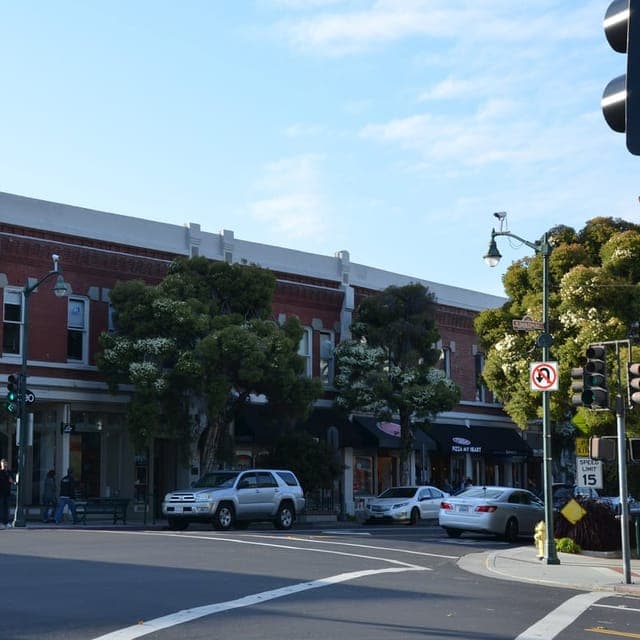
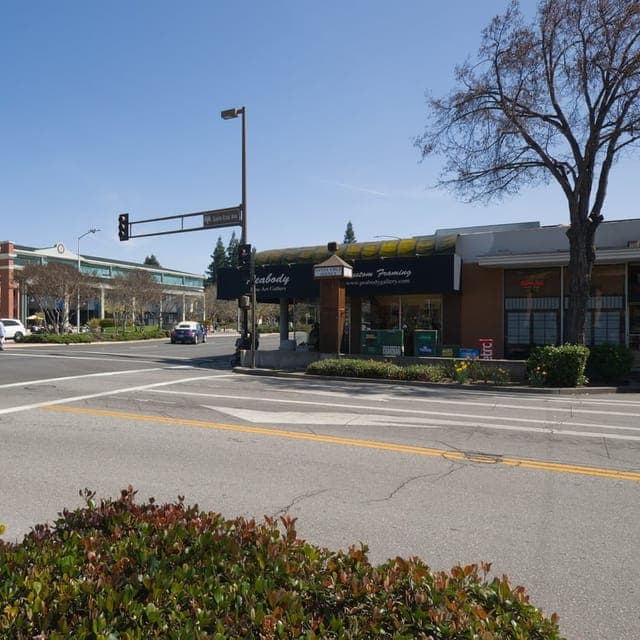
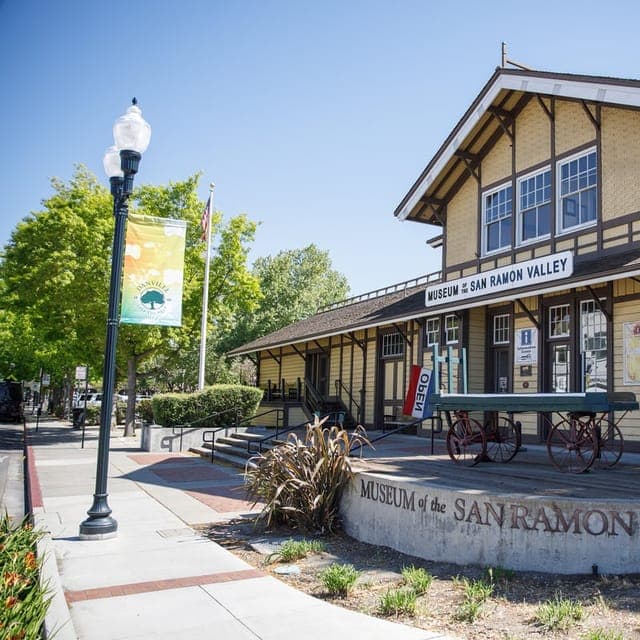
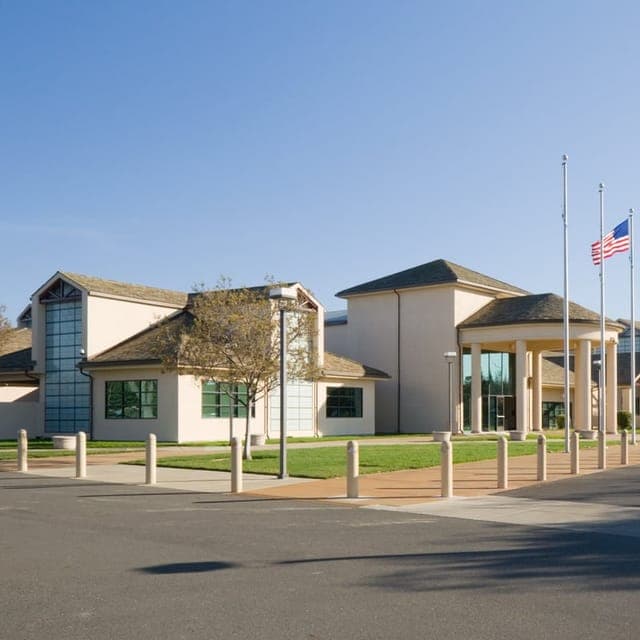
Similar small cities to Palo Alto
* Values derived from national, state, county, city and local statistics and may differ in a specific area. Last updated: 2026-04-15T23:40:51.000Z
Narrative content on this page is AI-generated and may contain mistakes. Verify any details that matter before acting on them.
ReloMaps may earn a commission from affiliate links at no extra cost to you.

