Photo: Wikipedia
Find The Best Places To Live
in San Francisco
PRO TIP! You can paste a Zillow or Redfin link to get info on that property.
What It's Like Living in San Francisco, CA
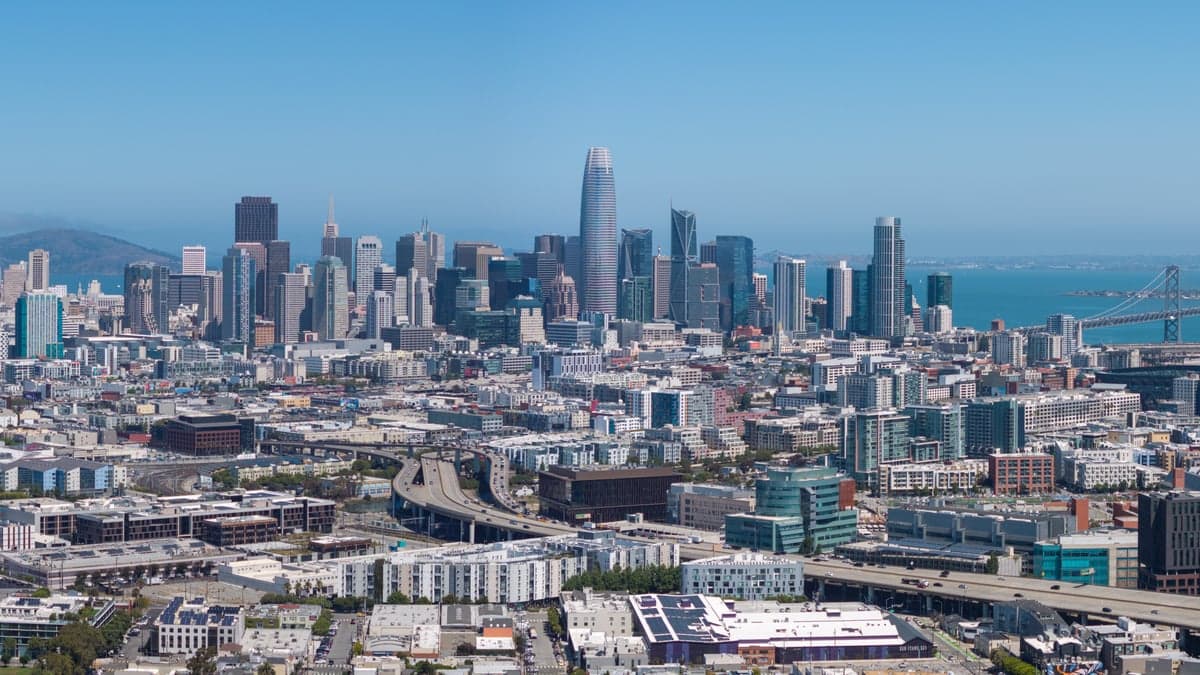
San Francisco is a city that feels both impossibly small and endlessly vast, a seven-by-seven-mile peninsula where fog rolls in like clockwork and the hills make every walk a workout. It’s a place of stark contrasts—tech wealth and tent encampments, world-class dining and dive bars that haven’t changed since the 1970s, a fiercely progressive reputation that sits alongside some of the most expensive real estate on the planet. For the conservative-leaning reader, it’s a city worth understanding on its own terms, not just through headlines.
The Daily Rhythm: Fog, Hills, and a 31-Minute Commute
Living in San Francisco means accepting that your daily routine is shaped by microclimates and geography. The city’s median age of 39.7 reflects a population that skews older than many assume—this isn’t just a playground for 20-somethings. The average commute clocks in at just over 31 minutes, which is surprisingly manageable for a major metro, but that number hides a lot of variation. If you live in the Sunset and work in SoMa, you’re looking at a 45-minute Muni ride through fog so thick you can taste it. If you live in the Marina and work in the Financial District, you might walk 20 minutes in the sun.
Weekends often revolve around neighborhood rituals. Locals hit the Ferry Plaza Farmers Market on Saturday morning for sourdough and heirloom tomatoes, then spend the afternoon hiking in Lands End or biking across the Golden Gate Bridge to Sausalito. Families with kids flock to Golden Gate Park’s playgrounds and the California Academy of Sciences, while singles tend to cluster in the Mission for brunch at Tartine or Delfina, followed by a walk through Dolores Park. The city’s median household income of $141,446 makes these outings feasible for many, but the cost of living index of 321 means that same $6 latte hits differently than it would in Dallas or Nashville.
Sports, Community, and the Kind of Person Who Fits In
San Francisco is a baseball town first and foremost. The San Francisco Giants are a civic religion—Oracle Park, with its views of McCovey Cove and the Bay Bridge, is packed even when the team is middling. The Golden State Warriors moved across the bay to Chase Center in 2019, and while they’ve got a passionate following, the vibe is more corporate than the old Oakland Arena days. The 49ers actually play 45 minutes south in Santa Clara, which means most fans watch from bars like The Bus Stop or Kezar Pub rather than the stadium itself. High school sports are a quieter affair—St. Ignatius and Sacred Heart Cathedral have loyal followings, but they don’t dominate community life like they do in smaller towns.
The person who thrives here is typically college-educated (60.1% of adults), career-driven, and comfortable with density. It’s a city of strivers—tech workers, startup founders, doctors at UCSF, lawyers in high-rises. But it’s also a city of lifers: the third-generation Italian families in North Beach, the Chinese-American seniors playing chess in Portsmouth Square, the artists hanging on in rent-controlled apartments in the Tenderloin. For conservative-leaning individuals, the political climate can feel overwhelming—San Francisco votes about 85% Democratic in presidential elections—but many find their tribe in neighborhood associations, private clubs like the Olympic Club, or simply by ignoring the citywide politics and focusing on their block.
What’s There to Do: Festivals, Food, and the Great Outdoors
San Francisco punches above its weight in entertainment, partly because it’s small enough that you can actually get to things. Outside Lands in August turns Golden Gate Park into a three-day music festival drawing 75,000 people daily. Hardly Strictly Bluegrass is free and feels like a secret the city keeps for itself. The San Francisco Symphony and SFJAZZ Center offer world-class performances year-round. For food, the city is a constellation of iconic spots: Swan Oyster Depot for a 45-minute counter seat and the best clam chowder you’ll ever have, House of Prime Rib for a carnivore’s ritual, Burma Superstar for tea leaf salad that draws lines around the block.
Outdoor life is a major draw, despite the fog. The Presidio offers 24 miles of hiking trails with views of the Golden Gate. Baker Beach is where locals go to watch the bridge disappear into the clouds. Lake Merced is a quiet spot for running and fishing that feels miles from the city. The weather is a genuine quirk—summer is actually the coldest season, with July averages around 60°F, while September and October bring the warmest, clearest days. Locals call it “Indian summer,” and it’s when the city truly shines.
Pros and Cons of Living Here
- Pro: Walkability and public transit mean many households can live with one car or none. The city’s density creates spontaneous social encounters—you’ll run into friends at the corner market, strike up conversations at the dog park.
- Con: The violent crime rate of 328.5 per 100,000 is higher than the national average, and property crime—especially car break-ins—is a constant frustration. Longtime residents have a grimly humorous acceptance of “smash-and-grabs” as a fact of life.
- Pro: The median home value of $1,380,500 means that if you bought in before 2015, you’re sitting on serious equity. Renting is the norm for most newcomers, but the city’s rent control laws offer some stability.
- Con: The same housing costs make it nearly impossible for middle-class families to settle here without significant sacrifice. Schools are a mixed bag—some public elementaries like Alamo or Miraloma are excellent, but many parents opt for private or parochial options, which can run $25,000+ per year.
- Pro: The cultural diversity is genuine—41% of residents are foreign-born, and neighborhoods like Chinatown, the Mission, and Japantown offer immersive experiences that feel a world away from the tech corridors.
- Con: The city’s homelessness crisis is visible and unresolved. Tents line Market Street, and the Tenderloin neighborhood is a stark reminder of systemic failures. It’s a daily reality that wears on even the most compassionate residents.
San Francisco is not an easy place to live, but it is a memorable one. For the right person—someone who values walkability, cultural depth, and career opportunity over square footage and low taxes—it offers a life that’s hard to replicate anywhere else. For the conservative-leaning reader, the key is knowing what you’re signing up for: a city that will challenge your patience, test your wallet, and occasionally reward you with a sunset over the Pacific that makes it all feel worth it.

Similar mid-size cities to San Francisco
* Values derived from national, state, county, city and local statistics and may differ in a specific area. Last updated: 2026-04-15T23:41:27.000Z
Narrative content on this page is AI-generated and may contain mistakes. Verify any details that matter before acting on them.
ReloMaps may earn a commission from affiliate links at no extra cost to you.

