Find The Best Places To Live
in Marco Island
PRO TIP! You can paste a Zillow or Redfin link to get info on that property.
What It's Like Living in Marco Island, FL
Marco Island feels like a permanent vacation for those who can afford the ticket, but the reality of daily life here is more layered than the postcards suggest. With a population hovering around 16,000 and a median age pushing 68, this is a place where the rhythm is set by retirees and seasonal residents, not young families or a bustling nightlife scene. Living here means trading convenience for beauty, and accepting that the island’s serene, manicured charm comes with a price tag that rivals any coastal enclave in Florida.
The Daily Rhythm: Slow, Scenic, and Seasonal
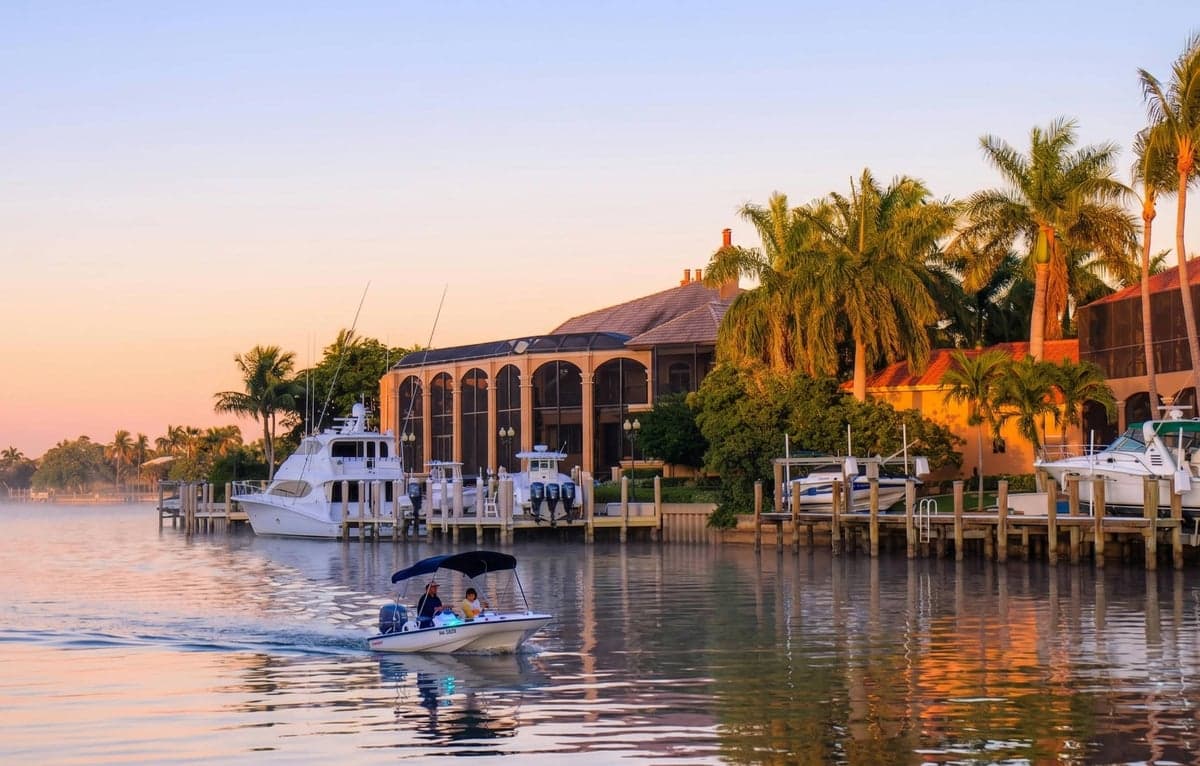
Most mornings start with coffee on a lanai overlooking the Gulf or a canal, followed by a walk or bike ride along the beach before the heat sets in. The average commute is just under 24 minutes, which is a blessing—most residents work on the island itself or in nearby Naples, and the drive across the Jolley Bridge is a daily reminder you live somewhere special. Grocery shopping means Publix or Winn-Dixie, and for anything beyond basics, you’re driving 20 minutes to Naples. The island’s cost of living index sits at 224—more than double the national average—so a casual dinner out for two at a place like Stone Crab or Snook Inn can easily run $80-$100. The median home value is $866,200, which puts homeownership out of reach for most working singles or young parents unless they bought years ago or have significant equity. The median household income of $104,105 sounds comfortable, but it gets stretched thin by those housing costs.
Who Fits In—and Who Doesn’t
This is not a town for people who want a vibrant, walkable urban scene or a tight-knit community of young professionals. The typical resident is a college-educated retiree (47.9% hold a degree) who values peace, safety, and access to water. Singles under 50 may find the social scene limited—bars like Stan’s Idle Hour or Doreen’s Cup of Joe are more about quiet conversation than loud parties. Families with school-age children are a minority; the local schools—Tommie Barfield Elementary, Marco Island Charter Middle, and Marco Island Academy—are well-regarded but small, and the community’s social calendar revolves around adult activities like golf, boating, and charity galas rather than soccer games or PTA events. If you’re a parent looking for a kid-centric neighborhood with lots of other families, you’ll find more of that in Naples or Estero.
What’s There to Do: Water, Wildlife, and a Few Festivals
Life on Marco Island is defined by the water. Residents spend weekends on boats, kayaks, or paddleboards in the 10,000 Islands, fishing for snook and redfish, or exploring Tigertail Beach and the sandbars at Keewaydin Island. The island has no major music venues or pro sports teams—the closest thing to a local sports culture is cheering for the Naples High School Golden Eagles or the Florida Gulf Coast University Eagles in Fort Myers. The biggest annual events are the Marco Island Seafood & Music Festival in March and the Christmas Island Style parade in December, both of which draw crowds but feel more like community gatherings than major productions. For serious entertainment, residents drive 30-40 minutes to the Hertz Arena in Estero for concerts or Florida Everblades hockey, or to Artis—Naples for symphony and theater. The lack of on-island nightlife is a common frustration for younger residents and even some retirees who want more dining variety or live music options.
Pros and Cons of Living Here
- Pro: Low violent crime. The violent crime rate of 166.8 per 100,000 is well below the national average, and the island feels safe even at night. Property crime, especially during off-season, is more of a concern—lock your boat and your garage.
- Pro: Unmatched natural beauty. Sunsets over the Gulf, dolphin sightings from your backyard dock, and the quiet of a winter morning on the beach are daily realities.
- Con: Seasonal crowds and traffic. From December through April, the population swells, and the main drag—Collier Boulevard—can back up for 20 minutes just to cross the bridge. Reservations at popular restaurants become a necessity.
- Con: High cost of living and limited housing stock. Rentals are scarce and expensive; a one-bedroom apartment can easily cost $2,500/month. Buying in means competing with cash buyers and second-home investors.
- Con: Weather risks. Hurricane season (June-November) is a real concern. Evacuation routes are limited to one bridge, and flood insurance is mandatory for most properties.
- Con: Limited job market. Most employment is in hospitality, real estate, or healthcare. Professionals in tech, finance, or corporate roles will likely commute to Naples or work remotely.
Marco Island is a beautiful, safe, and quiet place that rewards patience and a certain income level. It’s ideal for retirees who want a resort-like lifestyle without the crowds of Fort Myers Beach, and for remote workers who can afford the premium. But for singles seeking a dating scene, parents wanting a bustling school community, or anyone on a tight budget, the island’s charms can feel more like a cage than a paradise. The key is knowing what you’re signing up for—and being honest about whether the trade-offs match your stage of life.

Similar towns to Marco Island
* Values derived from national, state, county, city and local statistics and may differ in a specific area. Last updated: 2026-05-14T01:32:48.000Z
Narrative content on this page is AI-generated and may contain mistakes. Verify any details that matter before acting on them.
ReloMaps may earn a commission from affiliate links at no extra cost to you.

