Find The Best Places To Live
in Fort Myers Beach
PRO TIP! You can paste a Zillow or Redfin link to get info on that property.
What It's Like Living in Fort Myers Beach, FL
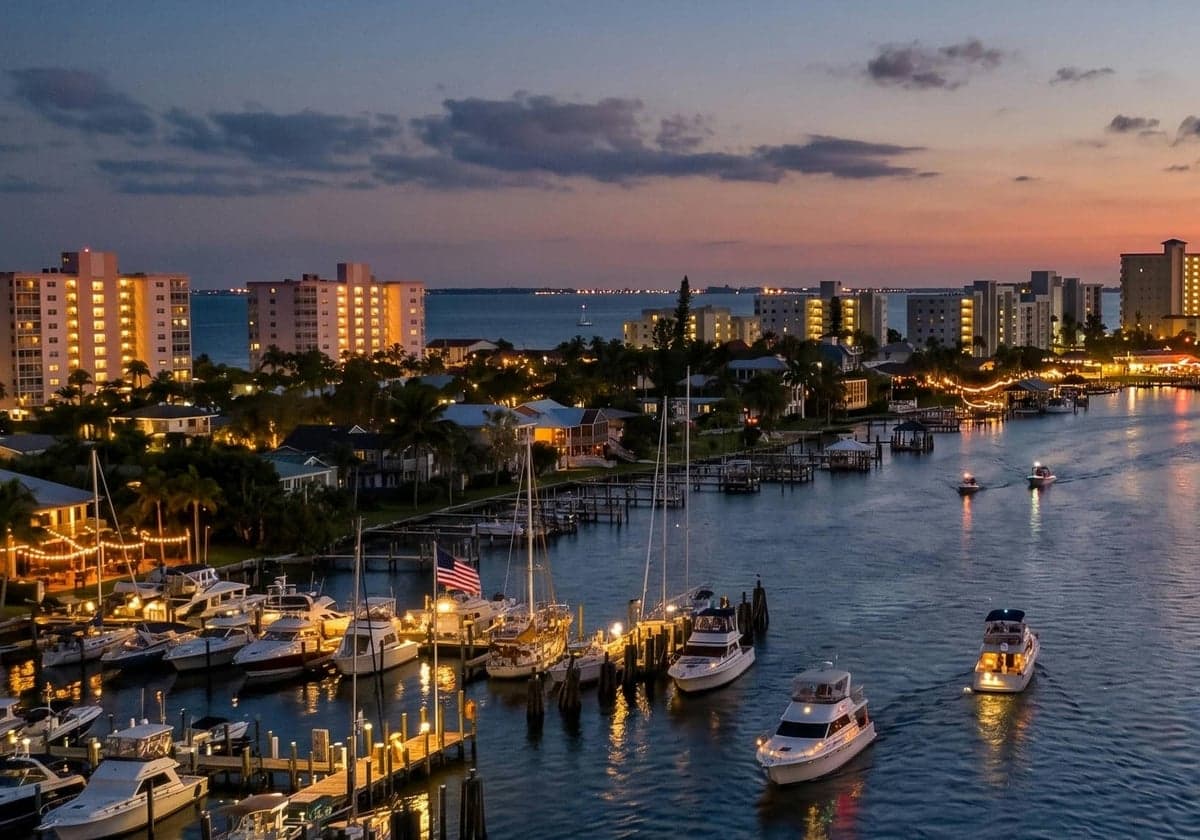
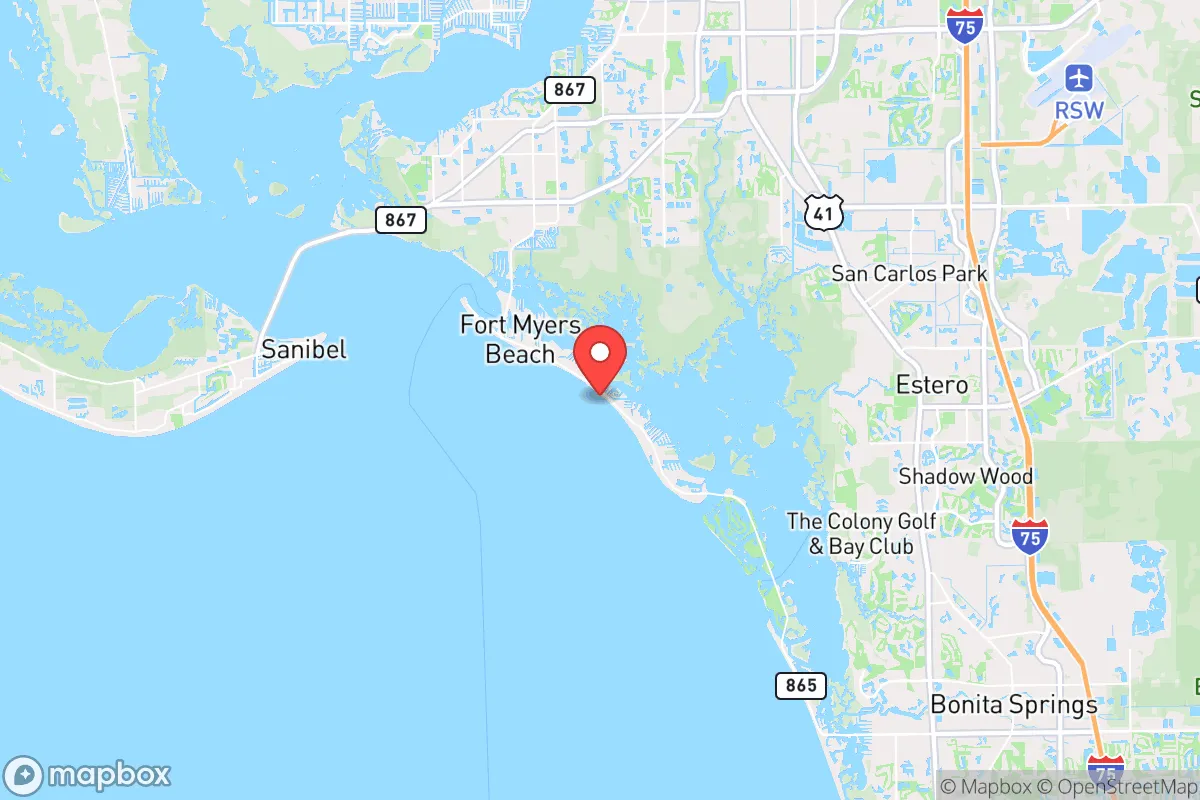
Fort Myers Beach is a small, sun-bleached island community where the pace of life is dictated by the tides and the tourist season, not by the clock. With a year-round population just north of 5,500, it feels less like a traditional town and more like a permanent vacation spot that happens to have a post office and a Publix. The median age of 66.5 tells you a lot: this is a place where retirees and snowbirds set the tone, but a younger, working-age crowd keeps the bars, charter boats, and construction crews running.
The Daily Rhythm: Sand, Sun, and Seasonal Swings
Life here revolves around Estero Boulevard, the single spine that runs the length of the island. Morning means grabbing coffee at The Salty Crab or a breakfast burrito from Yucatan Beach Stand before the heat sets in. Weekends are for beach chairs, a cooler, and a book—or for those with a boat, a run out to Lovers Key State Park or New Pass to anchor and float. The average commute is a remarkably short 20 minutes, which makes sense because most people either work on the island or in nearby Fort Myers proper. That short drive is a genuine luxury, especially compared to mainland sprawl.
Shopping is limited to essentials—there’s a Publix, a hardware store, and a handful of souvenir shops. For anything beyond that, you’re crossing the Matanzas Pass Bridge to the mainland. The seasonal rhythm is the real governor of daily life. From December through April, the island swells with visitors, traffic on Estero Boulevard crawls, and restaurant waits hit an hour. From May through November, the island empties out, parking opens up, and locals reclaim their town. That seasonal swing is both a charm and a frustration.
Who Fits In—and Who Doesn’t
Fort Myers Beach is not for people who need a 24-hour city or a vibrant nightlife scene. It’s for people who value quiet mornings, salt air, and a tight-knit, older social circle. The median household income of $90,833 is solidly upper-middle, but the cost of living index of 174 (well above the US average of 100) means that money doesn’t stretch as far as it would inland. The median home value of $611,600 puts single-family homes out of reach for many young families, though condos and townhomes offer a more attainable entry point. The 45% college-educated rate reflects a population that skews professional or retired—think nurses, remote workers, small business owners, and retirees who sold a house up north.
Parents should know that the local schools—Fort Myers Beach Elementary is the only school on the island—are small and community-focused, but most families with older kids commute to mainland schools in the Lee County district. Sports are a bigger deal on the mainland: Fort Myers High School and Bishop Verot have strong football and baseball programs, and the Boston Red Sox and Minnesota Twins hold spring training at nearby JetBlue Park and Hammond Stadium, giving the area a genuine baseball identity from February through March.
What There Is to Do: Festivals, Fishing, and a Few Honest Bars
The social calendar is anchored by a few big events. Shrimp Fest in March draws thousands to Times Square for food, live music, and a parade. American Sand Sculpting Championship in November turns the beach into an art gallery for a weekend. Year-round, the main entertainment is outdoor: fishing off the pier, kayaking through the mangroves at Lovers Key, or renting a jet ski. The bar scene is casual and salty—Matanzas on the Bay for sunset drinks, Dixie Fish Co. for raw oysters and live music, and Moe’s Original Bar B Que for a cold beer and a pulled pork sandwich. There’s no movie theater, no bowling alley, no mall. Entertainment is the beach itself.
Pros and Cons of Island Living
- Pro: Unmatched access to the water. You’re never more than a five-minute walk from the Gulf. Boating, fishing, paddleboarding, and shelling are daily options, not weekend trips.
- Pro: Low crime, quiet nights. The violent crime rate of 166.8 per 100,000 is below the national average, and the island feels safe even after dark. Most trouble is petty theft from unlocked cars during tourist season.
- Con: Hurricane anxiety. Living on a barrier island means mandatory evacuations when a storm approaches. Hurricane Ian in 2022 devastated parts of the island, and recovery is still ongoing. Flood insurance is expensive and required for most mortgages.
- Con: Seasonal congestion and limited services. From January to April, Estero Boulevard is a parking lot. Restaurants are packed, and finding a seat at the beach requires arriving by 9 a.m. The island also lacks a hospital; the nearest emergency room is on the mainland, a 15-minute drive that can stretch to 30 in season.
- Con: High cost of living. At 174 on the index, groceries, utilities, and housing all cost more than the national average. Rent for a one-bedroom condo can easily hit $2,500 a month in season.
The cultural identity here is proudly insular. Locals call themselves “beach rats” and have a deep distrust of overdevelopment. The fight over building heights, parking, and short-term rentals is a perennial local drama. If you want a quiet, sun-soaked life with a strong sense of place and don’t mind the seasonal crowds or hurricane prep, Fort Myers Beach delivers. If you need urban amenities, good schools, or a year-round social scene, look inland.

Similar small towns to Fort Myers Beach
* Values derived from national, state, county, city and local statistics and may differ in a specific area. Last updated: 2026-05-14T01:45:16.000Z
Narrative content on this page is AI-generated and may contain mistakes. Verify any details that matter before acting on them.
ReloMaps may earn a commission from affiliate links at no extra cost to you.

