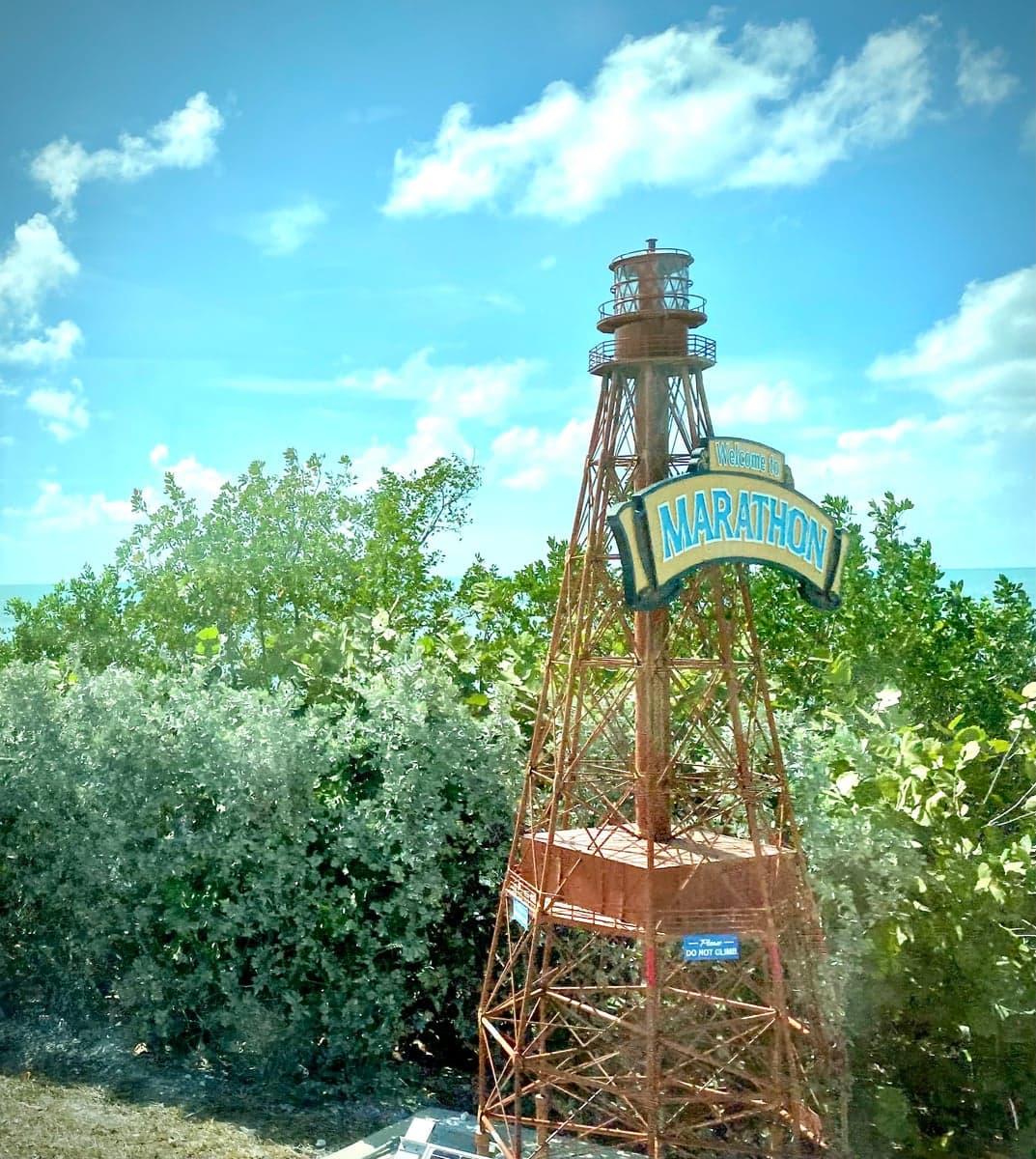
Photo: Wikipedia
Find The Best Places To Live
in Marathon
PRO TIP! You can paste a Zillow or Redfin link to get info on that property.
What It's Like Living in Marathon, FL
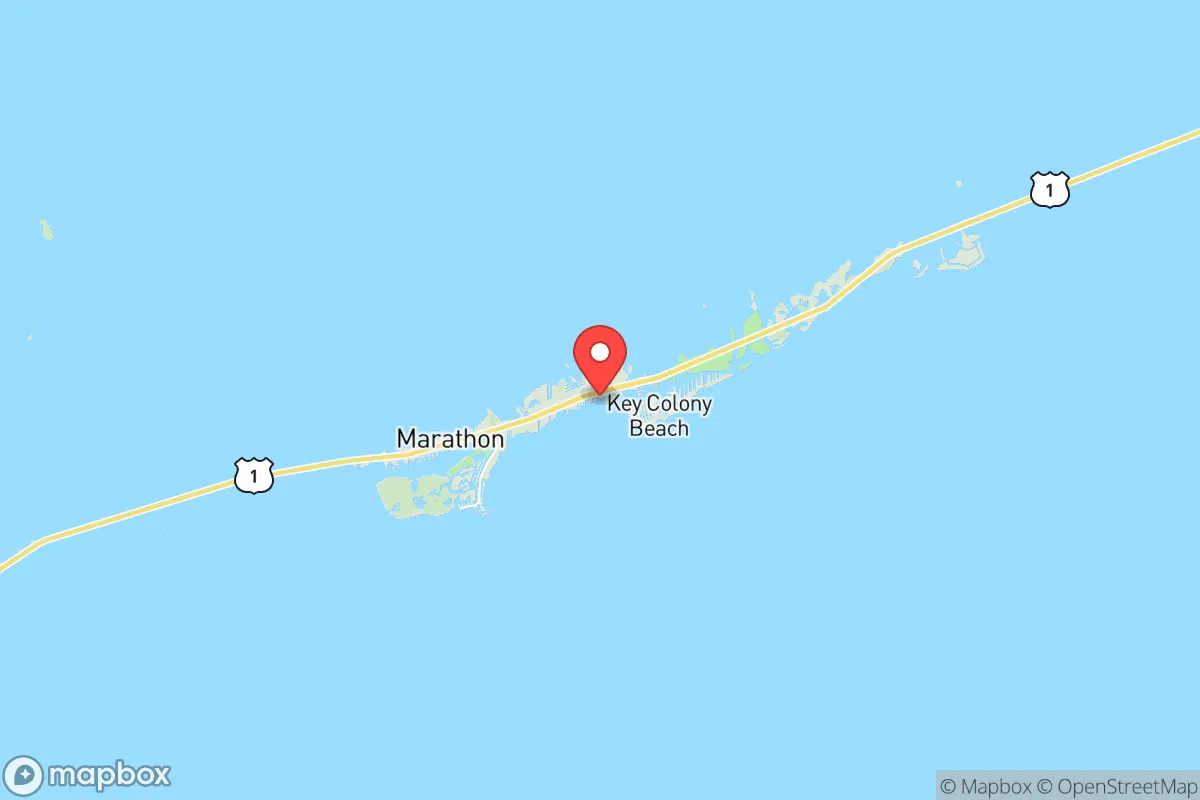
Living in Marathon means trading strip malls and chain restaurants for a pace dictated by tides, tourists, and the occasional Key deer crossing the road. This is the heart of the Florida Keys, a 10-mile-long island city where the Atlantic and Gulf of Mexico meet, and where the local economy runs on fishing charters, marine repair, and the seasonal ebb and flow of visitors. It’s a place where you know your neighbors by their boat names, where the high school football game is a town event, and where “rush hour” means waiting behind a single car turning left onto US-1.
The Daily Rhythm: Island Time with a Working Edge
Life here moves slower than mainland Florida, but it’s not lazy. The median age is 45.6, and that skews older than the national average, but the population of roughly 9,831 includes a solid core of working families, marine tradespeople, and remote professionals who traded a cubicle for a view of the water. A typical weekday starts early—often before sunrise, when the fishing fleet heads out from the Marathon Marina or the docks at Sombrero Beach. By 8 a.m., the line at the Florida Keys Coffee Company on 22nd Street is out the door, and the hardware stores are already busy with people picking up parts for a generator or a dock repair.
The average commute clocks in at about 28 minutes, which is longer than you’d expect for a town this size. That’s because US-1 is the only road in and out, and a single fender bender between Marathon and Key West can turn a 20-minute drive into an hour. Most locals plan their errands around tourist traffic, which peaks between 10 a.m. and 2 p.m. and again around check-in time at the resorts. If you work in the service industry—and many do—you learn to love the off-season (late summer and early fall) when the island feels like it belongs to the people who live here.
Sports, Community, and the Stuff That Binds
High school sports are a genuine anchor here. Marathon High School’s football team, the Dolphins, draws a crowd that fills the bleachers on Friday nights, and the rivalry with Key West is real enough that locals plan their weekends around it. The school itself is a community hub—parent-teacher events, band concerts, and fundraisers are well-attended, partly because there aren’t a dozen other entertainment options competing for attention. For a town with a median household income of $80,556, the school system is a point of pride, even if the facilities aren’t as shiny as those in mainland Monroe County.
Beyond high school sports, the real athletic culture is on the water. The annual Marathon Seafood Festival in March is the biggest event of the year, drawing thousands to the Marathon Community Park for live music, local food, and a general sense that the whole town has shown up. The 7 Mile Bridge Run, held every April, is another rite of passage—locals train for it year-round, and the race itself is a rolling party with views that make the humidity worth it. For a quieter weekend, you’ll find people at Sombrero Beach, the only public beach in Marathon, or at the Turtle Hospital, where you can watch sea turtles get rehabbed and released. The vibe is casual, salt-stained, and unpretentious.
What’s There to Do (and What Frustrates the Locals)
Entertainment here is not about nightclubs or big venues. It’s about the bars that double as community living rooms. The Island Fish Company is a reliable spot for sunset drinks and live music, while the Lazy Days South tiki bar feels like a secret garden if you can find it. For a proper dinner, locals hit the Stuffed Pig for breakfast all day or the Keys Fisheries for lobster Reubens and a view of the working marina. The cultural calendar is thin compared to Miami or even Key West, but the Marathon Community Theatre puts on a handful of shows a year, and the local art guild keeps a small gallery on 5th Street.
The honest downsides are real. The cost of living index sits at 179—nearly 80% above the national average—and the median home value of $683,700 puts homeownership out of reach for many working families. Rentals are scarce and expensive, and the housing stock is a mix of aging mobile homes, elevated stilt houses, and a few newer developments. The violent crime rate of 166.8 per 100,000 is below the national average, but property crime—especially boat and bicycle theft—is a persistent annoyance. Hurricanes are a fact of life: every summer brings the ritual of stocking up on plywood and water, and the 2017 evacuation for Irma was a logistical nightmare that still gets brought up at dinner parties.
What longtime residents love most is the quiet. The lack of chain stores (no Target, no Walmart within 50 miles) means you learn to order everything online or drive to Homestead. The isolation that frustrates some is exactly what others came here for. The water is clean, the fishing is world-class, and the pace of life forces you to slow down. If you’re the kind of person who needs a mall, a movie theater, or a four-lane highway, Marathon will feel claustrophobic. If you value a community where the post office clerk knows your name and the biggest decision of the day is whether to fish the Atlantic side or the Gulf side, it might be exactly right.

Similar small towns to Marathon
* Values derived from national, state, county, city and local statistics and may differ in a specific area. Last updated: 2026-05-14T01:41:43.000Z
Narrative content on this page is AI-generated and may contain mistakes. Verify any details that matter before acting on them.
ReloMaps may earn a commission from affiliate links at no extra cost to you.

