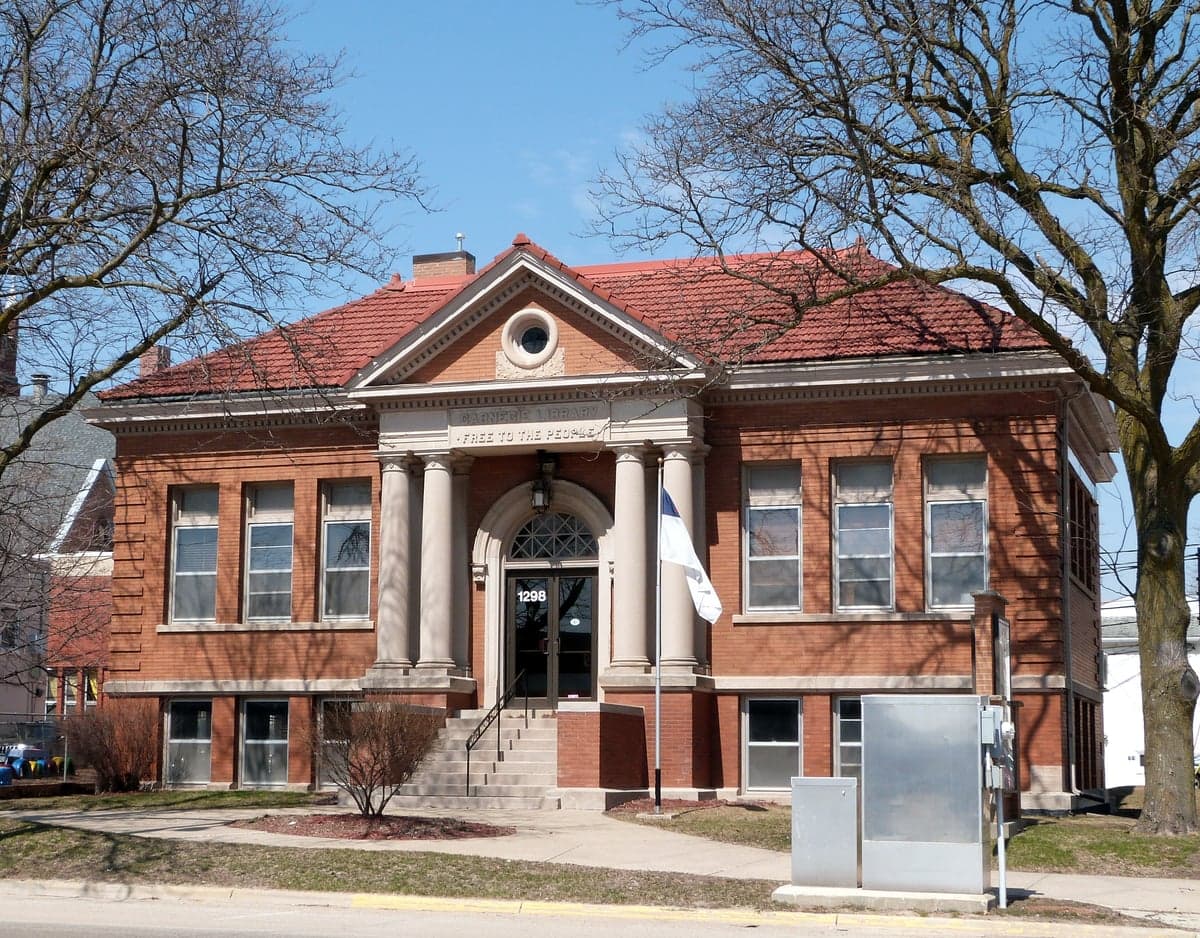
Photo: Wikipedia
Quality of Life in Marion, IA
A high quality of life with strong walkability, manageable living costs, healthy neighborhood signals, and solid amenity access.
What does Quality of Life tell us?
Quality of Life blends cost of living, nearby amenities, socioeconomic signals, and neighborhood character. City-level scores represent the whole municipality; individual neighborhoods can differ.
What does this tell us?
Quality of Life blends cost of living, nearby amenities, socioeconomic signals, and neighborhood character. City-level scores represent the whole municipality; individual neighborhoods can differ.
Cost of Living
17% below national average
The Real Cost of Living in Marion, IA for 2026
| Tier | Individual | Family (4) |
|---|---|---|
| Survival | $16k | $29k |
| Comfortable | $45k | $66k |
| Luxury | $129k+ | $200k+ |
| Elite (Top 5%) | $152k+ | $235k+ |
132%
The Area Signal
A metric tracking the socioeconomic signals of the area.
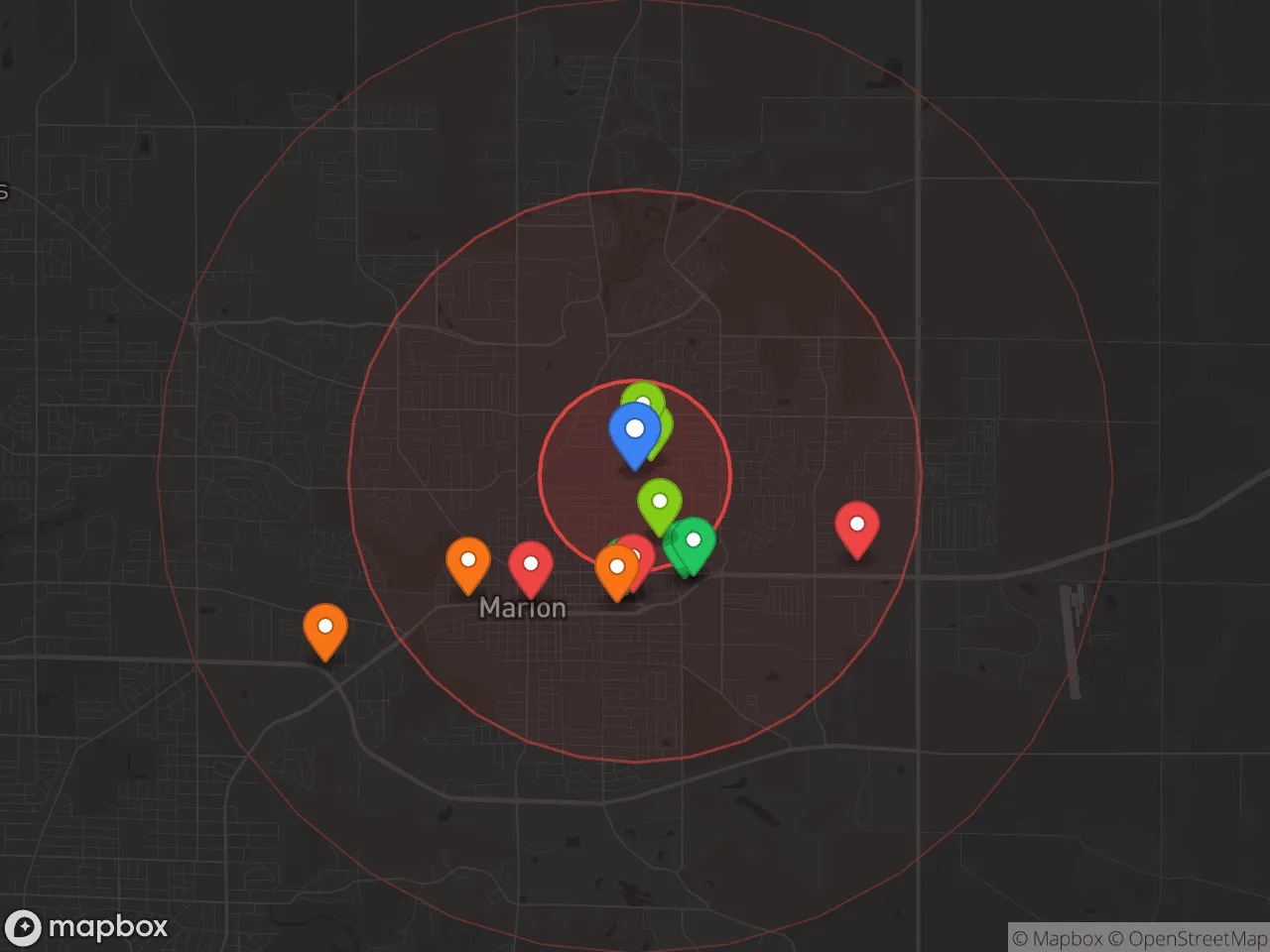
Hobbies
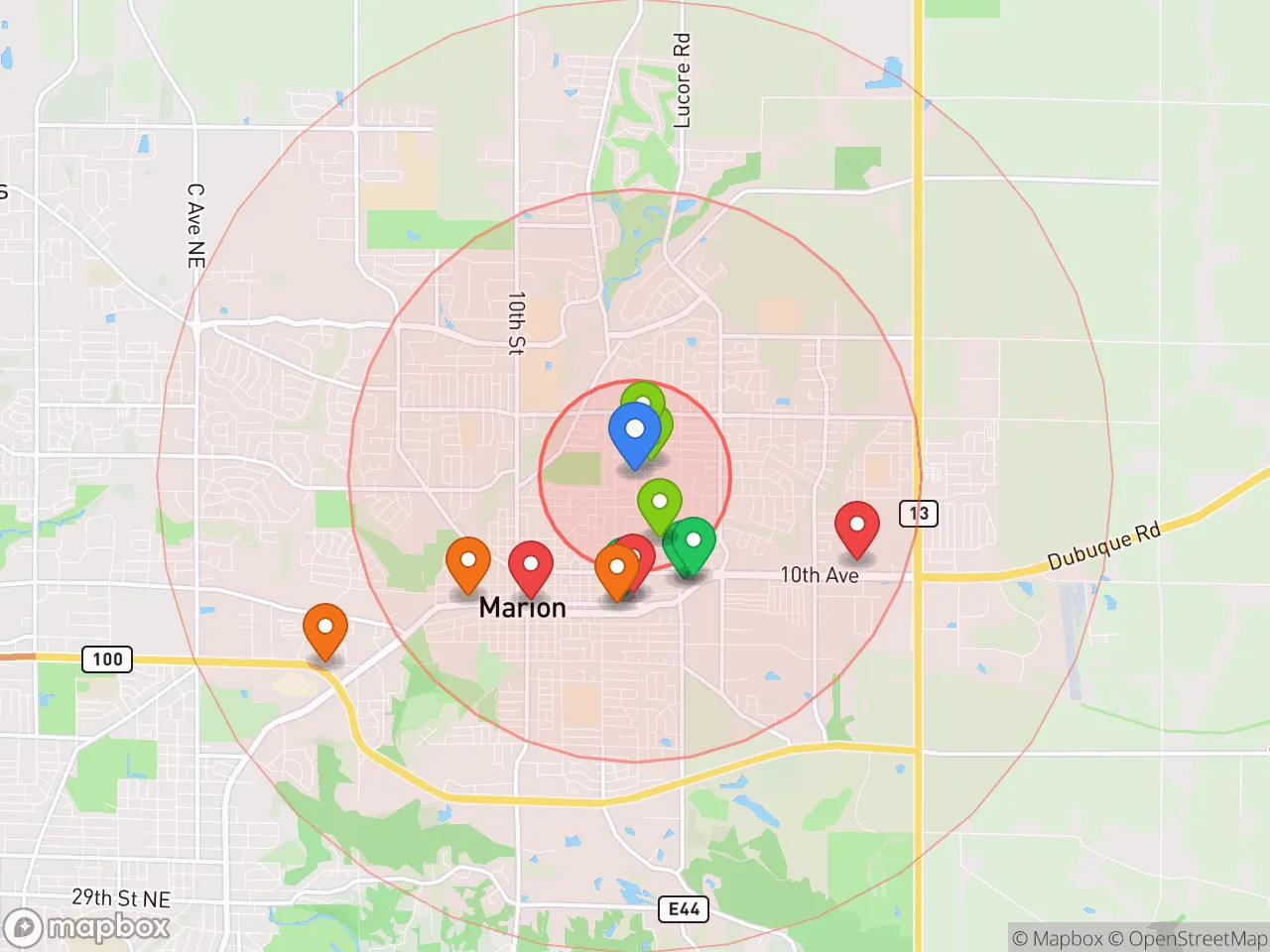
Explore the areaGroceries
5 within 10 miles
Gas
20 within 10 miles
Hospital
3 within 20 miles
Airport
ORD — O'Hare International
Post Office
USPS — Marion, IA
Critical Amenities
Quality-of-Life Analysis
Marion, Iowa, presents a quality of life defined by strong community ties, above-average affluence, and a cost of living that remains refreshingly accessible compared to national benchmarks. With a cost of living index of 83 (where 100 equals the U.S. average), the city attracts a mix of young families, established professionals, and retirees who value proximity to Cedar Rapids without sacrificing suburban space or slower pace. The median household income in Marion consistently exceeds the state average, supporting a stable, family-oriented demographic that prioritizes local schools, parks, and civic engagement.
Cost of living, housing costs, and how Marion compares to Cedar Rapids
Marion’s cost of living index of 83 is notably lower than the national average, making it one of the more affordable suburbs in the Cedar Rapids metro area. The median home value sits at $230,800, which is roughly 10-15% below the median for the broader Cedar Rapids metropolitan statistical area, offering buyers a tangible price advantage for single-family homes in established neighborhoods. Median rent is $978, well under the national median of roughly $1,200, and significantly cheaper than comparable suburbs like Hiawatha or Robins. The average commute time of just over 19 minutes is a standout feature — far shorter than the national average of 26 minutes — meaning residents can live affordably and still reach downtown Cedar Rapids or major employers like Collins Aerospace and Rockwell Collins in under 25 minutes. Property taxes in Linn County are moderate, and while home values have risen steadily since 2020, Marion remains a relative bargain for buyers priced out of Cedar Rapids’ more expensive west-side neighborhoods.
Local amenities, schools, and the daily rhythm of life in Marion
Daily life in Marion revolves around a well-maintained network of parks, a walkable historic Uptown district, and a school system that consistently earns above-average ratings from the Iowa Department of Education. The Marion Independent School District operates five elementary schools, one middle school, and Marion High School, which offers Advanced Placement courses and strong extracurricular programs in music and athletics. For daily errands and dining, residents rely on the Uptown Marion area — anchored by the Marion Public Library, a weekly farmers market, and independent restaurants like The Class Act — while big-box retail and medical services are a 10-minute drive into Cedar Rapids. The city’s 19-minute average commute means most residents spend less than 40 minutes per day in the car, freeing time for activities at Lowe Park, the Marion Arts Center, or the Indian Creek Nature Center. The pace is unhurried but not isolated; Marion feels connected to the metro’s job base while retaining a small-town Saturday-morning feel.
Marion is best suited for families and professionals who want a low-stress daily routine, affordable homeownership, and easy access to a mid-sized city’s employment and cultural offerings. Retirees on fixed incomes will appreciate the low rent and short drives to medical facilities, while remote workers benefit from the low cost of living and reliable broadband coverage. Those seeking nightlife, dense urban energy, or a walkable downtown with high-rise apartments will find Marion too quiet; for everyone else, it offers a balanced, financially sensible quality of life that is hard to match in the Cedar Rapids corridor.

Crime in Marion, IA
Lower crime rates than 89% of comparable U.S. locations.
Violent CrimeViolent Crime Analysis
Property CrimeProperty Crime Analysis
Crime Analysis
Marion, Iowa, is a notably safe community within the Cedar Rapids metropolitan area, with violent crime rates significantly below both state and national averages. The city's overall crime profile is driven almost entirely by property crime, which occurs at a rate of 598.3 incidents per 100,000 residents. While this property crime figure is moderate, the violent crime rate of just 116.9 per 100,000 places Marion among the safer suburbs in Linn County.
Crime in context
Marion's violent crime rate of 116.9 per 100,000 is roughly one-third the national average and well below the Iowa state average of approximately 280 per 100,000. This places the city in the safest tier of communities for violent offenses like assault, robbery, and homicide. Property crime, at 598.3 per 100,000, is also lower than the national median of roughly 1,950 per 100,000, though it is slightly above the Iowa state average of about 1,500 per 100,000. The vast majority of reported incidents are larceny-theft and vehicle break-ins, concentrated in commercial corridors like the Uptown Marion district and near the Lindale Mall area. It is important to note that Marion falls under the jurisdiction of Linn County courts. Progressive judicial policies in the Cedar Rapids metro area, including Linn County's emphasis on diversion programs and reduced sentencing for property crimes, have been criticized by some residents for contributing to repeat offenses and a perception that consequences for theft and burglary are insufficient to deter crime.
What residents experience
Most Marion residents report feeling safe walking in their neighborhoods and using city parks like Lowe Park and Thomas Park during daylight hours. The primary safety concerns are non-violent: car break-ins, package theft from porches, and occasional vandalism in areas with higher foot traffic. The Marion Police Department maintains a visible community presence, with neighborhood watch programs active in subdivisions like Indian Creek and Bowman Woods. However, residents near the Highway 151 corridor and the commercial zones around 7th Avenue and 10th Street report more frequent property crime incidents. The city's proximity to Cedar Rapids (a larger metro area with higher crime rates) means that some property crime is linked to transient offenders, a pattern common in suburban communities adjacent to urban centers.
Neighborhood-level variation in Marion is moderate. The safest areas are the established, higher-value subdivisions on the city's north and east sides, such as those near the Marion Country Club and the newer developments around Highway 13. Older neighborhoods closer to downtown Marion and the Uptown district see slightly elevated property crime, though violent incidents remain rare. Overall, Marion's safety profile is excellent for violent crime, but residents should take standard precautions against theft, particularly securing vehicles and packages, as the local justice system's approach to property crime may not provide a strong deterrent effect.
* Values derived from national, state, county, city and local statistics and may differ in a specific area. Last updated: 2026-04-30T03:18:36.000Z
Narrative content on this page is AI-generated and may contain mistakes. Verify any details that matter before acting on them.
ReloMaps may earn a commission from affiliate links at no extra cost to you.

