Photo: Wikipedia
Quality of Life in Marion, OH
A livable area that tracks near national norms for affordability, walkability, and neighborhood health.
What does Quality of Life tell us?
Quality of Life blends cost of living, nearby amenities, socioeconomic signals, and neighborhood character. City-level scores represent the whole municipality; individual neighborhoods can differ.
What does this tell us?
Quality of Life blends cost of living, nearby amenities, socioeconomic signals, and neighborhood character. City-level scores represent the whole municipality; individual neighborhoods can differ.
Cost of Living
41% below national average
The Real Cost of Living in Marion, OH for 2026
| Tier | Individual | Family (4) |
|---|---|---|
| Survival | $14k | $25k |
| Comfortable | $22k | $32k |
| Luxury | $72k+ | $112k+ |
| Elite (Top 5%) | $85k+ | $132k+ |
143%
Hobbies
Explore the areaGroceries
0 within 10 miles
Gas
0 within 10 miles
Hospital
0 within 20 miles
Airport
John Glenn Columbus International Airport
Post Office
Critical Amenities
Quality-of-Life Analysis
Marion, Ohio, offers a notably low cost of living that attracts a mix of working-class families, retirees, and manufacturing employees, with a Cost of Living Index of 59—well below the U.S. average of 100. The area’s affluence is modest, with median household incomes trailing state and national figures, but the affordability of housing and daily expenses creates a stable environment for those prioritizing financial breathing room over high-end amenities. The population skews older and more rooted, with many residents employed in local manufacturing, healthcare, and education sectors, giving the city a steady, blue-collar character.
Cost of living and housing affordability compared to Columbus and central Ohio
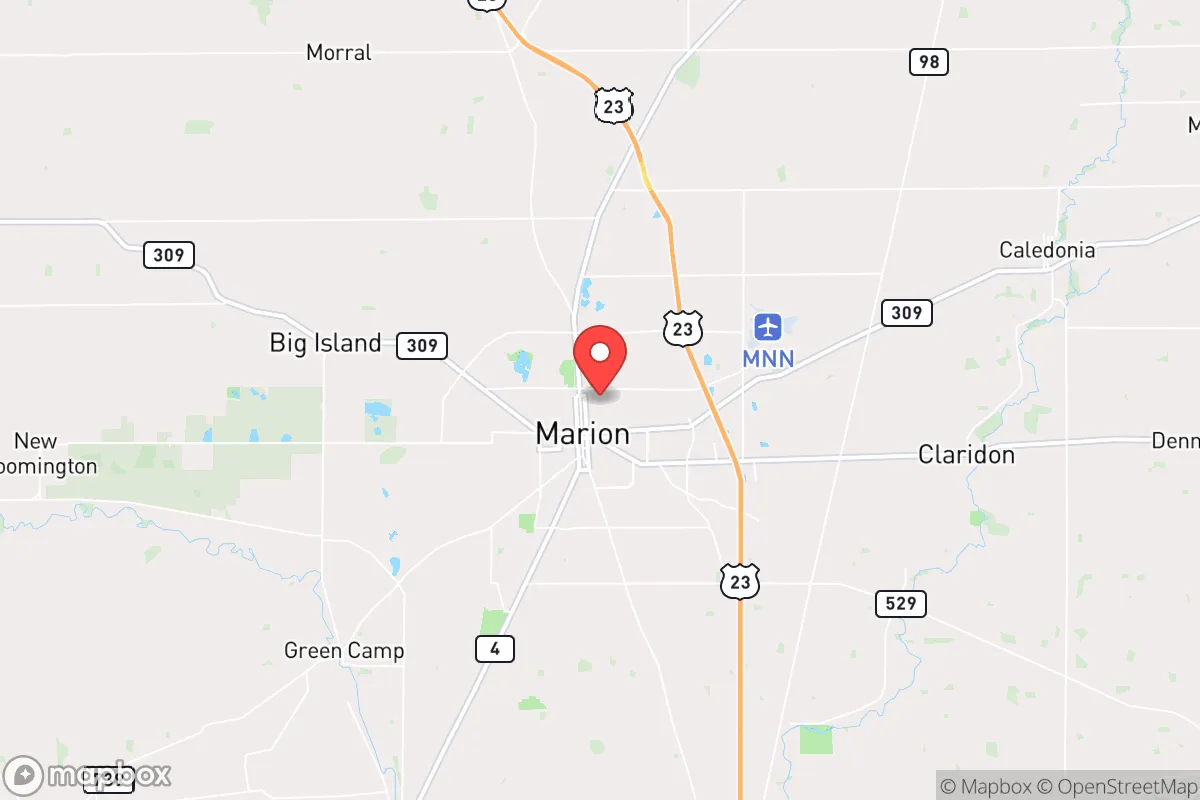
Housing in Marion is dramatically cheaper than in nearby Columbus, roughly 45 miles south. The median home value sits at $105,900, less than half the Columbus metro median of around $260,000, while the median rent of $848 is similarly low. This affordability extends to utilities, groceries, and transportation, all of which are below national averages. The average commute of 20.2 minutes is shorter than the national average of 26 minutes, reducing daily transportation costs and making it feasible to live in Marion while working in Marion County or commuting to jobs in Delaware or northern Franklin County. Property taxes are moderate, and the overall housing market has remained stable, with modest appreciation since 2020, though inventory can be limited for move-in-ready homes under $150,000.
Local amenities, schools, and daily life for families and retirees
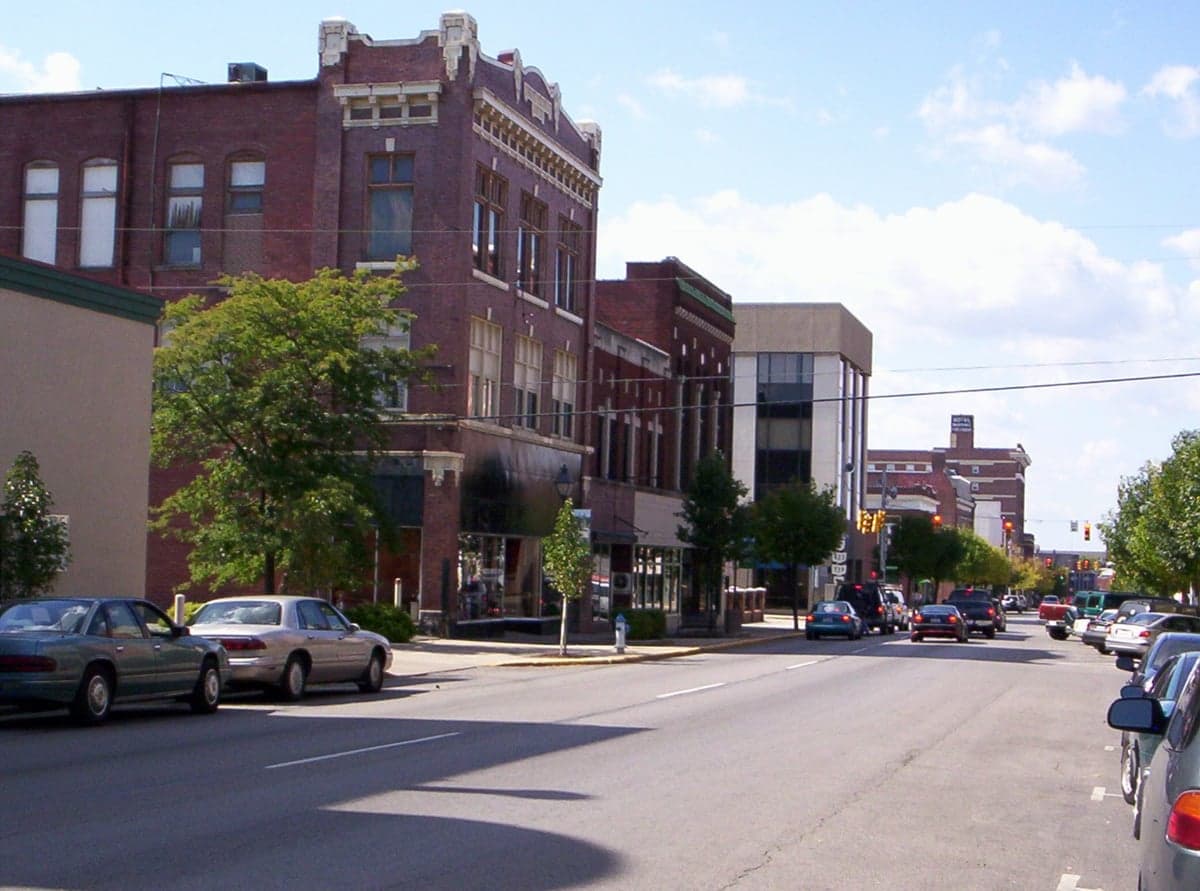
Daily life in Marion revolves around a compact downtown with local diners, the Marion Palace Theatre for live performances, and the Marion County Historical Society’s exhibits. The Marion City School District serves most of the city, with a graduation rate near 80%, while several private and parochial schools offer alternatives. For outdoor recreation, the Marion Tallgrass Trail provides a paved multi-use path, and the nearby Marion Reservoir offers fishing and boating. Grocery stores, pharmacies, and basic retail are within a short drive, but residents typically travel to Columbus for major shopping, specialty healthcare, or entertainment. The pace of life is noticeably slower than in the capital, with less traffic and a stronger sense of community, though nightlife and dining options are limited. The Marion Area Chamber of Commerce actively supports local businesses, and the city hosts annual events like the Marion Popcorn Festival, which draws regional crowds.
Marion is best suited for those who value low housing costs, a short commute, and a quieter, more predictable routine over urban excitement. First-time homebuyers, retirees on fixed incomes, and manufacturing or logistics workers will find the affordability and stability appealing. Professionals seeking high-end dining, diverse cultural events, or rapid career growth may feel constrained, but for anyone prioritizing financial security and a slower pace, Marion offers a solid, no-frills quality of life.

Crime in Marion, OH
Generally safer than 56% of comparable U.S. locations.
Violent CrimeViolent Crime Analysis
Property CrimeProperty Crime Analysis
Crime Analysis
Marion, Ohio, presents a mixed safety picture for prospective residents. The city’s violent crime rate of 257.1 incidents per 100,000 people sits below the national average, but its property crime rate of 1,326.2 per 100,000 is significantly elevated, signaling a heightened risk of theft, burglary, and vehicle break-ins. As a small city within commuting distance of the Columbus metropolitan area, Marion’s crime dynamics are influenced by both local economic conditions and broader regional justice system trends that residents should carefully evaluate.
Crime in context
Marion’s violent crime rate is roughly 26% lower than the U.S. average, a statistic that may offer some reassurance. However, the property crime rate is approximately 25% higher than the national figure and notably exceeds the Ohio state average. This disparity suggests that while serious physical assaults are less common, property-related offenses are a persistent concern. The city’s proximity to larger urban centers like Columbus, combined with the progressive judicial philosophies often found in Ohio’s metropolitan counties, can create a revolving-door effect for repeat property offenders. In jurisdictions where district attorneys and judges prioritize rehabilitation over incarceration, even convicted burglars and thieves may face minimal jail time, directly increasing the likelihood of recidivism and further victimization of residents.
What residents experience
For those living in Marion, the most tangible safety issue is property crime. Residents commonly report theft from vehicles, shed and garage break-ins, and occasional home burglaries, particularly in neighborhoods near major thoroughfares. The city’s police department has responded with targeted patrols and community watch programs, but the underlying challenge remains the local justice system’s approach. When offenders are repeatedly released on low bonds or given probation for theft-related felonies, the deterrent effect weakens, and law-abiding citizens bear the cost of increased insurance premiums and the stress of securing their belongings. Violent crime, while less frequent, does occur and is often linked to domestic disputes or drug-related activity, with the city’s opioid crisis contributing to both categories.
Neighborhood-level variation is notable. Areas closer to downtown Marion and along the State Route 23 corridor tend to report higher property crime volumes, while outlying residential subdivisions and the more rural edges of the city see lower incident rates. Prospective renters and buyers should research specific blocks and talk to local police liaisons, as a single street can differ markedly from its neighbor. Overall, Marion demands a proactive approach to home security and situational awareness, with the understanding that the broader progressive legal environment in the region may reduce the consequences for those who commit property crimes.
* Values derived from national, state, county, city and local statistics and may differ in a specific area. Last updated: 2026-04-21T18:52:28.000Z
Narrative content on this page is AI-generated and may contain mistakes. Verify any details that matter before acting on them.
ReloMaps may earn a commission from affiliate links at no extra cost to you.

