Photo: Wikipedia
Quality of Life in Mars Hill, NC
A high quality of life with strong walkability, manageable living costs, healthy neighborhood signals, and solid amenity access.
What does Quality of Life tell us?
Quality of Life blends cost of living, nearby amenities, socioeconomic signals, and neighborhood character. City-level scores represent the whole municipality; individual neighborhoods can differ.
What does this tell us?
Quality of Life blends cost of living, nearby amenities, socioeconomic signals, and neighborhood character. City-level scores represent the whole municipality; individual neighborhoods can differ.
Cost of Living
9% below national average
The Real Cost of Living in Mars Hill, NC for 2026
| Tier | Individual | Family (4) |
|---|---|---|
| Survival | $15k | $28k |
| Comfortable | $57k | $84k |
| Luxury | $107k+ | $166k+ |
| Elite (Top 5%) | $126k+ | $196k+ |
92%
The Area Signal
A metric tracking the socioeconomic signals of the area.
Hobbies
Explore the areaGroceries
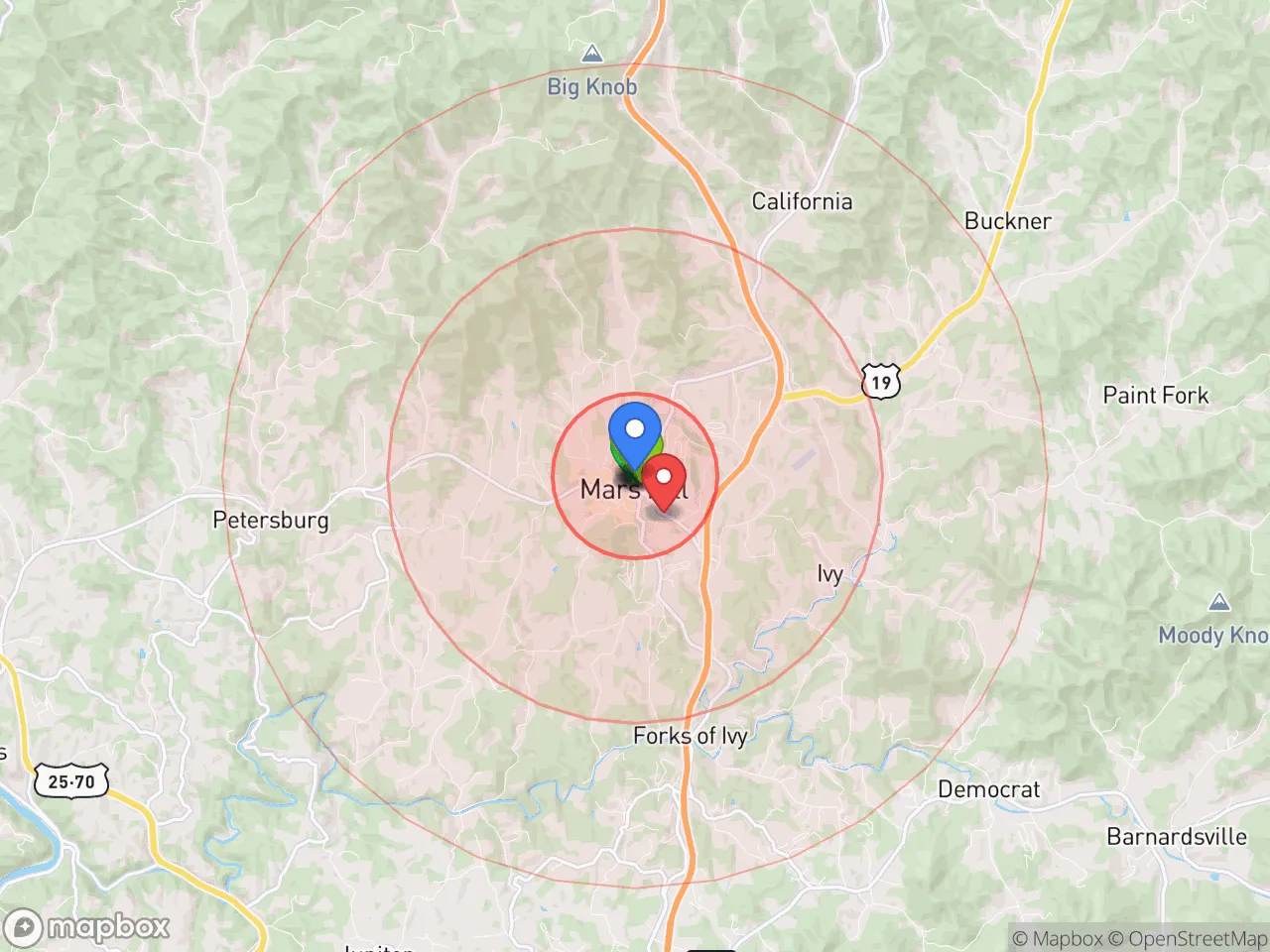
3 within 10 miles
Gas
20 within 10 miles
Hospital
3 within 20 miles
Airport
CLT — Charlotte Douglas International
Post Office
USPS — Mars Hill, NC
Critical Amenities
Quality-of-Life Analysis
Mars Hill, North Carolina, offers a notably affordable quality of life in the Blue Ridge Mountains, with a cost of living index of 91 (9% below the U.S. average) that attracts a mix of retirees, remote workers, and Appalachian State University affiliates. The town’s population of roughly 2,500 leans older and well-educated, with a median age near 40 and a high proportion of residents holding bachelor’s degrees or higher. This creates a community that values outdoor recreation, local arts, and a slower pace, while still maintaining access to the employment and cultural hubs of Asheville, 20 miles south.
Cost of living and housing affordability compared to Asheville and Weaverville
Mars Hill’s housing market remains one of the most accessible in Madison County, with a median home value of $295,700 and median rent of $942 — roughly 30% cheaper than comparable properties in Asheville. The cost of living index of 91 reflects savings across all major categories, particularly housing and transportation. The average commute of 27.9 minutes is slightly longer than the national average, but residents trade that time for significantly lower monthly housing costs. For context, a home in Mars Hill costs about $100,000 less than the median in Asheville, and rents run $300–$400 lower per month. Property taxes in Madison County are also below state averages, further stretching household budgets. However, inventory is limited, and homes under $300,000 often sell within weeks, especially those with mountain views or acreage. Renters face a tight market with few apartment complexes; most rentals are single-family homes or duplexes listed by private landlords.
Local amenities, schools, and what daily life feels like
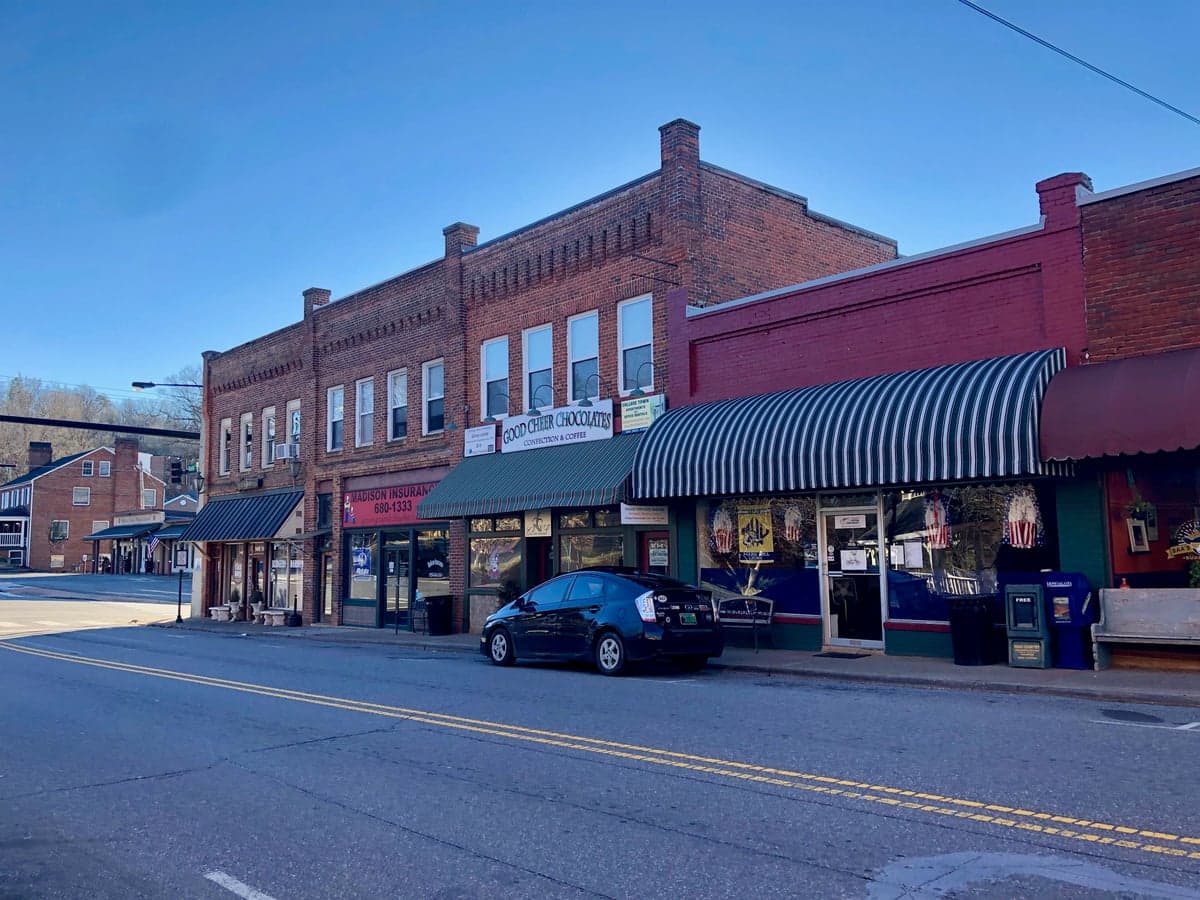
Daily life in Mars Hill centers on the compact downtown along Main Street, anchored by the Mars Hill University campus, which hosts public events, concerts, and a farmers market from May through October. The town has a small grocery store (Ingles), a hardware store, a pharmacy, and a handful of locally owned restaurants and coffee shops. For major shopping, medical services, or entertainment, residents drive 15–20 minutes to Weaverville or 30 minutes to Asheville. Madison County Schools serve the area, with Mars Hill Elementary and Madison Middle/High School both rated above average by the state; the high school offers several Advanced Placement courses and a strong athletics program. Outdoor amenities define the lifestyle here: the Appalachian Trail passes within 10 miles, the French Broad River offers fishing and paddling, and the Pisgah National Forest provides hundreds of miles of hiking and mountain biking trails. The town’s small size means most errands can be done on foot or by a short drive, and community events like the annual Mars Hill Pottery Festival and Fourth of July celebration draw consistent participation.
Mars Hill is best suited for people who prioritize affordability, mountain access, and a tight-knit community over urban conveniences and nightlife. Retirees on fixed incomes, remote workers who need reliable internet (fiber is available in parts of town), and families who want good public schools without Asheville’s housing costs will find the trade-offs worthwhile. Those who require walkable urban amenities, frequent dining options, or a diverse job market may feel constrained. The town’s political leanings are mixed — Madison County voted +18 Republican in 2024 — but the university presence brings a noticeable liberal minority, creating a generally tolerant atmosphere. For buyers and renters who can act quickly when inventory appears, Mars Hill offers one of the best value propositions in Western North Carolina.

Crime in Mars Hill, NC
Crime rates similar to the national median for U.S. locations.
Violent CrimeViolent Crime Analysis
Property CrimeProperty Crime Analysis
Crime Analysis
Mars Hill, a small town in Madison County, North Carolina, presents a mixed safety profile that is notably safer than the national average for violent crime but more dangerous for property crime. With a violent crime rate of 325.1 per 100,000 residents and a property crime rate of 1,765.6 per 100,000, the town’s overall risk is shaped by its rural setting and proximity to Asheville. While violent incidents are less frequent than in many urban areas, property offenses—particularly theft and burglary—are a more common concern for residents.
Crime in context
Mars Hill’s violent crime rate of 325.1 per 100,000 is 7% lower than the national average of roughly 350 per 100,000, but it is about 30% higher than the North Carolina state average of 250 per 100,000. This places the town in a middle ground: safer than the U.S. as a whole, but riskier than many other small communities in the state. Property crime, however, is a more pressing issue. At 1,765.6 per 100,000, it is roughly 10% higher than the national average (1,600 per 100,000) and about 20% higher than the North Carolina average (1,470 per 100,000). The elevated property crime rate likely reflects the town’s location near the Asheville metro area, which has seen rising property crime in recent years.
What residents experience
For those living in Mars Hill, the day-to-day reality is that violent crime—such as assault, robbery, or homicide—is uncommon but not unheard of. The most frequent incidents involve theft from vehicles, burglary of unoccupied homes, and occasional vandalism. Residents often report feeling safe walking on the Mars Hill University campus and in the town’s core, but they advise securing homes and vehicles, especially in outlying neighborhoods. The presence of a progressive district attorney in the broader Buncombe County judicial district (which includes Asheville) has raised concerns among some residents about lenient sentencing for property offenders. This ideological approach, while sympathetic to offenders, can lead to more criminals returning to the streets quickly, potentially increasing repeat property crimes and undermining justice for victims and the public.
Neighborhood-level variation
Safety in Mars Hill varies notably by area. The neighborhoods immediately surrounding Mars Hill University and along Main Street tend to have lower crime rates due to higher foot traffic and campus security patrols. In contrast, more rural pockets—such as the areas along Bailey Branch Road or near the French Broad River—see fewer incidents but also less police presence, making them slightly more vulnerable to property crime. Overall, the town’s small size means that most crime is concentrated in a few hotspots, and residents who take basic precautions—like locking doors and installing outdoor lighting—can significantly reduce their risk.
* Values derived from national, state, county, city and local statistics and may differ in a specific area. Last updated: 2026-10-20T17:07:26.000Z
Narrative content on this page is AI-generated and may contain mistakes. Verify any details that matter before acting on them.
ReloMaps may earn a commission from affiliate links at no extra cost to you.

