 Popular
Photo: Wikipedia
Find The Best Places To Live
in Asheville
PRO TIP! You can paste a Zillow or Redfin link to get info on that property.
What It's Like Living in Asheville, NC
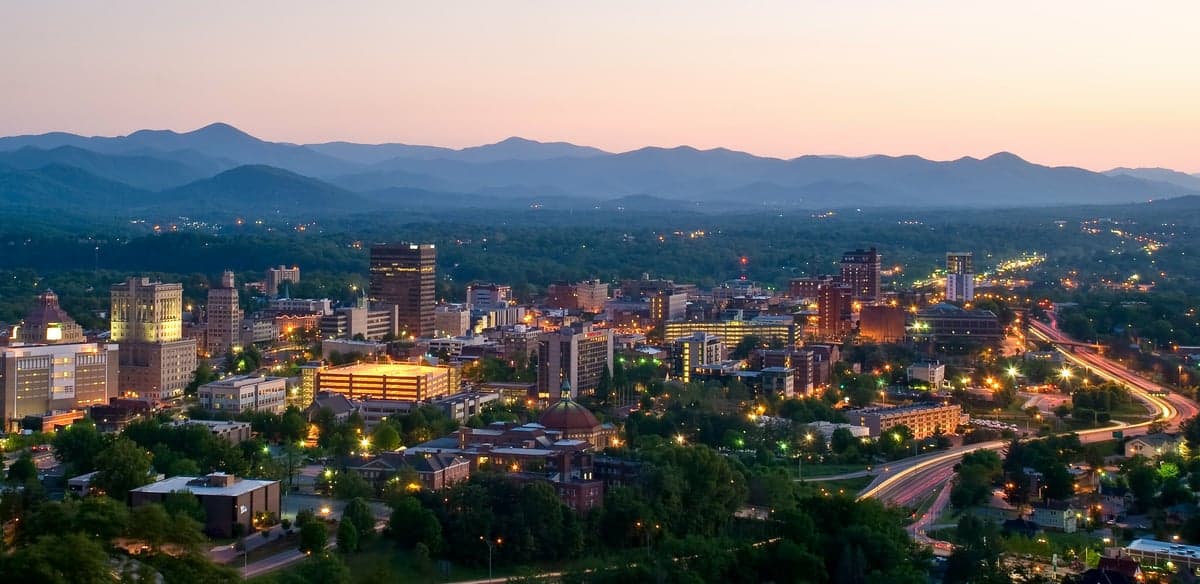
Asheville has a way of surprising people. One minute you’re stuck behind a line of Subarus on Tunnel Road, the next you’re staring at the Blue Ridge Parkway from a brewery patio, wondering if you actually live in a vacation destination. It’s a small city—just over 94,000 people—with a big reputation for craft beer, mountain views, and a fiercely independent streak. But living here full-time is different from visiting for a weekend. The vibe is less “artsy retreat” and more “complicated small town with a tourist problem and a lot of opinions about development.”
The Daily Rhythm: What People Actually Do
Most days in Asheville move at a pace that feels slower than the national average, even if the cost of living doesn’t. The average commute is just under 18 minutes, which means you can live in a neighborhood like West Asheville or Montford and still get to work downtown without losing your mind. People here spend their weekends at the River Arts District, hiking the trails at Bent Creek, or hitting up the tailgate market at the WNC Farmers Market. Grocery shopping often involves a stop at Ingles or Earth Fare, and grabbing dinner might mean a plate of Nashville hot chicken at Biscuit Head or a burger at the Vault. The median age is 40.7, so you’ll find plenty of 30- and 40-somethings who moved here for the lifestyle and stayed for the community—though many are also leaving because they can’t afford a house.
The kind of person who fits in here is someone who values experiences over square footage. You don’t move to Asheville to get rich; you move here to have a view and a hobby. The median household income is $67,221, which sounds decent until you realize the median home value is $411,000. That math doesn’t work for a lot of people, especially single-income households or young families. You’ll meet plenty of remote workers, artists, and retirees, but also a growing number of service-industry folks who are priced out of the neighborhoods they work in. If you’re conservative-leaning, you’ll find a mix—the city itself votes blue, but the surrounding county is purple, and there’s a strong libertarian undercurrent that shows up in local politics and the “keep Asheville weird” ethos.
Sports, Festivals, and the Real Entertainment Scene
Sports aren’t the main draw here, but they’re present in a low-key way. The Asheville Tourists (a minor-league baseball team) play at McCormick Field, and games are a cheap, fun summer night out—think $10 tickets and a beer in the stands. High school football is a big deal in the surrounding counties, especially at schools like Asheville High and Reynolds, but it doesn’t dominate the conversation the way it does in, say, the Piedmont. College sports get some attention from UNC Asheville and Warren Wilson, but the real energy goes to outdoor recreation. The Blue Ridge Parkway, Pisgah National Forest, and the French Broad River are the city’s real stadiums. You’ll find people rafting, mountain biking, or trail running on any given Saturday.
Festivals are where Asheville really shines. The LEAF Festival twice a year brings world music and camping to Lake Eden. The Asheville Film Festival, the Downtown After 5 concert series, and the quirky “Beads and Things” street fairs keep the calendar full. Music venues like The Orange Peel and the Grey Eagle host national acts, while smaller spots like Fleetwood’s and One Stop give local bands a stage. The food scene is legitimately good—restaurants like Cúrate, Rhubarb, and Chai Pani have put Asheville on national maps. But the brewery scene is the real identity marker. You can’t walk three blocks without hitting a taproom, and locals have strong opinions about which IPA is best. The downside is that some of these spots feel overrun with bachelorette parties and weekenders, especially from April through October.
Pros and Cons of Living Here
Let’s be honest about the upsides and downsides. The pros are real: you’re 20 minutes from world-class hiking, the weather is mild (four distinct seasons, but winters are short and summers rarely hit 90), and there’s a genuine sense of community if you put in the effort. The local food and beer scene is a legitimate perk, not just marketing hype. The schools are a mixed bag—some are excellent, like Asheville City Schools, but the county system is larger and more variable. Private and charter options exist, but they’re not cheap.
The cons are harder to ignore. The cost of living index is 126, meaning you’ll pay about 26% more than the national average for everyday stuff. Housing is the biggest pain point—$411,000 for a median home is steep for a city this size, and rents have followed suit. Traffic is a real issue on the main arteries, especially I-240 and Tunnel Road, even if the commute is short. The violent crime rate is 750.4 per 100,000, which is high for a city this size and something to take seriously if you’re moving with kids. Property crime is also a problem, especially car break-ins and package thefts in popular neighborhoods. And the tourism can wear on you—locals joke about “leaf season” (October) like it’s a natural disaster, because it basically is. The city’s infrastructure wasn’t built for the number of visitors it gets, and that shows in crowded restaurants, packed trails, and a general sense that the town is sometimes more for visitors than for residents.
If you’re considering a move, the best advice is to visit during the off-season—January or February—and see what the city feels like without the crowds. Talk to a bartender or a bike shop employee, not just a real estate agent. Asheville is a place that rewards patience and a sense of humor. It’s not perfect, but for the right person, it’s hard to imagine living anywhere else.

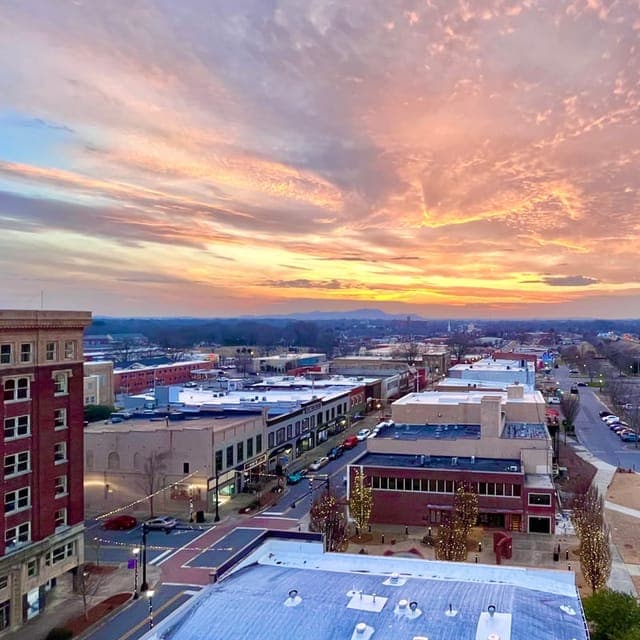
Similar small cities to Asheville
* Values derived from national, state, county, city and local statistics and may differ in a specific area. Last updated: 2026-04-22T01:51:23.000Z
Narrative content on this page is AI-generated and may contain mistakes. Verify any details that matter before acting on them.
ReloMaps may earn a commission from affiliate links at no extra cost to you.

