Photo: Wikipedia
Find The Best Places To Live in Talbot County
PRO TIP! You can paste a Zillow or Redfin link to get info on that property.
Best Places to Live in Talbot County
Cities & Towns in Talbot County
Cities in Talbot County
What It's Like Living in Talbot County, MD
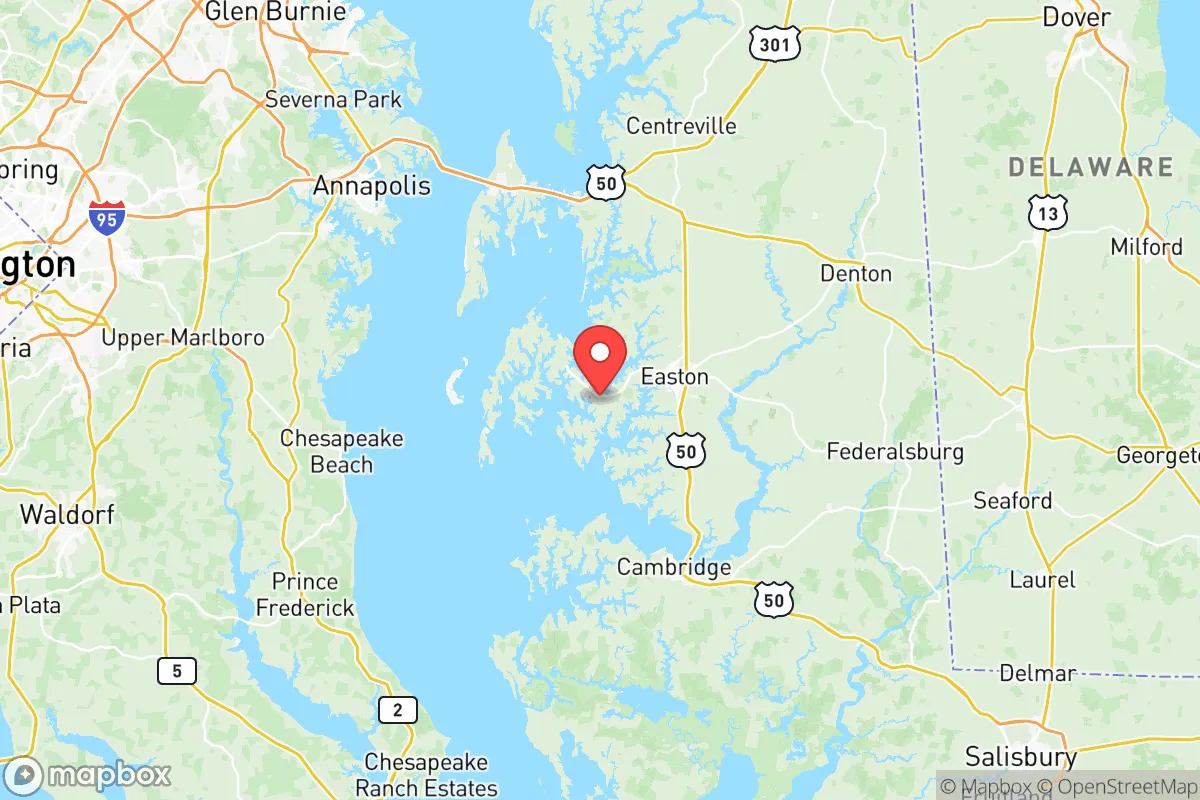
Talbot County feels like a place that has figured out how to hold onto its character while quietly adapting to the times. It’s the kind of area where you still see working watermen’s trucks parked next to Teslas at the Easton Acme, and where the biggest local debate might be about the height of a new downtown building. With a population just under 38,000 spread across towns like Easton, St. Michaels, Oxford, and Tilghman Island, the county offers a distinctly Chesapeake lifestyle—one that appeals strongly to retirees, second-home owners, and families who value schools, water access, and a slower pace.
The Daily Rhythm: Water, Work, and Weekends
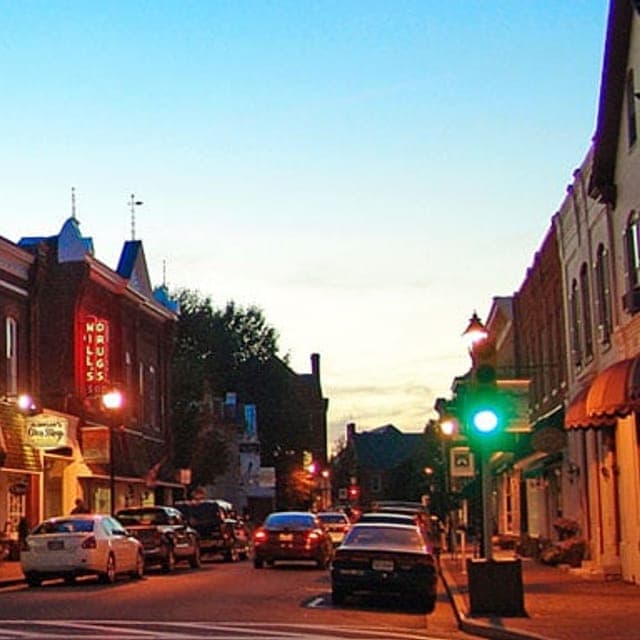
For most people living here, the day starts early. In Easton, the county seat and commercial hub, you’ll find folks grabbing coffee at Rise Up Coffee before heading to jobs in healthcare, education, or the growing professional services sector. The University of Maryland Shore Regional Health system is a major employer, and the hospital anchors a lot of the local economy. The average commute in Talbot County is just under 26 minutes, which feels reasonable—most drives are scenic, crossing creeks and farmland, and rarely involve traffic jams unless you’re stuck behind a tractor on Route 50 during harvest season.
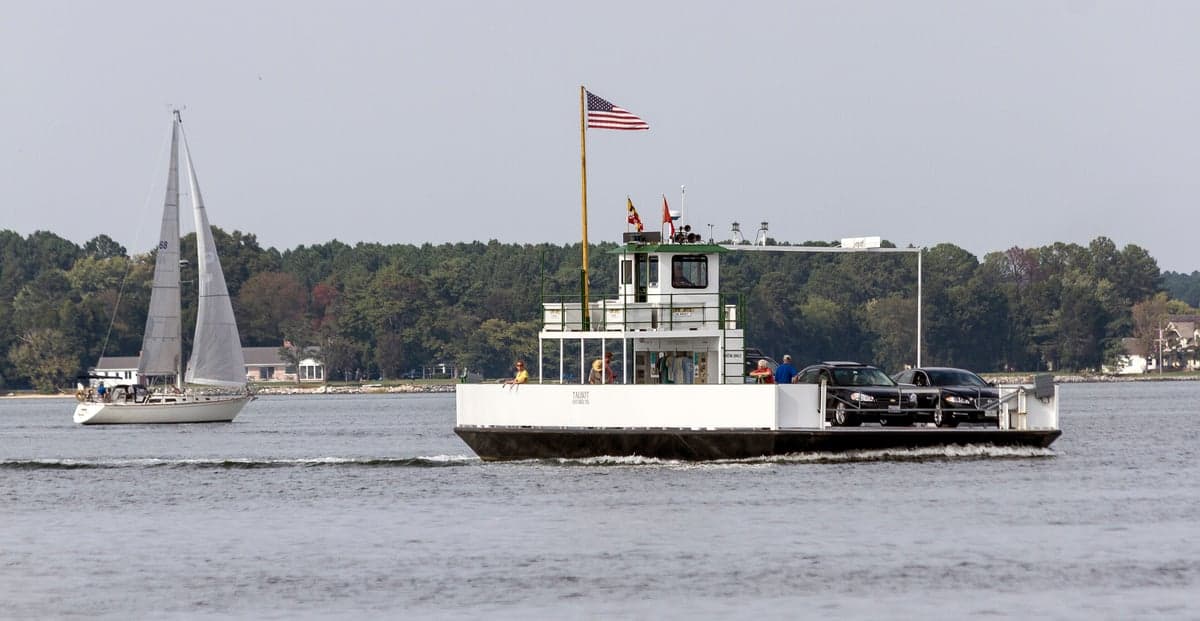
Weekends are where the county really shines. In St. Michaels, the harbor fills with sailboats and tourists browsing the shops along Talbot Street. Locals tend to gravitate toward the St. Michaels Nature Trail or the quieter end of town near the Maritime Museum. Oxford, on the other hand, feels like a well-kept secret—a tiny waterfront village where the Oxford-Bellevue Ferry has been running since 1683. People who live there describe it as “Mayberry on the water,” and they mean it as a compliment. For groceries and errands, Easton is the practical hub, with a solid mix of chain stores and local markets like the Easton Farmers Market, which runs year-round on Saturdays.
Sports, Schools, and Community Identity
High school sports are a genuine centerpiece of community life here. Easton High School football and lacrosse draw solid crowds on Friday nights, and the rivalry with Queen Anne’s County is real. Talbot County’s median age of 51.1 skews older than the national average, which means the school system serves a smaller but engaged population of families. About 41% of adults hold a college degree, and the schools reflect that—parents are involved, and the district is generally well-regarded, especially at Easton Elementary and St. Michaels Middle/High School.
There isn’t a pro sports team in the county, but that doesn’t mean sports culture is absent. The Baltimore Orioles and Ravens have a strong following, and you’ll see flags and jerseys around town. What really gets people out, though, are the local events. The Waterfowl Festival in Easton every November is a huge deal—it draws tens of thousands of visitors for art, decoys, and retriever demonstrations. It’s also a major fundraiser for conservation. For a quieter weekend, locals fish, crab, or kayak on the Tred Avon River or the Miles River. The county’s 600 miles of shoreline mean water access is never far, even if you don’t own waterfront property.
What It Costs and Who Fits In
Talbot County is not cheap. The cost of living index sits at 121, well above the national average, and the median home value is $398,300. That number climbs fast in St. Michaels and Oxford, where waterfront homes routinely top a million. Easton offers more variety—historic row houses near the downtown square, newer subdivisions on the outskirts, and some older ranch homes in the $250,000–$350,000 range. The median household income of $84,378 is solid, but first-time buyers often struggle to find something affordable within walking distance of town. Rents are also high; a decent two-bedroom apartment in Easton can run $1,500–$1,800 a month.
The kind of person who fits in here is someone who values peace and privacy but still wants a good restaurant and a friendly face at the post office. It’s not a place for nightlife—bars close early, and the social scene revolves around dinner parties, church events, and volunteer work. The county skews conservative politically, though Easton itself is more mixed. People are generally polite but not quick to warm up to newcomers; it helps to get involved in something—the volunteer fire department, a local nonprofit, or the Talbot County Garden Club.
Pros and Cons of Living in Talbot County
- Pro: Unmatched access to the Chesapeake Bay. You can launch a kayak, charter a fishing boat, or just sit on a dock and watch the sunset within minutes of almost anywhere in the county.
- Pro: Strong sense of place and history. Towns like Oxford and St. Michaels have preserved their colonial and maritime character without feeling like theme parks.
- Pro: Good schools and low crime in most residential areas. The violent crime rate of 364.1 per 100,000 is slightly above the national average, but it’s concentrated in specific areas of Easton; most neighborhoods feel very safe.
- Con: Limited job diversity. If you’re not in healthcare, education, or the trades, you may find yourself commuting to Annapolis or even the Eastern Shore’s larger employers in Salisbury.
- Con: Seasonal tourism traffic. From May through October, Route 33 to St. Michaels and the main streets of Easton can get frustratingly congested with visitors.
- Con: High housing costs relative to local wages. The median home value is nearly five times the median income, which prices out many younger families and service workers.
Talbot County isn’t for everyone. But for people who want a life defined by water, history, and a slower rhythm—and who can afford the premium—it delivers something increasingly rare: a place that still feels like itself.

* Values derived from national, state, county, city and local statistics and may differ in a specific area. Last updated: 2026-08-09T12:32:40.000Z
Narrative content on this page is AI-generated and may contain mistakes. Verify any details that matter before acting on them.
ReloMaps may earn a commission from affiliate links at no extra cost to you.

