Photo: Wikipedia
Quality of Life in Talbot County
A livable area that tracks near national norms for affordability, walkability, and neighborhood health.
What does Quality of Life tell us?
Quality of Life measures an area by evaluating factors like cost of living, nearby amenities, country club access, airport proximity, socioeconomic signals and neighborhood character. For large states, this is a general average — quality of life can vary dramatically between metro areas, suburbs, and rural communities within the same state.
What does this tell us?
Quality of Life measures an area by evaluating factors like cost of living, nearby amenities, country club access, airport proximity, socioeconomic signals and neighborhood character. For large states, this is a general average — quality of life can vary dramatically between metro areas, suburbs, and rural communities within the same state.
Cost of Living
21% above national average
74%
The Real Cost of Living in Talbot County for 2026
| Tier | Individual | Family (4) |
|---|---|---|
| Survival | $20k | $37k |
| Comfortable | $77k | $114k |
| Luxury | $152k+ | $236k+ |
| Elite (Top 5%) | $209k+ | $324k+ |
Quality-of-Life Analysis
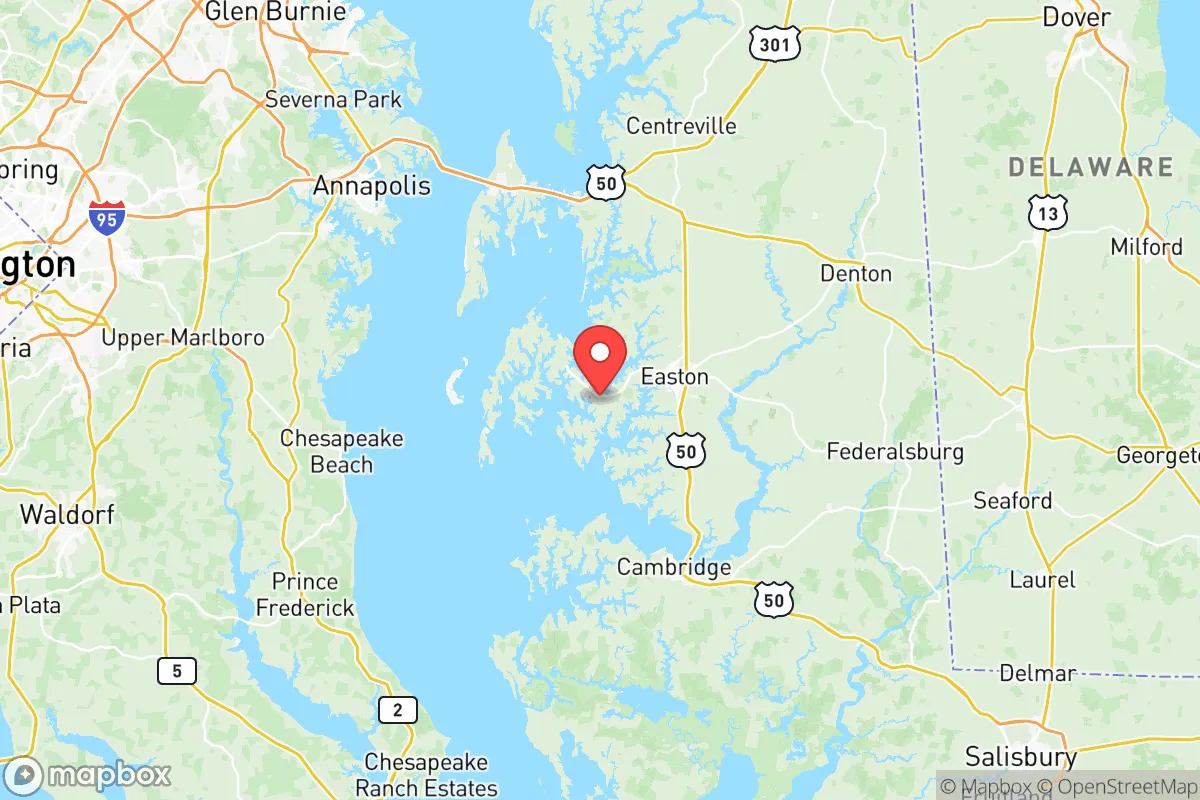
Talbot County, Maryland, offers a spectrum of quality-of-life options that ranges from the historic, walkable waterfront of Easton to the deeply rural farmlands and creek-side hamlets of places like Royal Oak and Bozman. The county’s character is defined by its Chesapeake Bay shoreline, working watermen communities, and a mix of second-home owners, retirees, and families seeking a slower pace. People drawn to the county’s larger towns prioritize cultural amenities and convenience, while those in the smaller communities and rural pockets value privacy, water access, and a more traditional Eastern Shore lifestyle.
Largest town(s) & population centers
Easton is the county seat and the undisputed hub of Talbot County, with a population of roughly 17,000. Daily life here centers on the compact, walkable downtown, which features a vibrant arts scene anchored by the Avalon Theatre and the Academy Art Museum. The town offers a full range of services, including the University of Maryland Shore Medical Center at Easton, a YMCA, and a variety of independent restaurants and shops. St. Michaels, while smaller (around 1,000 year-round residents), functions as a major tourism and second-home destination. Its historic district is packed with boutiques, inns, and marinas, and the Chesapeake Bay Maritime Museum draws visitors year-round. Life in St. Michaels is heavily oriented toward the water, with many residents keeping boats and commuting to Easton or even across the Bay Bridge for work. The average commute across the county is roughly 26 minutes, which is manageable for those working locally but can stretch significantly for the many residents who commute to Annapolis or the Washington, D.C. metro area.
Smaller towns & rural pockets
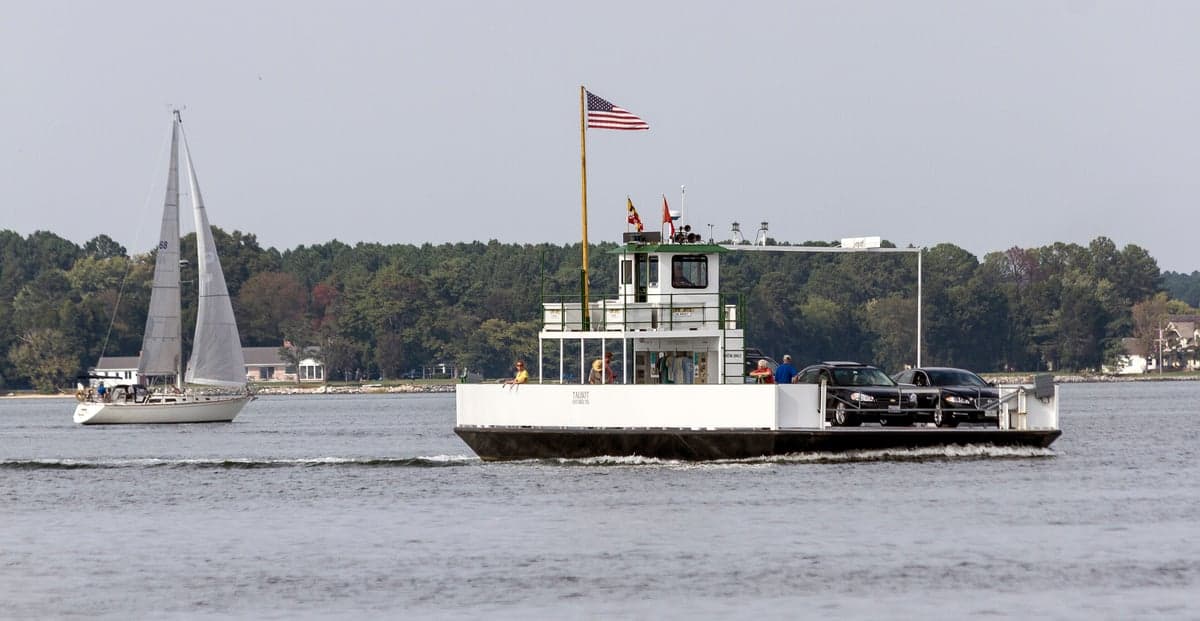
Beyond the main towns, Talbot County is dotted with unincorporated communities that each have a distinct character. Oxford is a historic port village on the Tred Avon River, reachable by the Oxford-Bellevue Ferry, and is known for its quiet streets, waterfront homes, and the Robert Morris Inn. It is a favorite for retirees and seasonal residents seeking seclusion. Tilghman Island is a working watermen’s community with a rugged, authentic feel; it offers a mix of modest homes and newer waterfront estates, with a strong sense of local tradition. Royal Oak and Bozman are rural crossroads with little commercial development, primarily consisting of farms, waterfront properties, and a few marinas. Trappe, near the southern border, is a small town undergoing gradual growth, with newer subdivisions appealing to families priced out of Easton. These areas lack the amenities of the larger towns, meaning residents drive 15–25 minutes to Easton for groceries, healthcare, and dining.
Cost & lifestyle range
The cost of living in Talbot County is well above the national average, with a composite index of 121 (100 = U.S. average). The median home value sits at $398,300, while the median rent is a comparatively affordable $1,248, reflecting a market where homeownership is expensive but rental options, particularly in older buildings, remain accessible. The widest cost spread exists between the waterfront enclaves and the inland rural areas. At the high end, St. Michaels and Oxford command premium prices, with many homes exceeding $1 million, especially those with deep-water dockage. At the more affordable end, Trappe and parts of Easton outside the historic district offer homes in the $250,000–$350,000 range, though inventory is limited. Lifestyle varies accordingly: waterfront residents enjoy boating, kayaking, and private piers, while those in the county’s interior live among farmland and forests, with access to the same public schools and regional hospital but fewer daily conveniences. The county’s property tax rate is moderate for Maryland, but the lack of a local income tax in Talbot County (unlike many Maryland counties) provides some relief to homeowners.
Talbot County is best suited for those who value a connection to the Chesapeake Bay, whether through boating, fishing, or simply living near the water. Retirees and remote workers with flexible schedules thrive in the quieter villages, while families and professionals tend to cluster in Easton for its schools and services. The county offers a genuine Eastern Shore experience, but the high cost of waterfront property and the limited job base outside of healthcare, tourism, and government mean it is not a fit for everyone. Those seeking a balance of rural tranquility and small-town culture will find the most options here, provided they are prepared for a car-dependent lifestyle and a slower pace of life.

Crime in Talbot County
Higher crime rates than 58% of comparable U.S. locations.
Violent CrimeViolent Crime Analysis
Property CrimeProperty Crime Analysis
Crime Analysis
Talbot County, Maryland, presents a mixed safety picture. Its violent crime rate of 364.1 per 100,000 residents is notably higher than the national average, while its property crime rate of 1,849.2 per 100,000 sits closer to the national median. The county’s safety profile is heavily influenced by the dynamics of its largest town, Easton, and the more rural, affluent communities that surround it.
Crime in context
Talbot County’s violent crime rate of 364.1 per 100,000 is roughly 4% higher than the national average and significantly above the Maryland state average of approximately 450 per 100,000. Property crime in the county, at 1,849.2 per 100,000, is slightly below the national average of roughly 1,950 per 100,000. These aggregate numbers, however, mask a sharp divide between the county’s urbanized core and its rural periphery. The town of Easton, the county seat and economic hub, accounts for a disproportionate share of reported incidents, particularly thefts and aggravated assaults. In contrast, the villages of St. Michaels, Oxford, and Tilghman Island report far lower crime volumes, consistent with their smaller populations and higher property values.
What residents experience
Residents in Talbot County’s smaller towns and waterfront communities generally describe a quiet, low-crime environment where unlocked cars and doors are still common. In St. Michaels and Oxford, the primary safety concerns are seasonal petty theft and occasional vandalism tied to tourism traffic. In Easton, the experience is different. The town has seen periodic spikes in drug-related offenses and property crime, with police data showing a concentration of incidents along the Route 50 corridor and in certain downtown blocks. The county’s judicial system, operating under the District Court for Talbot County in Easton, has faced criticism from residents for what they perceive as lenient sentencing for repeat property offenders. Critics point to a broader trend in Maryland’s Eastern Shore courts, where progressive bail reform and diversion programs, while intended to reduce incarceration, have in practice led to a revolving door for individuals arrested for theft and drug possession. This has created a sense among some residents that the justice system prioritizes offender rehabilitation over public safety and victim restitution.
Neighborhood-level variation is pronounced. The safest areas in Talbot County are the rural subdivisions and waterfront enclaves outside of Easton, particularly around Royal Oak and Bozman, where crime is virtually nonexistent. The most active areas for police response are the downtown Easton commercial district and the apartment complexes near the Easton Bypass. For prospective residents, the choice often comes down to a trade-off: the convenience and walkability of Easton, with its higher crime exposure, versus the isolation and near-zero crime rates of the county’s smaller towns and unincorporated areas. The Talbot County Sheriff’s Office maintains a visible presence in the rural areas, while the Easton Police Department handles the bulk of the town’s calls. Overall, the county is safe by national standards for those who avoid the higher-crime pockets, but the trend in property crime and the perceived softness of the local courts are legitimate concerns for families and retirees considering a move to the area.
* Values derived from national, state, county, city and local statistics and may differ in a specific area. Last updated: 2026-08-09T12:32:40.000Z
Narrative content on this page is AI-generated and may contain mistakes. Verify any details that matter before acting on them.
ReloMaps may earn a commission from affiliate links at no extra cost to you.

