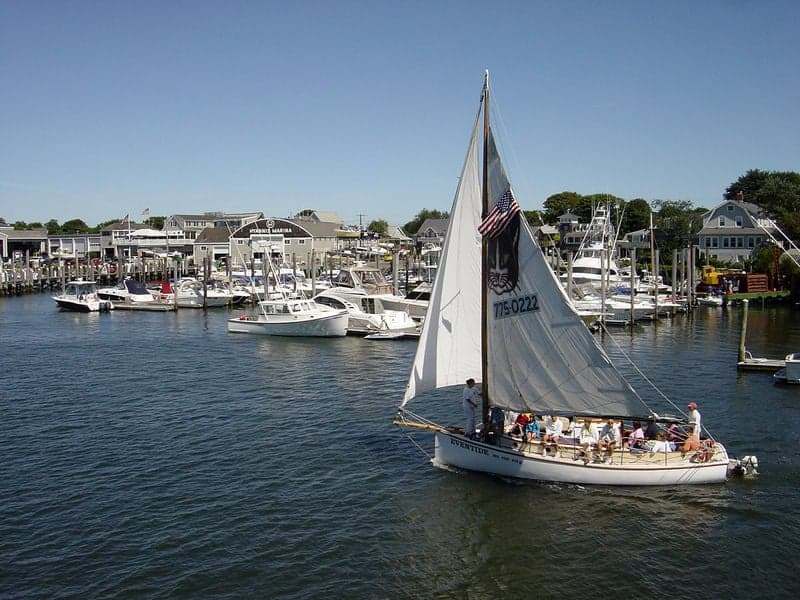
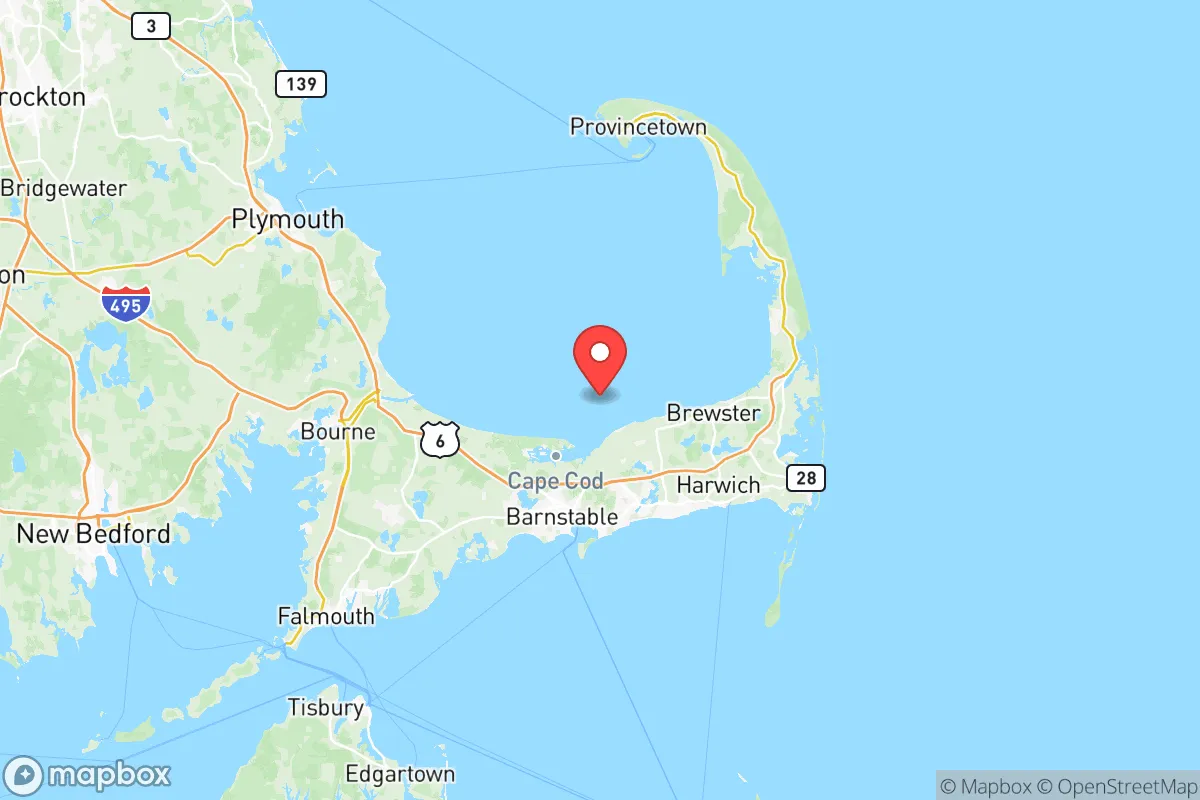
Photo: Wikipedia
Find The Best Places To Live in Barnstable County
PRO TIP! You can paste a Zillow or Redfin link to get info on that property.
Best Places to Live in Barnstable County
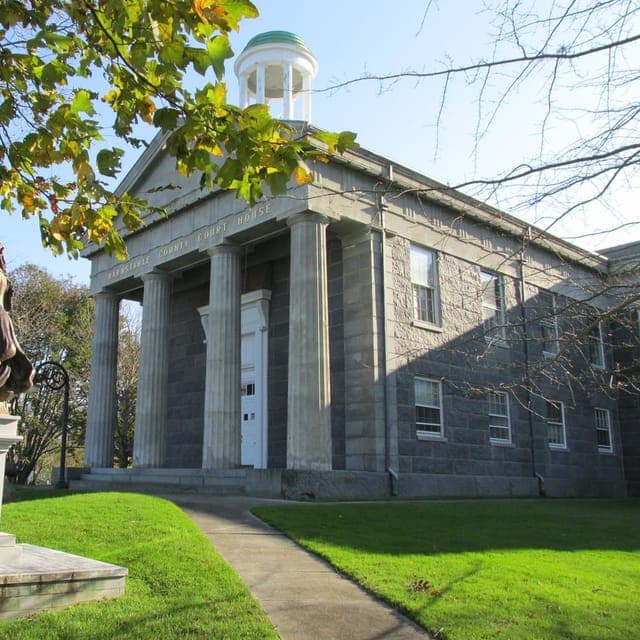
Cities & Towns in Barnstable County
Cities in Barnstable County
What It's Like Living in Barnstable County, MA
Living in Barnstable County means trading the relentless pace of city life for a rhythm dictated by tides, tourist seasons, and the quiet hum of a place that’s been a summer escape for generations. This is Cape Cod in its entirety—from the bustling, year-round energy of Hyannis to the windswept solitude of Truro and Provincetown. It’s a place where the median age of 55.1 tells a real story: you’ll find a lot of retirees and empty-nesters, but also a resilient core of families and young professionals who work in healthcare, hospitality, and the trades, all navigating a cost of living index of 164 that makes everyday life feel like a premium product.
The Seasonal Grind and the Year-Round Reward
Daily life here is defined by the calendar. From Memorial Day through Labor Day, the population of towns like Falmouth and Chatham swells with visitors, turning Route 6 and the Sagamore Bridge into a parking lot. Locals learn to shop early, avoid the main drags on weekends, and cherish the off-season from October to April, when the Cape feels like a private club. The average commute of about 25 minutes is a blessing compared to Boston’s sprawl, but that number hides the reality that a trip from Wellfleet to a job in Hyannis can stretch to an hour in summer traffic. People spend their weekends differently depending on the season: summer is for beach days at Coast Guard Beach in Eastham or kayaking through the marshes of Barnstable Harbor; winter is for cozying up at a local brewery like Devil’s Purse in South Dennis or catching a show at the Cape Cod Melody Tent in Hyannis.
The kind of person who fits in here is someone who values quiet over convenience. You’ll find a mix of affluent second-home owners in Brewster and Orleans, alongside multi-generational Cape Codders who work in fishing, construction, or the many medical facilities that anchor the local economy. The median household income of $94,452 supports a comfortable lifestyle for families, but the median home value of $575,900 means that buying in often requires a dual income or a serious down payment. Rentals are scarce and expensive, especially in summer, and many young adults find themselves priced out of the towns they grew up in, moving inland to Sandwich or Mashpee for more affordable options.
Sports, Festivals, and the Cape Cod Identity
Sports here are less about pro teams and more about community gatherings. The Harwich Mariners of the Cape Cod Baseball League draw crowds of families and scouts every summer night, with free admission and a genuine small-town atmosphere that’s hard to find elsewhere. High school sports are a big deal too—Friday night football at Barnstable High School in Hyannis is a social event, and the rivalry between Dennis-Yarmouth and Nauset Regional is the stuff of local legend. For outdoor enthusiasts, the Cape Cod National Seashore offers 40 miles of protected shoreline, and the Cape Cod Rail Trail bike path runs 25 miles through Dennis, Orleans, and Wellfleet, connecting towns in a way that cars can’t.
Festivals are the heartbeat of the off-season. Provincetown’s Carnival Week in August is a vibrant, inclusive celebration that draws visitors from across the Northeast, while the Wellfleet OysterFest in October is a true local affair, with shucking contests and live music that feels more like a block party than a tourist trap. The cultural quirk here is a fierce independence—Cape Codders are proud of their town identities, and you’ll hear people refer to themselves as “from the Lower Cape” or “from the Mid-Cape” as if they’re different countries. The year-round population of 230,073 is spread across 15 towns, each with its own zoning laws, school committees, and local gossip, which can feel insular to newcomers but also creates a strong sense of belonging once you’re in.
What Works, What Grates, and Who Thrives Here
The pros are real: stunning natural beauty, a slower pace of life, and a community that rallies around its libraries, fire departments, and local businesses. The violent crime rate of 289.3 per 100,000 is slightly above the national average, but most of that is concentrated in specific areas of Hyannis, and the overall feeling of safety in towns like Yarmouth and Brewster is high. Schools are a major draw—Nauset Regional High School in North Eastham and Barnstable High School both have strong reputations, and the school system often serves as the social hub for families, with sports games and parent-teacher nights doubling as community events.
The cons are equally real. The cost of living index of 164 means that groceries, utilities, and gas are all noticeably more expensive than the national average. Winter can be isolating, especially for single people, as many restaurants and shops close or reduce hours from January through March. The job market is heavily tilted toward healthcare, education, and seasonal service work, so professionals in tech or finance often commute to Boston or work remotely. Traffic on the bridges is a genuine frustration—a 20-minute delay can turn a trip to the mainland into a two-hour ordeal on a summer Saturday. And while the median age of 55.1 means a quiet, respectful community, it also means fewer nightlife options and a dating scene that can feel sparse for younger singles.
For families, the Cape offers a safe, outdoor-oriented childhood with strong schools and a built-in summer camp vibe. For retirees, it’s a peaceful haven with excellent healthcare access at Cape Cod Hospital in Hyannis. For single professionals, it can feel like a trade-off: you get beauty and peace, but you’ll need to be proactive about building a social life. The people who stay are the ones who learn to love the quiet months, who know the back roads to avoid traffic, and who understand that living on Cape Cod is less about convenience and more about being somewhere that feels like a permanent vacation—even when the tourists are gone.

* Values derived from national, state, county, city and local statistics and may differ in a specific area. Last updated: 2026-08-08T18:50:57.000Z
Narrative content on this page is AI-generated and may contain mistakes. Verify any details that matter before acting on them.
ReloMaps may earn a commission from affiliate links at no extra cost to you.

