Photo: Wikipedia
Quality of Life in McKinney, TX
A high quality of life with strong walkability, manageable living costs, healthy neighborhood signals, and solid amenity access.
What does Quality of Life tell us?
Quality of Life blends cost of living, nearby amenities, socioeconomic signals, and neighborhood character. City-level scores represent the whole municipality; individual neighborhoods can differ.
What does this tell us?
Quality of Life blends cost of living, nearby amenities, socioeconomic signals, and neighborhood character. City-level scores represent the whole municipality; individual neighborhoods can differ.
Cost of Living
57% above national average
The Real Cost of Living in McKinney, TX for 2026
| Tier | Individual | Family (4) |
|---|---|---|
| Survival | $29k | $55k |
| Comfortable | $85k | $126k |
| Luxury | $185k+ | $286k+ |
| Elite (Top 5%) | $217k+ | $337k+ |
96%
The Area Signal
A metric tracking the socioeconomic signals of the area.


Hobbies
Explore the areaGroceries
1 within 10 miles
Gas
0 within 10 miles
Hospital
3 within 20 miles
Airport
DFW — Dallas Fort Worth International
Post Office
USPS — Frisco, TX
Critical Amenities
Quality-of-Life Analysis
McKinney, Texas, consistently ranks among the most desirable suburbs in the Dallas-Fort Worth metroplex, attracting a demographic of upper-middle-class families, young professionals, and established remote workers who prioritize top-tier schools, low crime, and a strong sense of community. With a cost of living index of 157 (57% above the national average), the city commands a premium that reflects its affluence and high demand. The population skews toward married couples with children, and the median household income significantly exceeds both state and national averages, creating a well-resourced, family-oriented environment where quality-of-life amenities are abundant.
Cost of living, housing, and how McKinney compares to Frisco and Plano
McKinney’s housing market is the primary driver of its elevated cost of living. The median home value sits at $439,500, which is notably higher than the national median but roughly 5-10% lower than comparable homes in neighboring Frisco or Plano, offering a slight value advantage for buyers seeking newer construction or larger lots. For renters, the median rent of $1,841 aligns closely with the broader Collin County average, though it is about $150-$200 less per month than comparable units in central Frisco. While housing is expensive, residents often offset costs with no state income tax and property tax rates that, while high (around 2.1-2.3% of assessed value), are typical for the region. The average commute time of 27.4 minutes is manageable for a DFW suburb, with many residents commuting south to Plano, Addison, or Dallas via US-75 or the Sam Rayburn Tollway. For those working remotely or locally, McKinney’s cost premium is largely justified by the quality of schools and public services.
What daily life is like: schools, parks, and local amenities
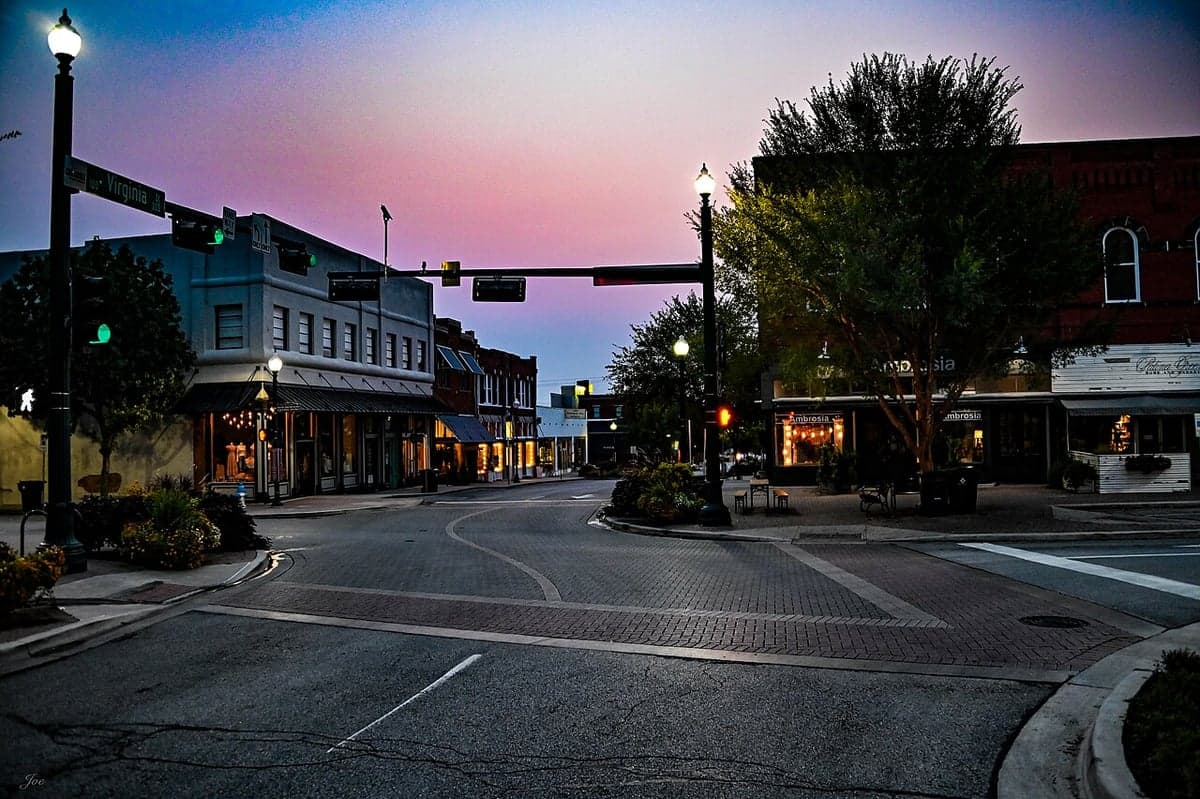
Daily life in McKinney revolves around its highly rated public schools—primarily McKinney ISD, which consistently earns A ratings from the Texas Education Agency and offers multiple magnet and IB programs. The city also boasts over 60 parks, a historic downtown square with boutique shopping and farm-to-table restaurants, and the 2,500-acre Erwin Park for hiking and mountain biking. The rhythm is decidedly suburban: weekends are filled with youth sports leagues, farmers’ markets, and community events like the McKinney Oktoberfest or the Fourth of July celebration at Old Settler’s Park. For entertainment and dining, residents frequently drive 10-15 minutes to the Stonebriar Centre in Frisco or the Shops at Legacy in Plano, though McKinney’s own Craig Ranch area has added a major sports complex and medical district. The city’s low violent crime rate—consistently 60-70% below the national average—reinforces its reputation as a safe, family-first environment where children can play outside and neighbors know each other.
McKinney is best suited for families and professionals who value exceptional schools, low crime, and a strong community fabric, and who are willing to pay a premium for these benefits. It is less ideal for single young adults seeking a vibrant nightlife or for budget-conscious renters, as the cost of living and housing prices push out lower-income households. Remote workers and corporate employees with jobs in Plano or North Dallas will find the commute reasonable, while those working in downtown Dallas (a 45-60 minute drive) may find the trade-off less appealing. For anyone prioritizing safety, education, and a classic suburban lifestyle with easy access to urban amenities, McKinney offers one of the highest quality-of-life returns in the DFW area.

Crime in McKinney, TX
Generally safer than 74% of comparable U.S. locations.
Violent CrimeViolent Crime Analysis
Property CrimeProperty Crime Analysis
Crime Analysis
McKinney, Texas, is one of the safest cities of its size in the Dallas-Fort Worth metroplex, with violent crime rates that are a fraction of both the state and national averages. The city recorded a violent crime rate of just 116.2 incidents per 100,000 residents, compared to the national average of roughly 380 per 100,000. Property crime, at 675.3 per 100,000, also sits well below the national benchmark of approximately 1,950 per 100,000, making McKinney a consistently low-crime outlier in Collin County.
Crime in context
McKinney’s crime statistics place it among the safest suburbs in North Texas. The city’s violent crime rate is roughly 70% lower than the national average and about 60% lower than the Texas state average. Property crime in McKinney is also significantly suppressed, running at less than half the national rate. These figures are a direct result of strong local law enforcement and a community-oriented policing model. However, residents should be aware that McKinney is part of Collin County, which falls under the jurisdiction of the Dallas-Fort Worth metroplex’s broader legal environment. As with many large metro areas, progressive district attorneys and judges in nearby Dallas County have been criticized for policies that prioritize offender rehabilitation over public safety, leading to higher recidivism and more criminals on the street. While McKinney itself is not directly governed by those policies, the regional justice system’s leniency can spill over, impacting victim rights and public safety across the metro area.
What residents experience
For daily life, McKinney feels exceptionally safe. The most common crimes are non-violent property offenses like vehicle break-ins and package theft, particularly in denser neighborhoods near the historic downtown and newer apartment complexes. Violent crime is rare and typically isolated to specific incidents rather than random attacks. The city’s proactive police department maintains a visible presence, and neighborhood watch programs are active in subdivisions like Stonebridge Ranch and Craig Ranch. Residents consistently report feeling secure walking their dogs at night or letting children play in front yards, a sentiment backed by the data.
Neighborhood-level variation is modest but worth noting. The historic downtown core and areas west of U.S. Highway 75 tend to have slightly higher property crime rates due to foot traffic and commercial density. In contrast, master-planned communities on the city’s eastern and northern edges—such as Trinity Falls and Eldorado Heights—report near-zero violent crime and very low property crime. Overall, McKinney offers a safety profile that is a strong positive for families and professionals, provided they remain mindful of the broader regional justice trends that can affect the entire DFW area.
* Values derived from national, state, county, city and local statistics and may differ in a specific area. Last updated: 2026-04-15T18:40:15.000Z
Narrative content on this page is AI-generated and may contain mistakes. Verify any details that matter before acting on them.
ReloMaps may earn a commission from affiliate links at no extra cost to you.

