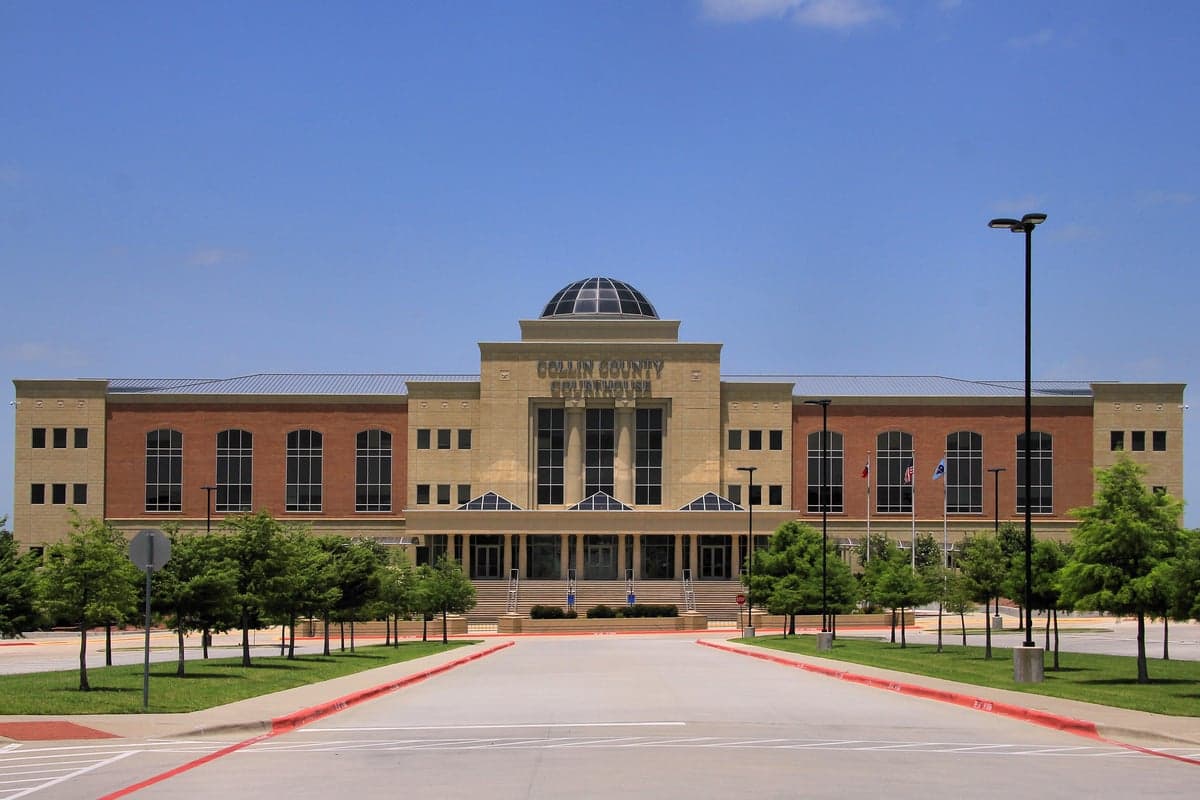
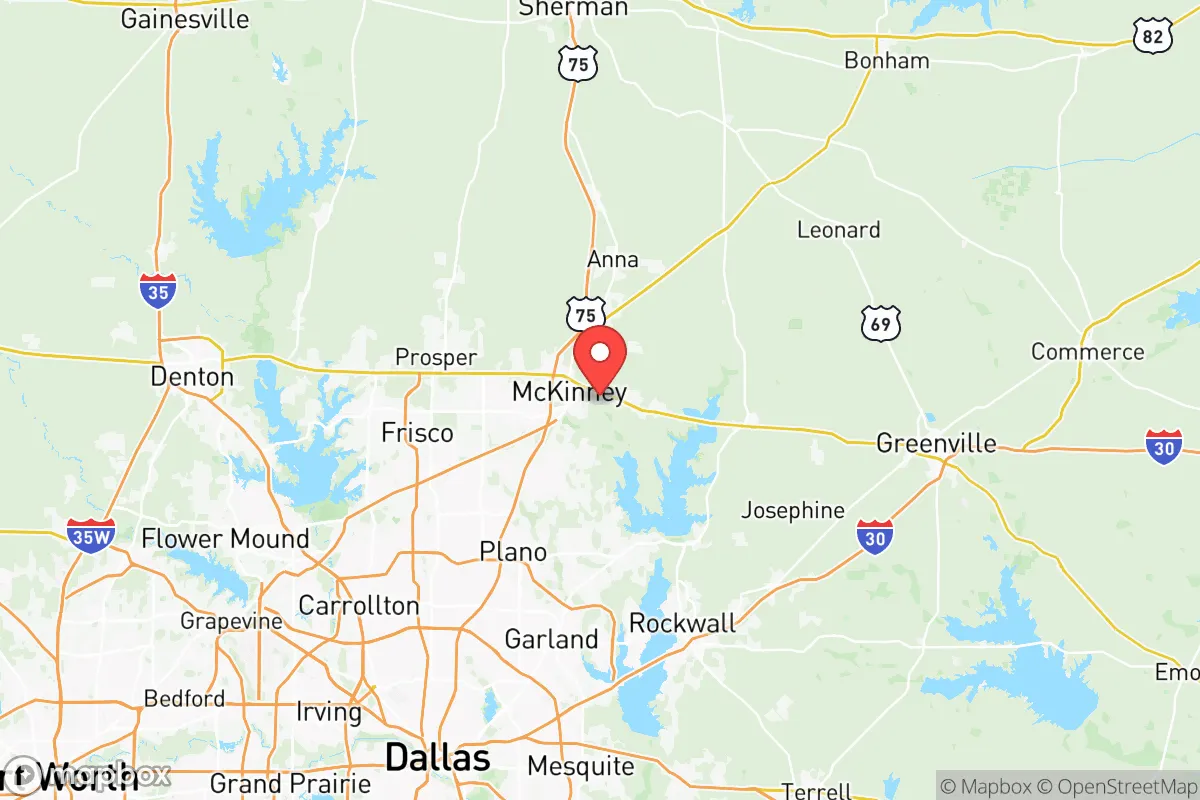
Photo: Wikipedia
Find The Best Places To Live in Collin County
PRO TIP! You can paste a Zillow or Redfin link to get info on that property.
Best Places to Live in Collin County
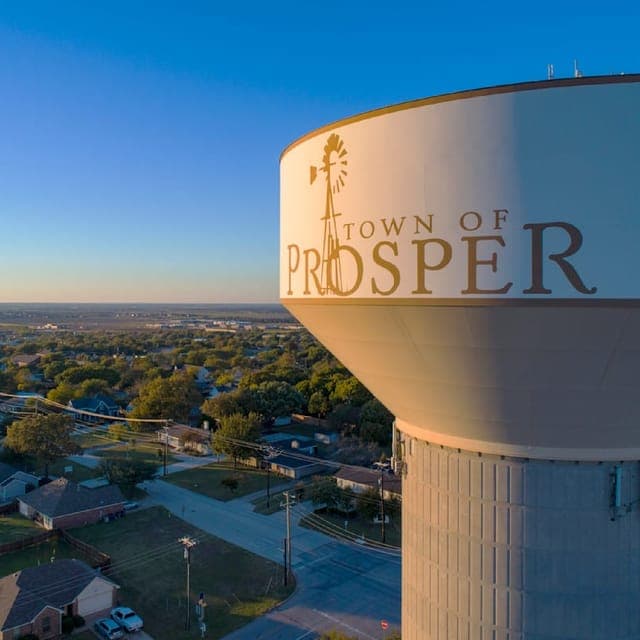
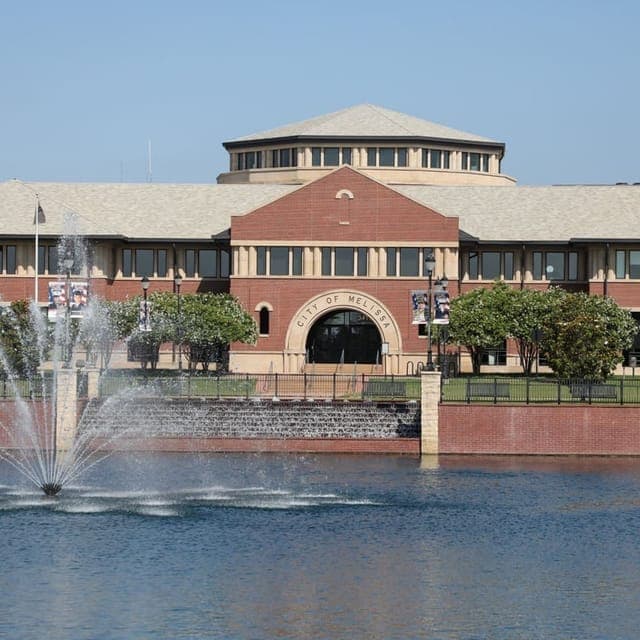
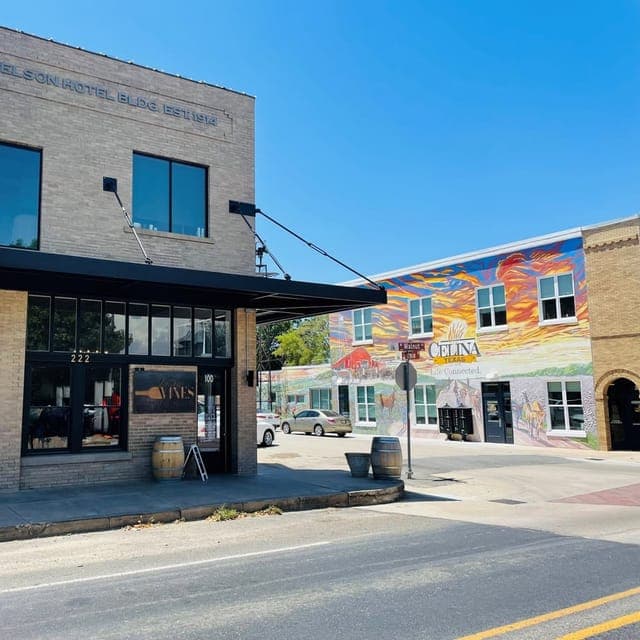
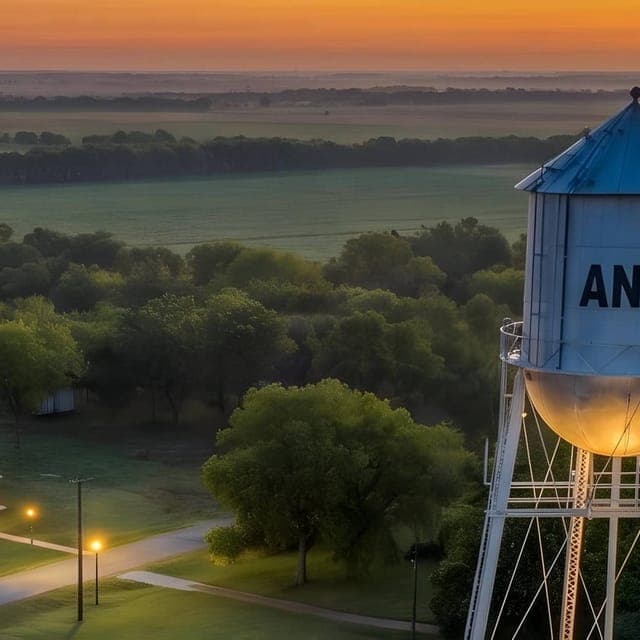
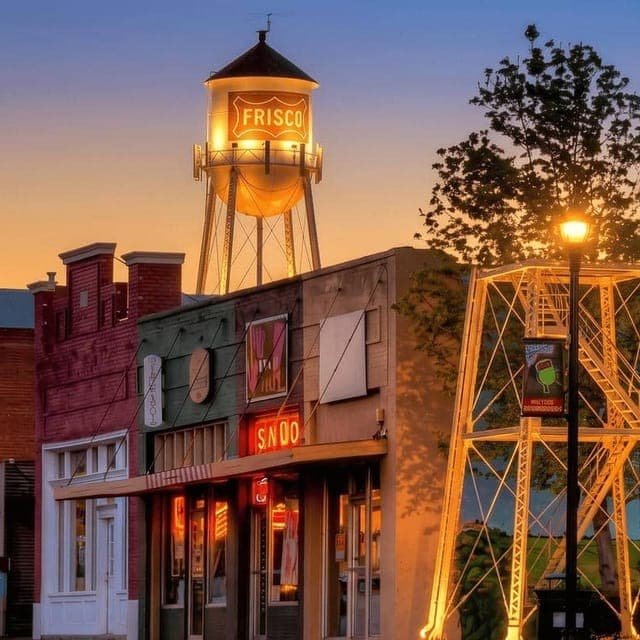
Cities & Towns in Collin County
Cities in Collin County
What It's Like Living in Collin County, TX
Living in Collin County feels a bit like being part of a well-oiled machine that’s still figuring out how to handle its own success. It’s a place where the promise of Texas suburbia—good schools, safe neighborhoods, and a strong economy—is delivered at scale, but the sheer speed of growth means you’re never far from a construction zone or a traffic jam. Whether you’re in the bustling hub of Plano, the family-oriented expanse of Frisco, the historic square of McKinney, or the quieter, more rural corners near Princeton or Anna, the county offers a distinct flavor of North Texas life that attracts a specific kind of resident: someone who values stability, opportunity, and community over urban grit or rural solitude.
The Daily Grind: Commutes, Schools, and Weekend Rhythms
For most people, life in Collin County revolves around a predictable but comfortable routine. The average commute of about 28 minutes is a reality for many, especially those working in the corporate campuses of Plano (think Toyota, JPMorgan Chase, and Frito-Lay) or the booming tech and sports hub of Frisco. Traffic on the Dallas North Tollway and US-75 is a constant topic of conversation—it’s manageable most days, but a Friday afternoon accident can turn a 30-minute drive into an hour-long slog. The trade-off is that you’re trading a shorter commute for a larger home and a top-tier school district. Allen, McKinney, and Frisco ISDs are consistently rated among the best in Texas, and this drives much of the local culture. Weekends are often a blur of youth soccer games, school band competitions, and trips to the nearest H-E-B or Costco. The county’s median age of 37.3 reflects this family-centric stage of life, where the biggest decision of the week might be whether to grill in the backyard or hit up a local park like Oak Point Park and Nature Preserve in Plano for a long walk.
Sports, Community, and the Friday Night Lights Phenomenon
If there’s one thing that unites Collin County, it’s high school football. The Friday night lights are not just a cliché here—they’re a genuine community event. Allen High School’s Eagle Stadium, one of the largest high school football stadiums in the country, regularly draws crowds of 15,000 or more. The Allen Eagles are a powerhouse, and their games are a spectacle that rivals some college programs. But it’s not just Allen; Frisco’s high schools (Lone Star, Wakeland, Reedy) and McKinney’s programs also command fierce local loyalty. For pro sports, the county is home to the Dallas Cowboys’ headquarters and training facility in Frisco (The Star), which is a massive entertainment complex with restaurants, a hotel, and a practice field you can watch from a rooftop bar. The FC Dallas soccer team plays in Frisco at Toyota Stadium, and the Texas Rangers’ spring training facility is in Surprise, Arizona, but their presence is felt through the local youth baseball culture. The community identity is deeply tied to these sports—it’s a place where kids grow up dreaming of playing for their high school team, and parents build their social calendars around the season.
What’s There to Do: From Historic Squares to Modern Entertainment
Beyond the sports fields, Collin County offers a surprising variety of things to do. The historic downtown squares in McKinney and Plano are genuine highlights, with brick-lined streets, independent boutiques, and excellent restaurants. McKinney’s square is particularly lively, with spots like Rick’s Chophouse for a nice dinner or Hughes Brewing Company for a local craft beer. Frisco leans more modern, with the Frisco RoughRiders minor league baseball games at Dr Pepper Ballpark being a favorite summer evening activity. For outdoor enthusiasts, Arbor Hills Nature Preserve in Plano offers miles of trails, and Lavon Lake near Wylie is a popular spot for boating and fishing. The county also hosts major festivals like the Scarborough Renaissance Festival in Waxahachie (just south of the county line) and the McKinney Oktoberfest. The cultural quirk here is that everything is new and clean—strip malls are polished, parks are well-maintained, and there’s a sense that the county is still being built. The downside? Some longtime residents miss the old, quirky character that’s been replaced by chain restaurants and master-planned communities. The cost of living index of 156 reflects this premium—you’re paying for the safety and convenience, not necessarily the charm.
Pros and Cons: The Honest Trade-Offs of Living Here
- Pros: Top-rated public schools (especially in Allen, Frisco, and Plano), low property crime rates compared to Dallas proper, a strong job market with major corporate headquarters, and a family-friendly atmosphere where neighbors know each other. The median household income of $117,588 supports a comfortable lifestyle, and the 54.9% college-educated population means you’re surrounded by ambitious, like-minded people.
- Cons: The cost of living is 56% above the national average, with a median home value of $447,600 that can be a shock for newcomers. Traffic is a genuine frustration, especially on the toll roads. The violent crime rate of 342.3 per 100,000 is slightly above the national average, though it’s concentrated in specific areas. The weather is classic North Texas—hot, humid summers, mild winters, and the occasional tornado warning that sends everyone to their phones. Some residents also complain that the rapid growth has led to a loss of open space and a “cookie-cutter” feel in many newer neighborhoods.
Ultimately, Collin County works best for people who are willing to trade a bit of urban edge for a predictable, safe, and opportunity-rich environment. It’s a place where you can raise a family, build a career, and find a community that shares your values—but you’ll need to be okay with the traffic and the price tag that comes with it.

* Values derived from national, state, county, city and local statistics and may differ in a specific area. Last updated: 2026-05-11T23:51:11.000Z
Narrative content on this page is AI-generated and may contain mistakes. Verify any details that matter before acting on them.
ReloMaps may earn a commission from affiliate links at no extra cost to you.

