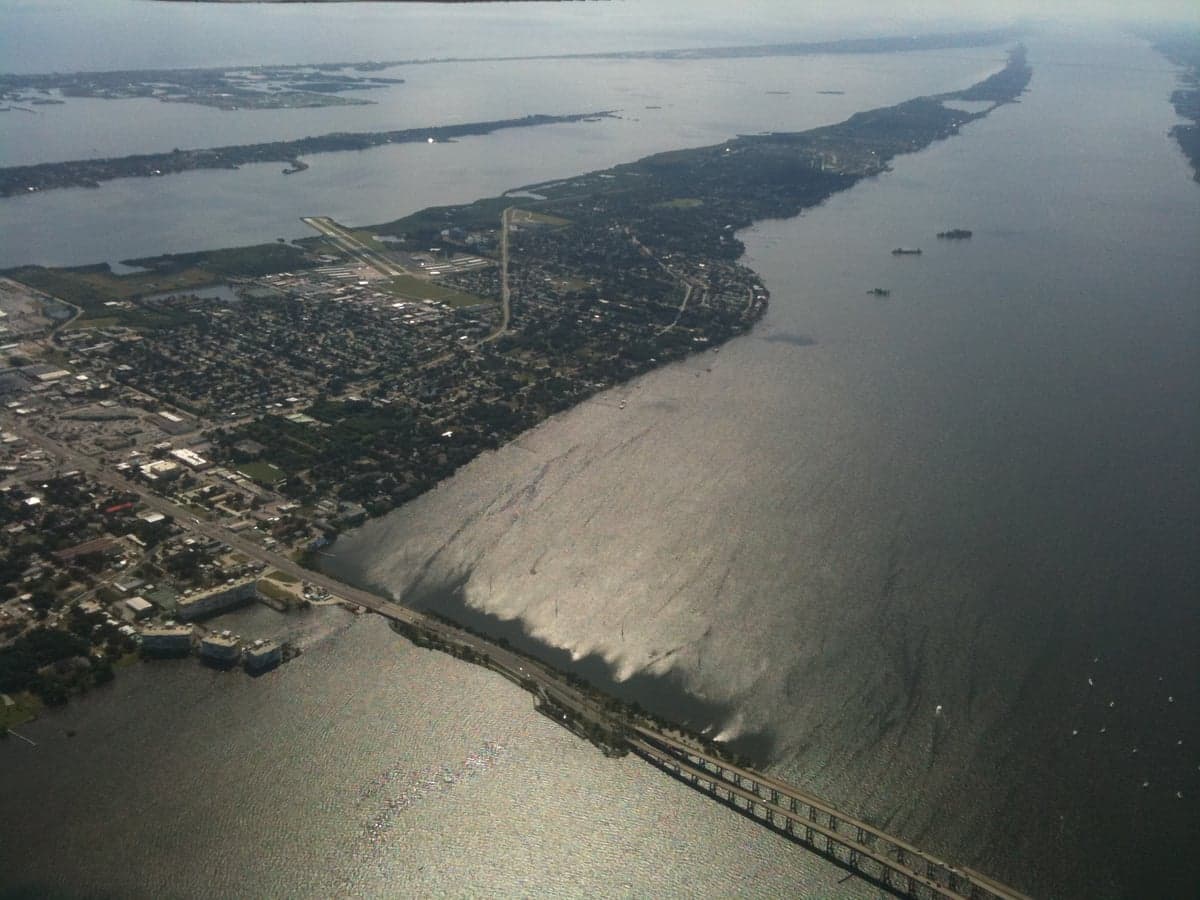
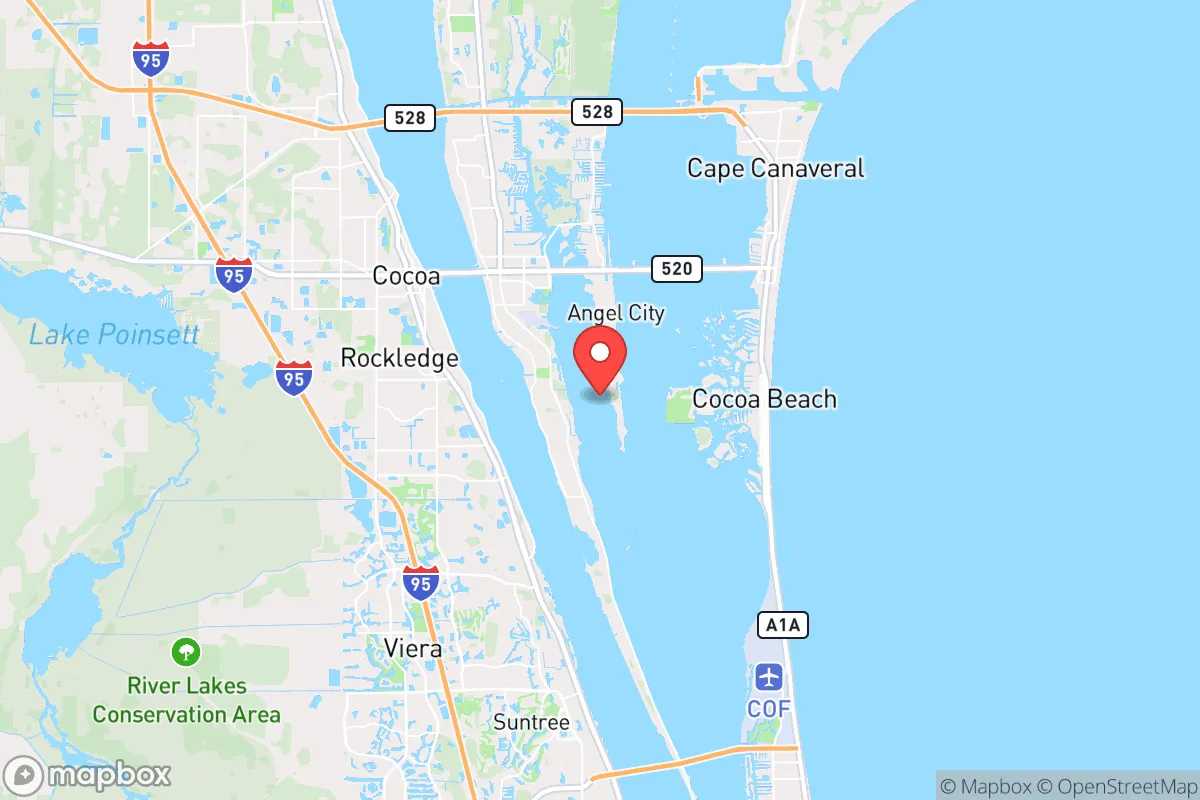
Photo: Wikipedia
Personal Sovereignty in Merritt Island, FL
Viable for self-reliance. Generally workable, though some barriers may limit total independence.
What does Personal Sovereignty tell us?
Personal Sovereignty measures your capacity for self-reliance and independence with minimal government friction. Higher scores mean fewer barriers between you and the way you want to live... but it assumes you have the space you need and good neighbors.
What does this tell us?
Personal Sovereignty measures your capacity for self-reliance and independence with minimal government friction. Higher scores mean fewer barriers between you and the way you want to live... but it assumes you have the space you need and good neighbors.
State Policy
Energy independence: Importer (10% of energy produced in-state)
Personal Liberty
Homesteading

Personal Liberty Analysis
Merritt Island, Florida, offers a notably strong environment for personal sovereignty, particularly when viewed through a survivalist or prepper lens. Situated in Brevard County, the area benefits from Florida’s robust constitutional protections, including a lack of state income tax, broad firearm preemption laws, and a legal framework that generally resists federal overreach. For individuals and families prioritizing autonomy—whether in self-defense, medical decisions, or self-reliant living—Merritt Island provides a strategic balance of coastal access, regulatory leniency, and a politically conservative community that values individual rights over government control.
Tax burden and regulatory posture in Brevard County
Florida’s tax structure is a cornerstone of personal sovereignty here. There is no state income tax, meaning every dollar earned stays in your pocket—critical for those building independent resources. Brevard County’s combined sales tax rate is 7%, which is moderate, and property taxes average around 0.85% of assessed value, slightly below the national average. More importantly, Florida’s constitutional property tax caps (the Save Our Homes amendment) limit annual increases to 3% for homesteaded properties, shielding long-term residents from runaway assessments. Regulatory posture is equally favorable: Brevard County has no county-level rental or eviction moratoria beyond state mandates, and local zoning codes generally favor property rights. The state’s preemption laws prevent cities like Merritt Island (unincorporated) from enacting stricter building or environmental rules than state law, reducing bureaucratic hurdles for home modifications, solar panel installation, or rainwater collection. For preppers, this means fewer barriers to hardening a property against disruptions.
Self-defense and gun law specifics in Merritt Island
Florida is a constitutional carry state as of 2023, meaning no permit is required to carry a concealed firearm for anyone legally allowed to possess one. Merritt Island residents enjoy full preemption—local ordinances cannot ban or restrict firearms, magazines, or ammunition. The state’s Stand Your Ground law is among the strongest in the nation, with no duty to retreat in any place where you have a legal right to be. Castle Doctrine protections extend to vehicles and occupied structures. For those concerned with government overreach, Florida’s red flag law (enacted after Parkland) remains a point of contention—it allows temporary firearm seizure via ex parte court orders. However, Brevard County sheriffs have historically been cautious in applying it, and the state legislature has debated repealing or narrowing it. Gun ownership is culturally normalized; ranges and training facilities are abundant, and the local sheriff’s office runs civilian firearms safety courses. For preppers, the ability to stockpile ammunition and maintain a diverse arsenal without local interference is a major sovereignty advantage.
Self-reliance and homesteading viability: lot sizes, zoning, off-grid feasibility
Merritt Island’s residential lots average 0.25 to 0.5 acres in older subdivisions, though some waterfront and inland parcels reach 1–2 acres. Zoning is primarily single-family residential (RU-1-7 or similar), which allows for gardens, small livestock (chickens, rabbits), and outbuildings up to 200 square feet without permits. Off-grid feasibility is moderate: Florida’s net metering policy allows solar panel owners to sell excess power back to FPL, but the state does not mandate grid independence. Rainwater collection is legal for non-potable uses, and well drilling is permitted on larger lots, though saltwater intrusion near the coast complicates it. Composting toilets and greywater systems are allowed under state plumbing codes, but septic system regulations are strict. The biggest constraint is flood zone restrictions—much of Merritt Island lies in FEMA Zone AE (high risk), requiring elevation certificates and flood insurance for new construction. For preppers, this means prioritizing elevated structures and flood-proofing. The area’s year-round growing season (Zone 9b/10a) supports food production, but soil is sandy and requires amendment. Overall, self-reliance is achievable but demands adaptation to coastal realities.
Personal liberties: parental rights, medical autonomy, speech, property
Florida has become a national leader in protecting parental rights in education (Parental Rights in Education Act, HB 1557), requiring schools to notify parents of curriculum changes and prohibiting instruction on sexual orientation or gender identity in K-3. This aligns with conservative concerns about government overreach in family matters. Medical autonomy is strong: Florida prohibits vaccine passports and has banned COVID-19 mandates for private employers and schools. The state’s Right to Try Act allows terminally ill patients access to experimental treatments, and there is no state-level vaccine mandate for children beyond school-entry requirements (which allow religious exemptions). Free speech protections are robust, with no state-level hate speech laws that chill expression, and Brevard County has no local ordinances restricting political signs or public assembly. Property rights are reinforced by Florida’s Private Property Rights Protection Act, which requires governments to compensate owners for regulatory takings that reduce property value by more than 50%. For preppers, this means fewer worries about eminent domain or zoning changes that could undermine a long-term retreat. The county’s low crime rate (violent crime 2.3 per 1,000 vs. national 4.0) further supports a hands-off government approach to personal security.
Compared to other coastal areas in the Southeast, Merritt Island offers a superior sovereignty profile for conservative-leaning individuals and families. The combination of no income tax, constitutional carry, strong parental rights, and a regulatory climate that favors property owners over planners places it ahead of most of California, the Northeast, and even parts of Texas. The main trade-offs are flood risk and the need to navigate FEMA regulations, but these are manageable with proper planning. For those seeking a location where government intrusion is minimized and self-reliance is both legal and culturally supported, Merritt Island ranks among the top choices in Florida’s Space Coast region.

* Values derived from national, state, county, city and local statistics and may differ in a specific area. Last updated: 2026-05-14T01:44:15.000Z
Narrative content on this page is AI-generated and may contain mistakes. Verify any details that matter before acting on them.
ReloMaps may earn a commission from affiliate links at no extra cost to you.

