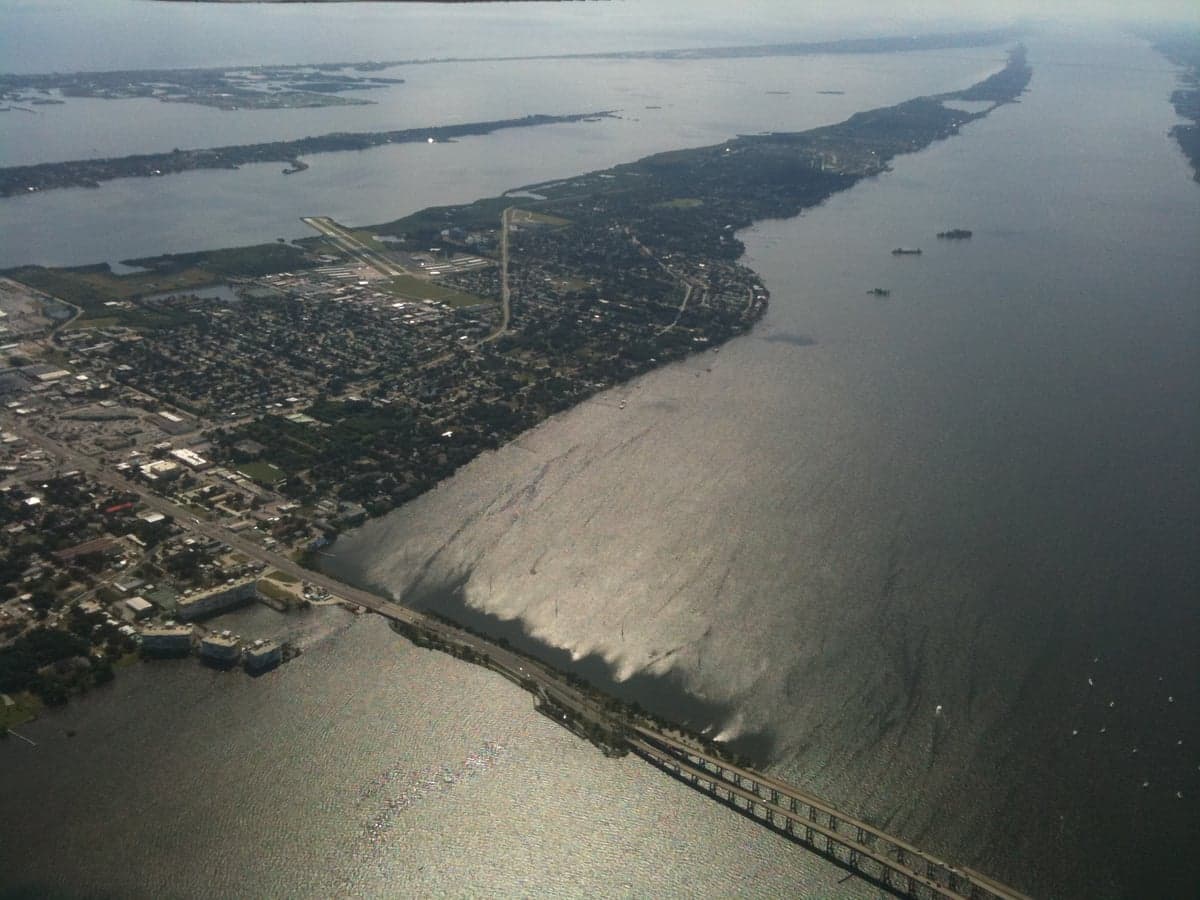
Photo: Wikipedia
Political ClimatePolitical Climate in Merritt Island, FL
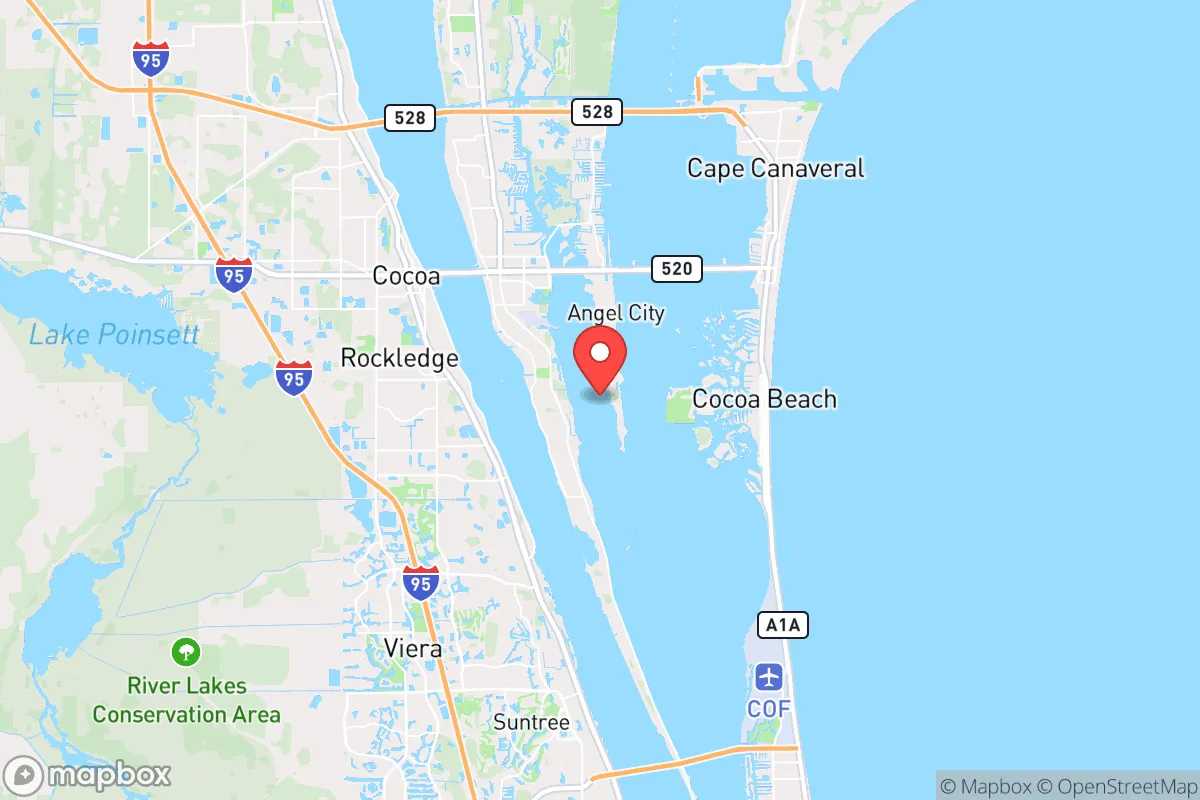
District shown is the primary district for this city’s centroid. Cities may span multiple districts.
Local Political AnalysisPolitical Analysis of Merritt Island, FL
Merritt Island has long been a reliably conservative stronghold, and that hasn’t changed much even as Florida’s broader political winds have shifted. With a Cook Partisan Voting Index of R+11, the island leans significantly more Republican than the state of Florida as a whole, which sits at R+5. This isn’t a recent development—it’s been the norm for decades, rooted in a culture of self-reliance, space-industry pride, and a general skepticism of government overreach. You don’t see the same kind of progressive drift here that you might in parts of Orlando or even coastal Brevard County’s more touristy spots.
How it compares
To put it plainly, Merritt Island is a redder, more stable version of Florida’s already reddish political landscape. The state’s R+5 rating reflects a mix of fast-growing suburban areas like Tampa and Jacksonville, plus a steady influx of retirees and transplants from blue states who often bring their voting habits with them. But Merritt Island? It’s insulated from that kind of churn. The island’s population is older, more established, and heavily tied to the space program at Kennedy Space Center and Cape Canaveral—industries that reward discipline and frown on bureaucratic meddling. Compare that to nearby Cocoa Beach, which has a more transient, vacation-oriented vibe and tends to vote a bit more purple, or Melbourne, where younger tech workers have nudged things slightly leftward. Even Titusville, just north across the Indian River, has a more mixed political history. Merritt Island, though, stays the course. It’s a place where folks remember when the government was a partner in progress, not a manager of daily life.
What this means for residents
For someone living here, the political climate translates into a pretty straightforward set of expectations. Local governance tends to be hands-off—low property taxes, minimal zoning fuss, and a general attitude that your property and your business are your own. There’s no appetite for the kind of progressive policy experiments you see in places like Miami-Dade or Broward County, where housing regulations and environmental mandates can feel like they’re piling on. If you’re worried about government overreach into personal freedoms—say, mandates on what you can do with your land, how you run your small business, or even how you educate your kids—Merritt Island is a breath of fresh air. The school board leans conservative, and local law enforcement is community-oriented without being heavy-handed. That said, the island isn’t immune to state-level trends. As Florida’s population grows and diversifies, there’s been a slow creep of progressive influence in county-wide elections, especially around environmental issues like water quality and development limits. It’s something to keep an eye on, but for now, the island’s political DNA remains firmly rooted in the idea that freedom means being left alone to live your life.
Culturally, this means Merritt Island feels more like a small town than a suburb of a major metro. There’s no HOA-heavy master-planned community vibe here—just neighborhoods where people know each other, wave from their driveways, and expect the government to stay out of the way. The biggest policy distinction you’ll notice is the local attitude toward growth: it’s cautious, not hostile, but definitely not eager to embrace the kind of dense, transit-oriented development that’s popular in blue-leaning cities. If you’re looking for a place where the political culture matches a live-and-let-live philosophy, Merritt Island delivers. Just don’t expect it to change much anytime soon—that’s the whole point.

State Political ClimatePolitical Climate in Florida
State Political AnalysisPolitical Environment in the State
Florida has transformed from a quintessential swing state into a solidly Republican-leaning powerhouse, carrying a Cook PVI of R+5 and delivering decisive wins for Donald Trump in both 2016 and 2020. The state’s political trajectory over the past two decades has been a dramatic rightward shift, driven by a massive influx of conservative-leaning domestic migrants from blue states, particularly New York, New Jersey, and California, who are drawn to Florida’s low-tax, pro-business environment and pandemic-era policies that prioritized personal freedom over government mandates. Today, the dominant coalition is a fusion of native conservatives, transplanted retirees, and a growing number of Hispanic voters, especially Cuban-Americans and Venezuelans in South Florida, who have moved toward the GOP on economic and social issues.
Urban vs. rural divide
The political map of Florida is a stark study in contrasts. The major urban centers—Miami-Dade County, Orlando (Orange County), and Tampa (Hillsborough County)—remain Democratic strongholds, but their margins have been shrinking. Miami-Dade, once a blue bastion, flipped to Trump in 2020 by a narrow margin, a seismic shift driven by the Cuban-American and Venezuelan communities who reject socialism and progressive policies. Meanwhile, the sprawling suburbs of Jacksonville (Duval County) and Fort Myers (Lee County) have become reliably red, fueled by retirees and families fleeing high-tax states. The rural Panhandle, from Pensacola to Tallahassee, is deeply conservative, with counties like Liberty and Calhoun routinely voting 80%+ Republican. The I-4 corridor, stretching from Tampa to Daytona Beach, remains the ultimate battleground, but even here, fast-growing exurbs like Lakeland (Polk County) and Ocala (Marion County) are pushing the region rightward. In short, the urban cores are blue, but the suburbs and rural areas are red, and the latter are growing faster.
Policy environment
Florida’s policy environment is a conservative’s dream, built on a foundation of limited government and individual liberty. The state has no personal income tax, a constitutional cap on property tax increases (the Save Our Homes amendment), and a business-friendly regulatory climate that has attracted corporate relocations from Goldman Sachs to Citadel. Education policy is a flashpoint: Governor Ron DeSantis signed the Parental Rights in Education Act (HB 1557), which prohibits classroom instruction on sexual orientation and gender identity in early grades, and expanded school choice through the Family Empowerment Scholarship, allowing public funds to follow students to private or charter schools. Healthcare is deregulated, with a robust telehealth framework and no certificate-of-need laws for hospitals, though Medicaid expansion has been repeatedly rejected. Election integrity is a priority: the state passed SB 90 in 2021, requiring voter ID, limiting drop boxes, and banning mass mail-in ballot requests, which critics call suppression but supporters call common-sense security. For a conservative, this is a state that actively pushes back against federal overreach and progressive mandates.
Trajectory & freedom
Florida is unequivocally becoming more free for those who value personal responsibility and limited government. The post-2020 era saw a flurry of legislation expanding liberty: the Constitutional Carry law (HB 543), signed in 2023, allows permitless carry of firearms, a major win for Second Amendment advocates. The COVID-19 response was a landmark—DeSantis banned vaccine passports, struck down mask mandates in schools, and sued the CDC over cruise ship restrictions, making Florida a haven for those who opposed government overreach during the pandemic. On property rights, the Live Local Act (SB 102) preempts local zoning to encourage affordable housing, but also limits municipal control over development, a double-edged sword for localists. However, there are concerning trends: the state has aggressively pursued prosecution of voter fraud and restrictions on protest (HB 1, the anti-riot bill), which some see as necessary for order but others as chilling dissent. For a conservative, the trajectory is positive—Florida is doubling down on freedom from federal and local overreach, but the speed of change may unsettle those who prefer slower, more organic governance.
Civil unrest & political movements
Florida has seen its share of political flashpoints, but they are largely contained and managed. The Black Lives Matter protests in 2020 were significant in Miami, Orlando, and Tampa, but were met with a strong law enforcement response and the passage of HB 1, which enhanced penalties for rioting and protected monuments. The immigration debate is front and center: DeSantis’s controversial flights of migrants to Martha’s Vineyard and the signing of SB 1718, which requires businesses with 25+ employees to use E-Verify and bans local sanctuary policies, have made Florida a national leader in immigration enforcement. The parental rights movement is highly organized, with groups like Moms for Liberty (founded in Florida) wielding significant influence in school board elections, particularly in Brevard County and Pasco County. Election integrity remains a hot-button issue: the 2020 and 2022 cycles saw no major scandals, but the creation of the Office of Election Crimes and Security has led to high-profile arrests, reinforcing trust among conservatives. For a new resident, the political climate is active but not chaotic—protests are rare, and the dominant culture is one of order and civic engagement.
Projection
Over the next 5-10 years, Florida will likely become even more conservative, driven by demographic trends. The state is adding roughly 1,000 new residents per day, most from blue states, and they are not coming for progressive policies—they are fleeing high taxes, crime, and government overreach. The Hispanic vote, particularly in Miami-Dade and Collier County, will continue to shift right as younger generations prioritize economic freedom over identity politics. The I-4 corridor will become more red as suburbs like Winter Garden and Wesley Chapel expand. However, there are risks: climate change and rising insurance costs could slow in-migration, and a national Democratic wave could flip the governorship in 2026 if the GOP overreaches on social issues. But for now, the trajectory is clear—Florida is solidifying as a red state, with policies that prioritize individual liberty, low taxes, and parental control. A new resident moving in today should expect to find a state that is increasingly aligned with conservative values, but also one that is dynamic and growing, with all the growing pains that entails.
For a conservative individual or family considering relocation, Florida offers a rare combination of low taxes, strong property rights, and a government that actively pushes back against federal overreach. The political climate is stable and trending in a direction that favors personal freedom, but it’s not without friction—rapid growth brings infrastructure strain, and the culture war is ever-present. If you value a state where your vote counts, your rights are protected, and your children’s education is in your hands, Florida is a top-tier choice. Just be prepared for humidity, hurricanes, and a lot of license plates from New York.
* Values derived from national, state, county, city and local statistics and may differ in a specific area. Last updated: 2026-05-14T01:44:15.000Z
Narrative content on this page is AI-generated and may contain mistakes. Verify any details that matter before acting on them.
ReloMaps may earn a commission from affiliate links at no extra cost to you.

