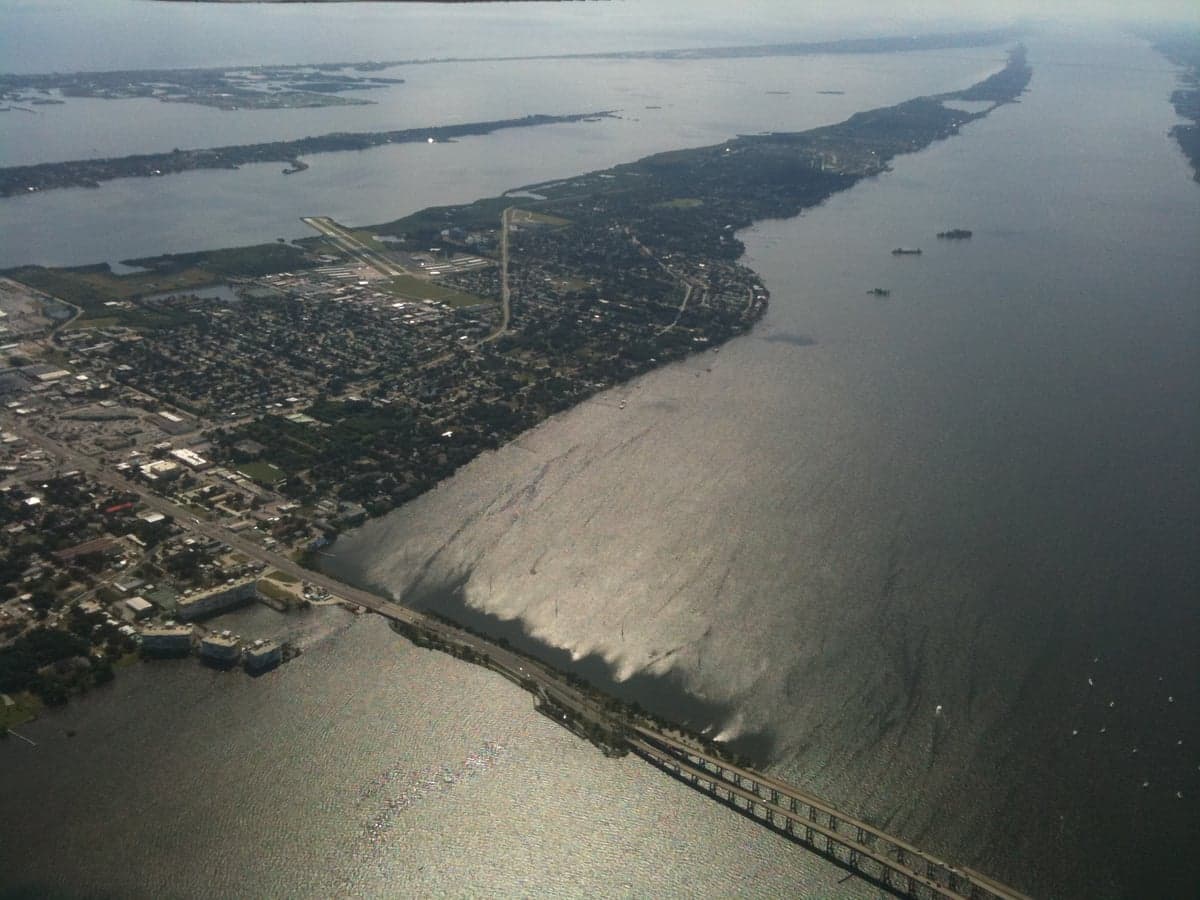
Photo: Wikipedia
Strategic Assessment of Merritt Island, FL
Workable tactical position. Some exposure to population density or targets, but generally defensible in a crisis.
What does the Strategic Assessment tell us?
Our Strategic Assessment grades tactical survivability of an area. Major population centers, military targets, fallout zones, natural disasters, and border exposure all drive risk — lower exposure means a more defensible position in a crisis.
This is heavily inspired by Joel Skousen's Strategic Relocation book. Highly recommended you checkout the book ($)What does this tell us?
Our Strategic Assessment grades tactical survivability of an area. Major population centers, military targets, fallout zones, natural disasters, and border exposure all drive risk — lower exposure means a more defensible position in a crisis.
This is heavily inspired by Joel Skousen's Strategic Relocation book. Highly recommended you checkout the book ($)Strategic Pillars

Key Distances
Regional Safe Places
Below is our recommended "safe zones" in Florida and the surrounding area based on our strategic heuristics. For most people, it's unrealistic to live in a “safe zone” full-time due to work, family or other personal reasons. They tend to be more rural. However, many of these areas are perfect for second homes and retreat properties that double as a vacation home or even a short-term rental.

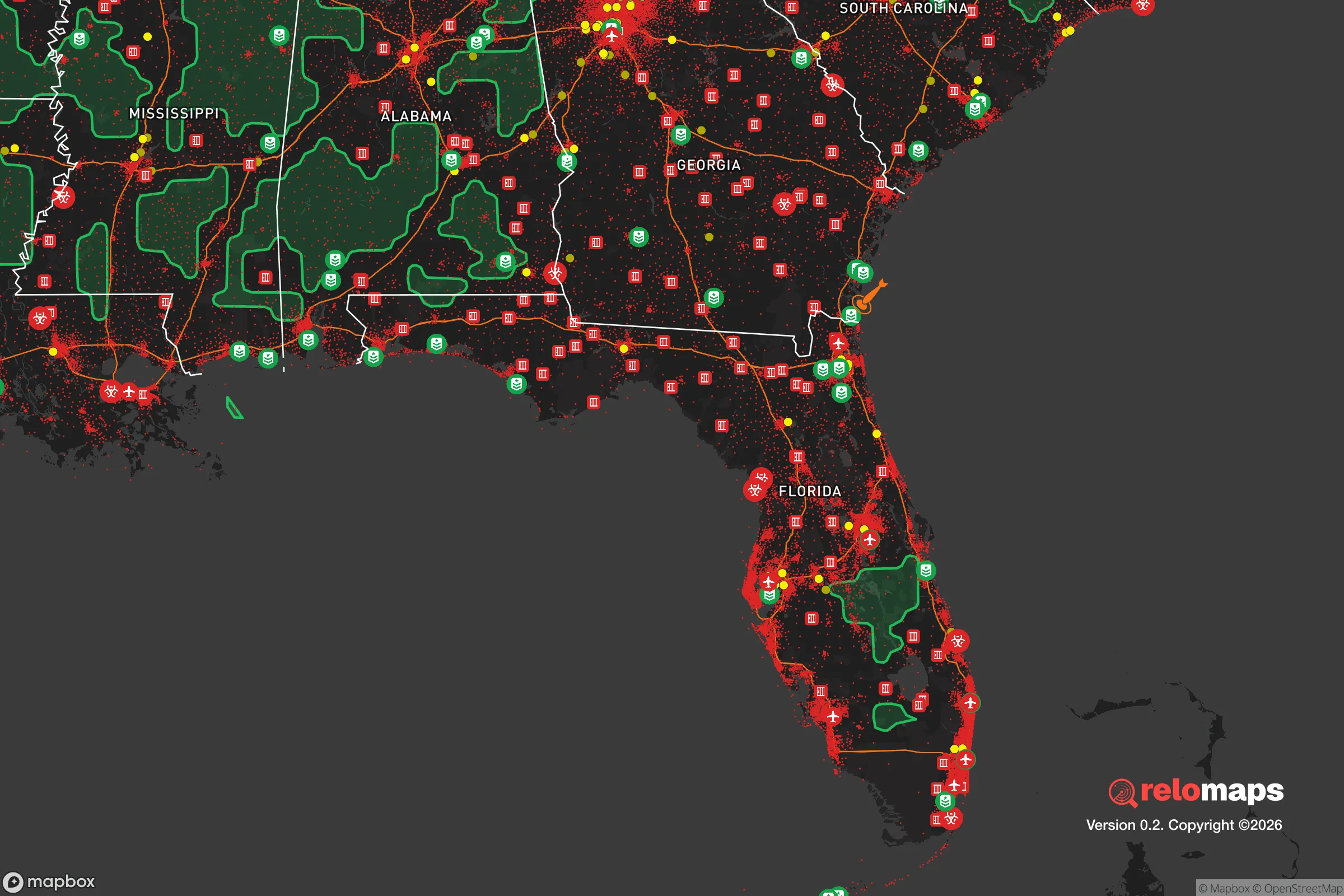


Important Note: For informational purposes only. This does not mean nothing bad ever happens in the green zones. Please use common sense. This is based on public data and modeled with AI. We tried to take a conservative approach but mistakes happen. We update this regularly as new information becomes available.
Solar Generator Recommendations
Backup power matters more here than in safer locations. We've picked three solar generators across budgets and capacity tiers — start with the budget unit if you only need a few essentials, or step up if you want to run a fridge and HVAC for days at a time.

Jackery Portable Power Station Explorer 300
Budget OptionPower on the Go: Weighing only 11 lbs, it's convenient to set up and store with book-sized foldable solar panels

BLUETTI Portable Power Station AC180
Designed for both indoor and outdoor scenarios, AC180 is highly capable as it has a robost capacity and continuous output power.

EF ECOFLOW DELTA Pro Ultra Power Station
Upgraded PickEcoFlow DELTA Pro Ultra is a whole-home energy system designed to grow with your family. Integrated with the Smart Home Panel 2, it scales to meet your evolving energy needs — keeping your home powered, intelligent, and secure through every stage of life.
We earn a commission, at no additional cost to you.
Strategic Assessment Analysis
Merritt Island, Florida, sits in a precarious but potentially advantageous position for those prioritizing resilience and self-sufficiency. Its location on a barrier island between the Atlantic Ocean and the Indian River Lagoon, directly adjacent to Cape Canaveral and the Kennedy Space Center, offers a unique blend of natural isolation and critical infrastructure proximity. For a relocator with a survivalist mindset, this area presents a mixed bag: the space coast’s high-tech economy and military presence provide a buffer against total societal collapse, but the same features make it a potential target. The key is understanding that Merritt Island is not a bunker—it’s a strategic outpost that requires careful planning to leverage its strengths while mitigating its very real vulnerabilities.
Geographic position and natural advantages for long-term security
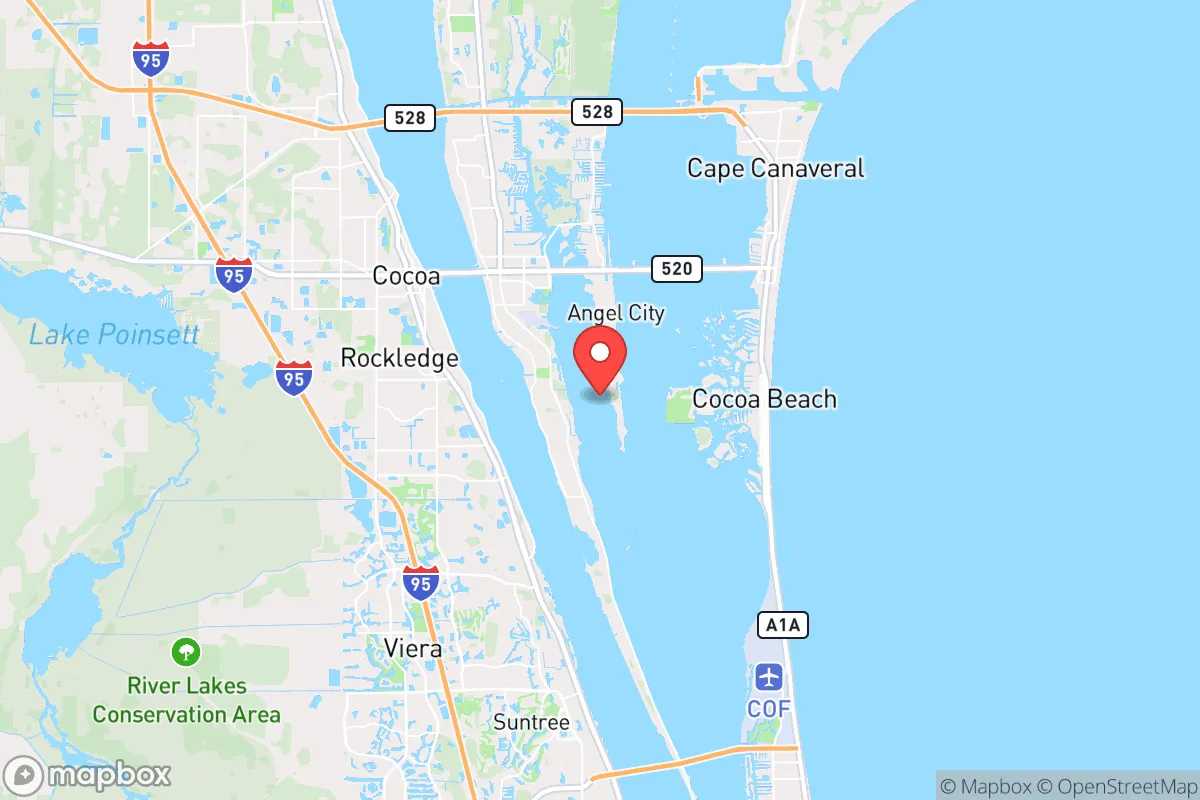
Merritt Island’s geography is its primary asset for a prepper. It is a true island, bounded by the Banana River to the east and the Indian River Lagoon to the west, with only a handful of bridges connecting it to the mainland (Cocoa, Titusville, and the Cape). This natural moat effect makes it inherently defensible against ground-based civil unrest or mass migration events. During a crisis, controlling those choke points—specifically the SR 528 (Beachline Expressway) and SR 405 (NASA Causeway) bridges—would be critical. The island’s low population density relative to Orlando or Miami (roughly 35,000 residents) means fewer people competing for resources in a grid-down scenario. The surrounding water bodies also provide a natural barrier against wildfire spread, a growing concern in Florida’s interior. Furthermore, the area’s subtropical climate allows for year-round food production, with a long growing season for staples like citrus, sweet potatoes, and leafy greens. The Indian River Lagoon itself is a rich estuarine ecosystem, offering fishing, crabbing, and clamming as a reliable protein source—provided water quality remains intact after a disaster. For a relocator, the ability to live off the land and water here is realistic, not romanticized.
Risks, exposures, and proximity to fallout-relevant landmarks
The elephant in the room is the Kennedy Space Center (KSC) and Cape Canaveral Space Force Station. While these installations bring economic stability and a strong federal presence, they also make Merritt Island a high-value target in any conflict involving state actors. A conventional strike or EMP event aimed at KSC would render the island uninhabitable for an extended period due to fallout and infrastructure destruction. Even a non-military disaster—like a catastrophic rocket launch failure (e.g., a Starship explosion) or a hazardous material spill from the Space Center—could force an evacuation or contaminate the local water table. Additionally, the island’s proximity to Port Canaveral, a major cruise and cargo hub, means that in a pandemic or mass casualty event, the port could become a vector for disease or a focal point for refugee flows from the sea. The bridges that provide access also create a single-point-of-failure risk: a coordinated attack or a simple accident could trap residents on the island or prevent resupply. Hurricane risk is also elevated here compared to inland Florida; a Category 4 or 5 storm (like 2022’s Ian, which brushed the area) would flood low-lying neighborhoods, particularly those near the Banana River. Storm surge from the Atlantic side could overtop the dunes and inundate the island’s eastern edge, making evacuation mandatory—and with only two major evacuation routes, that’s a logistical nightmare.
Practical resilience for a relocator: food, water, energy, and defensibility
For a single individual or family serious about preparedness, Merritt Island requires a layered approach. Water is the first concern: the island’s municipal supply comes from the Floridan Aquifer, but a prolonged power outage would shut down the pumps. A deep well with a hand pump or a rainwater catchment system (the area averages 50 inches of rain annually) is non-negotiable. The Indian River Lagoon is brackish, not potable, so desalination or distillation gear is a smart investment. Food production is viable but space-limited. Most residential lots are a quarter-acre or less, so container gardening, vertical hydroponics, and community garden plots (like those at the Merritt Island Community Garden) are practical. Raising chickens is allowed in most unincorporated areas, but check HOA covenants—many newer subdivisions ban livestock. Energy independence is achievable: solar panels paired with battery storage (e.g., Tesla Powerwall or DIY lithium setups) can run a fridge, lights, and communications gear for days, even through Florida’s frequent thunderstorms. The island’s flat terrain means no shading issues, and net metering with Florida Power & Light is available. For defensibility, the island’s layout favors a “hardened homestead” approach: choose a property on a cul-de-sac or with a single access point, reinforce doors and windows against hurricane-force winds (which also deter forced entry), and maintain a low profile. The local sheriff’s office (Brevard County) is well-funded and responsive, but in a SHTF scenario, they’ll be overwhelmed. Building rapport with neighbors—especially the many retired military and aerospace engineers in the area—creates a mutual-aid network that’s worth more than any stockpile.
Overall, Merritt Island is a calculated risk for the strategic relocator. It offers genuine natural advantages—isolation, water access, a mild climate, and a skilled, security-conscious population—that align with a prepper’s priorities. But those advantages come with a heavy asterisk: the island’s role as a space and defense hub makes it a potential flashpoint in any national crisis. For someone willing to invest in redundant systems (water, power, food) and build local alliances, it can be a defensible, self-sufficient base. For someone expecting a quiet, low-profile retreat, the constant roar of rockets and the shadow of the Space Center may be too much. The smart move is to treat Merritt Island as a forward operating base—not a final redoubt—and have a secondary bug-out location inland (e.g., Ocala National Forest or the Panhandle) for when the bridges burn. If you can manage that dual-layer strategy, this island offers a rare blend of opportunity and security that few other Florida locations can match.

* Values derived from national, state, county, city and local statistics and may differ in a specific area. Last updated: 2026-05-14T01:44:15.000Z
Narrative content on this page is AI-generated and may contain mistakes. Verify any details that matter before acting on them.
ReloMaps may earn a commission from affiliate links at no extra cost to you.

