Photo: Wikipedia
Find The Best Places To Live
in Midland
PRO TIP! You can paste a Zillow or Redfin link to get info on that property.
What It's Like Living in Midland, MI
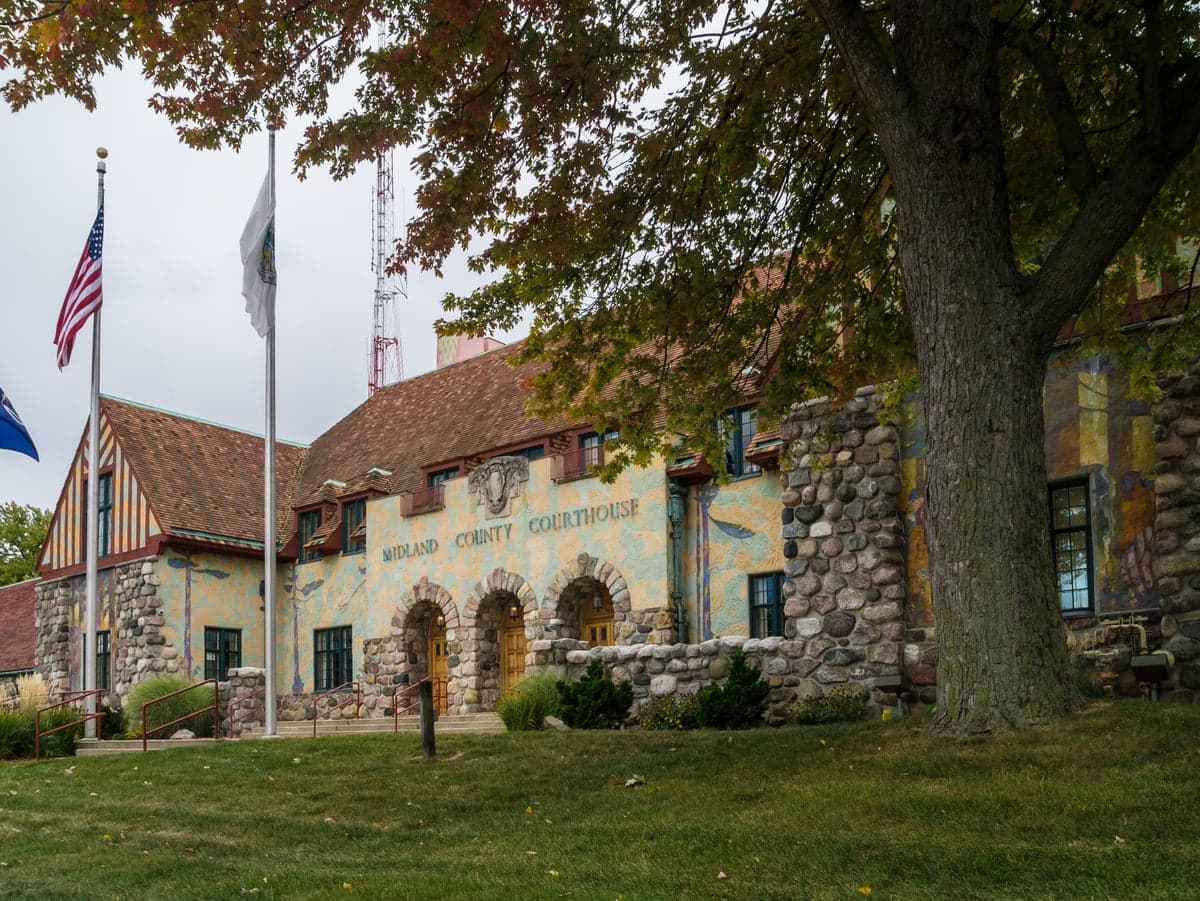
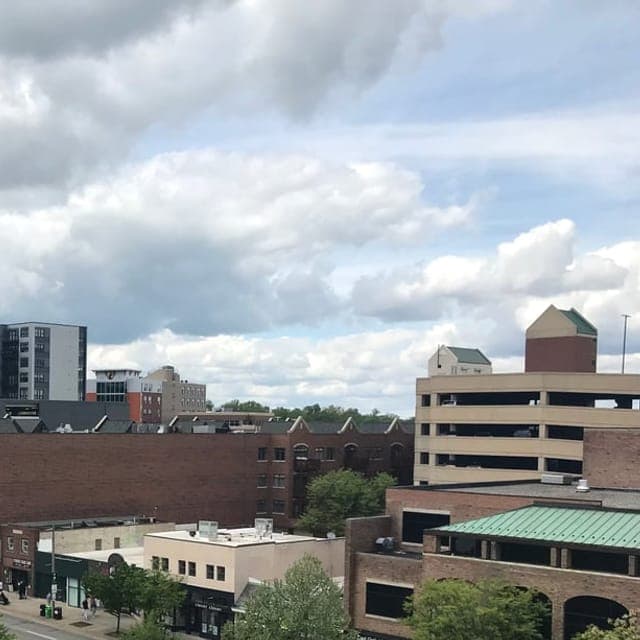
Midland, Michigan, feels like a place that was deliberately built to work well, not just to look good on a brochure. It’s a company town at its core—Dow Chemical and Dow Corning still anchor the economy and the civic identity—but the vibe is more quiet competence than corporate sterility. You get tree-lined streets, a walkable downtown with a real independent bookstore and a decent coffee shop, and a pace of life that lets you breathe. It’s the kind of community where people know their mail carrier’s name, and where “busy” usually means a kid’s soccer game or a weekend project, not a soul-crushing commute.
The Daily Rhythm: Work, Errands, and the 20-Minute Commute
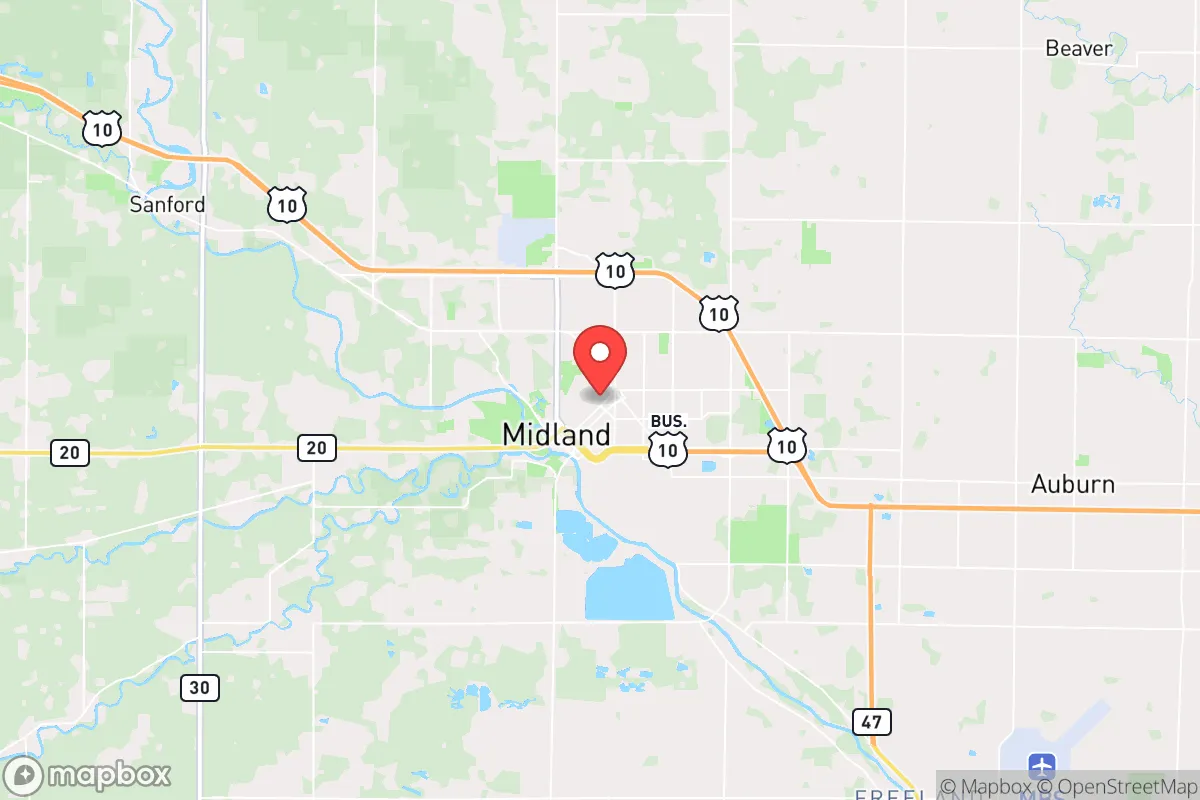
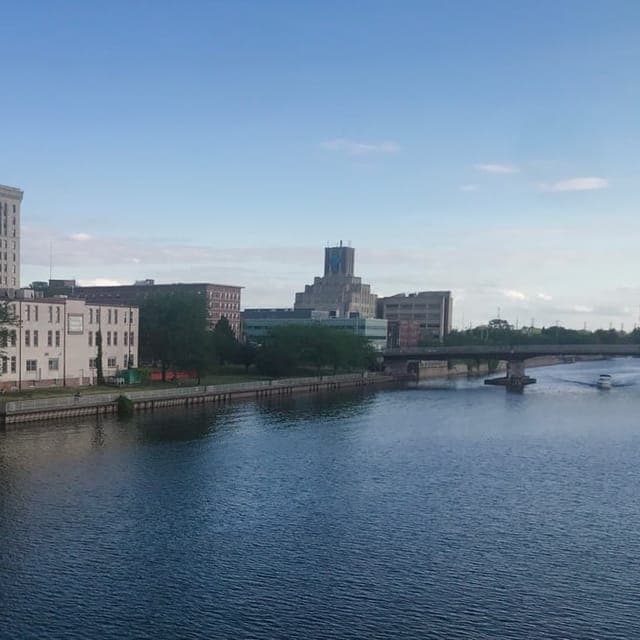
For a city of about 42,000 people, Midland punches above its weight in terms of what’s available without leaving town. The median household income sits around $74,906, which goes a long way here because the cost of living index is 78—well below the national average. That means a median home value of $192,400 gets you a solid three-bedroom ranch or a newer colonial in a neighborhood where kids still ride bikes in the street. The average commute is just under 21 minutes, and that’s not a lie—most people are home in 15 unless they live out toward Sanford or the far west side. Traffic jams are not a thing. The biggest slowdown is the drawbridge over the Tittabawassee River during summer boat season.
Daily life revolves around a few reliable anchors. People shop at the local Meijer or Kroger, grab lunch at Ole’s Place for a pasty or a burger, and hit Gracié’s for Italian on a Friday night. Weekends often mean a trip to the Dow Gardens or a walk along the Pere Marquette Rail Trail, which cuts straight through town. The median age is 38.9, and 45.5% of adults hold a college degree, so the social scene leans educated but not pretentious—think book clubs, running groups, and church potlucks rather than rooftop bars.
Sports, Community, and the Things That Bring People Together
High school sports are a genuine big deal here. Midland High School and H.H. Dow High School have a rivalry that splits the town in two—Friday night football in the fall is an event, not background noise. The Midland Northwood University Timberwolves draw a modest but loyal crowd for basketball and soccer, but the real energy is around youth sports and community leagues. The Midland Soccer Club and the Midland Hockey Association keep families busy year-round. There’s no major pro team within an hour, so the Detroit Tigers and Lions get casual allegiance, but nobody’s planning their weekend around a game.
The biggest cultural anchor is the Midland Center for the Arts, which hosts everything from Broadway touring shows to local theater productions. The Dow Gardens and the Whiting Forest canopy walk are a point of pride—locals use them for morning runs, family photo shoots, and quiet afternoons. Summer brings the Midland County Fair and the Music in the Park series at the Chippewassee Park amphitheater. The Great Lakes Loons, a minor-league baseball team in nearby Dow Diamond, draw a solid crowd on summer nights—it’s cheap, family-friendly, and feels like small-town America done right.
What Works, What Grates, and Who Thrives Here
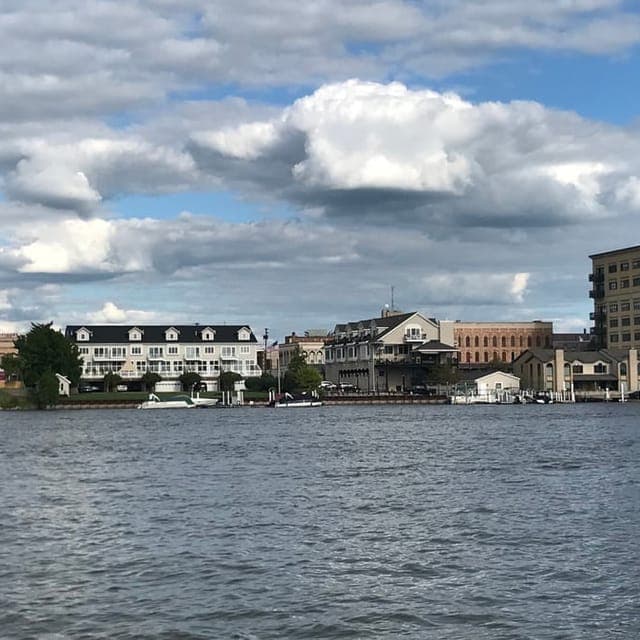
The pros are real and measurable. The violent crime rate is 114.5 per 100,000, which is low for a city its size—most people don’t lock their doors during the day. The schools, especially the Midland Public Schools district, are a major draw for families; they’re well-funded and community-supported. The weather gives you four distinct seasons: crisp falls, snowy winters that actually get used for skiing and snowmobiling, mild springs, and warm summers that make the rivers and lakes the center of social life. The Tittabawassee River floods occasionally—the 2020 dam failures were a traumatic event that still shapes local conversation—but the recovery has been methodical and community-driven.
The cons are honest trade-offs. If you’re under 30 and single, the dating pool is shallow, and the nightlife is limited to a handful of bars like Ole’s, Logan’s, or the Brewery at the Midland Mall. There’s no real music venue beyond the Center for the Arts, so touring acts skip Midland entirely. Winters can feel long and gray, especially January through early March, when cabin fever sets in. And while the cost of living is low, the job market is heavily tied to Dow and the chemical industry—if you’re not in engineering, manufacturing, or healthcare, you may struggle to find work that matches your skills.
The kind of person who fits in Midland is someone who values stability, community, and a slower pace. It’s ideal for families with school-age kids, for professionals who want a short commute and a house with a yard, and for retirees who want access to good healthcare (the local MyMichigan Medical Center is excellent) without big-city noise. It’s less ideal for someone who craves urban energy, cultural diversity, or a fast career track. But for those who stay, the trade-off is a place that feels safe, functional, and genuinely neighborly—a town that works because the people in it choose to make it work.

Similar towns to Midland
* Values derived from national, state, county, city and local statistics and may differ in a specific area. Last updated: 2026-04-29T21:13:13.000Z
Narrative content on this page is AI-generated and may contain mistakes. Verify any details that matter before acting on them.
ReloMaps may earn a commission from affiliate links at no extra cost to you.

