 Popular
Photo: Wikipedia
Find The Best Places To Live
in Farmington Hills
PRO TIP! You can paste a Zillow or Redfin link to get info on that property.
What It's Like Living in Farmington Hills, MI
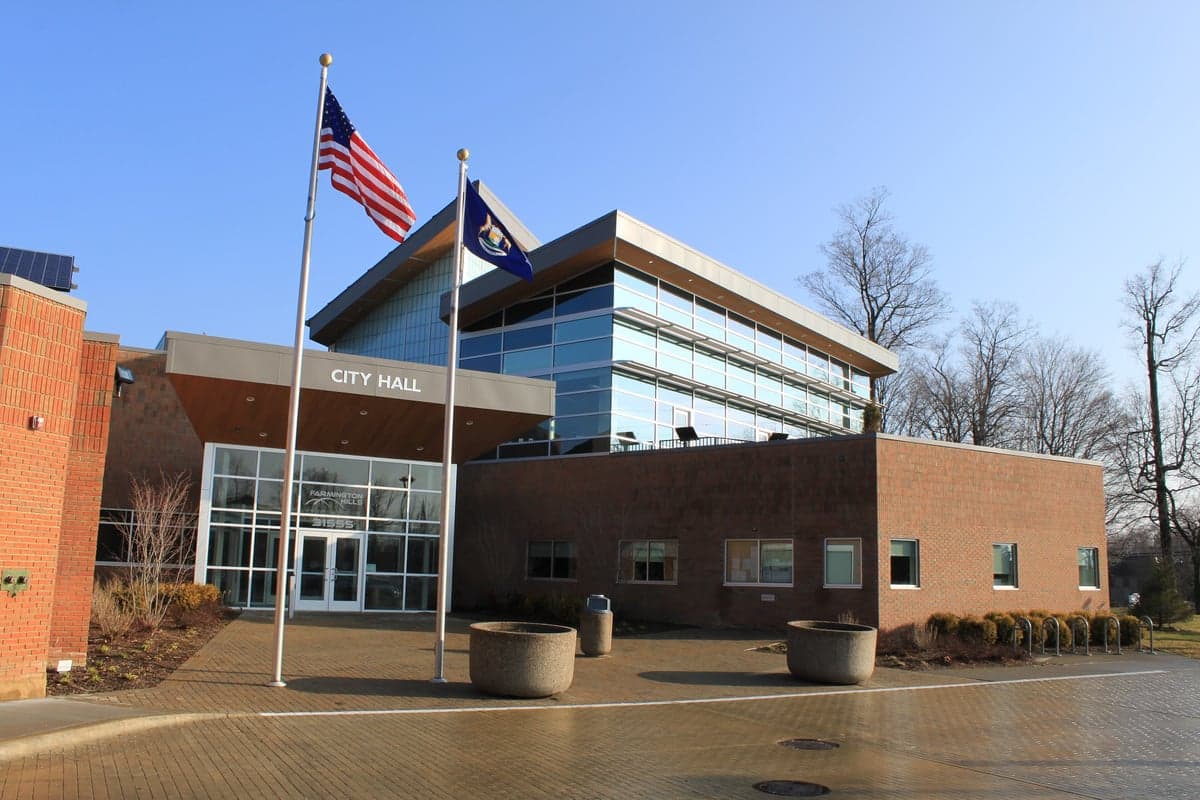
Farmington Hills feels like a well-kept secret that’s not really a secret anymore—a sprawling, leafy suburb where the median income hovers around $102,000 and the median home value sits at $333,200, but the vibe is more “comfortable family station wagon” than “flashy luxury SUV.” It’s the kind of place where people move for the schools, stay for the convenience, and grumble about the property taxes over coffee at a local café. With a population of just over 83,000 and a median age of 41.4, this isn’t a town of young renters or empty nesters alone—it’s squarely in the sweet spot of established professionals and parents raising school-aged kids.
The Daily Rhythm: Work, School, and the Weekend Reset
Most mornings here start with a commute that averages about 24.5 minutes—long enough to finish a podcast, short enough to not resent the drive. The big employers are a mix of automotive suppliers (like Bosch and Magna), healthcare systems (Beaumont and Henry Ford), and tech-adjacent firms, plus a solid chunk of people who head into Detroit or Southfield. After school pickup, you’ll see minivans and crossovers filling the parking lots of the Orchard Mall or the Farmington Hills Community Center, where kids’ swim lessons and adult yoga classes run year-round. Weekends often revolve around the Farmington Farmers Market (technically in the neighboring city, but everyone treats it as their own) or a hike at Heritage Park, a 211-acre spread with trails, a disc golf course, and a working farm that’s a magnet for little kids. The cost of living index is 123—23% above the national average—and that shows up most in housing and groceries, but locals will tell you the trade-off is that you rarely need to drive more than 15 minutes for anything decent.
Sports, Schools, and the Friday Night Lights Factor
High school sports are a genuine cultural anchor here. Farmington High School and North Farmington High School both have strong followings, but the real energy centers on Farmington Hills Harrison (now merged into Farmington High) and its storied football tradition. Friday nights in the fall see parents and alumni packing the bleachers, and the rivalry games against neighboring schools like Northville or Novi draw real crowds. For pro sports, it’s all Detroit teams—Lions, Tigers, Red Wings, Pistons—and you’ll see plenty of gear at the local Bagger Dave’s or Kuhnhenn Brewing on game days. The schools themselves are a huge part of the community’s identity: 58% of adults hold a college degree, and the district consistently ranks among the top in Oakland County. That reputation drives home values and keeps families anchored here even when they could afford a bigger house farther out.
What’s There to Do: Restaurants, Festivals, and the Quirky Bits
Dining here leans toward solid, reliable chains and a handful of standout independents. Pho Lua on Orchard Lake Road serves some of the best Vietnamese in the metro area, and Star Deli is a local institution for corned beef sandwiches that people drive from across the county to grab. For a night out, Farmington Brewing Company (just over the line in downtown Farmington) pulls a steady crowd of 30-somethings and empty nesters. The big annual event is the Farmington Founders Festival in July—a four-day street fair with carnival rides, a parade, and enough funnel cake to test anyone’s willpower. A quirk you’ll notice: locals are fiercely protective of the boundary between Farmington and Farmington Hills, and mixing them up in conversation is a quick way to get corrected. The violent crime rate is low at 141.2 per 100,000—well below the national average—so most people feel comfortable walking their dogs after dark or letting their teens bike to the library.
The Honest Trade-Offs: What Works and What Grates
What longtime residents love: the schools, the relative safety, the fact that you can be downtown Detroit in 30 minutes or at Kensington Metropark for a beach day in 20. The tree canopy is thick enough that many streets feel like a tunnel of green in summer. What frustrates them: property taxes are high (Michigan’s Proposal A means they rise with home values), and the traffic on Grand River Avenue and 12 Mile Road can turn a quick errand into a 20-minute slog during rush hour. Winters here are real—expect snow from December through March, with lake-effect bands that can dump six inches overnight. The median age of 41.4 means the social scene is heavily oriented toward families; singles in their 20s often feel a bit adrift unless they’re willing to drive to Royal Oak or Ferndale for nightlife. But for the person who wants a stable, well-run suburb with good bones and a sense of community that doesn’t feel forced, Farmington Hills delivers exactly what it promises—no more, no less.

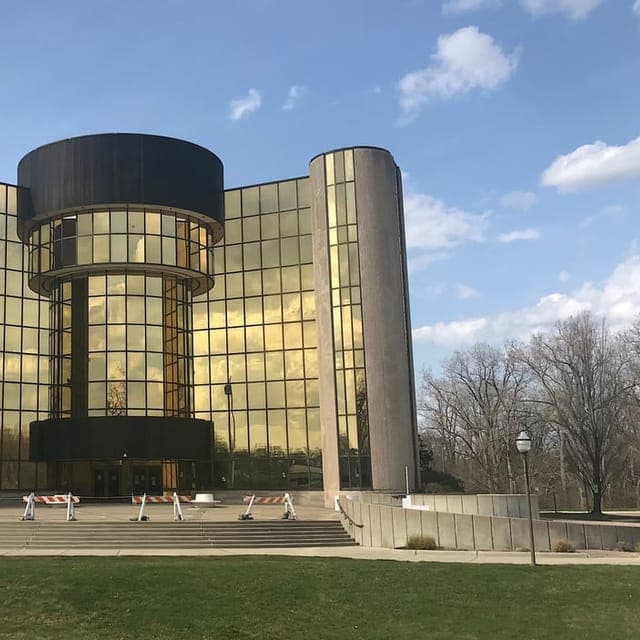
Similar small cities to Farmington Hills
* Values derived from national, state, county, city and local statistics and may differ in a specific area. Last updated: 2026-05-03T04:20:59.000Z
Narrative content on this page is AI-generated and may contain mistakes. Verify any details that matter before acting on them.
ReloMaps may earn a commission from affiliate links at no extra cost to you.

