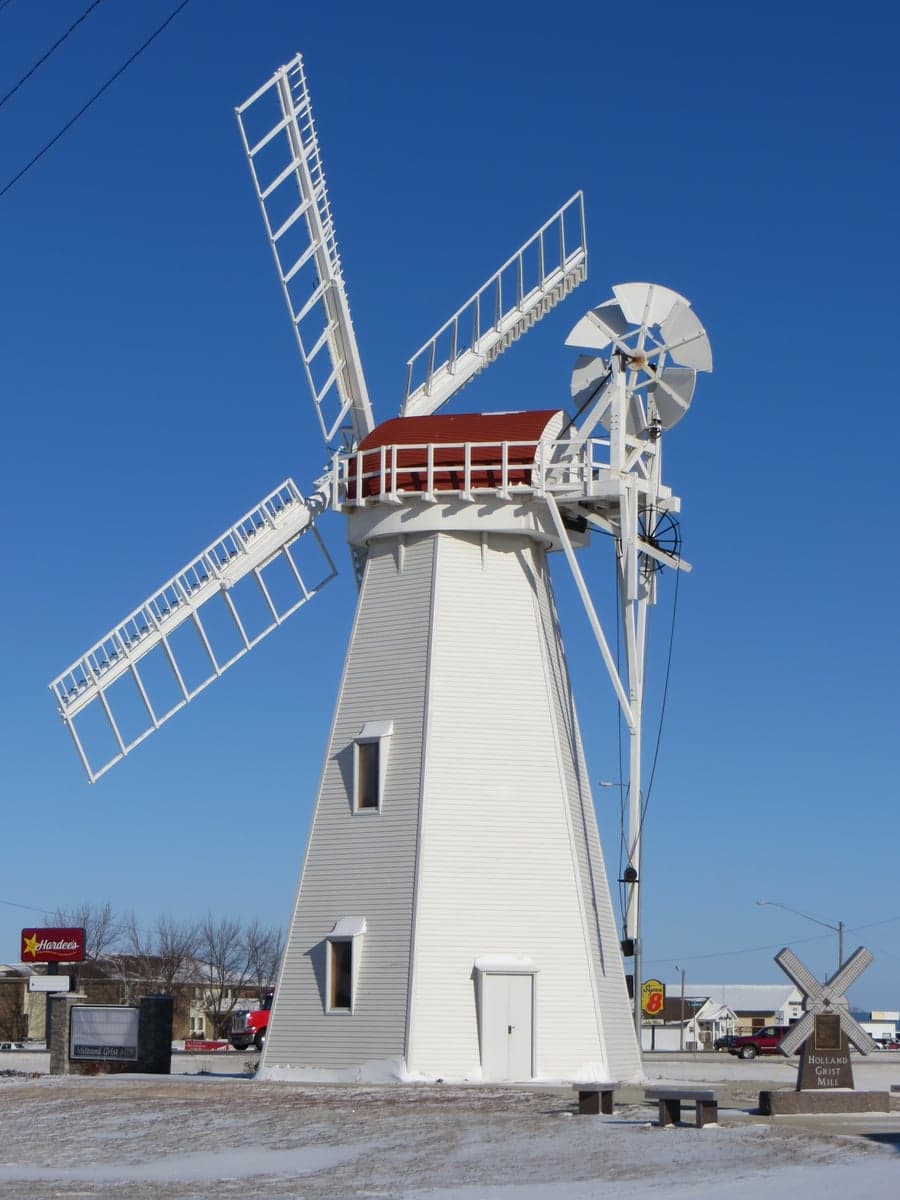
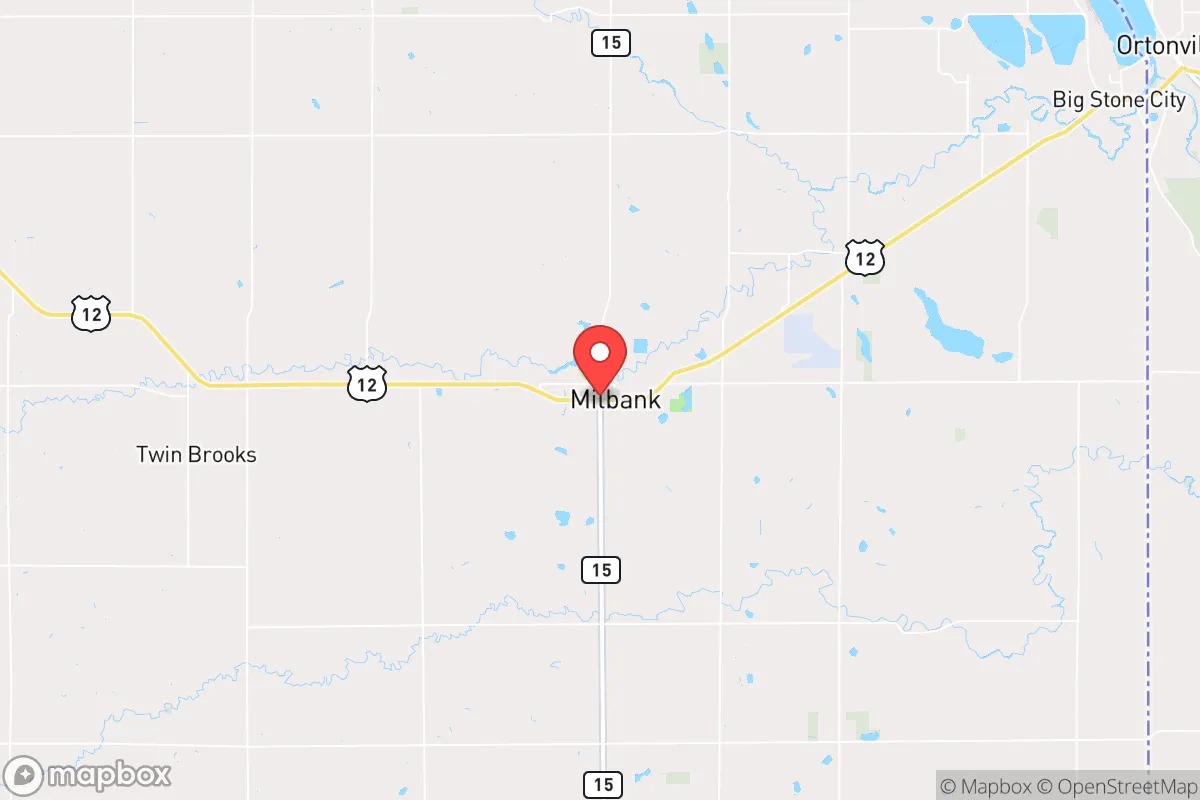
Photo: Wikipedia
Quality of Life in Milbank, SD
A high quality of life with strong walkability, manageable living costs, healthy neighborhood signals, and solid amenity access.
What does Quality of Life tell us?
Quality of Life blends cost of living, nearby amenities, socioeconomic signals, and neighborhood character. City-level scores represent the whole municipality; individual neighborhoods can differ.
What does this tell us?
Quality of Life blends cost of living, nearby amenities, socioeconomic signals, and neighborhood character. City-level scores represent the whole municipality; individual neighborhoods can differ.
Cost of Living
52% below national average
The Real Cost of Living in Milbank, SD for 2026
| Tier | Individual | Family (4) |
|---|---|---|
| Survival | $10k | $18k |
| Comfortable | $31k | $46k |
| Luxury | $106k+ | $164k+ |
| Elite (Top 5%) | $149k+ | $230k+ |
127%
The Area Signal
A metric tracking the socioeconomic signals of the area.


Hobbies
Explore the areaGroceries
3 within 10 miles
Gas
0 within 10 miles
Hospital
3 within 20 miles
Airport
JFK — John F. Kennedy Memorial
Post Office
USPS — Milbank, SD
Critical Amenities
Quality-of-Life Analysis
Milbank, South Dakota, offers a quality of life defined by small-town stability, low costs, and a predominantly family-oriented and retired population. With a cost of living index of 48—roughly half the national average—the community attracts residents seeking financial breathing room, slower daily rhythms, and a safe environment. The median household income of approximately $55,000 aligns closely with the state median, supporting a middle-class lifestyle where homeownership is attainable and debt burdens are low.
Cost of living, housing affordability, and how Milbank compares to nearby towns
Milbank’s housing market is among the most affordable in Grant County and the broader region. The median home value of $161,300 is roughly 40% below the national median, while the median gross rent of $480 per month is less than half the U.S. average. This affordability gap is stark when compared to Watertown (30 miles west), where median home values exceed $220,000, or to larger regional centers like Sioux Falls, where the median home price tops $330,000. The average commute of 17.6 minutes is notably short, reflecting a community where most residents work locally or within a 20-minute radius. Utility costs in Milbank run about 10% below the national average, and property taxes in Grant County are among the lowest in South Dakota—roughly 1.1% of assessed value. For renters, the $480 median rent means a single minimum-wage earner can afford a one-bedroom apartment without cost burden, a rarity in most U.S. markets.
What daily life is like for families: schools, amenities, and local rhythm
Daily life in Milbank revolves around a compact downtown core, the nearby Big Stone Lake recreation area, and a calendar of community events like the annual Milbank Summerfest and the Grant County Fair. The Milbank School District serves roughly 1,100 students across three buildings, with a student-teacher ratio of 14:1 and graduation rates consistently above 90%. The district’s elementary school received a “Great” rating from Niche in 2025, and the high school offers dual-credit courses through Lake Area Technical College. Healthcare is anchored by Milbank Area Hospital—a 25-bed critical access facility—and a handful of primary care clinics. Grocery access is adequate, with a County Market and a local co-op, though residents drive 30 minutes to Watertown for big-box retail or specialty medical care. The town’s walk score is low (around 35), but most errands are a five-minute drive. Outdoor amenities include the Milbank City Park, a nine-hole golf course, and direct access to the 7,000-acre Big Stone Lake for fishing, boating, and ice fishing.
Milbank is best suited for retirees on fixed incomes, young families seeking a first home without debt, and remote workers who value low overhead over urban amenities. The combination of sub-$500 rents, a 17-minute average commute, and a crime rate roughly 60% below the national average makes it a practical choice for those prioritizing financial security and quiet routine. Professionals in creative or tech fields may find the lack of coworking spaces and cultural venues limiting, but for anyone whose primary goal is stretching a paycheck in a safe, slow-paced environment, Milbank delivers consistently.

Crime in Milbank, SD
Generally safer than 61% of comparable U.S. locations.
Violent CrimeViolent Crime Analysis
Property CrimeProperty Crime Analysis
Crime Analysis
Milbank, South Dakota, reports a violent crime rate of 293.3 per 100,000 residents and a property crime rate of 1,280.6 per 100,000, placing it above national averages for both categories. While not a high-crime urban center, these figures indicate that safety is a tangible concern for residents and prospective movers, particularly regarding property offenses. The community’s overall safety picture is mixed, with risks that are notably higher than in many similarly sized rural towns in the Upper Midwest.
Crime in context
Milbank’s violent crime rate of 293.3 per 100,000 is roughly 20% higher than the national average of approximately 250 per 100,000, and significantly above the South Dakota state average of around 230 per 100,000. The property crime rate of 1,280.6 per 100,000 is about 30% above the national average of roughly 1,000 per 100,000 and well above the state average of approximately 900 per 100,000. These numbers place Milbank in a less safe tier compared to peer communities in Grant County and eastern South Dakota. For context, the city’s crime index is lower than that of larger regional hubs like Watertown or Sioux Falls, but the per-capita rates are elevated, suggesting that crime is not concentrated solely in a small area but is distributed across the community.
What residents experience
Residents most frequently encounter property crimes such as theft, burglary, and vandalism, which account for the bulk of reported incidents. Vehicle break-ins and shed burglaries are common complaints, particularly in residential neighborhoods near the downtown core and along Highway 12. Violent crime, while less frequent, includes aggravated assault and occasional robbery, with incidents often tied to domestic disputes or alcohol-related altercations. The local police department maintains a visible presence, but staffing levels are limited, which can delay response times during peak hours. Residents report feeling generally safe during the day but express caution after dark, especially near the city’s parks and the industrial area along the railroad tracks. The presence of a progressive judicial philosophy in the state’s court system—where sentencing reforms and diversion programs are prioritized—has led to concerns among some residents that repeat property offenders face minimal consequences, contributing to a perception of revolving-door justice.
Neighborhood-level variation
Crime is not evenly distributed across Milbank. The area around the downtown business district and the older residential streets east of Main Street see higher rates of property crime, likely due to easier access and lower surveillance. The newer subdivisions on the west side of town, near the hospital and school campus, report fewer incidents. The industrial zone along the railroad corridor experiences occasional theft from vehicles and storage lots. No single neighborhood is immune, but the risk gradient is clear: west-side residents enjoy a noticeably lower crime exposure than those in the older, denser parts of town. For those considering relocation, choosing a home in the western or southern sections of Milbank may offer a measurable safety advantage.
* Values derived from national, state, county, city and local statistics and may differ in a specific area. Last updated: 2026-04-19T09:24:09.000Z
Narrative content on this page is AI-generated and may contain mistakes. Verify any details that matter before acting on them.
ReloMaps may earn a commission from affiliate links at no extra cost to you.

