 Popular
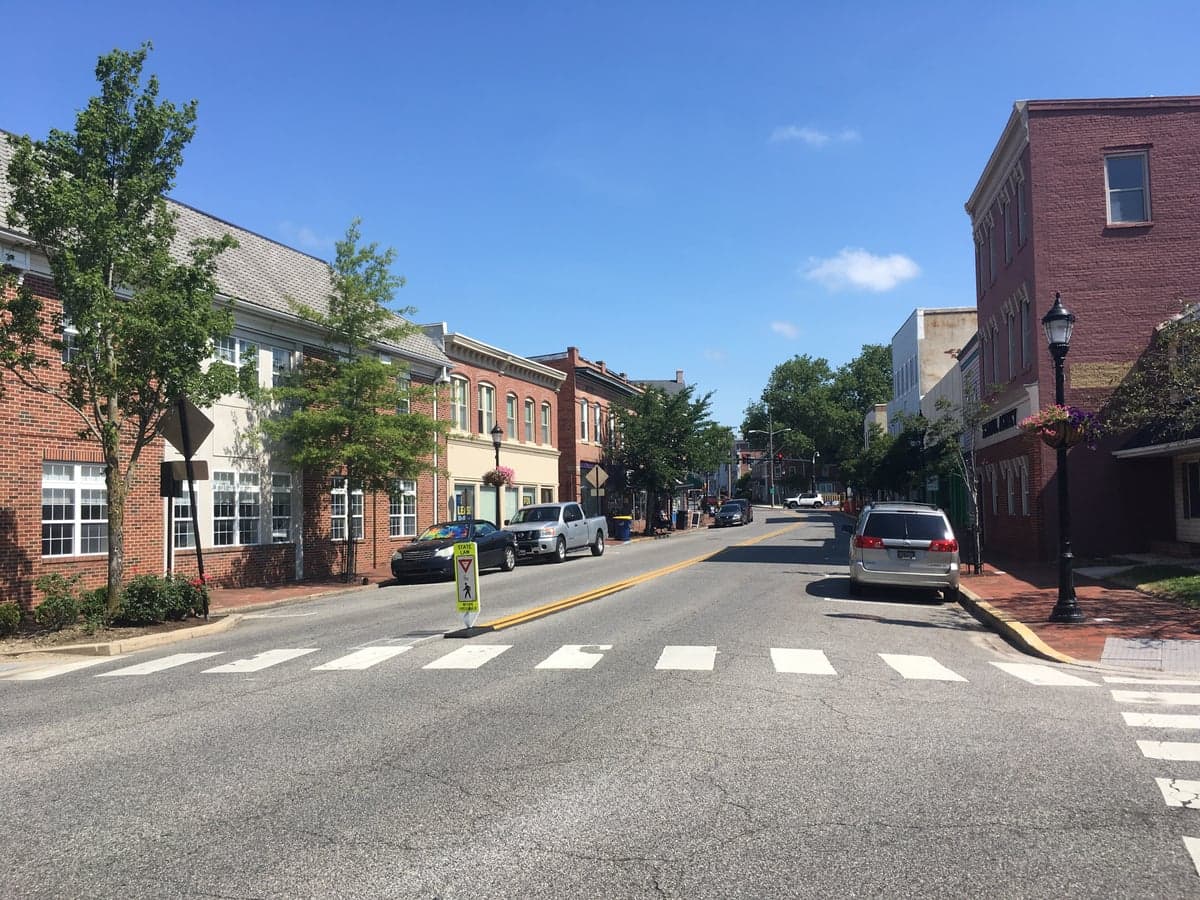
Photo: Wikipedia
Strategic Assessment of Milford, DE
Multiple tactical vulnerabilities. Population density, target proximity, or disaster risk are likely compounding. A retreat property and exit planning is required.
What does the Strategic Assessment tell us?
Our Strategic Assessment grades tactical survivability of an area. Major population centers, military targets, fallout zones, natural disasters, and border exposure all drive risk — lower exposure means a more defensible position in a crisis.
This is heavily inspired by Joel Skousen's Strategic Relocation book. Highly recommended you checkout the book ($)What does this tell us?
Our Strategic Assessment grades tactical survivability of an area. Major population centers, military targets, fallout zones, natural disasters, and border exposure all drive risk — lower exposure means a more defensible position in a crisis.
This is heavily inspired by Joel Skousen's Strategic Relocation book. Highly recommended you checkout the book ($)Strategic Pillars

Key Distances
Regional Safe Places
Below is our recommended "safe zones" in Delaware and the surrounding area based on our strategic heuristics. For most people, it's unrealistic to live in a “safe zone” full-time due to work, family or other personal reasons. They tend to be more rural. However, many of these areas are perfect for second homes and retreat properties that double as a vacation home or even a short-term rental.
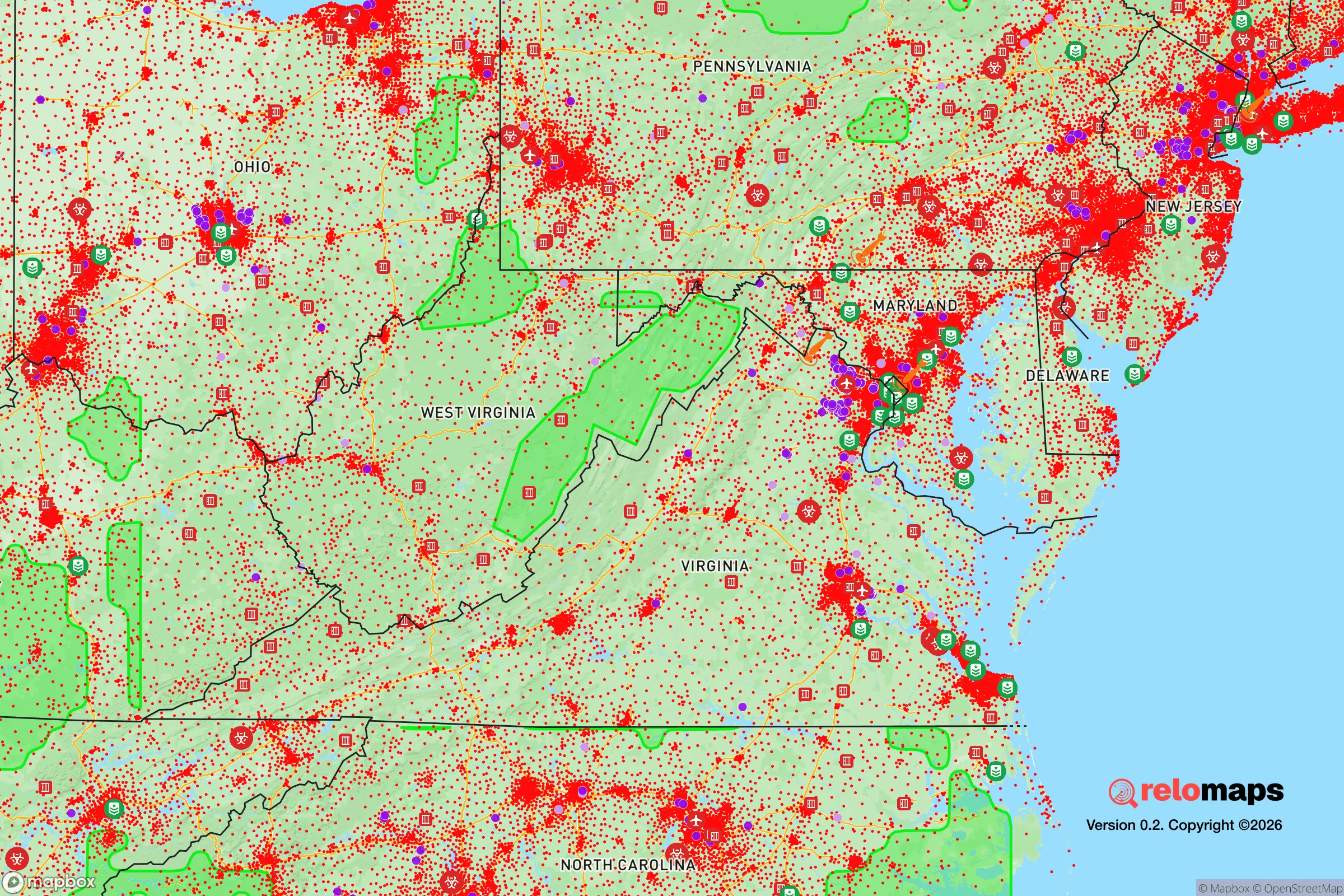
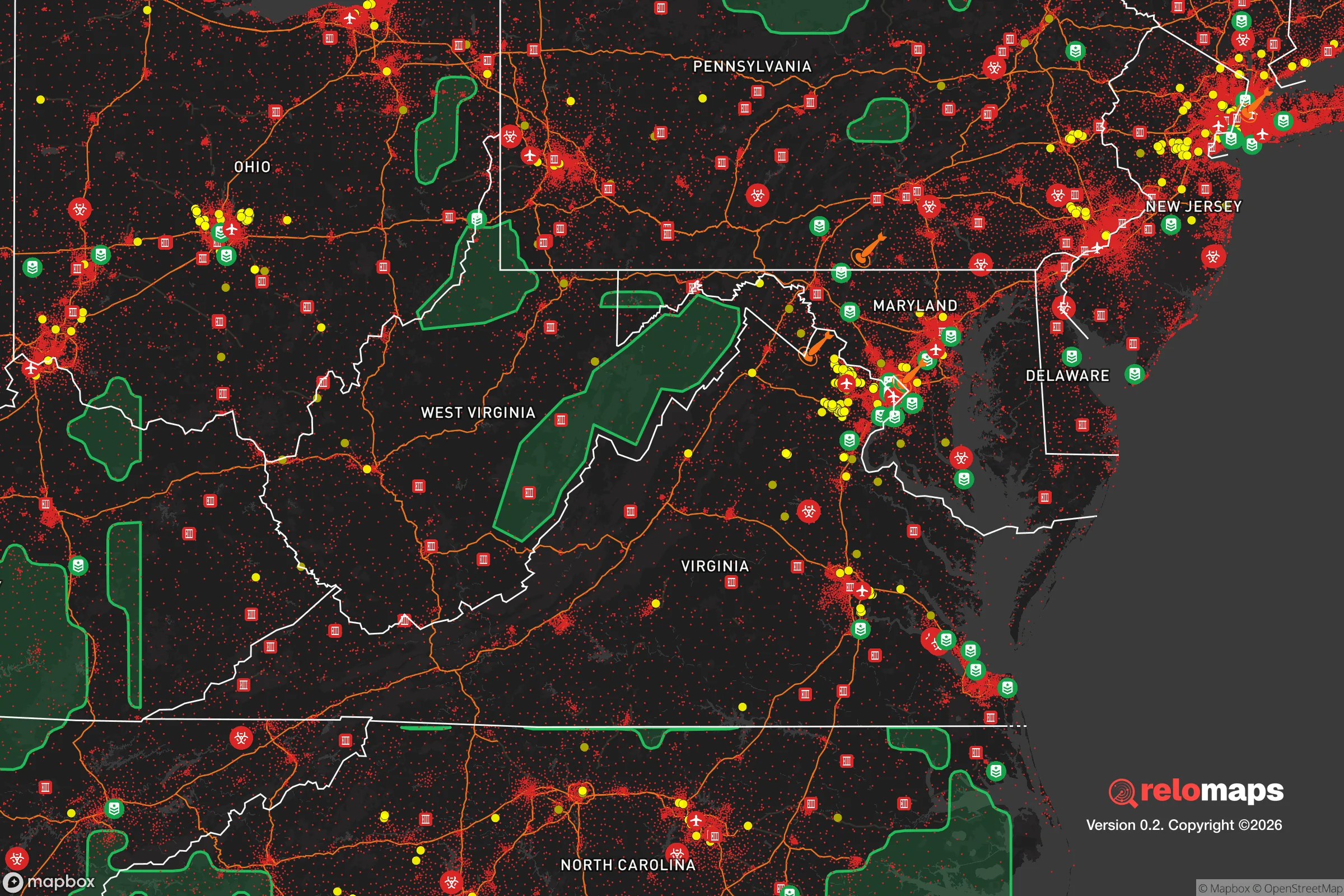


Important Note: For informational purposes only. This does not mean nothing bad ever happens in the green zones. Please use common sense. This is based on public data and modeled with AI. We tried to take a conservative approach but mistakes happen. We update this regularly as new information becomes available.
Solar Generator Recommendations
Backup power matters more here than in safer locations. We've picked three solar generators across budgets and capacity tiers — start with the budget unit if you only need a few essentials, or step up if you want to run a fridge and HVAC for days at a time.

Jackery Portable Power Station Explorer 300
Budget OptionPower on the Go: Weighing only 11 lbs, it's convenient to set up and store with book-sized foldable solar panels

BLUETTI Portable Power Station AC180
Designed for both indoor and outdoor scenarios, AC180 is highly capable as it has a robost capacity and continuous output power.

EF ECOFLOW DELTA Pro Ultra Power Station
Upgraded PickEcoFlow DELTA Pro Ultra is a whole-home energy system designed to grow with your family. Integrated with the Smart Home Panel 2, it scales to meet your evolving energy needs — keeping your home powered, intelligent, and secure through every stage of life.
We earn a commission, at no additional cost to you.
Strategic Assessment Analysis
Milford, Delaware, sits in a strategic sweet spot that many relocators overlook: far enough from the major Eastern Seaboard population centers to avoid the worst of any cascading crisis, yet close enough to access resources when things are stable. Its position along the Broadkill River, roughly 20 miles from the Delaware Bay and 30 miles from the Atlantic, gives it a natural buffer against the kind of rapid urban contagion that makes cities like Philadelphia or Washington, D.C., unmanageable during a breakdown. For a prepper or survivalist looking at the long game, Milford offers a blend of agricultural self-sufficiency, modest population density, and geographic insulation that makes it a viable base of operations—provided you understand its specific vulnerabilities.
Geographic position and natural advantages for long-term stability
Milford’s location in central Kent County places it squarely in Delaware’s agricultural heartland, surrounded by farmland, poultry operations, and small woodlots. This is not a suburban sprawl zone; the town itself holds roughly 12,000 people, and the county’s overall density is about 200 people per square mile—low enough that you can find a few acres without being on top of neighbors. The Broadkill River provides a freshwater source, though it’s tidal and brackish near town, so you’ll need to look upstream or dig a well for potable water. The flat terrain and sandy loam soils make gardening and small-scale farming feasible, and the moderate climate means a longer growing season than points north. Critically, Milford is about 90 miles from Philadelphia and 110 miles from Baltimore—close enough to monitor events, but far enough that a sudden evacuation of those cities would likely bypass this area, as the main escape routes (US 113, DE 1) funnel traffic toward the beaches, not inland. For a relocator prioritizing defensibility, the lack of major interstate highways nearby is actually a plus: it limits the volume of transient traffic and makes chokepoints easier to control.
Risks, exposures, and proximity to fallout-relevant landmarks
No location is a fortress, and Milford has its share of exposure. The most obvious risk is its proximity to the Delaware Bay coast—about 20 miles east—which puts it in the path of hurricane storm surge and nor’easter flooding. The Broadkill River has flooded downtown Milford multiple times, most notably during Hurricane Sandy in 2012 and the 2021 remnants of Hurricane Ida. If you’re buying property, avoid anything in the 100-year floodplain; the FEMA maps are publicly available and worth studying before you sign. On the man-made threat side, Milford is roughly 50 miles from the Salem Nuclear Generating Station in New Jersey, across the bay. That’s close enough that a major release with prevailing westerly winds could deposit fallout in the area. Potassium iodide stocks and a good shelter plan are non-negotiable for anyone settling here. Further out, the Dover Air Force Base (about 20 miles north) is a potential target in a conflict scenario, though its primary function as a cargo and mortuary facility makes it less likely than a fighter base. The real concern is that Milford sits along the US 113 corridor, which connects Dover to the beach resorts—during a mass evacuation of the coast, that road becomes a parking lot. You want to live on the west side of town, with secondary routes (like DE 36 or DE 14) that let you move inland toward Maryland’s Eastern Shore if needed.
Practical resilience for a relocator: food, water, energy, and defensibility
For a prepper, Milford’s practical resilience comes down to three things: local food production, groundwater access, and community scale. The surrounding farmland is dominated by poultry (Perdue and Mountaire have processing plants within 20 miles) and row crops like corn and soybeans. That means in a prolonged disruption, barter networks for eggs, chicken, and grain are viable—if you build relationships early. Your best bet is to buy a property with at least 5 acres and a well; the water table in Kent County is generally shallow (30-60 feet) and yields decent quality, though you’ll want to test for nitrates from agricultural runoff. Solar is practical here—Delaware averages about 4.5 peak sun hours per day—and the state has net metering policies that make grid-tied systems economical. Off-grid, a modest solar array plus a propane generator can cover a household’s basics. Defensibility is where Milford shines compared to a suburb: the town is compact enough that you can know your neighbors, but rural enough that a property with a long driveway and tree cover gives you privacy and warning time. The local police force is small (about 30 officers), so during a crisis, you cannot rely on rapid response. You need to be your own first responder, which means medical training, ammunition stockpiles, and a community of like-minded households within a few miles. The Amish and Mennonite communities in the area (concentrated around Dover and Harrington) are a resource, not a threat—they have skills in animal husbandry, blacksmithing, and off-grid living that are invaluable in a collapse scenario.
The overall strategic picture for Milford is one of moderate safety with clear trade-offs. It is not a remote mountain redoubt; you will have neighbors, and you will be within a day’s drive of 10 million people. But that proximity cuts both ways—it also means you can access medical care, hardware stores, and fuel supplies during normal times, which is essential for building your preps. The biggest mistake a relocator can make here is buying in the floodplain or too close to US 113. Aim for the western edge of town, near the Kent-Sussex county line, where the land rises slightly and the road network gives you options. Milford is a place to hunker down, not to bug out to—if you need to leave, you’re already in trouble. For a conservative-minded individual who wants to be part of a functioning community while maintaining the ability to weather a crisis, it’s a solid choice. Just don’t expect it to be a secret. The word is getting out, and property prices have risen 40% since 2020. Move soon, or the window closes.

* Values derived from national, state, county, city and local statistics and may differ in a specific area. Last updated: 2026-10-10T16:28:21.000Z
Narrative content on this page is AI-generated and may contain mistakes. Verify any details that matter before acting on them.
ReloMaps may earn a commission from affiliate links at no extra cost to you.

