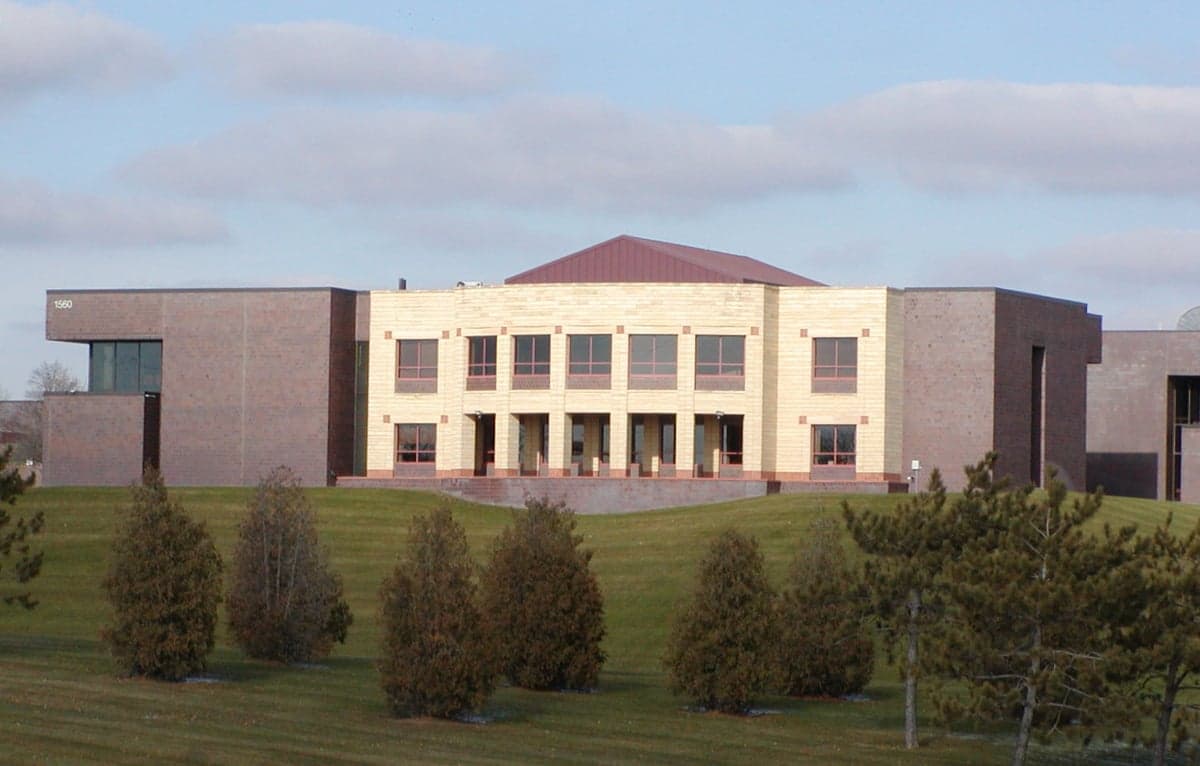
Photo: Wikipedia
Find The Best Places To Live in Dakota County
PRO TIP! You can paste a Zillow or Redfin link to get info on that property.
Best Places to Live in Dakota County
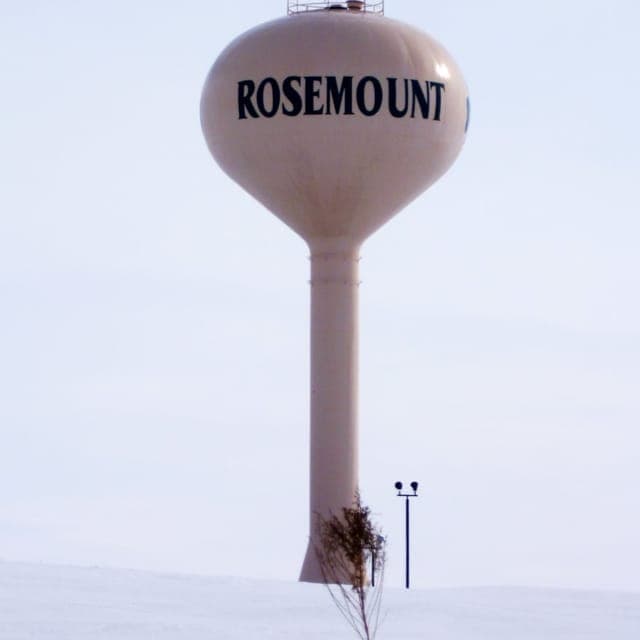
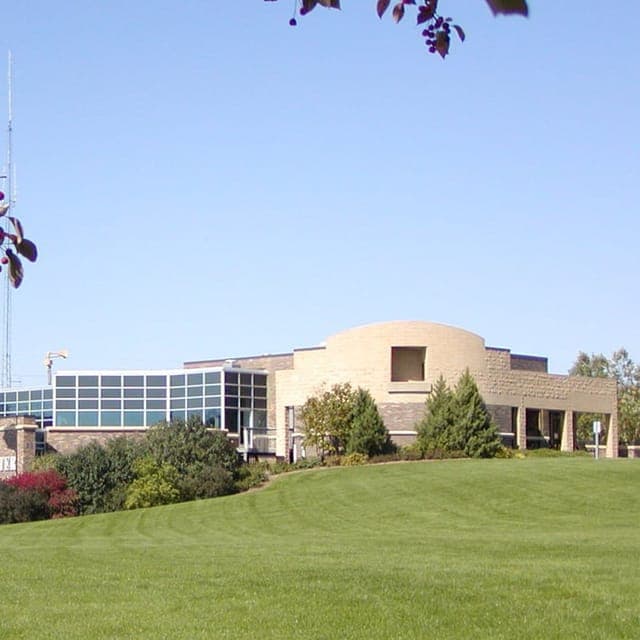
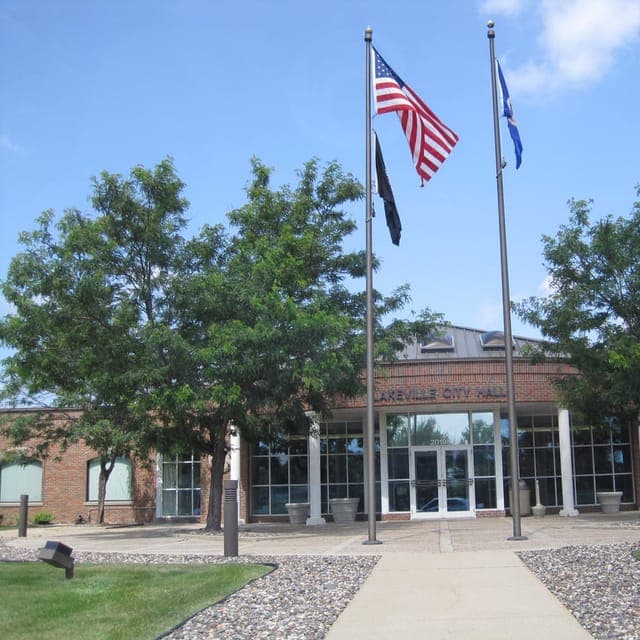
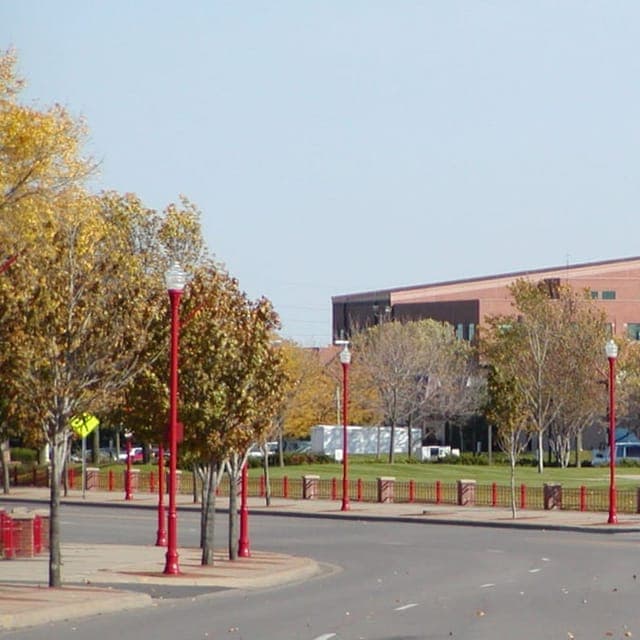
Cities & Towns in Dakota County
Cities in Dakota County
What It's Like Living in Dakota County, MN
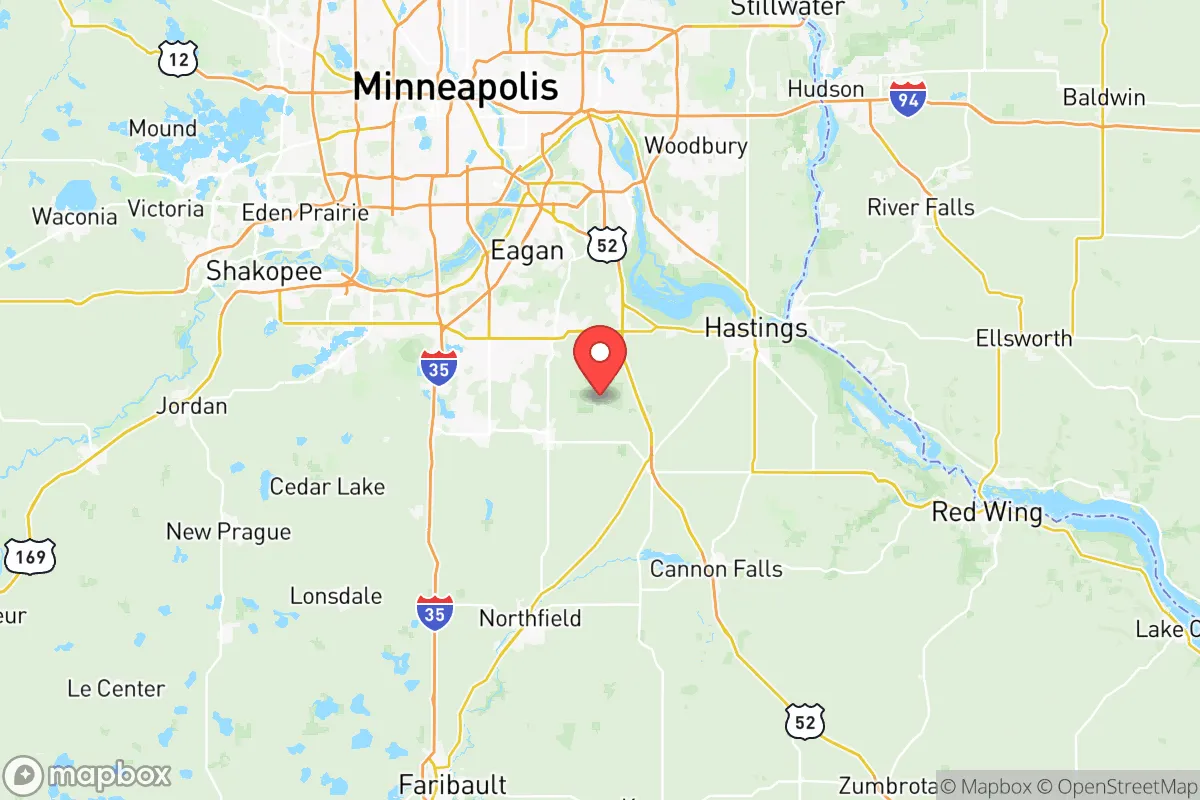
Living in Dakota County feels a bit like having your cake and eating it too—you get the space and slower pace of places like Farmington or Northfield, but you’re still close enough to downtown St. Paul to catch a Wild game or grab dinner in Lowertown. It’s a county of contrasts: the suburban sprawl of Apple Valley and Eagan gives way to the rural quiet of Randolph and the college-town energy of Northfield, all within a 30-minute drive. For a conservative-leaning audience, this is a place where family values, outdoor life, and a strong work ethic still feel like the default setting.
The Daily Rhythm: Suburbs, Small Towns, and Commuter Life
For most people in Dakota County, the day starts with a commute that averages just over 24 minutes—short enough to avoid the soul-crushing grind of a 45-minute slog from the outer exurbs. Many residents work in the Twin Cities themselves, but a growing number find jobs closer to home in Eagan’s corporate parks or at the county’s major employers like Thomson Reuters and Blue Cross Blue Shield. The median household income here is $105,212, which gives families breathing room to own a home (median value $362,100) and still save for college or a vacation. That cost of living index of 129 is higher than the national average, but it buys you into one of the best school systems in the state—districts like Lakeville and Rosemount are a big reason families settle here and stay.
Weekends in Dakota County often revolve around youth sports, home improvement projects, or a trip to one of the many county parks. The Big box stores and chain restaurants dominate the commercial corridors in Burnsville and Apple Valley, but you’ll also find local standbys like the Dakota County Fair in Farmington every August, a genuine slice of small-town life that draws crowds from all over. The weather follows the classic Minnesota rhythm: hot, humid summers perfect for a day on the Mississippi River at Spring Lake Park Reserve, followed by long, snowy winters where ice fishing and hockey take over.
Sports, Community, and What People Actually Do
High school sports are a surprisingly big deal here. Friday nights in Lakeville and Rosemount see packed bleachers for football games, and the rivalry between Lakeville North and Lakeville South is the kind of thing that defines social calendars for the fall. Hockey is the winter religion, with local rinks producing players who go on to Division I programs. For pro sports, the Twin Cities are a quick drive away—Target Field for the Twins, U.S. Bank Stadium for the Vikings, and Xcel Energy Center for the Wild are all within 20-30 minutes from most parts of the county.
When it comes to entertainment, the options are more practical than flashy. The Minnesota Zoo in Apple Valley is a year-round draw for families, and the Lebanon Hills Regional Park in Eagan offers hiking, mountain biking, and cross-country skiing that feels a world away from suburbia. Northfield, home to Carleton and St. Olaf colleges, brings a cultural counterpoint with its independent bookstores, coffee shops, and the Defeat of Jesse James Days festival every September—a reenactment-heavy celebration of the town’s most famous bank robbery. For nightlife, most people head to a local brewpub like Bald Man Brewing in Eagan or Lakeville Brewing Company, where the vibe is more “neighbors catching up” than “club scene.”
Pros and Cons of Living Here
The honest upsides are clear: low violent crime (224.7 per 100,000, well below the national average), excellent public schools, and a community culture that still values neighborliness and self-reliance. The median age of 38.4 reflects a population that’s settled and raising families—this isn’t a place for young singles looking for a buzzing nightlife, but it’s ideal for parents who want their kids to play outside without worry. The county’s 44.6% college-educated rate means you’ll find plenty of neighbors who value education and civic engagement, often reflected in local politics that lean conservative but not extreme.
The downsides? Winter can feel endless, especially from January through March, when the cold and snow test your patience and your car battery. Traffic on I-35Eagan and I-35E can back up during rush hour, and the commute to downtown St. Paul or Minneapolis can stretch to 40 minutes on bad days. Property taxes are high relative to some other parts of the country, and the cost of living index of 129 means your dollar doesn’t stretch as far as it would in, say, rural Minnesota. Some longtime residents grumble about the steady development eating up farmland in places like Lakeville and Farmington, but that growth also brings new restaurants, stores, and jobs.
For the right person—someone who values safety, schools, and a slower pace but still wants city access—Dakota County is a solid bet. It’s not flashy, but it’s dependable, and that’s exactly what most people here are looking for.

* Values derived from national, state, county, city and local statistics and may differ in a specific area. Last updated: 2026-05-19T12:04:28.000Z
Narrative content on this page is AI-generated and may contain mistakes. Verify any details that matter before acting on them.
ReloMaps may earn a commission from affiliate links at no extra cost to you.

