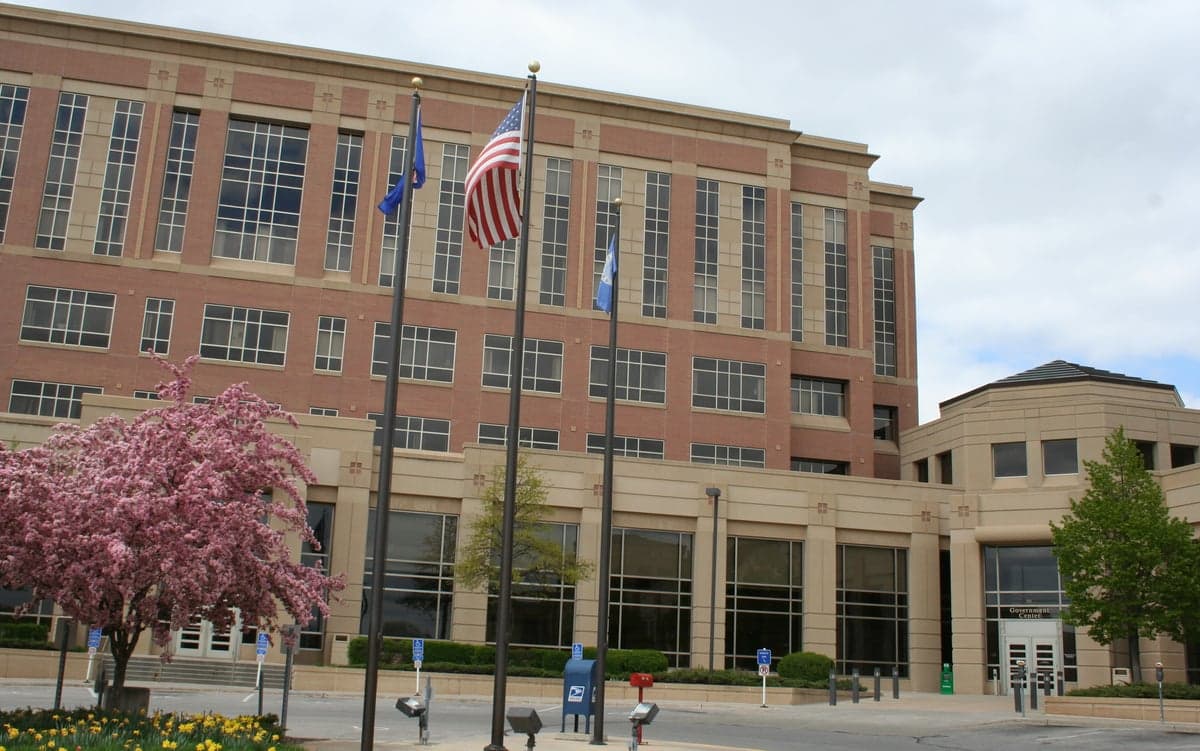
Photo: Wikipedia
Find The Best Places To Live in Olmsted County
PRO TIP! You can paste a Zillow or Redfin link to get info on that property.
Best Places to Live in Olmsted County
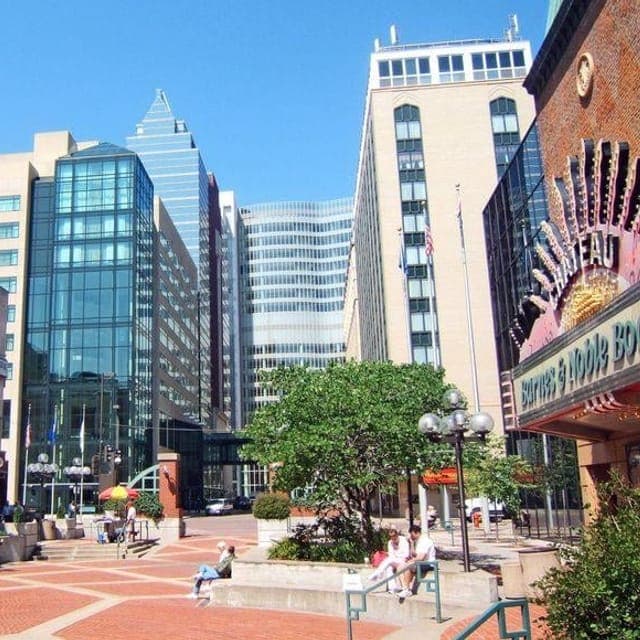
Cities & Towns in Olmsted County
Cities in Olmsted County
What It's Like Living in Olmsted County, MN
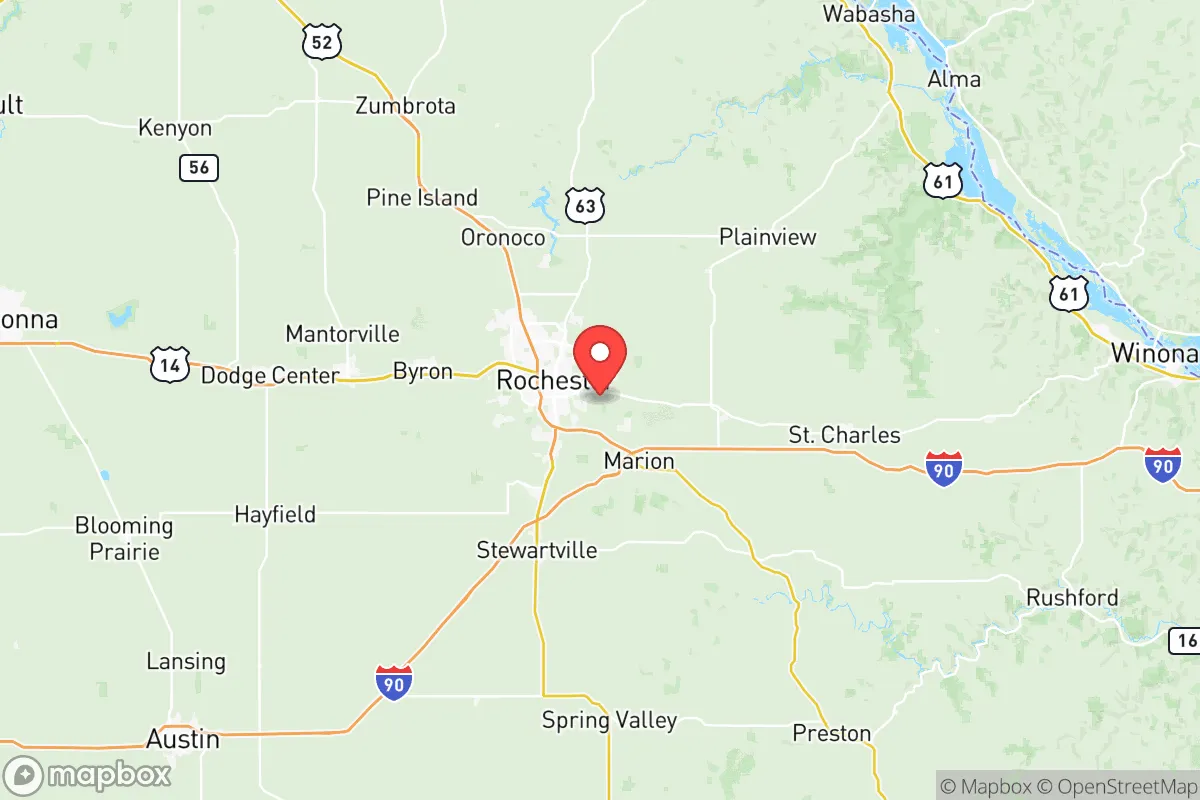
Living in Olmsted County, Minnesota, often feels like you’ve found a sweet spot between small-town familiarity and big-city opportunity. The county’s anchor, Rochester, is a world-class medical hub thanks to the Mayo Clinic, but drive ten minutes in any direction and you’re in farmland, small towns like Byron or Stewartville, or the quiet rural stretches near Eyota and Dover. It’s a place where your neighbor might be a surgeon, a corn farmer, or a recent transplant from the Twin Cities looking for a slower pace—and somehow, it all works.
The Daily Rhythm: Work, Commute, and Weekend Errands
For most people here, the workday revolves around healthcare, education, or manufacturing. The Mayo Clinic is the dominant employer, drawing professionals from across the globe, but there’s also a strong base of smaller employers in Rochester and the surrounding towns. The average commute is a remarkably short 18.8 minutes, which means you can live in a place like Chatfield or Kasson and still be at your desk in Rochester before the coffee gets cold. After work, you’ll find families grabbing dinner at Newt’s in Rochester or hitting the local grocery co-op. Weekends often involve a trip to the Rochester Farmers Market (one of the best in the state), a hike at Quarry Hill Park, or a drive out to Whitewater State Park for some real quiet.
The cost of living index sits at 109—slightly above the national average, but you get more house for your money than in the Twin Cities. The median home value is $304,500, and with a median household income of $93,494, most families can afford a comfortable home in a safe neighborhood. The violent crime rate is 224.9 per 100,000, which is below the national average and gives residents a genuine sense of security, even in the more urban parts of Rochester.
Sports, Community, and the Local Identity
High school sports are a big deal here—maybe not the Friday-night-obsession level you see in Texas, but close. On any given fall Friday, you’ll find the stands packed for Rochester Mayo, Rochester Century, or Rochester John Marshall football games. In smaller towns like Byron or Stewartville, the whole community shows up for volleyball and basketball, too. There’s no major pro sports team in the county, but the Rochester Honkers (summer collegiate baseball) draw a loyal crowd of families and retirees who just want a hot dog and a beer on a warm evening.
The county’s identity is shaped by a mix of medical professionalism and Midwestern pragmatism. People are friendly but not pushy; they’ll help you shovel your car out of a snowbank but won’t pry into your business. The median age is 37.8, and nearly half the population (48.5%) holds a college degree, which gives the area an educated, stable feel. You’ll find a surprising number of international residents, thanks to Mayo’s global draw, which adds a layer of cultural diversity you don’t always see in rural Minnesota.
What’s There to Do: Festivals, Food, and the Outdoors
If you’re worried about boredom, don’t be. The county punches above its weight for entertainment. Rochester’s Thursdays on First & 3rd is a summer staple—a street festival with live music, food vendors, and enough people-watching to fill an evening. Social Ice is a popular spot for drinks and games, while The Loop and Chester’s Kitchen & Bar are go-to dinner spots for locals. For outdoor types, the Douglas State Trail runs right through the county, perfect for biking or cross-country skiing. And if you’re willing to drive 20 minutes, Forestville State Park offers a genuine escape into hardwood forests and trout streams.
One cultural quirk: people here take their weather seriously. Winters are long and cold, but the community doesn’t hibernate. You’ll see fat-tire bikes on snowy trails, ice fishing houses on area lakes, and a general attitude that you either embrace the cold or you’ll be miserable. Summers, by contrast, are glorious—mild, green, and filled with county fairs and outdoor concerts.
Pros and Cons of Living in Olmsted County
- Pro: Strong job market. Mayo Clinic and its related industries provide stable, high-paying jobs that insulate the area from the boom-and-bust cycles seen in other parts of the Midwest.
- Pro: Genuine community feel. Whether you’re in Rochester or a tiny town like Oronoco, people know their neighbors and look out for each other.
- Pro: Access to nature. You’re never more than a 15-minute drive from a park, trail, or river access point.
- Con: Winter can wear you down. The cold and snow last from November through March, and seasonal affective disorder is a real thing here.
- Con: Limited nightlife. If you’re looking for a vibrant club scene or late-night dining, you’ll be disappointed. Most places close by 10 p.m., even on weekends.
- Con: Housing competition. With a median home value of $304,500, prices have risen steadily, and inventory can be tight, especially for entry-level homes.
Overall, Olmsted County is a place that rewards people who value stability, community, and the outdoors. It’s not for everyone—if you crave constant excitement or warm winters, you’ll struggle. But for families and professionals who want a safe, educated, and genuinely friendly place to put down roots, it’s hard to beat.

* Values derived from national, state, county, city and local statistics and may differ in a specific area. Last updated: 2026-08-08T14:59:11.000Z
Narrative content on this page is AI-generated and may contain mistakes. Verify any details that matter before acting on them.
ReloMaps may earn a commission from affiliate links at no extra cost to you.

