Photo: Wikipedia
Find The Best Places To Live
in Rochester
PRO TIP! You can paste a Zillow or Redfin link to get info on that property.
What It's Like Living in Rochester, MN
Rochester, Minnesota, feels like a city built around a single, massive employer—the Mayo Clinic—but what surprises most newcomers is how much else is going on beneath the surface. It’s a place where the rhythm of life is dictated by hospital shifts and school calendars, yet the weekends are filled with farmers markets, bike trails, and high school football games that actually draw a crowd. If you’re considering a move here, expect a community that’s both highly educated and surprisingly down-to-earth, with a cost of living that’s a bit above the national average but still manageable for most professionals.
The Daily Rhythm: Work, Errands, and Weekend Habits
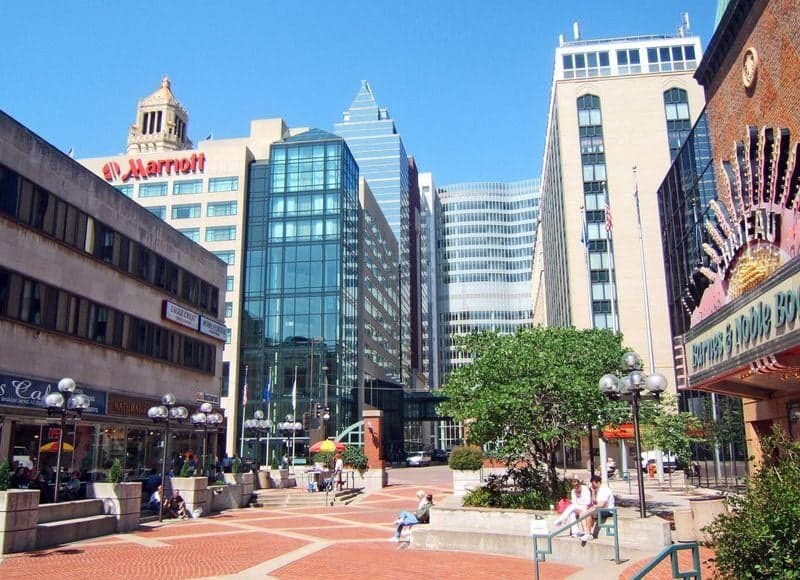
Most people in Rochester live within a 15-20 minute drive of almost everything, which makes the average commute of just over 17 minutes feel almost luxurious compared to bigger cities. The workday often starts early, especially for the thousands of medical professionals at Mayo, but by 5:30 PM, you’ll see families filling up the parking lots at Hy-Vee and Target on 41st Street. Weekend mornings are for the Rochester Farmers Market (April through October) at the intersection of 3rd Ave SE and 2nd St SE, where you can grab fresh sweet corn and talk to the farmer who grew it. Afternoons are often spent on the Douglas State Trail, a paved path that runs 12 miles south to the town of Douglas, perfect for biking or a long walk with a dog. Evenings out tend to be low-key: a burger and a beer at Newt’s on 2nd Street, or a nicer dinner at Pescara for seafood. The social scene isn’t flashy, but it’s consistent—people here value routine and reliability over spontaneity.
Who Fits In: The Mayo Effect and Family Life
Rochester attracts a specific type: people who are career-focused, often in healthcare or biotech, and who value stability over excitement. With a median age of 36.4 and a median household income of $87,767, the city leans heavily toward professionals in their 30s and 40s, many of whom are raising kids. The 50.1% college-educated rate means you’ll have neighbors who can talk about clinical trials and surgical techniques, but also about their kids’ soccer games. For single people, the dating scene is heavily influenced by Mayo’s rotating staff of residents and fellows—there’s a constant influx of new, educated people, but many are only in town for a few years. Parents love the Rochester Public Schools, which are well-funded and highly rated, especially Century and Mayo High Schools. The kind of person who thrives here is someone who doesn’t need a nightclub on every corner and is okay with a city that goes quiet by 10 PM on a weeknight.
Sports, Festivals, and What There Is to Do
Sports here are a big deal, but mostly at the high school and college level. Mayo High School football games on Friday nights in the fall are genuine community events, with parents, alumni, and even Mayo Clinic staff filling the stands. The Rochester Honkers, a summer collegiate baseball team, play at Mayo Field downtown and offer cheap tickets and a relaxed atmosphere—think hot dogs and fireworks, not pro-level intensity. For winter, the Rochester Grizzlies (junior hockey) draw a loyal crowd at the Recreation Center. The biggest annual event is Rochesterfest in June, a week-long festival with a parade, carnival rides, and live music in the park. For outdoor enthusiasts, Quarry Hill Nature Center offers hiking trails and a working quarry, while Silver Lake Park is where you’ll see people paddleboarding or ice skating depending on the season. The Mayo Civic Center brings in touring Broadway shows and concerts, but for live music, you’re better off at Thesis Beer Project or Kathy’s Pub, where local bands play on weekends. The cultural scene is small but earnest—there’s a decent art museum at the Rochester Art Center, and the History Center of Olmsted County does a good job of telling the city’s story beyond Mayo.
Honest Pros and Cons of Living in Rochester
Longtime residents will tell you the biggest pro is safety and predictability. The violent crime rate of 222.8 per 100,000 is notably lower than the national average, and most people feel comfortable walking downtown alone after dark. The schools are strong, the job market is stable thanks to Mayo’s constant hiring, and the city is clean and well-maintained. On the flip side, the cost of living index of 109 (9% above the national average) is a real pinch, especially for housing: the median home value of $287,500 is steep for a city of 121,638 people, and rent for a one-bedroom apartment often runs $1,200–$1,500. The weather is another honest downside—winters are long, gray, and cold, with snow on the ground from November through March. Locals cope by embracing winter sports or simply hunkering down, but seasonal affective disorder is a real conversation here. Another frustration is the transient population—many Mayo employees stay only for a few years, which can make it hard to build deep, lasting friendships. You’ll hear people say, “I love it here, but I wish more people stayed.”
Cultural Quirks and Practical Realities
One thing that stands out is how Mayo Clinic’s presence shapes everything. You can’t go to a coffee shop without overhearing medical jargon, and the city’s calendar is built around Mayo’s conference schedule. The “Mayo identity” is so strong that locals sometimes joke about “Mayo goggles”—the tendency for newcomers to see the city only through the lens of the hospital. Traffic is rarely a problem, though the intersection of 2nd Street SW and 3rd Avenue SW can get congested during shift changes. Schools are a central hub for community life—PTA meetings and school board elections draw real participation, and the Rochester Public Schools are a point of pride. The seasonal rhythm is harsh but honest: summers are beautiful, with long evenings and outdoor concerts at Soldiers Field Park, while winters require a strategy for staying sane. Most people invest in a good winter coat and a hobby that works indoors. Overall, Rochester is a city that rewards patience and community involvement—it’s not a place for thrill-seekers, but for those who value a safe, stable, and intellectually stimulating environment, it’s hard to beat.

Similar small cities to Rochester
* Values derived from national, state, county, city and local statistics and may differ in a specific area. Last updated: 2026-04-30T04:17:35.000Z
Narrative content on this page is AI-generated and may contain mistakes. Verify any details that matter before acting on them.
ReloMaps may earn a commission from affiliate links at no extra cost to you.

