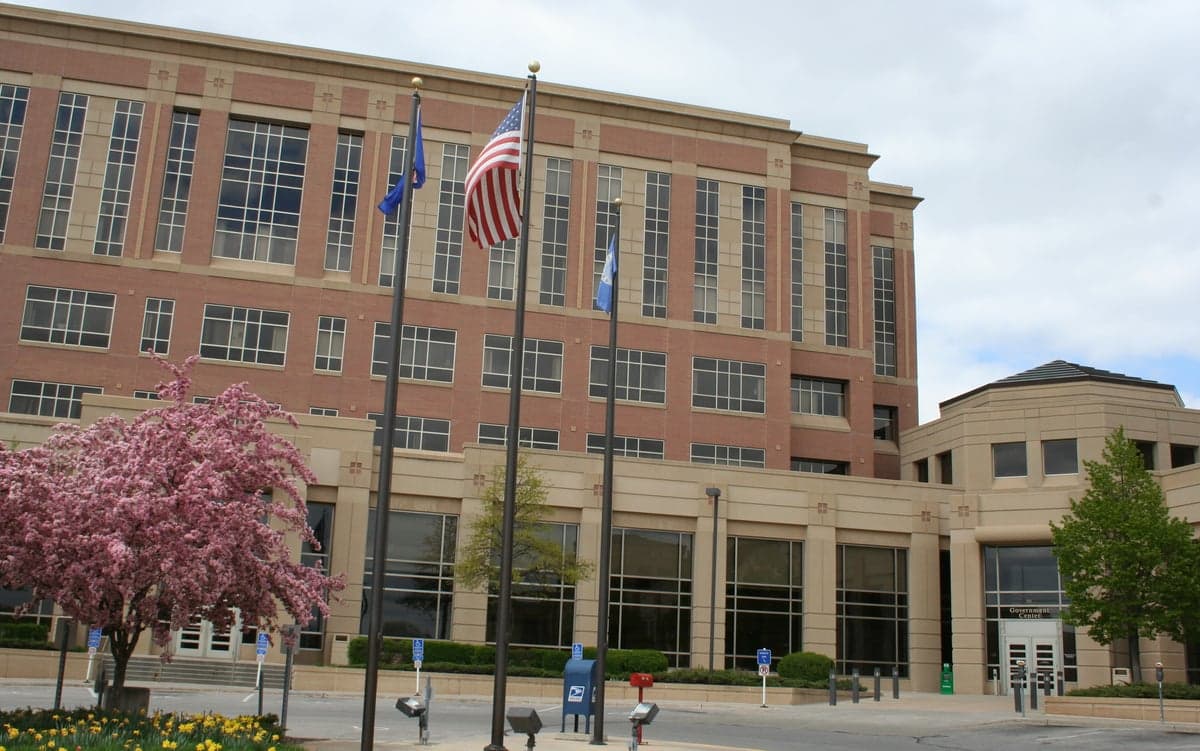
Photo: Wikipedia
Strategic Assessment of Olmsted County
Workable tactical position. Some exposure to population density or targets, but generally defensible in a crisis.
What does the Strategic Assessment tell us?
Our Strategic Assessment grades tactical survivability of an area. Major population centers, military targets, fallout zones, natural disasters, and border exposure all drive risk — lower exposure means a more defensible position in a crisis.
This is heavily inspired by Joel Skousen's Strategic Relocation book. Highly recommended you checkout the book ($)What does this tell us?
Our Strategic Assessment grades tactical survivability of an area. Major population centers, military targets, fallout zones, natural disasters, and border exposure all drive risk — lower exposure means a more defensible position in a crisis.
This is heavily inspired by Joel Skousen's Strategic Relocation book. Highly recommended you checkout the book ($)Strategic Pillars

Key Distances
Strategic Assessment Analysis
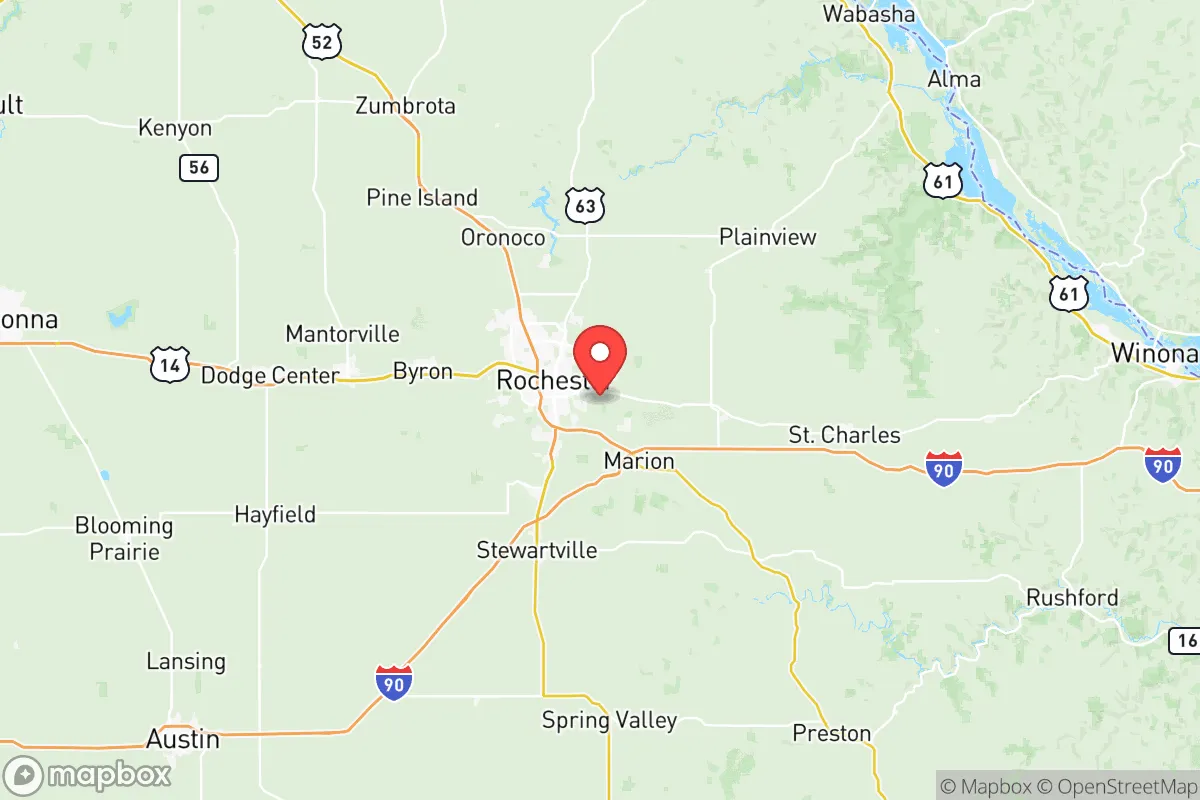
Olmsted County, anchored by Rochester, offers a compelling mix of Midwestern stability and strategic depth for relocators prioritizing disaster readiness and self-sufficiency. Its position roughly 80 miles southeast of the Minneapolis-St. Paul metro area places it far enough from a major population center to avoid the worst of urban cascade failures, yet close enough to access specialized medical infrastructure at the Mayo Clinic. The county's rolling terrain, abundant groundwater from the karstic limestone of the Driftless Area, and a diversified local economy create a baseline resilience that many flatter, monoculture-dependent regions lack.
Geographic position and natural advantages for long-term stability
Olmsted County sits in the southeastern corner of Minnesota, within the Driftless Area—a region that escaped the flattening of the last Ice Age. This means the landscape offers natural defensibility through hills, valleys, and wooded bluffs, particularly around the Zumbro River and its tributaries. The county's elevation ranges from roughly 900 to 1,300 feet, providing good drainage and vantage points. Unlike the open plains to the west, the Driftless terrain limits line-of-sight and creates microclimates that can buffer against extreme weather. The area is also rich in freshwater: the Rochester aquifer system supplies reliable groundwater, and surface water from the Zumbro River and smaller creeks offers secondary sources. For a relocator thinking about water security, this is a significant advantage over counties reliant on a single reservoir or depleted aquifer. The county's position also places it outside the primary tornado alley of the Great Plains, though severe storms do occur—typically with less frequency and intensity than areas further west.
Risks, exposures, and proximity to fallout-relevant landmarks
No location is without risk, and Olmsted County has specific exposures that a strategic relocator must weigh. The most obvious is Rochester's Mayo Clinic, a globally connected medical hub that draws hundreds of thousands of visitors annually. In a pandemic, bioterrorism event, or major public health crisis, this concentration of medical activity could become a vector for disease or a target for disruption. The county also sits within roughly 100 miles of the Prairie Island Indian Community's nuclear generating plant near Red Wing, which operates two pressurized water reactors. While the plant has a strong safety record, a worst-case release could affect downwind areas, including parts of Olmsted County. Additionally, the county is within 150 miles of the Minneapolis-St. Paul International Airport (MSP) and the Pine Bend Refinery in Rosemount, one of the largest oil refineries in the Midwest. A major industrial accident or terrorist strike at either site could disrupt supply chains and create secondary hazards. On the natural disaster front, the region faces occasional flooding along the Zumbro River, particularly in low-lying areas of Rochester and surrounding towns like Byron and Eyota. The 2007 flood in Rochester caused over $100 million in damage, a reminder that even well-drained terrain has vulnerabilities.
Practical resilience for a relocator: food, water, energy, and defensibility
For someone serious about self-sufficiency, Olmsted County scores well on the basics. Food security is strong: the county is part of a rich agricultural belt producing corn, soybeans, and livestock, and there are numerous local farms, farmers' markets, and a growing network of CSAs in towns like Stewartville, Chatfield, and Dover. The Driftless Area's varied soils support diverse crops, reducing reliance on a single commodity. Water availability is excellent, with the Rochester aquifer providing high-quality groundwater that requires minimal treatment. Many rural properties have private wells, and the county's water table is generally stable. Energy resilience is moderate: the grid is reliable but not islanded. Rochester Public Utilities provides electricity, and natural gas is widely available. For off-grid capability, the region's tree cover offers biomass for heating, and solar potential is adequate—though not as strong as the Southwest. Defensibility is a mixed picture. The Driftless terrain provides natural chokepoints and concealment, but the county's population of over 160,000 means that a full retreat to rural isolation is difficult within the county itself. The smaller towns—Oronoco, Elgin, and Plainview—offer more seclusion, with lower population density and better access to farmland and woodland. The county's law enforcement presence is professional but not militarized; the Rochester Police Department and Olmsted County Sheriff's Office are well-funded but focused on community policing rather than tactical response.
The overall strategic picture for Olmsted County is one of moderate-to-high resilience with specific, manageable risks. It is not a bug-out location for those seeking total isolation—the Mayo Clinic's gravitational pull and the proximity to the Twin Cities' industrial and nuclear infrastructure introduce vulnerabilities that a purely rural county would avoid. However, for a relocator who wants a functioning community with strong medical resources, abundant water, defensible terrain, and a diversified local economy, Olmsted County is a solid choice. The key is to choose a location within the county that balances access to Rochester's amenities with the buffer of rural space—towns like Chatfield or Stewartville offer that mix. For families and individuals who are serious about preparedness but not willing to live off-grid in the wilderness, this county provides a realistic, grounded option in the Upper Midwest.

* Values derived from national, state, county, city and local statistics and may differ in a specific area. Last updated: 2026-08-08T14:59:11.000Z
Narrative content on this page is AI-generated and may contain mistakes. Verify any details that matter before acting on them.
ReloMaps may earn a commission from affiliate links at no extra cost to you.

