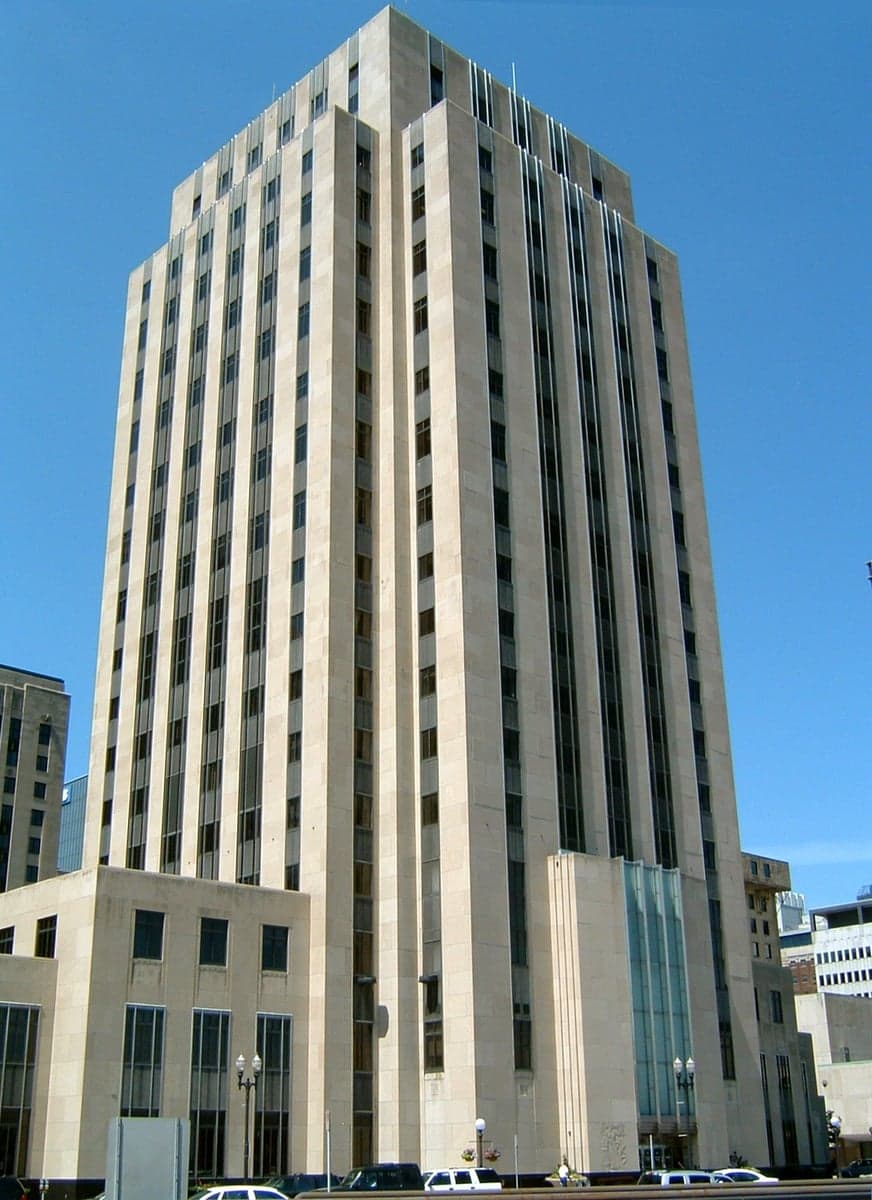
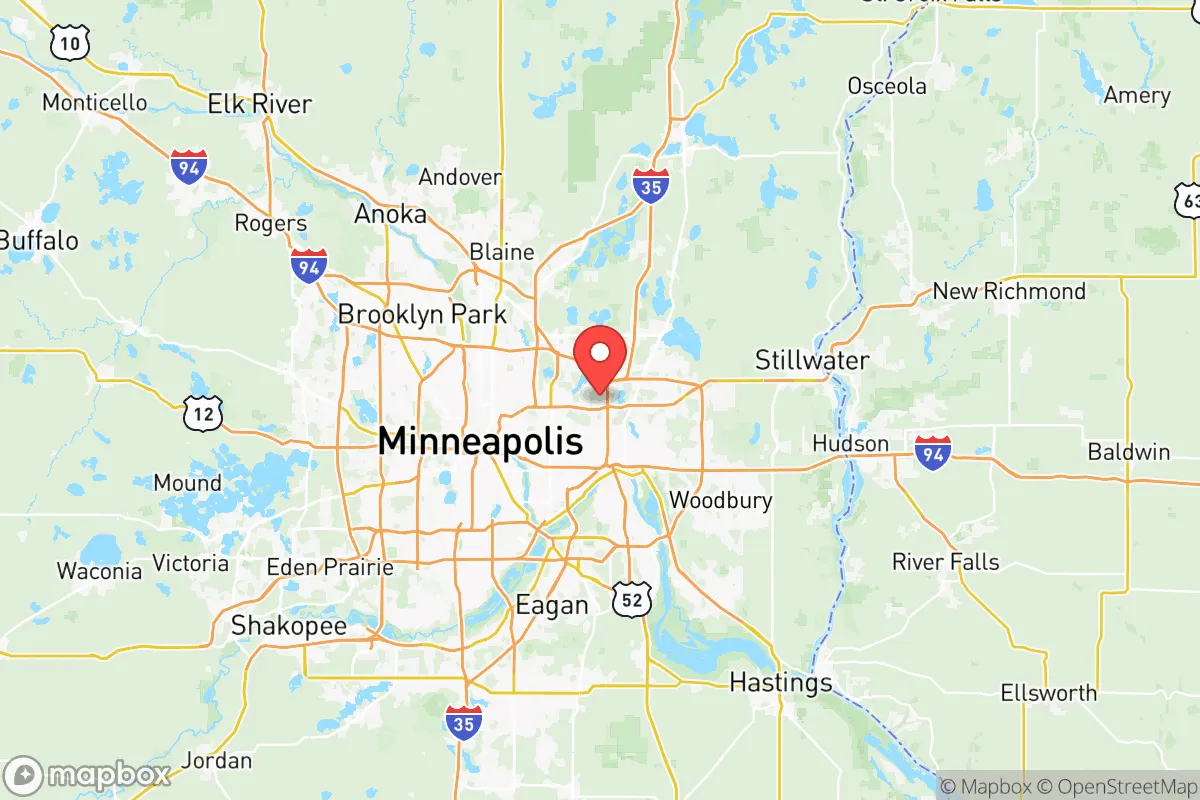
Photo: Wikipedia
Quality of Life in Ramsey County
A livable area that tracks near national norms for affordability, walkability, and neighborhood health.
What does Quality of Life tell us?
Quality of Life measures an area by evaluating factors like cost of living, nearby amenities, country club access, airport proximity, socioeconomic signals and neighborhood character. For large states, this is a general average — quality of life can vary dramatically between metro areas, suburbs, and rural communities within the same state.
What does this tell us?
Quality of Life measures an area by evaluating factors like cost of living, nearby amenities, country club access, airport proximity, socioeconomic signals and neighborhood character. For large states, this is a general average — quality of life can vary dramatically between metro areas, suburbs, and rural communities within the same state.
Cost of Living
10% above national average
93%
The Real Cost of Living in Ramsey County for 2026
| Tier | Individual | Family (4) |
|---|---|---|
| Survival | $21k | $39k |
| Comfortable | $59k | $87k |
| Luxury | $146k+ | $227k+ |
| Elite (Top 5%) | $178k+ | $276k+ |
Quality-of-Life Analysis
Ramsey County, Minnesota, offers a broad quality-of-life spectrum that ranges from the dense, amenity-rich urban core of Saint Paul to quiet, semi-rural townships and agricultural pockets in the northern and eastern reaches. This diversity attracts a wide mix of residents: young professionals and students drawn to the city’s job market and nightlife, families seeking suburban school districts with shorter commutes, and retirees or rural enthusiasts looking for land and lower density. With a cost-of-living index of 110 (10% above the national average) and a median home value of $304,900, the county provides options that span from walkable urban neighborhoods to spacious country properties, all within a 22.5-minute average commute.
Largest town(s) & population centers
The dominant population center is Saint Paul, the state capital and the county seat, home to roughly 310,000 residents. Daily life here is defined by a dense grid of neighborhoods—from the historic brownstones of Summit Avenue to the vibrant immigrant corridors along University Avenue. Residents have access to major employers like the State of Minnesota, HealthPartners, and 3M’s headquarters in nearby Maplewood. The city offers extensive public transit via Metro Transit buses and the Green Line light rail, connecting downtown to the University of Minnesota and Minneapolis. Maplewood and Roseville are the next-largest suburbs, each with populations around 40,000. Maplewood is a retail and employment hub anchored by the Maplewood Mall and 3M’s global campus, while Roseville features the Rosedale Center and a strong mix of mid-century housing and newer townhome developments. These suburbs provide a more car-dependent lifestyle with larger lot sizes and highly rated public schools, such as those in the Roseville Area Schools district.
Smaller towns & rural pockets
Beyond the suburban ring, Ramsey County includes several smaller communities that retain a distinct small-town character. White Bear Lake (pop. ~25,000) centers on its namesake lake, offering a historic downtown with independent shops, a public beach, and seasonal events like the Winter Carnival. North St. Paul (pop. ~12,000) is a compact, walkable town with a classic main street and a strong sense of community identity, despite being surrounded by larger suburbs. Gem Lake and Birchwood are tiny lakeside enclaves (populations under 500) with no commercial districts, where residents live on large wooded lots along the shores of the Mississippi River backwaters. In the far northern reaches, New Brighton and Mounds View blend suburban development with pockets of agricultural land and the Long Lake Regional Park, offering a transitional feel between city and country. The unincorporated area of Bald Eagle, near Bald Eagle Lake, consists of seasonal cabins and permanent homes on winding, unpaved roads, representing the county’s most rural residential character.
Cost & lifestyle range
The cost of living and lifestyle options vary significantly across Ramsey County. At the high end, White Bear Lake and the Highland Park neighborhood of Saint Paul command median home values well above the county average of $304,900, often exceeding $400,000 for single-family homes near the lake or along Summit Avenue. These areas offer premium amenities: top-ranked schools, lake access, and historic architecture. At the lower end, North End and Dayton’s Bluff in Saint Paul have median home values closer to $200,000, with a higher share of rental units (median rent $1,298). These neighborhoods provide affordability and proximity to downtown jobs but may have older housing stock and fewer retail amenities. The suburban middle ground—places like Shoreview, Vadnais Heights, and Little Canada—offers a balanced mix: newer single-family homes, good schools, and access to regional parks like the Rice Creek Chain of Lakes, with home values typically in the $300,000–$375,000 range. Rural pockets like Gem Lake and Bald Eagle have limited housing inventory but offer larger lots and privacy, often with well water and septic systems, at prices comparable to suburban homes.
Ramsey County is best suited for people who want the economic and cultural opportunities of a major metropolitan area but also value the ability to choose a distinctly different daily environment—from a downtown apartment with a light rail stop to a lakeside cabin or a suburban cul-de-sac. The county’s compact geography (only about 170 square miles) means that even its most rural corners are within a 30-minute drive of downtown Saint Paul, making it a practical choice for commuters who want land without sacrificing access. Families, young professionals, and retirees all find viable options here, provided they align their budget and lifestyle preferences with the specific neighborhood or town that matches their priorities.

Crime in Ramsey County
Generally safer than 62% of comparable U.S. locations.
Violent CrimeViolent Crime Analysis
Property CrimeProperty Crime Analysis
Crime Analysis
Ramsey County, Minnesota, presents a mixed safety picture shaped by the sharp contrast between its urban core and its suburban and rural communities. The county’s violent crime rate of 224.7 incidents per 100,000 residents sits below the national average but above the Minnesota state average, while its property crime rate of 1,423.2 per 100,000 exceeds both state and national benchmarks. These figures, however, mask significant variation between the county’s largest city, Saint Paul, and its smaller municipalities like White Bear Lake, Roseville, and Shoreview.
Crime in context
Ramsey County’s violent crime rate is roughly 36% lower than the U.S. average of 352 per 100,000 but about 15% higher than the Minnesota state average of 195 per 100,000. Property crime tells a different story: the county’s rate of 1,423.2 per 100,000 is nearly 20% above the national average of 1,190 per 100,000 and roughly 40% above the Minnesota state average of 1,010 per 100,000. These elevated property crime numbers are driven largely by auto theft and larceny in Saint Paul and its immediate suburbs, particularly along the I-94 and I-35E corridors. The county’s overall crime index is pulled upward by Saint Paul, which accounts for roughly 70% of the county’s population and a disproportionate share of its reported offenses.
What residents experience
Residents in Ramsey County experience crime very differently depending on where they live. In Saint Paul, neighborhoods like Frogtown, the North End, and Payne-Phalen report higher rates of both violent and property crime, with residents frequently encountering issues like car break-ins, package theft, and occasional gun violence. The city’s progressive district attorney, John Choi, has been a focal point of controversy: his office has implemented policies that reduce pretrial detention and divert many property and drug offenders away from prosecution. Critics argue these policies have contributed to a revolving-door justice system that emboldens repeat offenders, particularly in property crime. In contrast, suburban communities like White Bear Lake and Shoreview report violent crime rates below 100 per 100,000 and property crime rates roughly half the county average. Roseville and Maplewood fall in the middle, with property crime driven by retail theft at shopping centers like Rosedale Center and Maplewood Mall. Little Canada and Vadnais Heights are among the safest enclaves, with crime rates comparable to small towns in the state’s outer suburbs.
Neighborhood-level variation is stark. The downtown Saint Paul area, including Lowertown and the Capitol district, sees elevated property crime but relatively low violent crime compared to the city’s east side. The county’s western suburbs, such as Arden Hills and North Oaks, consistently report the lowest crime rates in the county, with violent crime nearly nonexistent. For prospective residents, the choice often comes down to trade-offs: living in Saint Paul offers urban amenities but carries higher property crime risk and exposure to a justice system that many view as lenient, while suburban and exurban communities provide significantly lower crime rates and more traditional law enforcement approaches. The county’s overall safety profile is thus not a single number but a mosaic of experiences, with the progressive policies of the Ramsey County Attorney’s Office being a key factor that safety-conscious readers should weigh heavily when considering relocation.
* Values derived from national, state, county, city and local statistics and may differ in a specific area. Last updated: 2026-06-08T09:45:24.000Z
Narrative content on this page is AI-generated and may contain mistakes. Verify any details that matter before acting on them.
ReloMaps may earn a commission from affiliate links at no extra cost to you.

